Mireille Paquet – författare
460 kr
Skickas inom 5-8 vardagar
471 kr
Läs direkt efter köp
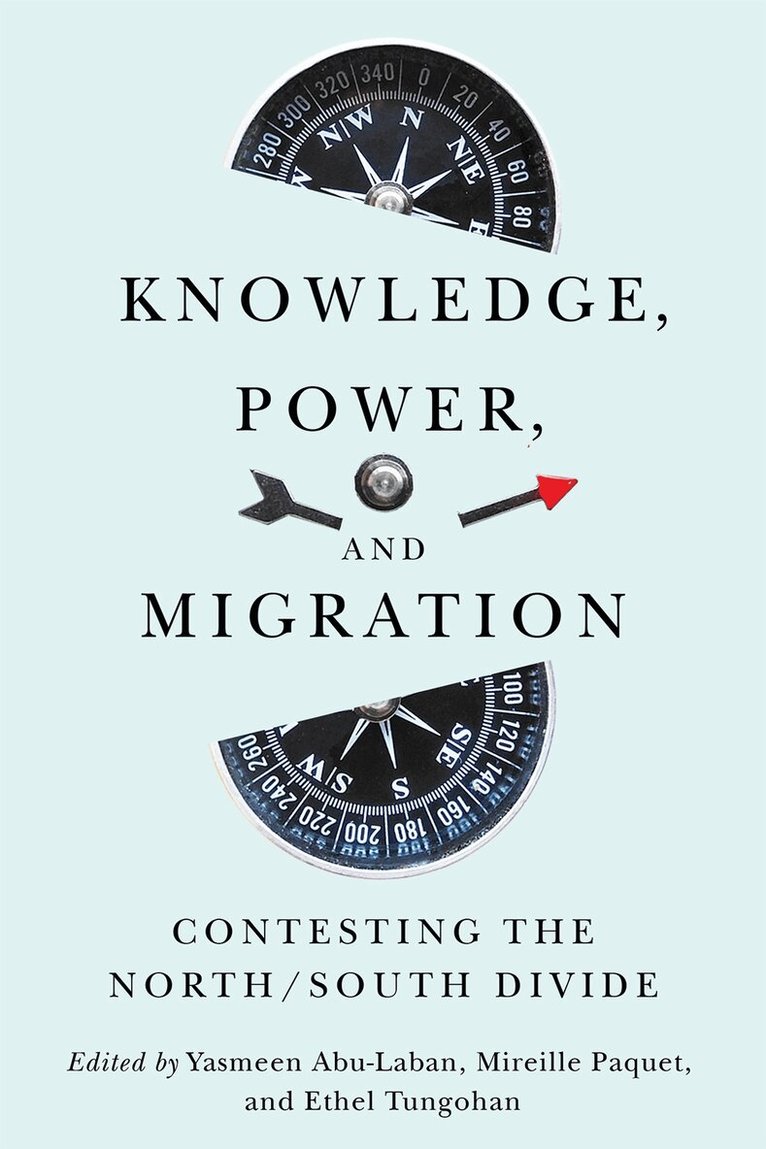
As the field of migration studies has grown, the asymmetrical relationship between researchers in the Global North and in the South has produced a body of work that centres the concerns of the former. Those from the Global North and wealthier countries continue to produce the greater portion of this research, while research from Global South scholars with lived experiences as migrants is received as anecdotal or too niche to have universal application.
Knowledge, Power, and Migration assembles researchers from across the divide to question the ways in which research practices can change the conversation on immigration. It encourages a necessary curiosity about how scholarship in the field can shape global, social, and epistemic justice. Migration is a constant in human history, but the sharp decline in permanent resettlement options, increasingly selective criteria, and violent enforcement measures of the twenty-first century constitute a crisis of immigration policy. Only by redressing the inequalities it shares with global governance structures can the discipline confront this historic challenge.
Research on immigration can occasion reflections and practices that challenge epistemic injustices. Knowledge, Power, and Migration contributes to this ongoing project while offering insights on the practical organization of new forms of dialogue on migration in a largely unequal world.
471 kr
Läs direkt efter köp
As the field of migration studies has grown, the asymmetrical relationship between researchers in the Global North and in the South has produced a body of work that centres the concerns of the former. Those from the Global North and wealthier countries continue to produce the greater portion of this research, while research from Global South scholars with lived experiences as migrants is received as anecdotal or too niche to have universal application.
Knowledge, Power, and Migration assembles researchers from across the divide to question the ways in which research practices can change the conversation on immigration. It encourages a necessary curiosity about how scholarship in the field can shape global, social, and epistemic justice. Migration is a constant in human history, but the sharp decline in permanent resettlement options, increasingly selective criteria, and violent enforcement measures of the twenty-first century constitute a crisis of immigration policy. Only by redressing the inequalities it shares with global governance structures can the discipline confront this historic challenge.
Research on immigration can occasion reflections and practices that challenge epistemic injustices. Knowledge, Power, and Migration contributes to this ongoing project while offering insights on the practical organization of new forms of dialogue on migration in a largely unequal world.
277 kr
Kommande
480 kr
Skickas inom 10-15 vardagar
430 kr
Läs direkt efter köp
430 kr
Läs direkt efter köp
263 kr
Skickas inom 5-8 vardagar
656 kr
Skickas inom 5-8 vardagar
831 kr
Läs direkt efter köp
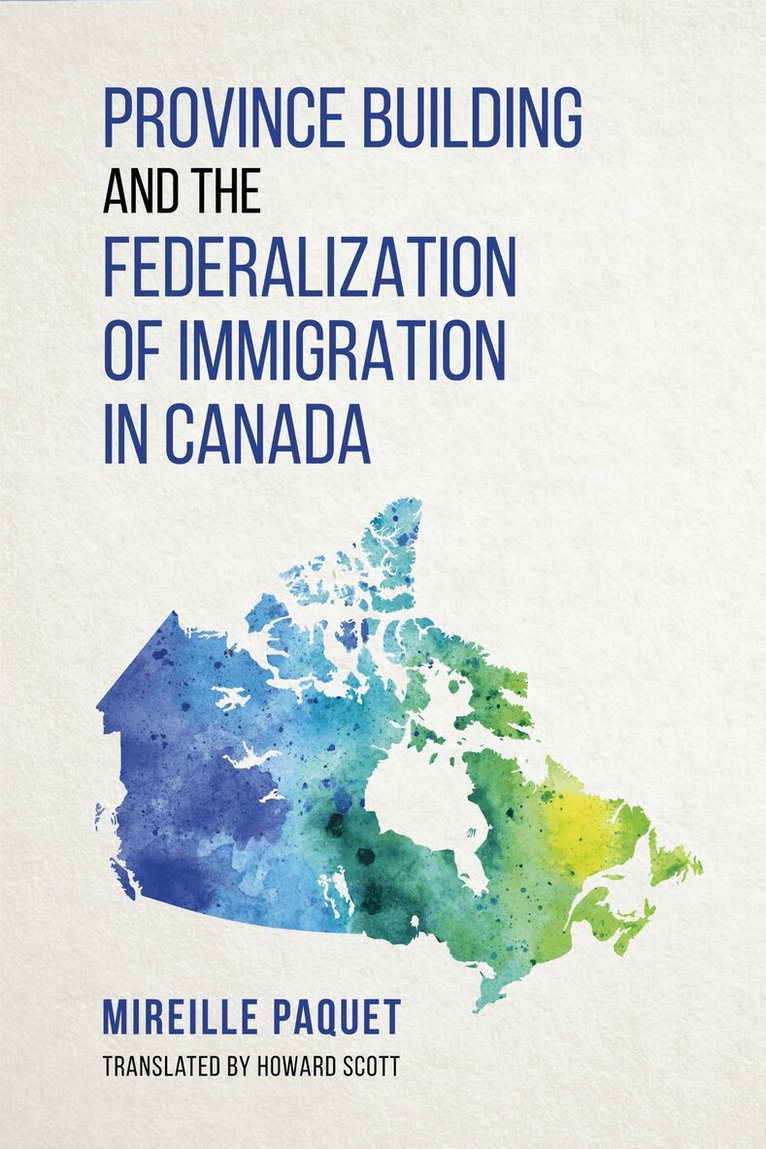
Most accounts of the provincial role in Canadian immigration focus on the experience of Quebec. In Province Building and the Federalization of Immigration in Canada, Mireille Paquet shows that, between 1990 and 2010, all ten provinces became closely involved in immigrant selection and integration. This considerable change to the Canadian model of immigration governance corresponds to a broader process of federalization of immigration, by which both orders of government became active in the management of immigration. While Canada maintains its overall positive approach to newcomers, the provinces developed, and continue to develop, their own formal immigration strategies and implement various selections and integration policies.
This book argues that the process of federalization is largely the result of provincial mobilization. In each province, mobilization occurred through a modern iteration of province building, this time focused on immigrants as resources for provincial economies and societies. Advocating for a province-centred analysis of federalism, Province Building and the Federalization of Immigration in Canada provides key lessons to understanding the contemporary governance of immigration in Canada.
831 kr
Läs direkt efter köp
Most accounts of the provincial role in Canadian immigration focus on the experience of Quebec. In Province Building and the Federalization of Immigration in Canada, Mireille Paquet shows that, between 1990 and 2010, all ten provinces became closely involved in immigrant selection and integration. This considerable change to the Canadian model of immigration governance corresponds to a broader process of federalization of immigration, by which both orders of government became active in the management of immigration. While Canada maintains its overall positive approach to newcomers, the provinces developed, and continue to develop, their own formal immigration strategies and implement various selections and integration policies.
This book argues that the process of federalization is largely the result of provincial mobilization. In each province, mobilization occurred through a modern iteration of province building, this time focused on immigrants as resources for provincial economies and societies. Advocating for a province-centred analysis of federalism, Province Building and the Federalization of Immigration in Canada provides key lessons to understanding the contemporary governance of immigration in Canada.
667 kr
Skickas inom 5-8 vardagar
256 kr
Kommande