Miriam A. Bibby - Böcker
Visar alla böcker från författaren Miriam A. Bibby. Handla med fri frakt och snabb leverans.
6 produkter
6 produkter
173 kr
Skickas
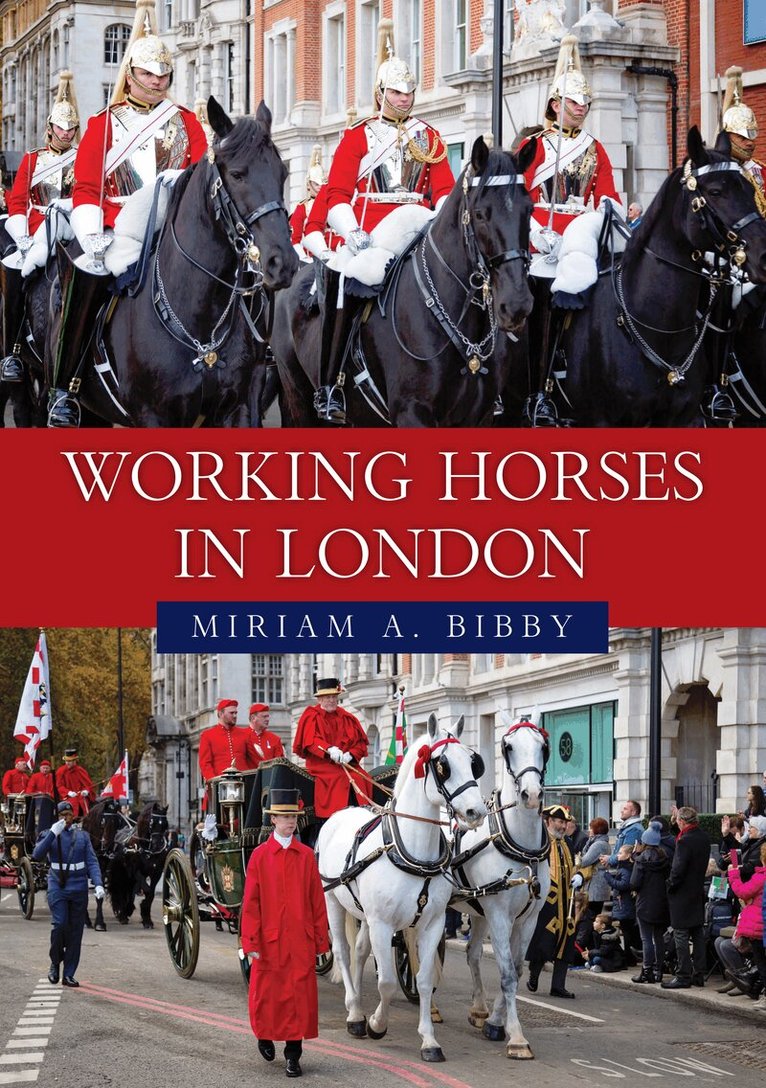
For centuries, London and its citizens relied on horses, donkeys and mules to provide the necessities and luxuries of life. There was scarcely an event or activity in England’s capital that did not in some way require equine support. A twelfth-century description of London’s most famous horse fair, Smithfield, shows the importance of the packhorses, swift palfreys, powerful warhorses and draught mares and their foals to the economy and social life of the city. Horses were still on sale at Southall Market in the early years of the twenty-first century. In Chaucer’s day, packhorses, as well as mounted knights, squires and merchants, clattered over London Bridge on their way to and from far-off places. In Tudor and Stuart times, horses displayed the power and authority of monarchs, mayors and senior clergy. In the eighteenth century, the Macaronis mounted on pretty ponies showed off in London’s parks. Meanwhile, malt, dray and draught horses continued to serve all classes of society. There were so many hard-working equines that people scarcely noticed their existence. Nineteenth-century London was still a city of the horse, despite the arrival of steam power. Horse-drawn coaches continued to pour into London inns until the 1840s and at the end of the century horse-drawn omnibuses, cabs, and trams were as necessary to London’s workers and commuters as the railways. Even today, horses can still be found working on London’s streets and in its parks. This is their story.
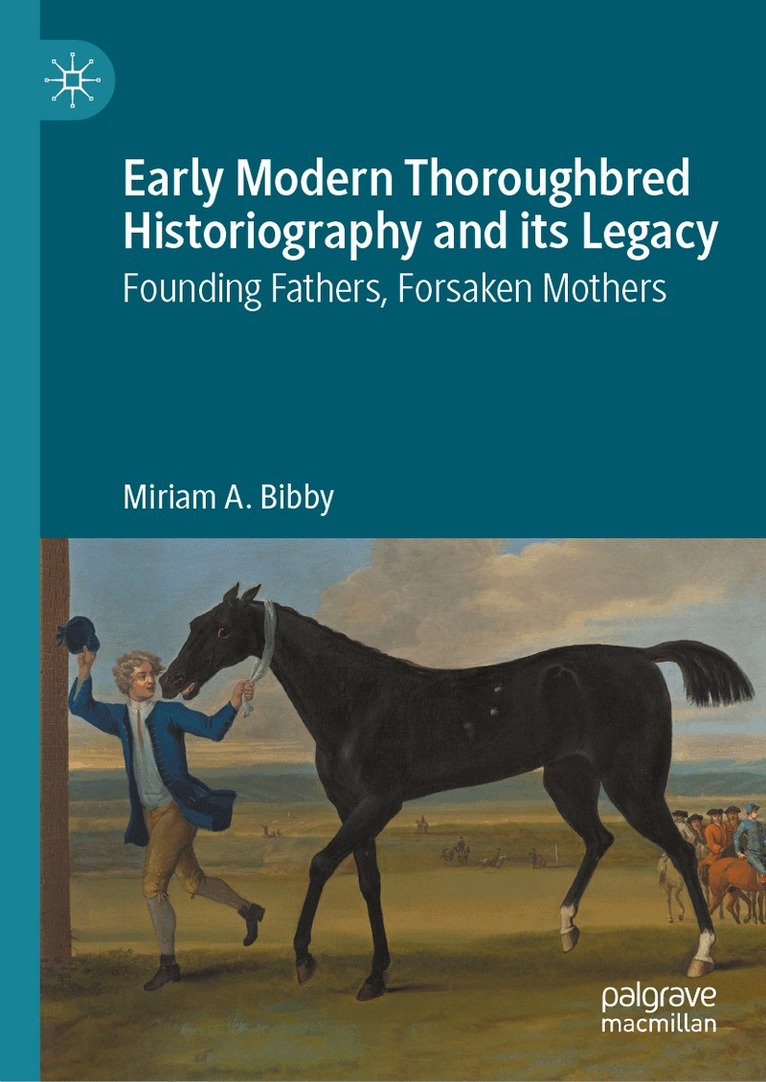
Early Modern Thoroughbred Historiography and its Legacy
Founding Fathers, Forsaken Mothers
Inbunden, Engelska, 2026
1 980 kr
Kommande
This book examines the semi-mythological status occupied by three foundation stallions of the Thoroughbred racehorse: the Byerley Turk, the Godolphin Arabian (or Barb), and the Darley Arabian. In the nineteenth century, it was pointed out that the winners of every significant British horse race were descendants of one of these three "Founding Fathers." This suggestion undoubtedly led to an increase in popularity of these stallions' descendants and encouraged development of their lines by wealthy and competitive racing enthusiasts. However, DNA research and historical investigations call the story of the "Founding Fathers" into question.This book interrogates this narrative and its enduring popularity. It argues that this tale is, in essence, a constructed patriarchal myth that serviced the dominant biblical, biological, social, and political hierarchy of the period of its emergence.
1 073 kr
Skickas inom 7-10 vardagar
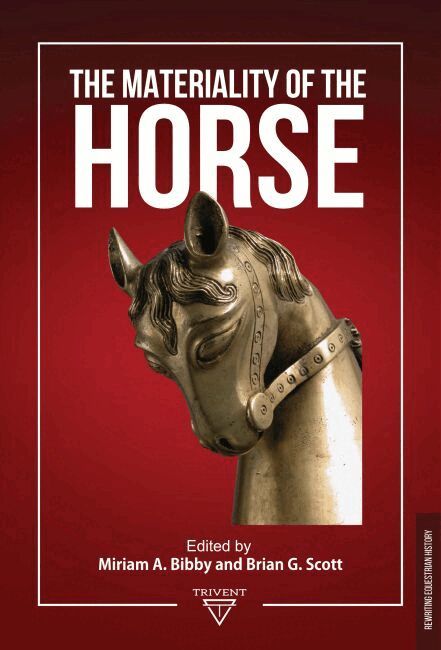
Inspired by our age-old fascination with equids, Materiality of the Horse brings the latest academic research in equine history to a wider readership. Themes examined within the book by specialist contributors include explorations of material culture relating to horses and what this discloses about the horse-human relationship; fresh observations on significant medieval horse-related texts from Europe and the Islamic world; and revealing insights into the effect of the introduction of horses into indigenous cultures in South America. Thought-provoking and original, Materiality of the Horse is the second volume in Trivent Publishing's innovative Rewriting Equestrian History series.
1 181 kr
Skickas inom 7-10 vardagar
In Saints and Sinners on Horseback Volume I we meet saints, sinners, and their horses, mules, and donkeys on the road. Whether saint, sinner, or simply all too human, the medieval individual's connection to equids reflected relationships with other animals, the rest of humanity, and with the deity. Knowledge of horses permeated hagiographies and homilies, histories and biographies. Equids were recruited in commentaries on morality and Christian duty. In a world in which equids are not so readily encountered, Saints and Sinners on Horseback informs the modern reader about the essential part played by horses in medieval life, literature, and belief.
1 356 kr
Skickas inom 7-10 vardagar
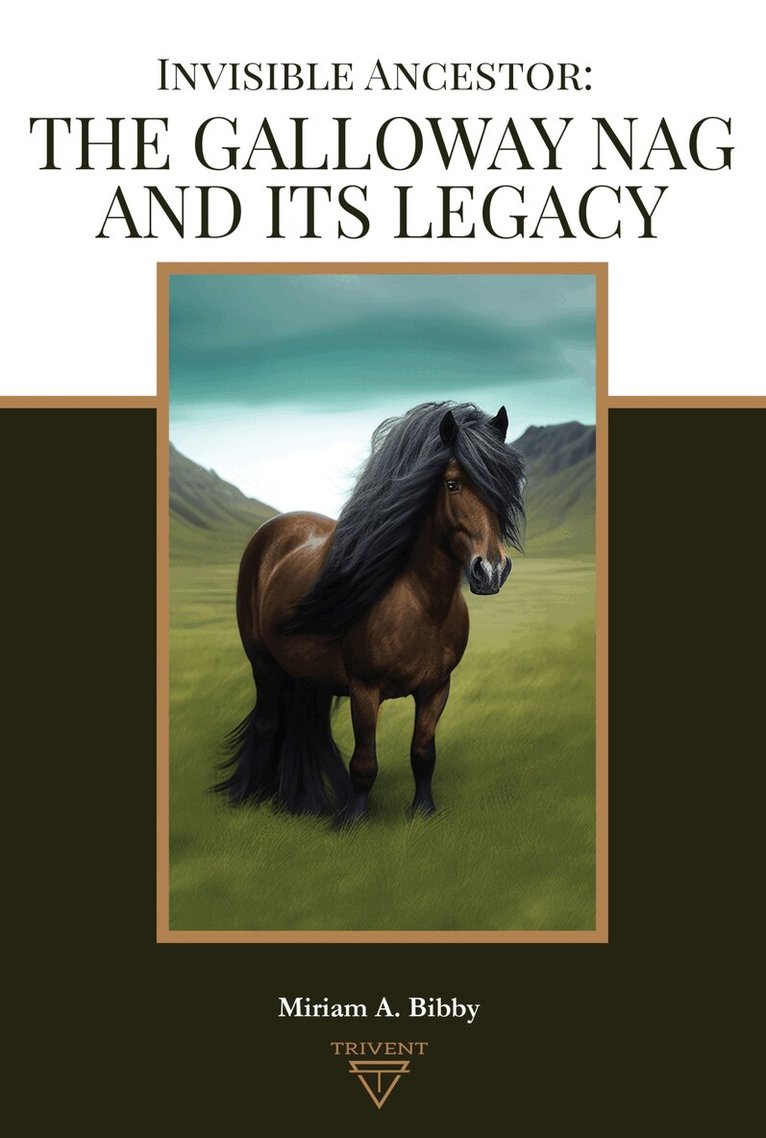
The outstanding qualities of the Galloway horse landrace are referenced in literary sources from the late sixteenth century onwards. Brief, but eloquent and revealing allusions appear in the work of William Shakespeare, Thomas Dekker, Ben Jonson, and other writers with connections to the Tudor, Stuart, Caroline, and Carolean courts. The Galloway nag was sufficiently influential for its name to become a generic widely applied to small horses of a certain type: speedy, enduring, and reliable. This is still the case in the north of England and Australia, where the terms "Gallowa" and "Galloway" continue to be used today. The Galloway contributed to a surprising number of modern horse breeds, including the Thoroughbred, yet few people are aware of its influence. Miriam A. Bibby shows how and why its contribution has been overwritten by other narratives. In doing so, she also reveals previously unexplored sources that indicate the complex role played by the imagined Galloway in Anglo-Scottish relations. Collectively these represent a unique new genre of commentary that she identifies as "Galloway Nag Satire." This is the first major study devoted to the history of the Galloway horse.
695 kr
Skickas inom 7-10 vardagar
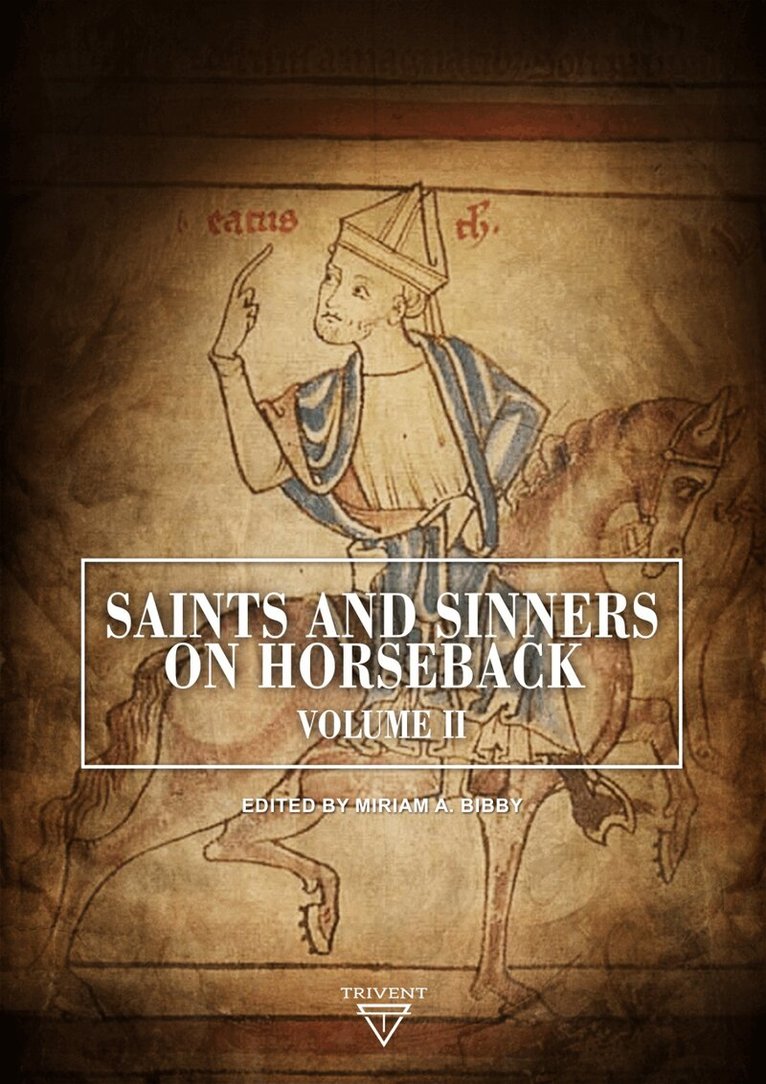
The second volume of Saints and Sinners on Horseback introduces new equine and human characters whose lives and deaths continue to have social, cultural, and religious influence centuries after their time on earth. Humans record their own deeds, but sometimes forget to honour the horses who made their successes possible. This volume recognises the unnamed equids who exertan influence over the human mind in compelling ways. Equally, the names of some individual horses ring down through the ages, whether for their heroism or as symbols for justice and injustice. Where horses meet humans, religion, magic, and the supernatural are never far away, creating a rich fund of stories for Saints and Sinners on Horseback.