Miriam Bak McKenna – författare
Visar alla böcker från författaren Miriam Bak McKenna. Handla med fri frakt och snabb leverans.
4 produkter
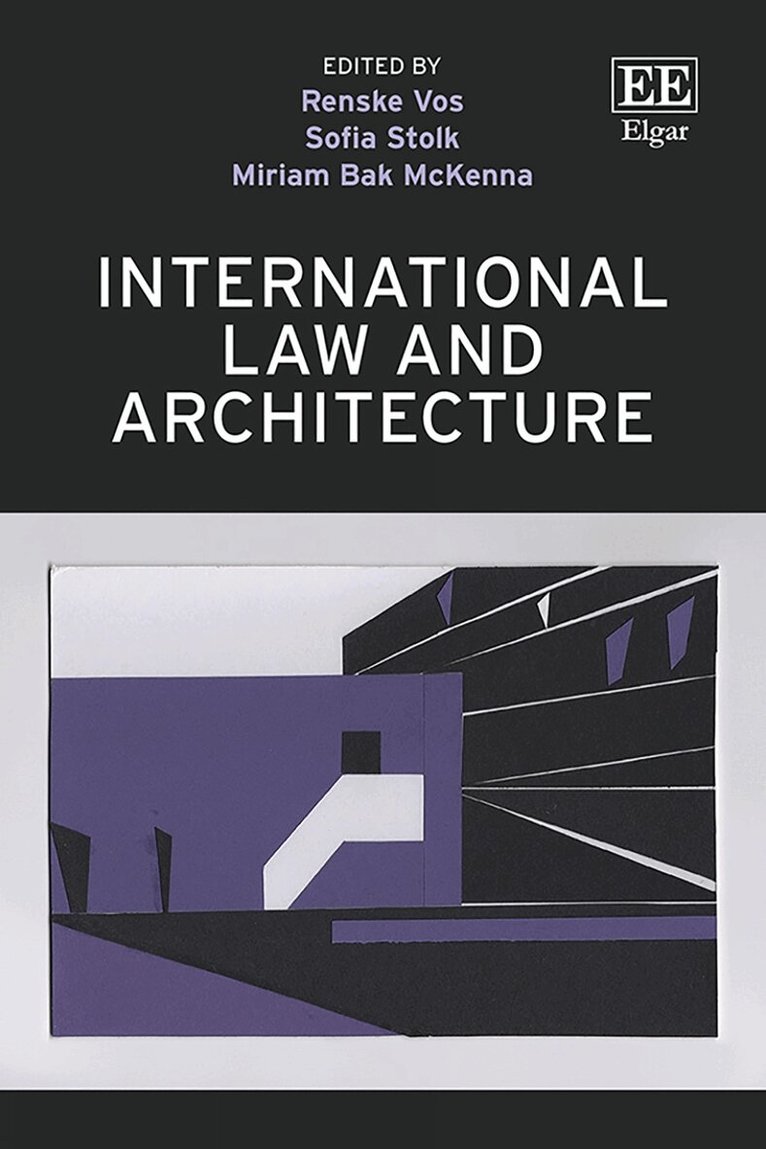
International Law and Architecture
Av Renske Vos, Sofia Stolk m. fl.
Inbunden, 2025
2152 kr
Lägg i varukorg
Through eye-catching design or bureaucratic functionality, buildings make international law tangible for its practitioners, audiences and constituencies. This compelling book furthers our understanding of the impact of architecture on the field of international law with imagination and …
International Law and Architecture
Av Miriam Bak McKenna, Sofia Stolk m. fl.
E-bok, 2025
422 kr
Lägg i varukorg
Through eye-catching design or bureaucratic functionality, buildings make international law tangible for its practitioners, audiences and constituencies. This compelling book furthers our understanding of the impact of architecture on the field of international law with imagination and …
International Law and Architecture
Av Miriam Bak McKenna, Sofia Stolk m. fl.
E-bok, 2025
422 kr
Lägg i varukorg
Through eye-catching design or bureaucratic functionality, buildings make international law tangible for its practitioners, audiences and constituencies. This compelling book furthers our understanding of the impact of architecture on the field of international law with imagination and …
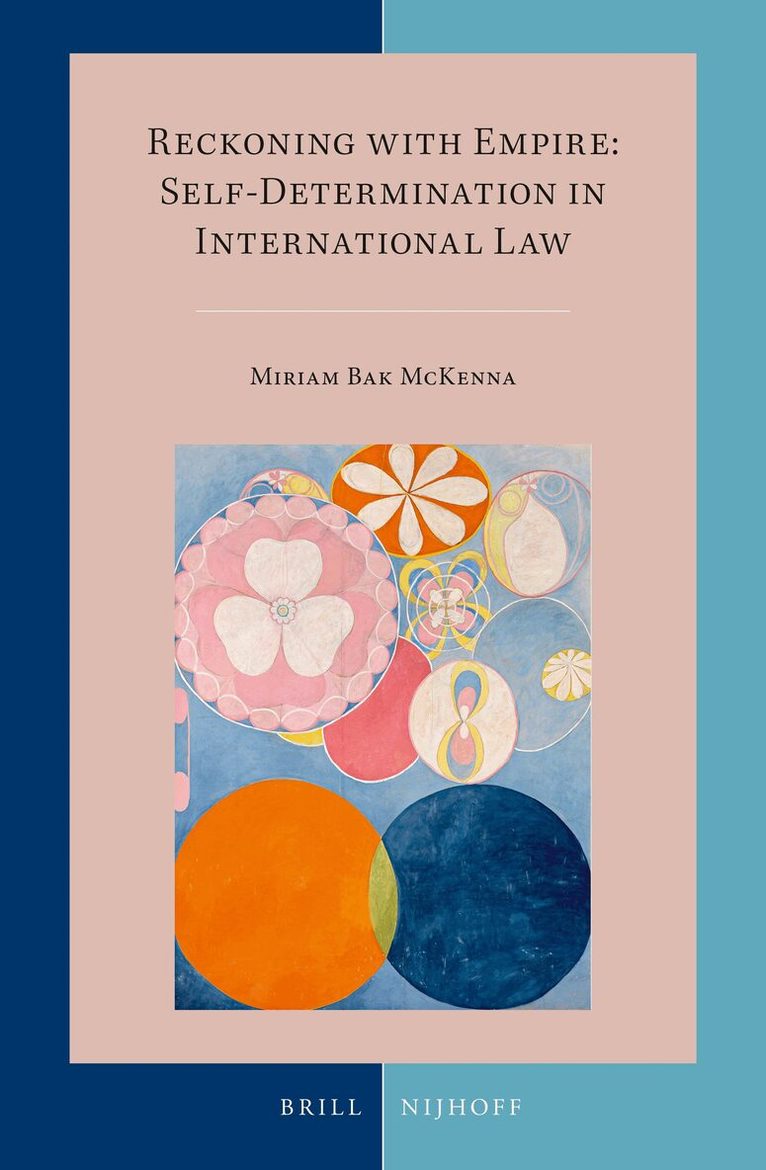
Reckoning with Empire: Self-Determination in International Law
Inbunden, 2022
2376 kr
Lägg i varukorg
The book adopts a new approach to self-determination’s international legal history, tracing the ways in which various actors have sought to reinvent self-determination in different juridical, political, and economic iterations to create the conditions for global transformation. The value of the …