Miriam Brody – författare
Visar alla böcker från författaren Miriam Brody. Handla med fri frakt och snabb leverans.
4 produkter
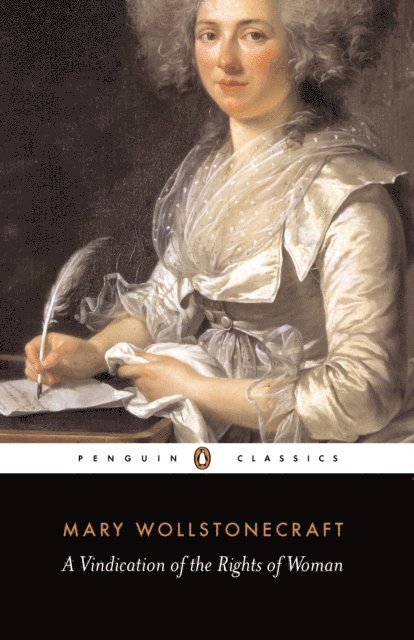
Vindication of the Rights of Woman
Av Mary Wollstonecraft, Miriam Brody
Häftad, 2004
149 kr
Lägg i varukorg
Writing in an age when the call for the rights of man had brought revolution to America and France, Mary Wollstonecraft produced her own declaration of female independence in 1792. Passionate and forthright, A Vindication of the Rights of Woman attacked the prevailing view of docile, decorative …
Prison Blossoms
Anarchist Voices from the American Past
Av Alexander Berkman, Henry Bauer m. fl.
Inbunden, 2011
443 kr
Lägg i varukorg
In 1892, unrepentant anarchists Alexander Berkman, Henry Bauer, and Carl Nold were sent to the Western Pennsylvania State Penitentiary for the attempted assassination of steel tycoon Henry Clay Frick. Searching for a way to continue their radical politics and to proselytize among their fellow …
Vindication of the Rights of Woman
Av Mary Wollstonecraft, Miriam Brody
E-bok, 2004
108 kr
Lägg i varukorg
'She is alive and active - we hear her voice and trace her influence even now' Virginia WoolfWriting in an age when the call for the rights of man had brought revolution to America and France, Mary Wollstonecraft produced her own declaration of female independence in 1792. Passionate and …
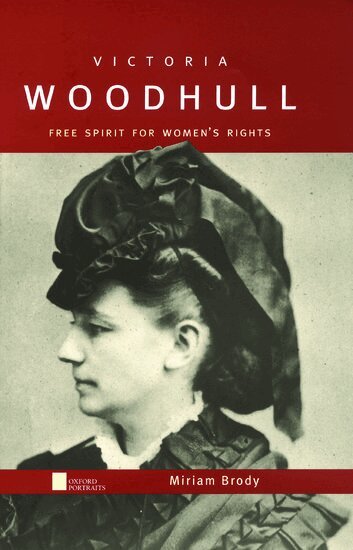
Victoria Woodhull
Free Spirit for Women's Rights
Av Miriam Brody
Inbunden, 2004
362 kr
Lägg i varukorg
At a time when women were regarded as second-class citizens, Victoria Woodhull (1838-1927) led a life of many "firsts." She was the first woman stockbroker, the first woman to speak before Congress, and the first woman to run for President of the United States.