Miriam Haddu – författare
Visar alla böcker från författaren Miriam Haddu. Handla med fri frakt och snabb leverans.
5 produkter
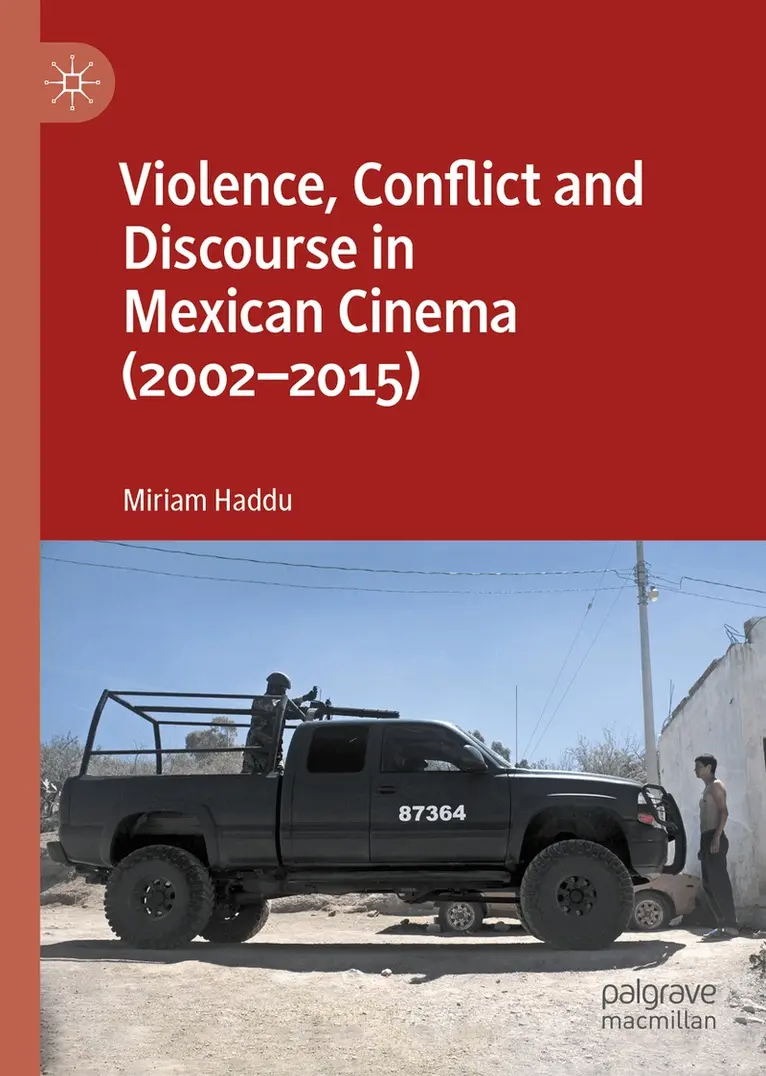
Violence, Conflict and Discourse in Mexican Cinema (2002-2015)
Av Miriam Haddu
Inbunden, 2022
1344 kr
Lägg i varukorg
The last two decades have seen dramatic changes to Mexico’s socio-political landscape. A former president fleeing into exile, political assassinations, a rebellion in Chiapas, and the eruption of the so-called war on drugs provide key examples of critical events shaping the nation. This book …
Violence, Conflict and Discourse in Mexican Cinema (2002-2015)
Av Miriam Haddu
E-bok, 2022
1962 kr
Lägg i varukorg
The last two decades have seen dramatic changes to Mexico’s socio-political landscape. A former president fleeing into exile, political assassinations, a rebellion in Chiapas, and the eruption of the so-called war on drugs provide key examples of critical events shaping the nation. This book …
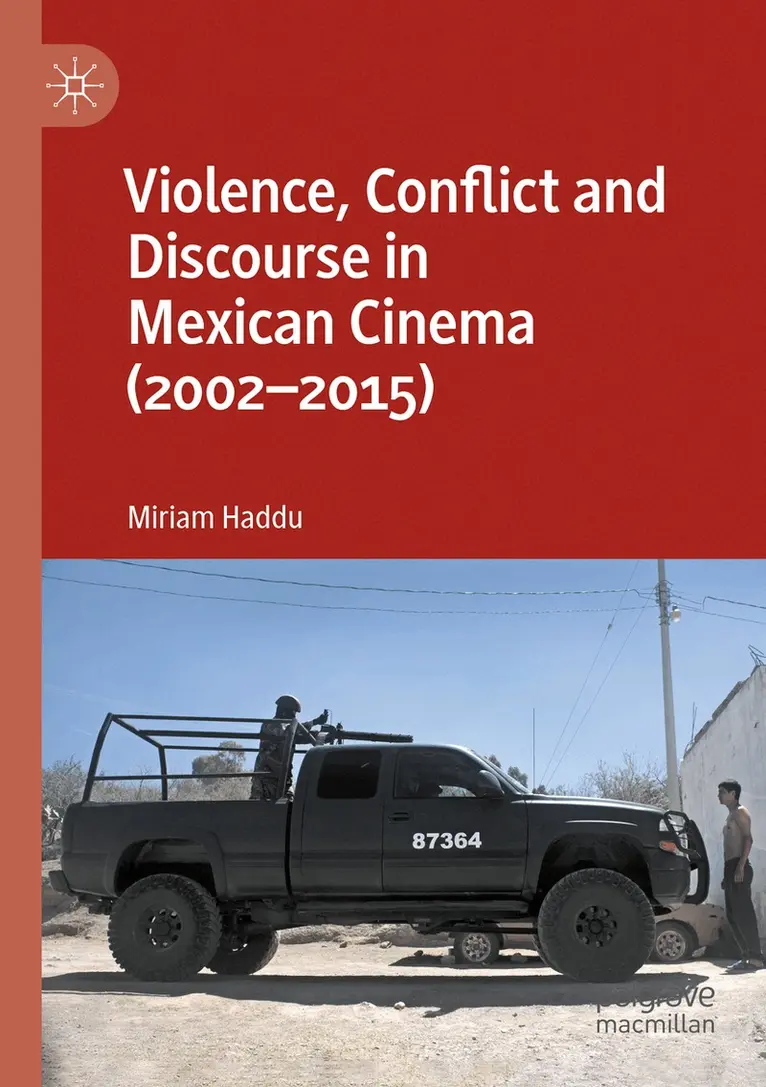
Violence, Conflict and Discourse in Mexican Cinema (2002-2015)
Av Miriam Haddu
Häftad, 2024
1344 kr
Lägg i varukorg
The last two decades have seen dramatic changes to Mexico’s socio-political landscape. A former president fleeing into exile, political assassinations, a rebellion in Chiapas, and the eruption of the so-called war on drugs provide key examples of critical events shaping the nation. This book …
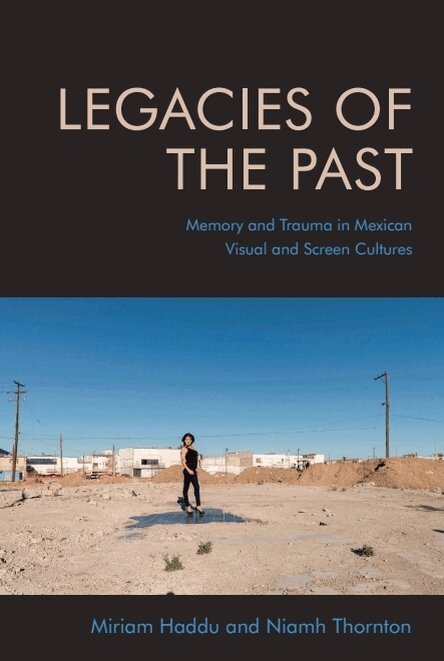
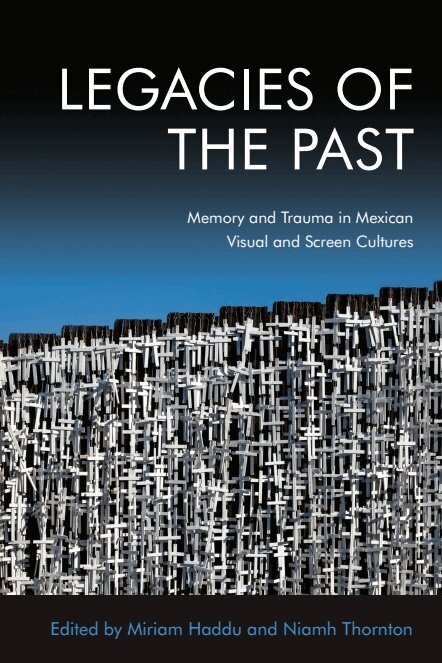
Legacies of the Past
Memory and Trauma in Mexican Visual and Screen Cultures
Av Niamh Thornton, Miriam Haddu
Inbunden, 2020
1305 kr
Lägg i varukorg
Riven with unresolved traumas and appropriated by successive governments, the past haunts spaces in Mexican film and visual culture. These events, without consensus or a singular/unifying narrative, act like spectres haunting the present. To comprehend how they manifest, Legacies of the Past …
Legacies of the Past
Memory and Trauma in Mexican Visual and Screen Cultures
Av Niamh Thornton, Miriam Haddu
Häftad, 2022
548 kr
Lägg i varukorg
Riven with unresolved traumas and appropriated by successive governments, the past haunts spaces in Mexican film and visual culture. These events, without consensus or a singular/unifying narrative, act like spectres haunting the present. To comprehend how they manifest, Legacies of the Past …