Miroslaw Granat – författare
Visar alla böcker från författaren Miroslaw Granat. Handla med fri frakt och snabb leverans.
8 produkter
Constitutionality of Law without a Constitutional Court
A View from Europe
E-bok, 2023
701 kr
Lägg i varukorg
This book analyses the problem of the possibility of guaranteeing the constitutionality of law in cases when a constitutional court either has been weakened or does not exist. A starting point of the research is the emergence of the so-called illiberal constitutionalism in several states, namely …
Constitutionality of Law without a Constitutional Court
A View from Europe
E-bok, 2023
701 kr
Lägg i varukorg
This book analyses the problem of the possibility of guaranteeing the constitutionality of law in cases when a constitutional court either has been weakened or does not exist. A starting point of the research is the emergence of the so-called illiberal constitutionalism in several states, namely …
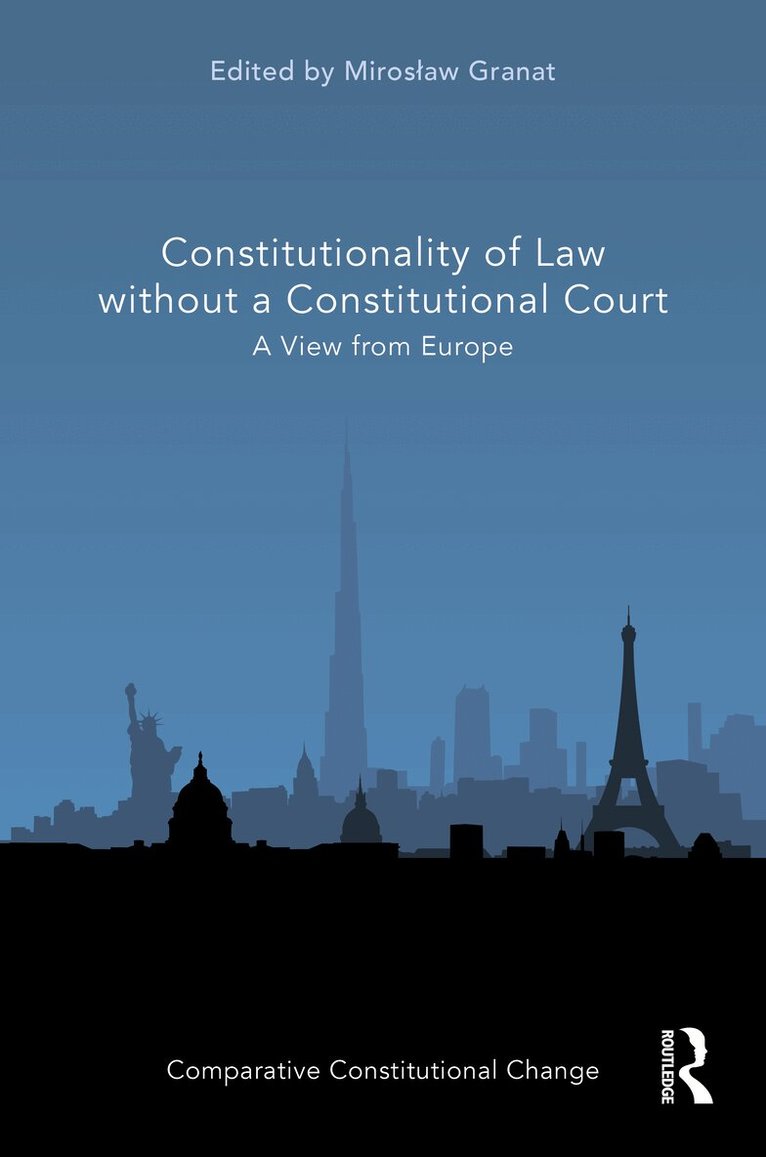
Constitutionality of Law without a Constitutional Court
A View from Europe
Inbunden, 2023
2311 kr
Lägg i varukorg
This book analyses the problem of the possibility of guaranteeing the constitutionality of law in cases when a constitutional court either has been weakened or does not exist. A starting point of the research is the emergence of the so-called illiberal constitutionalism in several states, namely …
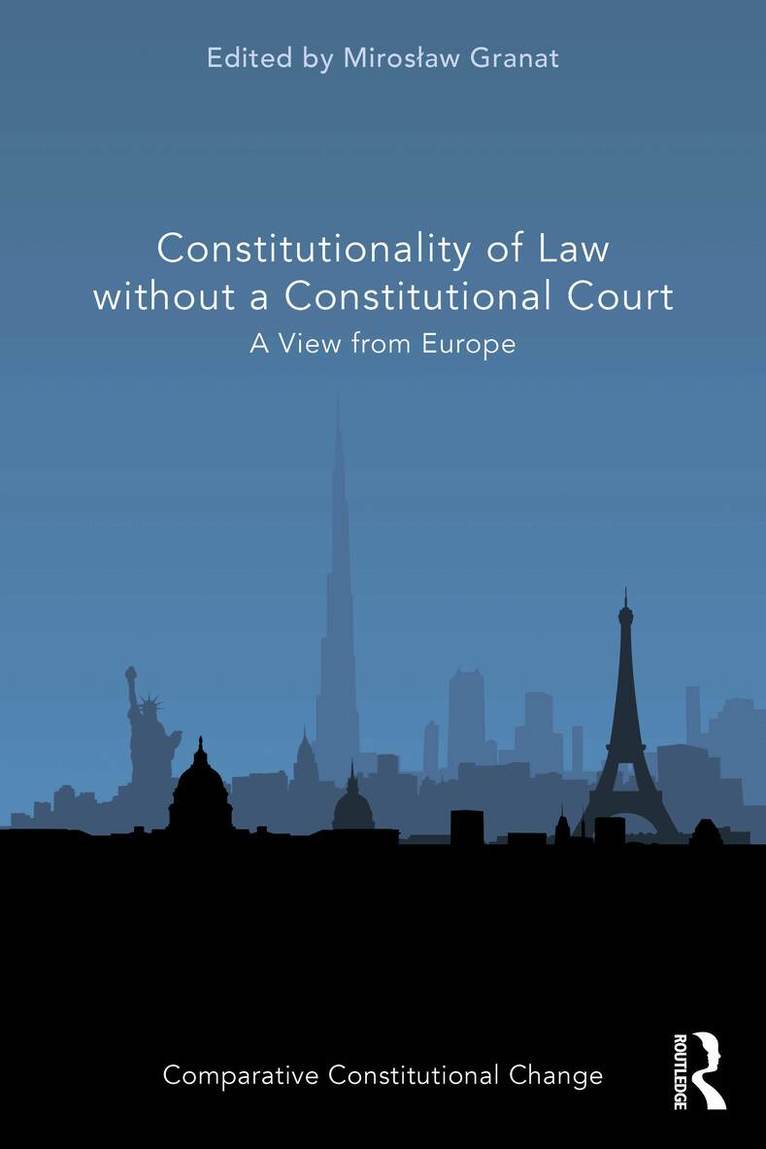
Constitutionality of Law without a Constitutional Court
A View from Europe
Häftad, 2024
596 kr
Lägg i varukorg
This book analyses the problem of the possibility of guaranteeing the constitutionality of law in cases when a constitutional court either has been weakened or does not exist. A starting point of the research is the emergence of the so-called illiberal constitutionalism in several states, namely …
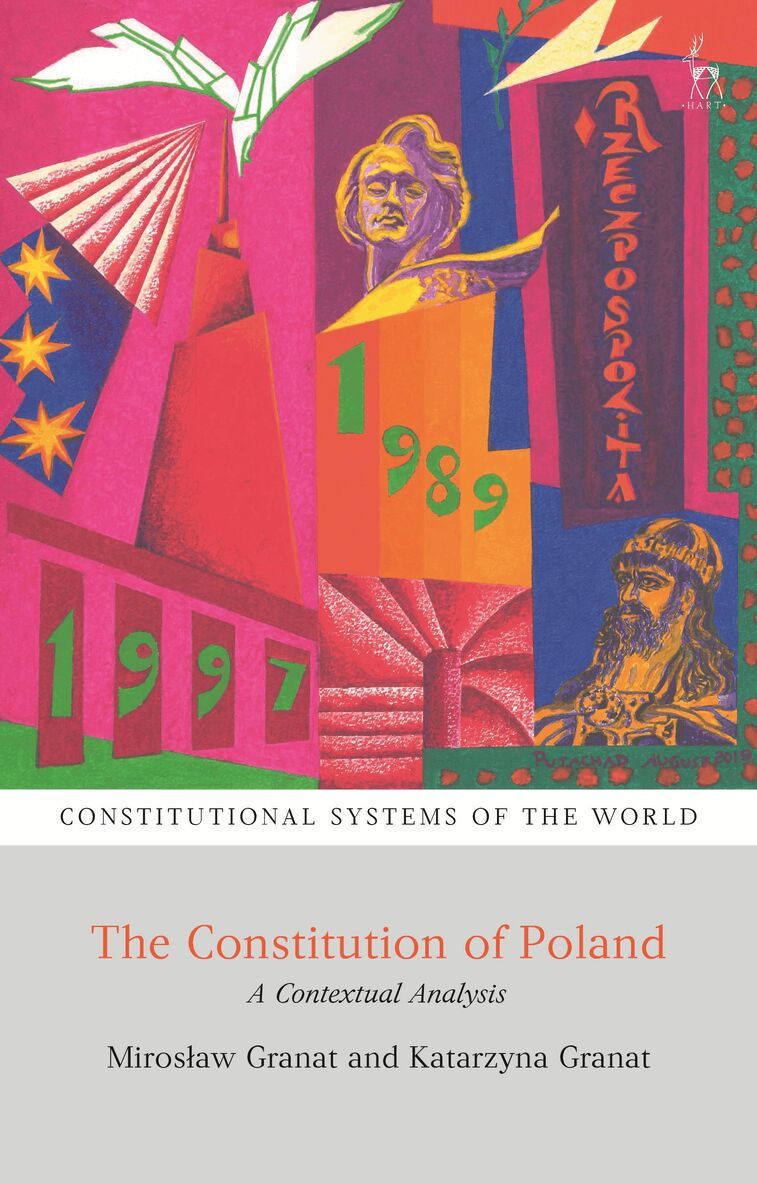
Constitution of Poland
A Contextual Analysis
Av Miroslaw Granat, Katarzyna Granat m. fl.
Inbunden, 2019
1245 kr
Lägg i varukorg
This book focuses on the Polish Constitution of 1997, concentrating on its structure, its substance and some of the institutional choices made by the drafters. The core of the Constitution is similar to other liberal democratic constitutions, but, in addition, it regulates a number of issues – such …
Constitution of Poland
A Contextual Analysis
Av Miroslaw Granat, Katarzyna Granat
E-bok, 2019
561 kr
Lägg i varukorg
This book focuses on the Polish Constitution of 1997, concentrating on its structure, its substance and some of the institutional choices made by the drafters. The core of the Constitution is similar to other liberal democratic constitutions, but, in addition, it regulates a number of issues – such …
Constitution of Poland
A Contextual Analysis
Av Miroslaw Granat, Katarzyna Granat
E-bok, 2019
574 kr
Lägg i varukorg
This book focuses on the Polish Constitution of 1997, concentrating on its structure, its substance and some of the institutional choices made by the drafters. The core of the Constitution is similar to other liberal democratic constitutions, but, in addition, it regulates a number of issues – such …
Constitution of Poland
A Contextual Analysis
Av Miroslaw Granat, Katarzyna Granat m. fl.
Häftad, 2021
528 kr
Lägg i varukorg
This book focuses on the Polish Constitution of 1997, concentrating on its structure, its substance and some of the institutional choices made by the drafters. The core of the Constitution is similar to other liberal democratic constitutions, but, in addition, it regulates a number of issues – such …