E-bok
PDF, Engelska, 202254 kr
Läs direkt efter köp
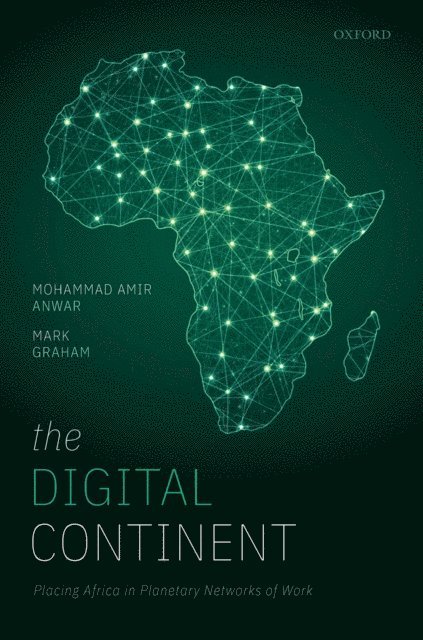
This is an open access title available under the terms of a CC BY-NC-ND 4.0 International licence. It is free to read at Oxford Scholarship Online and offered as a free PDF download from OUP and selected open access locations. As recently as the early 2010s, there were more internet users in countries like France or Germany than in all of Africa put together. But much changed in that decade, and 2018 marked the first year in human history in which a majority of the world''s population is now connected to the internet. This mass connectivity means that we have an internet that no longer connects only the world''s wealthy. Workers from Lagos to Johannesburg to Nairobi, and everywhere in between, can now apply for and carry out jobs coming from clients who themselves can be located anywhere in the world. Digital outsourcing firms can now also set up operations in the most unlikely of places in order to tap into hitherto disconnected labour forces. With CEOs in the Global North proclaiming that location is a concern of the past, and governments and civil society in Africa promising to create millions of jobs on the continent, The Digital Continent investigates what this new world of digital work means to the lives of African workers. Anwar and Graham draw on a five-year-long field study in South Africa, Kenya, Nigeria, Ghana, and Uganda, and over 200 interviews conducted with participants including gig workers, call and contact centre workers, small self-employed freelancers, business owners, government officials, labour union officials, and industry experts. Focusing on both platform-based remote work and call and contact centre work, the book examines the job quality implications of digital work for the lives and livelihoods of African workers.