Molly C. Ball – författare
Visar alla böcker från författaren Molly C. Ball. Handla med fri frakt och snabb leverans.
4 produkter
4 produkter
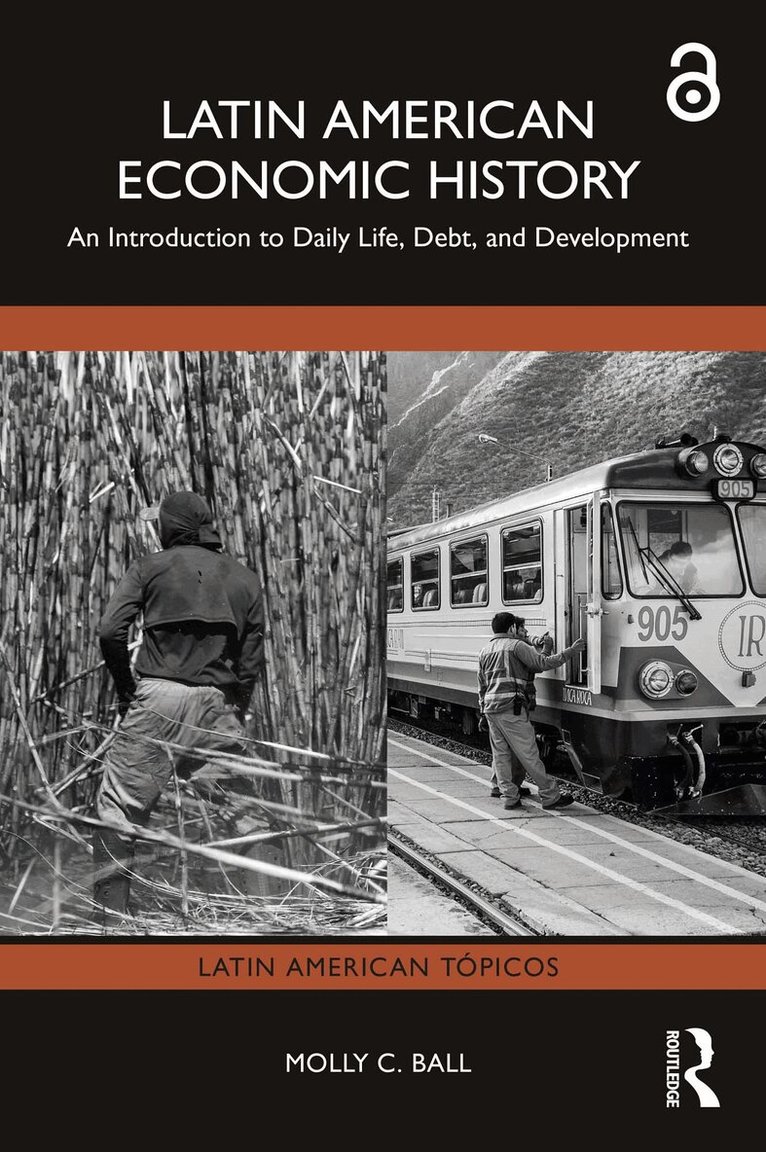
Latin American Economic History
An Introduction to Daily Life, Debt, and Development
Häftad, Engelska, 2024
581 kr
Skickas inom 10-15 vardagar
Latin American Economic History: An Introduction to Daily Life, Debt, and Development guides readers through significant features and developments in the region’s economic history from independence through 2022.In approachable language, the book introduces readers to relevant New Economic History concepts and explains important characteristics of Latin America, such as the region’s high volatility, rapid urbanization experience, the continued prominence of commodities, and its culture of informality. The volume provides explicit connections between culture, politics, and economics over five distinct time periods. Readers will learn how Cinco de Mayo featured in foreign debt repayments in the nineteenth century, how novels like Gabriel García Márquez’s One Hundred Years of Solitude reflected on the expansion of railroads during a period of export-led growth, and how a United States federal reserve interest hike in 1979 sent the region into the Lost Decade. When considered collectively, the region’s economic trajectory demonstrates that development does not always accompany economic growth.This is an accessible introductory text with clear definitions and discussions of relevant economic concepts, which will be a valuable resource for students of Latin American economic, cultural, and political history.The Open Access version of this book, available at http://www.taylorfrancis.com, has been made available under a Creative Commons Attribution-Non Commercial-No Derivatives (CC-BY-NC-ND) 4.0 license.
Latin American Economic History
An Introduction to Daily Life, Debt, and Development
Inbunden, Engelska, 2024
2 036 kr
Skickas inom 10-15 vardagar
Latin American Economic History: An Introduction to Daily Life, Debt, and Development guides readers through significant features and developments in the region’s economic history from independence through 2022.In approachable language, the book introduces readers to relevant New Economic History concepts and explains important characteristics of Latin America, such as the region’s high volatility, rapid urbanization experience, the continued prominence of commodities, and its culture of informality. The volume provides explicit connections between culture, politics, and economics over five distinct time periods. Readers will learn how Cinco de Mayo featured in foreign debt repayments in the nineteenth century, how novels like Gabriel García Márquez’s One Hundred Years of Solitude reflected on the expansion of railroads during a period of export-led growth, and how a United States federal reserve interest hike in 1979 sent the region into the Lost Decade. When considered collectively, the region’s economic trajectory demonstrates that development does not always accompany economic growth.This is an accessible introductory text with clear definitions and discussions of relevant economic concepts, which will be a valuable resource for students of Latin American economic, cultural, and political history.The Open Access version of this book, available at http://www.taylorfrancis.com, has been made available under a Creative Commons Attribution-Non Commercial-No Derivatives (CC-BY-NC-ND) 4.0 license.
999 kr
Skickas inom 10-15 vardagar
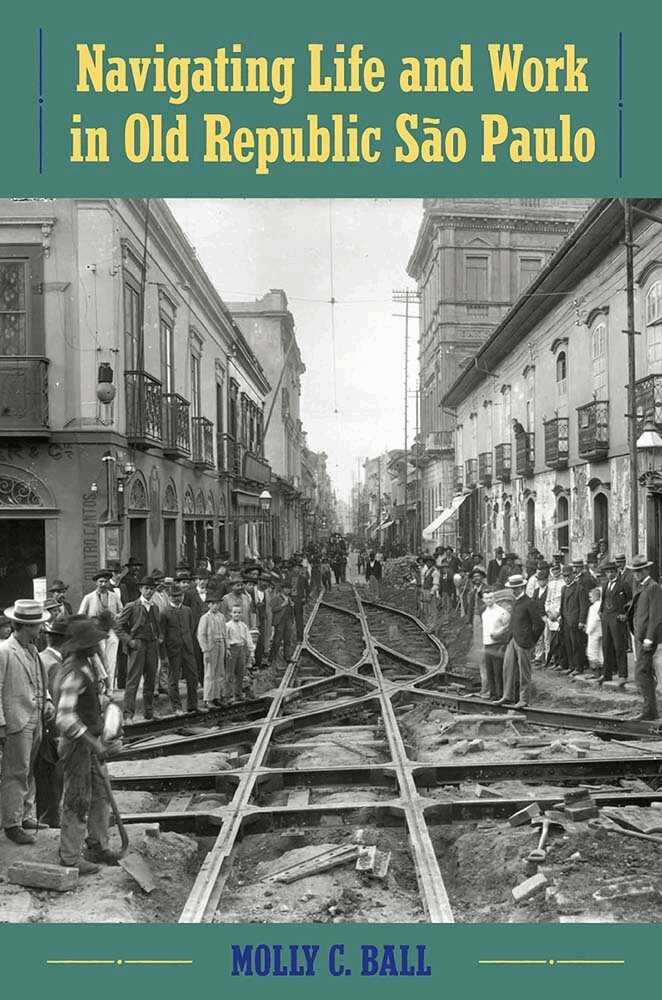
This volume examines the experiences of São Paulo's working class during Brazil's Old Republic (1891–1930), showing how individuals and families adapted to forces and events such as urbanization, discrimination, migration, and World War I. In this unique study, Ball combines social and economic methods to present a robust historical analysis of everyday life along racial, ethnic, national, and gender lines.Drawing from both statistical data and primary sources such as letters, newspapers, and interview transcripts, Ball demonstrates how the nation's coffee boom drew immigrants from Italy, Portugal, Germany, Lebanon, and northeastern Brazil. She examines the ways these workers responded to inflation; fluctuating immigration patterns; and labor market discrimination, which especially affected Afro-Brazilians, Portuguese, and women. This analysis emphasizes the family-centered nature of immigration to São Paulo in comparison with other immigrant destinations such as Buenos Aires and New York City.Ball's rich scholarship considers how the first World War exacerbated tensions and divisions within São Paulo's working class, which resulted in a deeply segmented labor market by the time Getúlio Vargas came to power in 1930. Shedding light on many reasons why Brazil experienced slower industrial innovation than other countries during this era, Ball provides invaluable context for the region's continued high inequality and sociocultural imbalances.
379 kr
Skickas inom 10-15 vardagar
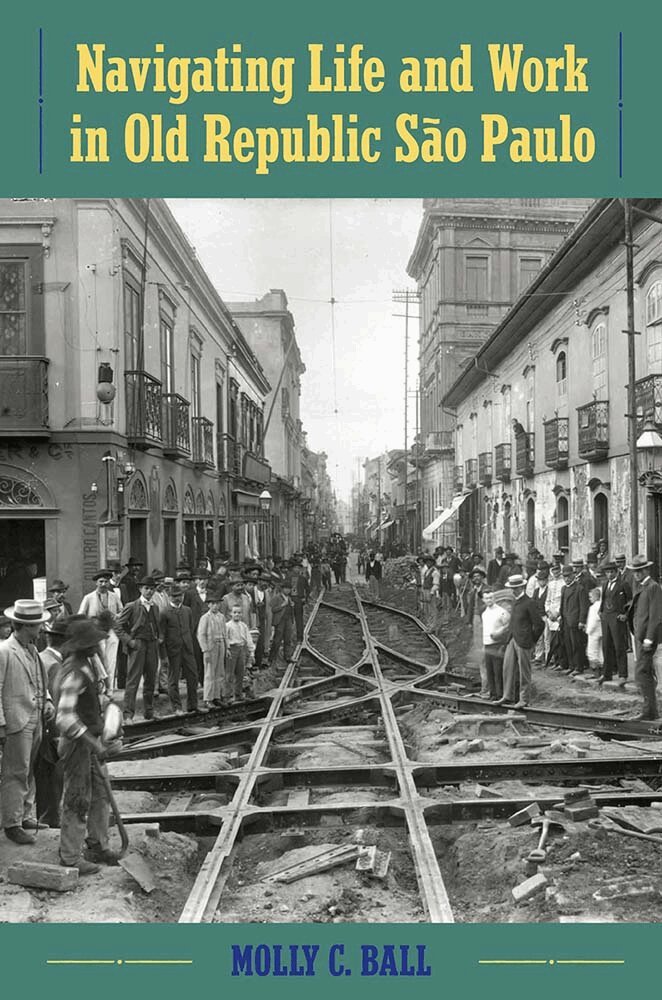
This volume examines the experiences of São Paulo's working class during Brazil's Old Republic (1891–1930), showing how individuals and families adapted to forces and events such as urbanization, discrimination, migration, and World War I. In this unique study, Ball combines social and economic methods to present a robust historical analysis of everyday life along racial, ethnic, national, and gender lines.Drawing from both statistical data and primary sources such as letters, newspapers, and interview transcripts, Ball demonstrates how the nation's coffee boom drew immigrants from Italy, Portugal, Germany, Lebanon, and northeastern Brazil. She examines the ways these workers responded to inflation; fluctuating immigration patterns; and labor market discrimination, which especially affected Afro-Brazilians, Portuguese, and women. This analysis emphasizes the family-centered nature of immigration to São Paulo in comparison with other immigrant destinations such as Buenos Aires and New York City.Ball's rich scholarship considers how the first World War exacerbated tensions and divisions within São Paulo's working class, which resulted in a deeply segmented labor market by the time Getúlio Vargas came to power in 1930. Shedding light on many reasons why Brazil experienced slower industrial innovation than other countries during this era, Ball provides invaluable context for the region's continued high inequality and sociocultural imbalances.