Moneer Alam – Författare
Visar alla böcker från författaren Moneer Alam. Handla med fri frakt och snabb leverans.
3 produkter
3 produkter
955 kr
Tillfälligt slut
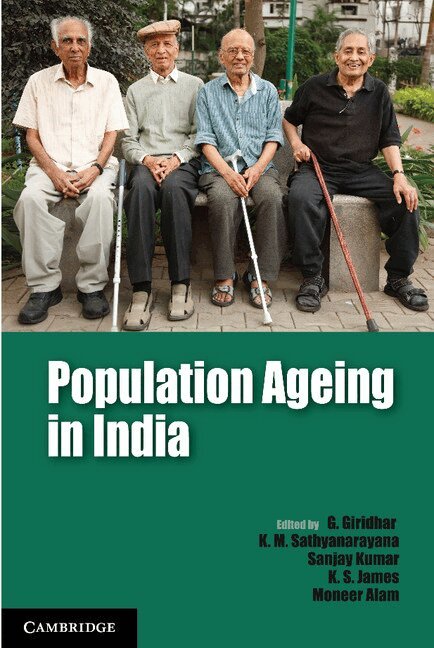
A major emerging demographic issue of the twenty-first century is the ageing of populations as an inevitable consequence of the demographic transition experienced by most countries. While all countries are experiencing growing proportions of the elderly, developing countries are currently ageing faster than developed countries. Population Ageing in India creates a holistic research base by looking at the demographics of the ageing population and reviewing existing studies. It delves deep into the socioeconomic layers of elderly health, work participation and contribution to income generation, national policy in practice and policy initiatives to ensure elderly wellbeing in other Asian countries. The shift of age composition to an older age structure has important implications for individuals, society as well as the country. Therefore, there is a need to promote harmony between development and demographic change by increasing the economic and social sources of support for the elderly.
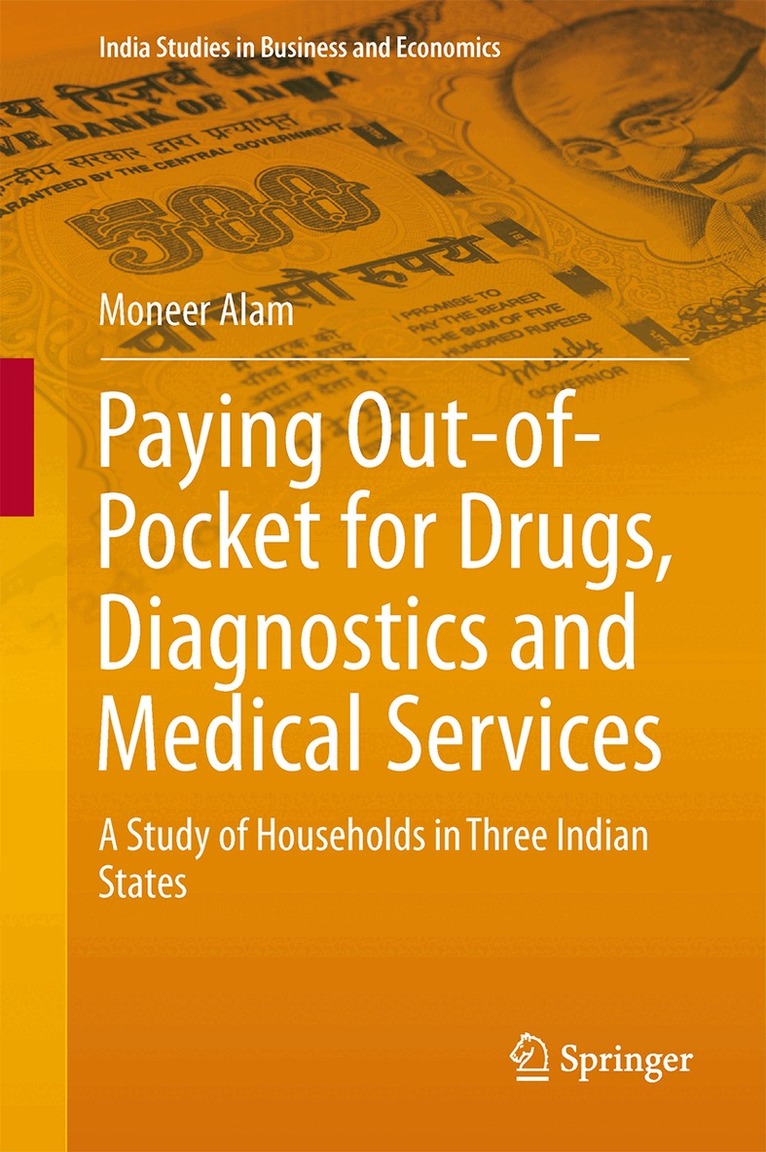
Paying Out-of-Pocket for Drugs, Diagnostics and Medical Services
A Study of Households in Three Indian States
Inbunden, Engelska, 2013
550 kr
Skickas inom 10-15 vardagar
In India there is a high incidence of morbidity and malnutrition coupled with low standards of public health and expensive medical care. Despite several policy initiatives and many attempts to promote a healthy society, health remains an issue of concern. Policy-makers recognise that the country suffers unacceptably high levels of disease and premature death. A 2005 report from the National Commission on Macroeconomics and Health (NCMH) claims that private out-of-pocket (OOP) health expenditure often has a catastrophic effect on the consumption of basic goods and services for low-income households, forcing many below the poverty line and often blocking private intergenerational flows, severely affecting family members including the co-residing elderly, especially women. As poverty, malnutrition and enormous disparities are widespread, particularly in rural areas and urban slums, reliance on private health providers is fraught with serious economic consequences. Disease prevalenceamong these groups is particularly high. The market plays an increasingly important role in delivering health and diagnostic services. Infrastructural bottlenecks faced by central, state and local government health services force public health service users to access private medical care and incur very high out-of-pocket (OOP) expenses. All these issues are in direct contradiction to India’s National Population Policy (2000) and National Health Policy (2002). This book highlights some of these neglected issues, and focuses largely on private expenditure on drugs and medicines for the treatment of ailments both with and without hospitalisation. It examines private OOP health expenditures in rural and urban households after breaking them down into the various healthcare service components including drugs and medicines (which constitute about 75 to 80 percent of OOP health expenditure), and assesses the extent of capital sample households borrow to finance medical expenditureand the effect on their basic food and non-food consumption requirements.
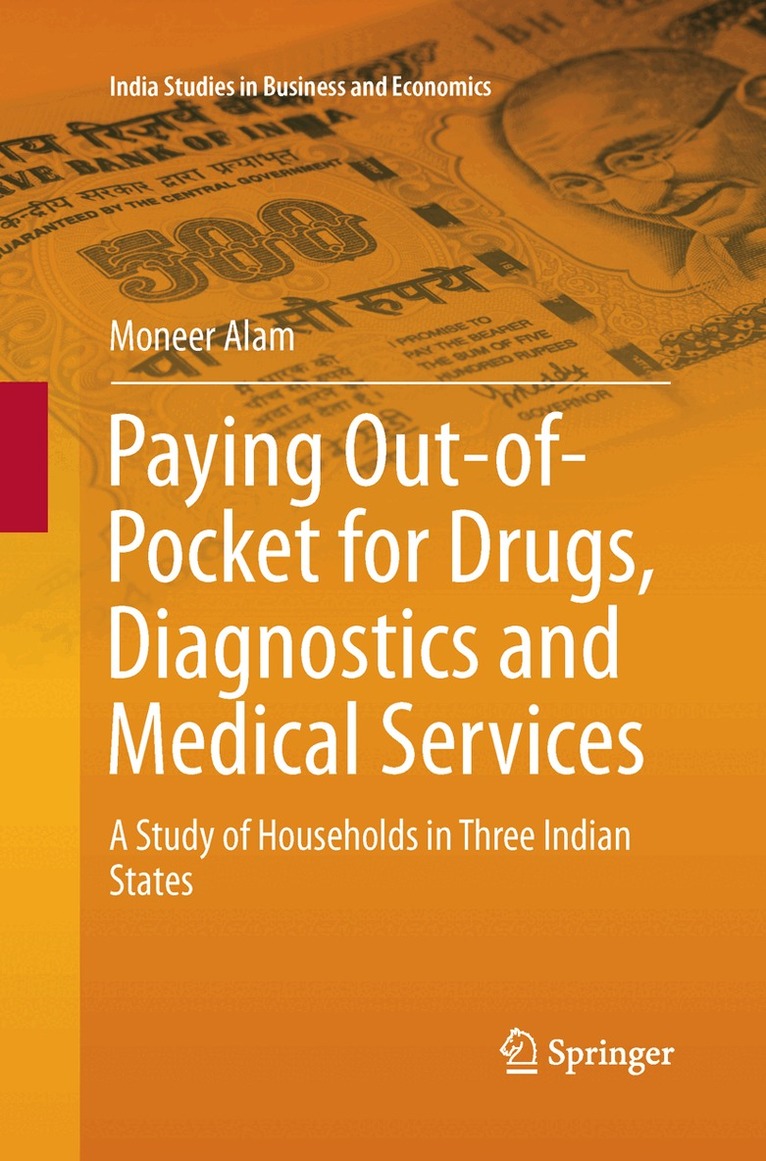
Paying Out-of-Pocket for Drugs, Diagnostics and Medical Services
A Study of Households in Three Indian States
Häftad, Engelska, 2015
550 kr
Skickas inom 10-15 vardagar
In India there is a high incidence of morbidity and malnutrition coupled with low standards of public health and expensive medical care. Despite several policy initiatives and many attempts to promote a healthy society, health remains an issue of concern. Policy-makers recognise that the country suffers unacceptably high levels of disease and premature death. A 2005 report from the National Commission on Macroeconomics and Health (NCMH) claims that private out-of-pocket (OOP) health expenditure often has a catastrophic effect on the consumption of basic goods and services for low-income households, forcing many below the poverty line and often blocking private intergenerational flows, severely affecting family members including the co-residing elderly, especially women. As poverty, malnutrition and enormous disparities are widespread, particularly in rural areas and urban slums, reliance on private health providers is fraught with serious economic consequences. Disease prevalenceamong these groups is particularly high. The market plays an increasingly important role in delivering health and diagnostic services. Infrastructural bottlenecks faced by central, state and local government health services force public health service users to access private medical care and incur very high out-of-pocket (OOP) expenses. All these issues are in direct contradiction to India’s National Population Policy (2000) and National Health Policy (2002). This book highlights some of these neglected issues, and focuses largely on private expenditure on drugs and medicines for the treatment of ailments both with and without hospitalisation. It examines private OOP health expenditures in rural and urban households after breaking them down into the various healthcare service components including drugs and medicines (which constitute about 75 to 80 percent of OOP health expenditure), and assesses the extent of capital sample households borrow to finance medical expenditureand the effect on their basic food and non-food consumption requirements.