Monica Garcia-Salmones Rovira – författare
Visar alla böcker från författaren Monica Garcia-Salmones Rovira. Handla med fri frakt och snabb leverans.
8 produkter
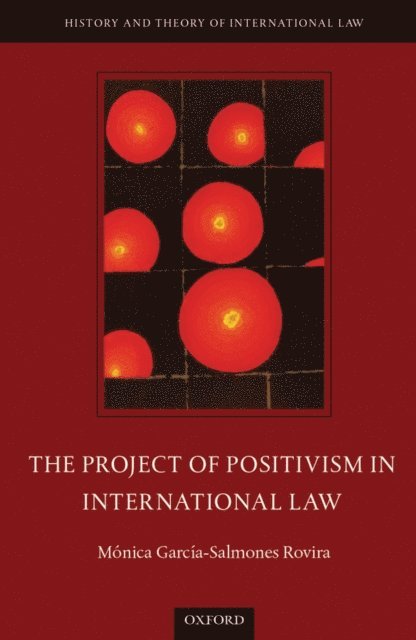
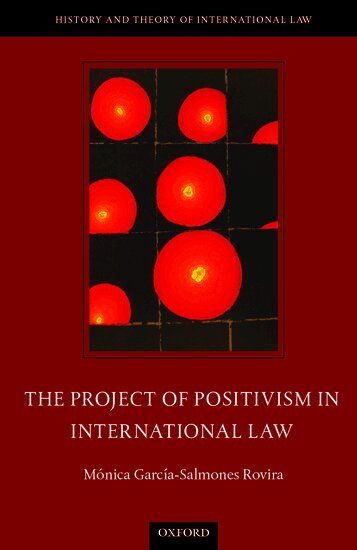
Project of Positivism in International Law
Av Monica Garcia-Salmones Rovira
E-bok, 2013
1206 kr
Lägg i varukorg
International legal positivism has been crucial to the development of international law since the nineteenth century. It is often seen as the basis of mainstream or traditional international legal thought. The Project of Positivism in International Law addresses this theory in the long-standing …
Project of Positivism in International Law
Av Monica Garcia-Salmones Rovira
E-bok, 2013
1670 kr
Lägg i varukorg
International legal positivism has been crucial to the development of international law since the nineteenth century. It is often seen as the basis of mainstream or traditional international legal thought. The Project of Positivism in International Law addresses this theory in the long-standing …
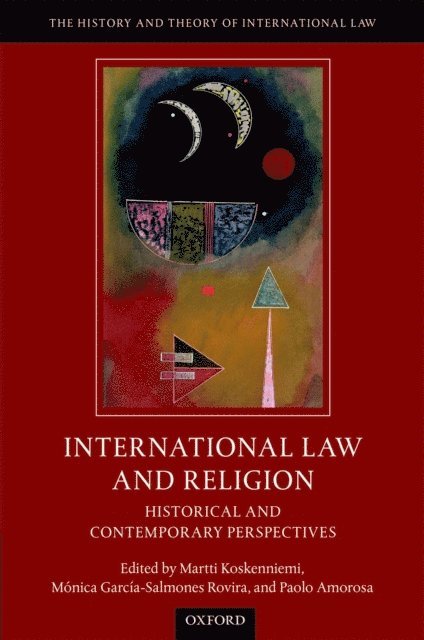
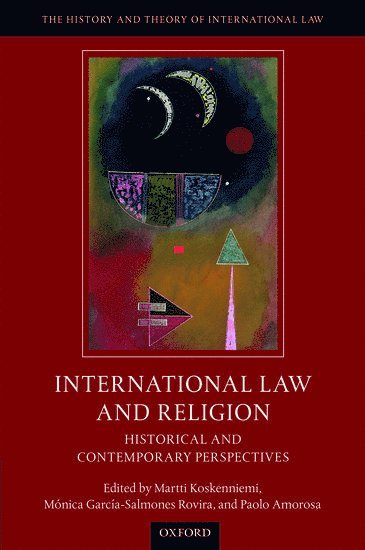
International Law and Religion
Historical and Contemporary Perspectives
Av Paolo Amorosa, Monica Garcia-Salmones Rovira m. fl.
E-bok, 2017
1434 kr
Lägg i varukorg
This books maps out the territory of international law and religion challenging received traditions in fundamental aspects. On the one hand, the connection of international law and religion has been little explored. On the other, most of current research on international legal thought presents …
International Law and Religion
Historical and Contemporary Perspectives
Av Paolo Amorosa, Monica Garcia-Salmones Rovira m. fl.
E-bok, 2017
1434 kr
Lägg i varukorg
This books maps out the territory of international law and religion challenging received traditions in fundamental aspects. On the one hand, the connection of international law and religion has been little explored. On the other, most of current research on international legal thought presents …
International Law and Religion
Historical and Contemporary Perspectives
Av Martti Koskenniemi, Mónica García-Salmones Rovira m. fl.
Inbunden, 2017
1679 kr
Lägg i varukorg
This books maps out the territory of international law and religion challenging received traditions in fundamental aspects. On the one hand, the connection of international law and religion has been little explored. On the other, most of current research on international legal thought presents …
The Project of Positivism in International Law
Av Mónica García-Salmones Rovira
Inbunden, 2013
2586 kr
Lägg i varukorg
International legal positivism has been crucial to the development of international law since the nineteenth century. It is often seen as the basis of mainstream or traditional international legal thought. The Project of Positivism in International Law addresses this theory in the long-standing …
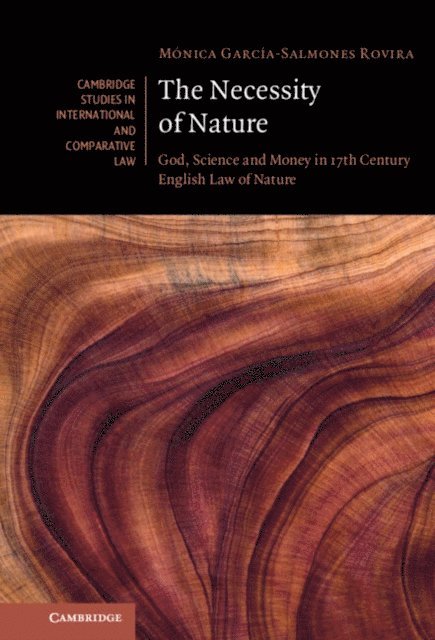
Necessity of Nature
God, Science and Money in 17th Century English Law of Nature
Av Monica Garcia-Salmones Rovira
E-bok, 2023
1964 kr
Lägg i varukorg
To understand our current world crises, it is essential to study the origins of the systems and institutions we now take for granted. This book takes a novel approach to charting intellectual, scientific and philosophical histories alongside the development of the international legal order by …
Necessity of Nature
God, Science and Money in 17th Century English Law of Nature
Av Monica Garcia-Salmones Rovira
E-bok, 2023
1922 kr
Lägg i varukorg
To understand our current world crises, it is essential to study the origins of the systems and institutions we now take for granted. This book takes a novel approach to charting intellectual, scientific and philosophical histories alongside the development of the international legal order by …