Monica H. Green – författare
Visar alla böcker från författaren Monica H. Green. Handla med fri frakt och snabb leverans.
12 produkter
Trotula
An English Translation of the Medieval Compendium of Women's Medicine
Häftad, 2002
321 kr
Lägg i varukorg
The Trotula was the most influential compendium of women's medicine in medieval Europe. Scholarly debate has long focused on the traditional attribution of the work to the mysterious Trotula, said to have been the first female professor of medicine in eleventh- or twelfth-century Salerno, just …
Trotula
An English Translation of the Medieval Compendium of Women's Medicine
E-bok, 2010
488 kr
Lägg i varukorg
The Trotula was the most influential compendium of women's medicine in medieval Europe. Scholarly debate has long focused on the traditional attribution of the work to the mysterious Trotula, said to have been the first female professor of medicine in eleventh- or twelfth-century Salerno, just …
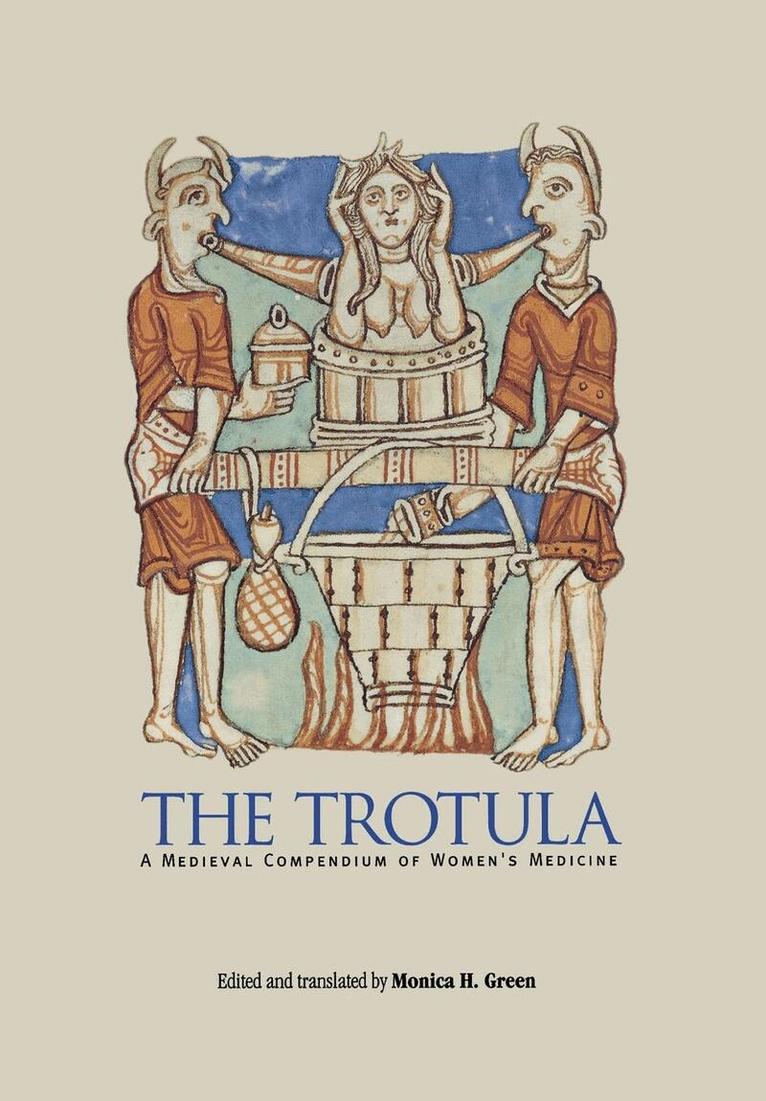
Trotula
A Medieval Compendium of Women's Medicine
E-bok, 2013
1192 kr
Lägg i varukorg
The Trotula was the most influential compendium on women's medicine in medieval Europe. Scholarly debate has long focused on the traditional attribution of the work to the mysterious Trotula, said to have been the first female professor of medicine in eleventh- or twelfth-century Salerno, just …
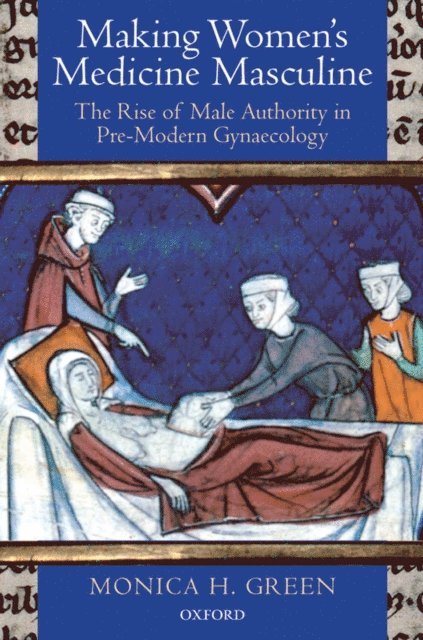
Making Women's Medicine Masculine
The Rise of Male Authority in Pre-Modern Gynaecology
E-bok, 2008
2813 kr
Lägg i varukorg
Making Women''s Medicine Masculine challenges the common belief that prior to the eighteenth century men were never involved in any aspect of women''s healthcare in Europe. Using sources ranging from the writings of the famous twelfth-century female practitioner, Trota of Salerno, all the way to …
Making Women's Medicine Masculine
The Rise of Male Authority in Pre-Modern Gynaecology
E-bok, 2008
2813 kr
Lägg i varukorg
Making Women''s Medicine Masculine challenges the common belief that prior to the eighteenth century men were never involved in any aspect of women''s healthcare in Europe. Using sources ranging from the writings of the famous twelfth-century female practitioner, Trota of Salerno, all the way to …
Making Women's Medicine Masculine
The Rise of Male Authority in Pre-Modern Gynaecology
Inbunden, 2008
4027 kr
Lägg i varukorg
Making Women's Medicine Masculine challenges the common belief that prior to the eighteenth century men were never involved in any aspect of women's healthcare in Europe. Using sources ranging from the writings of the famous twelfth-century female practitioner, Trota of Salerno, all the way to the …
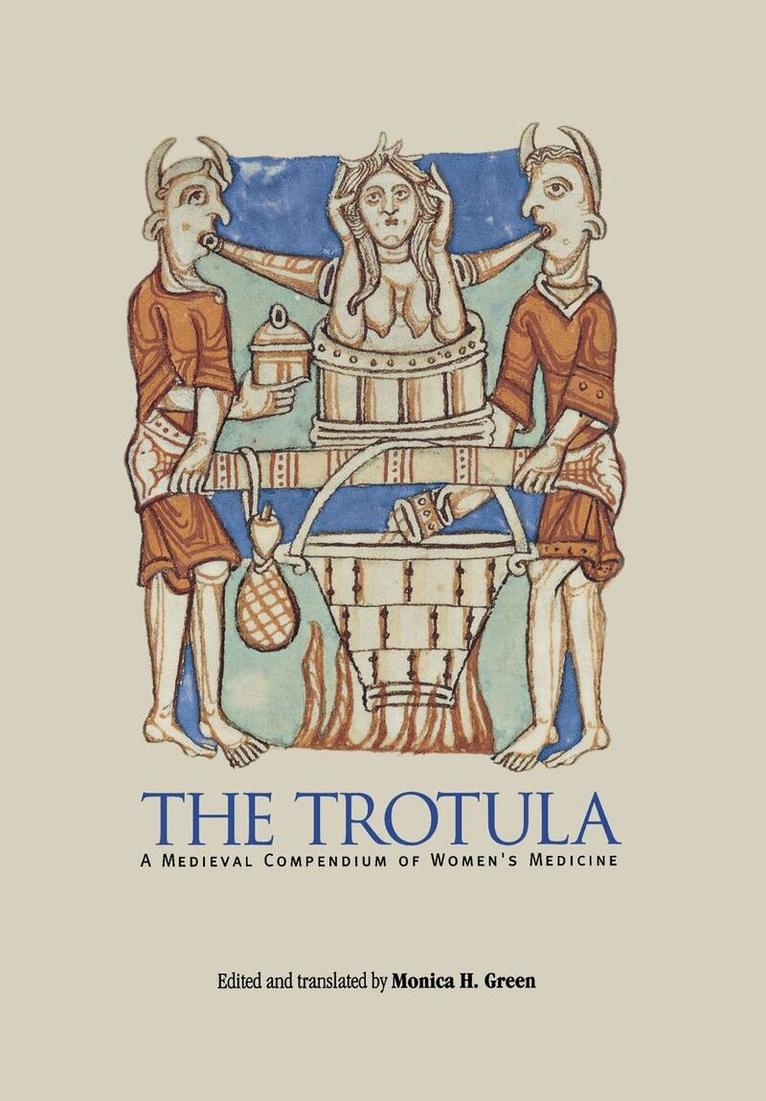
Trotula
A Medieval Compendium of Women's Medicine
Inbunden, 2001
999 kr
Lägg i varukorg
The Trotula was the most influential compendium on women's medicine in medieval Europe. Scholarly debate has long focused on the traditional attribution of the work to the mysterious Trotula, said to have been the first female professor of medicine in eleventh- or twelfth-century Salerno, just …
Women's Healthcare in the Medieval West
Texts and Contexts
E-bok, 2024
1030 kr
Lägg i varukorg
In this collection of seven major essays (one of them published here for the first time), Monica Green argues that a history of women''s healthcare in medieval western Europe has not yet been written because it cannot yet be written - the vast majority of texts relating to women''s healthcare have …
Women's Healthcare in the Medieval West
Texts and Contexts
E-bok, 2024
1030 kr
Lägg i varukorg
In this collection of seven major essays (one of them published here for the first time), Monica Green argues that a history of women''s healthcare in medieval western Europe has not yet been written because it cannot yet be written - the vast majority of texts relating to women''s healthcare have …
New Evidence for the Dating and Impact of the Black Death in Asia
Av Robert Hymes, Monica H. Green m. fl.
Inbunden, 2022
1590 kr
Lägg i varukorg
Since 2014, when The Medieval Globe first presented the latest interdisciplinary scholarship on the Black Death as a global pandemic, the pace and intensity of research has intensified. This follow-up volume features two extended essays laying out evidence that the Second Plague Pandemic was …
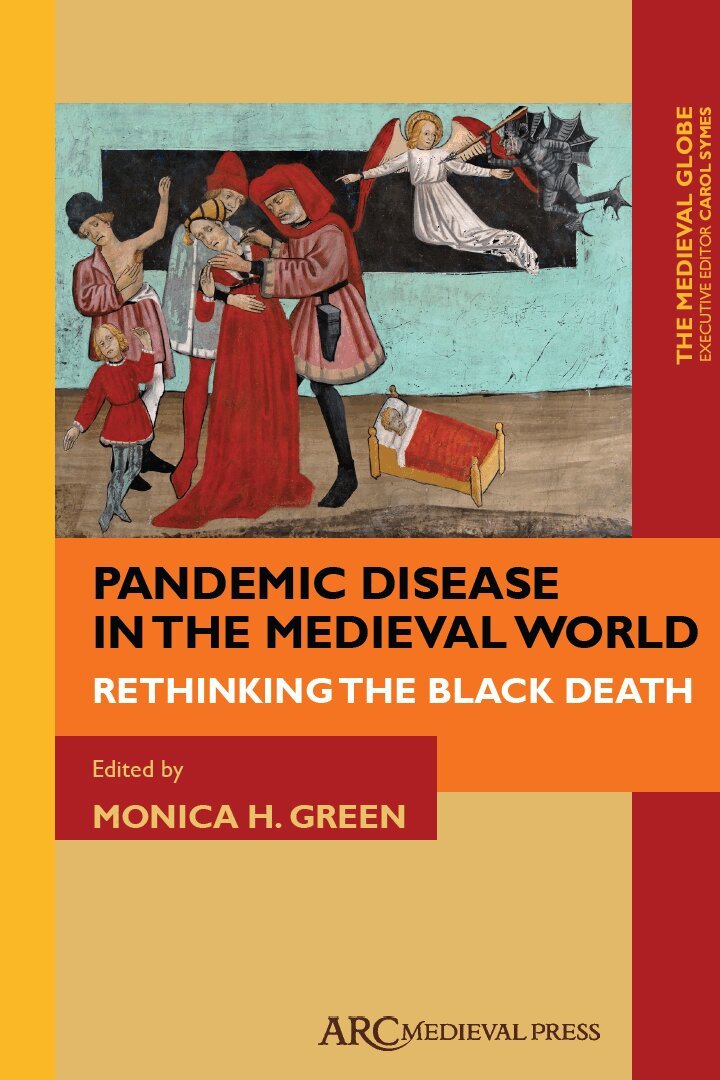
Pandemic Disease in the Medieval World
Rethinking the Black Death
Inbunden, 2015
2818 kr
Lägg i varukorg
This ground-breaking book brings together scholars from the humanities and social and physical sciences to address the question of how recent work in the genetics, zoology, and epidemiology of plague's causative organism (Yersinia pestis) can allow a rethinking of the Black Death pandemic and its …
Women's Healthcare in the Medieval West
Texts and Contexts
Inbunden, 2000
2552 kr
Tillfälligt slut
In this collection of seven major essays (one of them published here for the first time), Monica Green argues that a history of women's healthcare in medieval western Europe has not yet been written because it cannot yet be written - the vast majority of texts relating to women's healthcare have …