Morag Kersel – författare
Visar alla böcker från författaren Morag Kersel. Handla med fri frakt och snabb leverans.
6 produkter
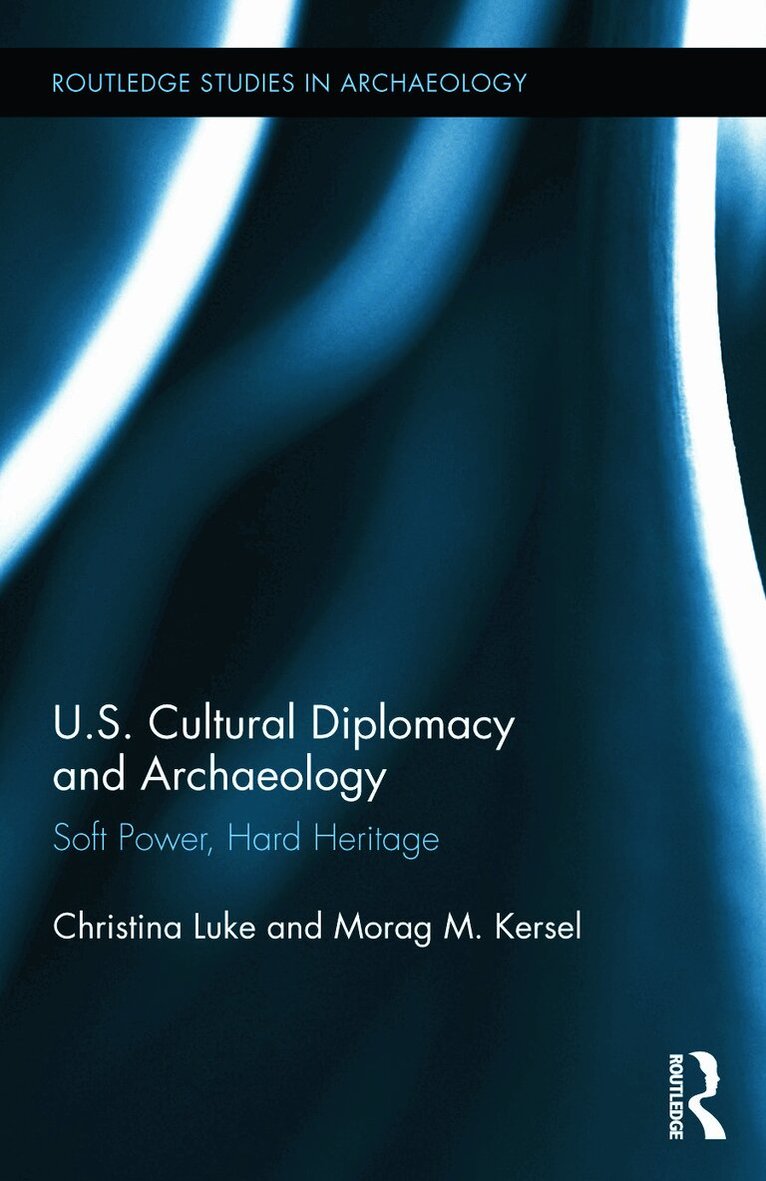
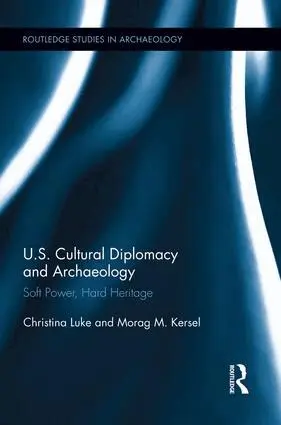
US Cultural Diplomacy and Archaeology
Soft Power, Hard Heritage
Av Christina Luke, Morag Kersel
Inbunden, 2012
2831 kr
Lägg i varukorg
Archaeology’s links to international relations are well known: launching and sustaining international expeditions requires the honed diplomatic skills of ambassadors. U.S. foreign policy depends on archaeologists to foster mutual understanding, mend fences, and build bridges. This book explores how …
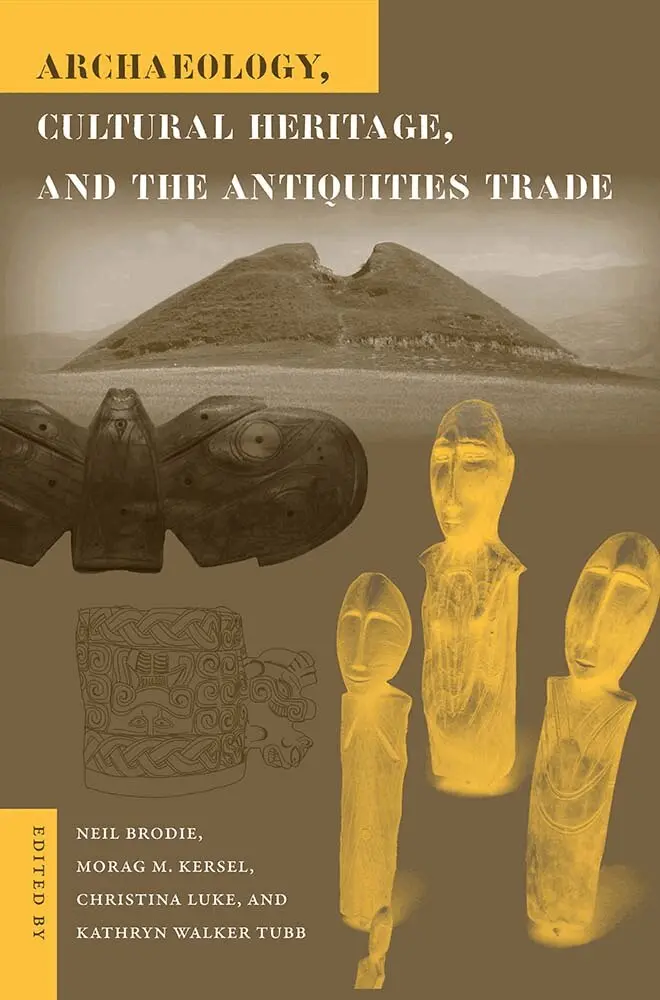
Archaeology, Cultural Heritage, and the Antiquities Trade
Av Neil Brodie, Morag Kersel m. fl.
Häftad, 2008
342 kr
Lägg i varukorg
Archaeological artifacts have become a traded commodity in large part because the global reach of Western society allows easy access to the world's archaeological heritage. Acquired by the world's leading museums and private collectors, antiquities have been removed from archaeological sites, …
US Cultural Diplomacy and Archaeology
Soft Power, Hard Heritage
Av Morag Kersel, Christina Luke
E-bok, 2013
1106 kr
Lägg i varukorg
Archaeology’s links to international relations are well known: launching and sustaining international expeditions requires the honed diplomatic skills of ambassadors. U.S. foreign policy depends on archaeologists to foster mutual understanding, mend fences, and build bridges. This book explores how …
US Cultural Diplomacy and Archaeology
Soft Power, Hard Heritage
Av Morag Kersel, Christina Luke
E-bok, 2013
1106 kr
Lägg i varukorg
Archaeology’s links to international relations are well known: launching and sustaining international expeditions requires the honed diplomatic skills of ambassadors. U.S. foreign policy depends on archaeologists to foster mutual understanding, mend fences, and build bridges. This book explores how …
US Cultural Diplomacy and Archaeology
Soft Power, Hard Heritage
Av Christina Luke, Morag Kersel
Häftad, 2014
940 kr
Lägg i varukorg
Archaeology’s links to international relations are well known: launching and sustaining international expeditions requires the honed diplomatic skills of ambassadors. U.S. foreign policy depends on archaeologists to foster mutual understanding, mend fences, and build bridges. This book explores how …
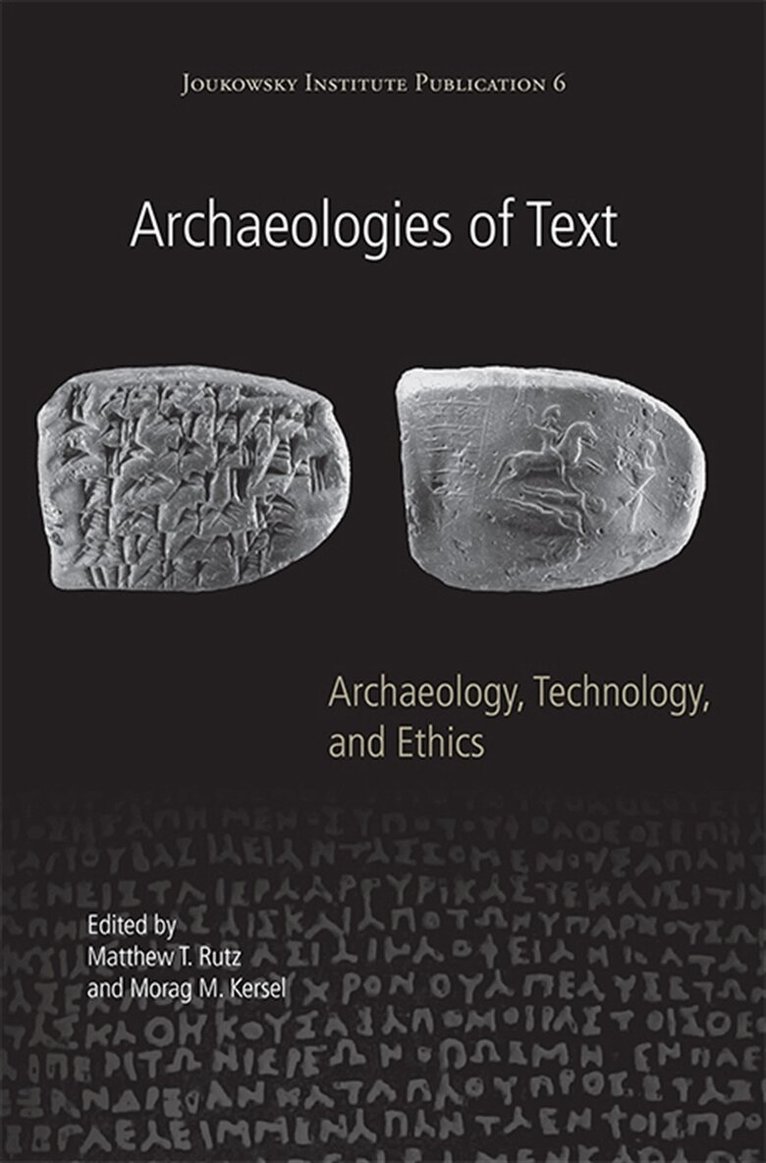
Archaeologies of Text
Archaeology, Technology, and Ethics
Av Matthew T. Rutz, Morag Kersel
E-bok, 2021
126 kr
Lägg i varukorg
Scholars working in a number of disciplines – archaeologists, classicists, epigraphers, papyrologists, Assyriologists, Egyptologists, Mayanists, philologists, and ancient historians of all stripes – routinely engage with ancient textual sources that are either material remains from the …