Neil Brodie – författare
Visar alla böcker från författaren Neil Brodie. Handla med fri frakt och snabb leverans.
12 produkter
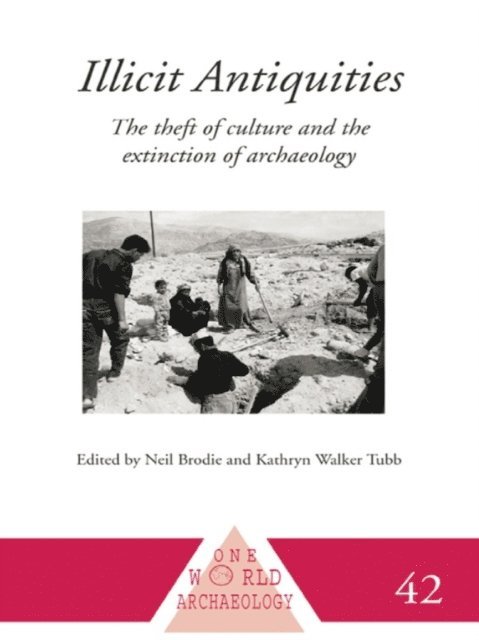
Illicit Antiquities
The Theft of Culture and the Extinction of Archaeology
Av Neil Brodie, Kathryn Walker Tubb
Inbunden, 2001
2200 kr
Lägg i varukorg
The exploitation of archaeological sites for commercial gain is a serious problem worldwide. In peace and during wartime archaeological sites and cultural institutions, both on land and underwater, are attacked and their contents robbed for sale on an international 'antiquities' market. Objects are …
Illicit Antiquities
The Theft of Culture and the Extinction of Archaeology
Av Neil Brodie, Kathryn Walker Tubb
Häftad, 2011
773 kr
Lägg i varukorg
The exploitation of archaeological sites for commercial gain is a serious problem worldwide. In peace and during wartime archaeological sites and cultural institutions, both on land and underwater, are attacked and their contents robbed for sale on an international 'antiquities' market. Objects are …
Archaeology, Cultural Heritage, and the Antiquities Trade
Av Neil Brodie, Morag Kersel m. fl.
Häftad, 2008
342 kr
Lägg i varukorg
Archaeological artifacts have become a traded commodity in large part because the global reach of Western society allows easy access to the world's archaeological heritage. Acquired by the world's leading museums and private collectors, antiquities have been removed from archaeological sites, …
Neolithic-Bronze Age Transition in Britain
A critical review of some archaeological and craniological concepts
Av Neil Brodie
Häftad, 1994
449 kr
Lägg i varukorg
Illicit Antiquities
The Theft of Culture and the Extinction of Archaeology
Av Kathryn Walker Tubb, Neil Brodie
E-bok, 2003
890 kr
Lägg i varukorg
The exploitation of archaeological sites for commercial gain is a serious problem worldwide. In peace and during wartime archaeological sites and cultural institutions, both on land and underwater, are attacked and their contents robbed for sale on an international ''antiquities'' market. Objects …
Illicit Antiquities
The Theft of Culture and the Extinction of Archaeology
Av Kathryn Walker Tubb, Neil Brodie
E-bok, 2003
910 kr
Lägg i varukorg
The exploitation of archaeological sites for commercial gain is a serious problem worldwide. In peace and during wartime archaeological sites and cultural institutions, both on land and underwater, are attacked and their contents robbed for sale on an international ''antiquities'' market. Objects …
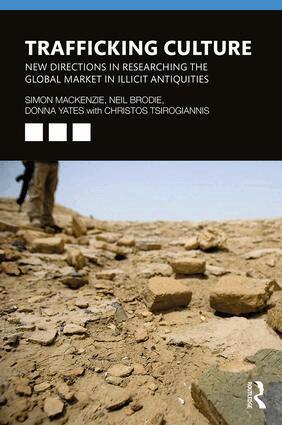
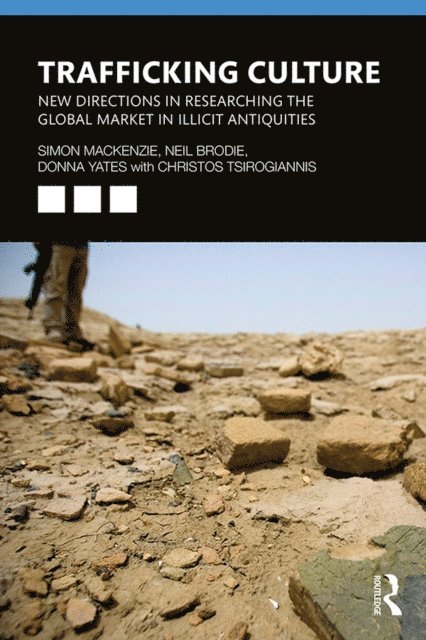
Trafficking Culture
New Directions in Researching the Global Market in Illicit Antiquities
Av Simon Mackenzie, Neil Brodie m. fl.
Häftad, 2019
669 kr
Lägg i varukorg
Trafficking Culture outlines current research and thinking on the illicit market in antiquities. It moves along the global trafficking chain from ‘source’ to ‘market’, identifying the main roles and routines involved. Using original research, the authors explore the dynamics of this ‘grey’ market, …
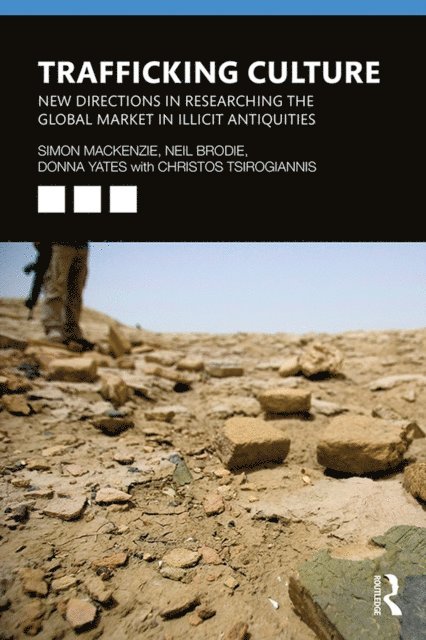
Trafficking Culture
New Directions in Researching the Global Market in Illicit Antiquities
Av Simon Mackenzie, Neil Brodie m. fl.
Inbunden, 2019
2596 kr
Lägg i varukorg
Trafficking Culture outlines current research and thinking on the illicit market in antiquities. It moves along the global trafficking chain from ‘source’ to ‘market’, identifying the main roles and routines involved. Using original research, the authors explore the dynamics of this ‘grey’ market, …
Trafficking Culture
New Directions in Researching the Global Market in Illicit Antiquities
Av Christos Tsirogiannis, Donna Yates m. fl.
E-bok, 2019
686 kr
Lägg i varukorg
Trafficking Culture outlines current research and thinking on the illicit market in antiquities. It moves along the global trafficking chain from ‘source’ to ‘market’, identifying the main roles and routines involved. Using original research, the authors explore the dynamics of this ‘grey’ market, …
Trafficking Culture
New Directions in Researching the Global Market in Illicit Antiquities
Av Christos Tsirogiannis, Donna Yates m. fl.
E-bok, 2019
701 kr
Lägg i varukorg
Trafficking Culture outlines current research and thinking on the illicit market in antiquities. It moves along the global trafficking chain from ‘source’ to ‘market’, identifying the main roles and routines involved. Using original research, the authors explore the dynamics of this ‘grey’ market, …
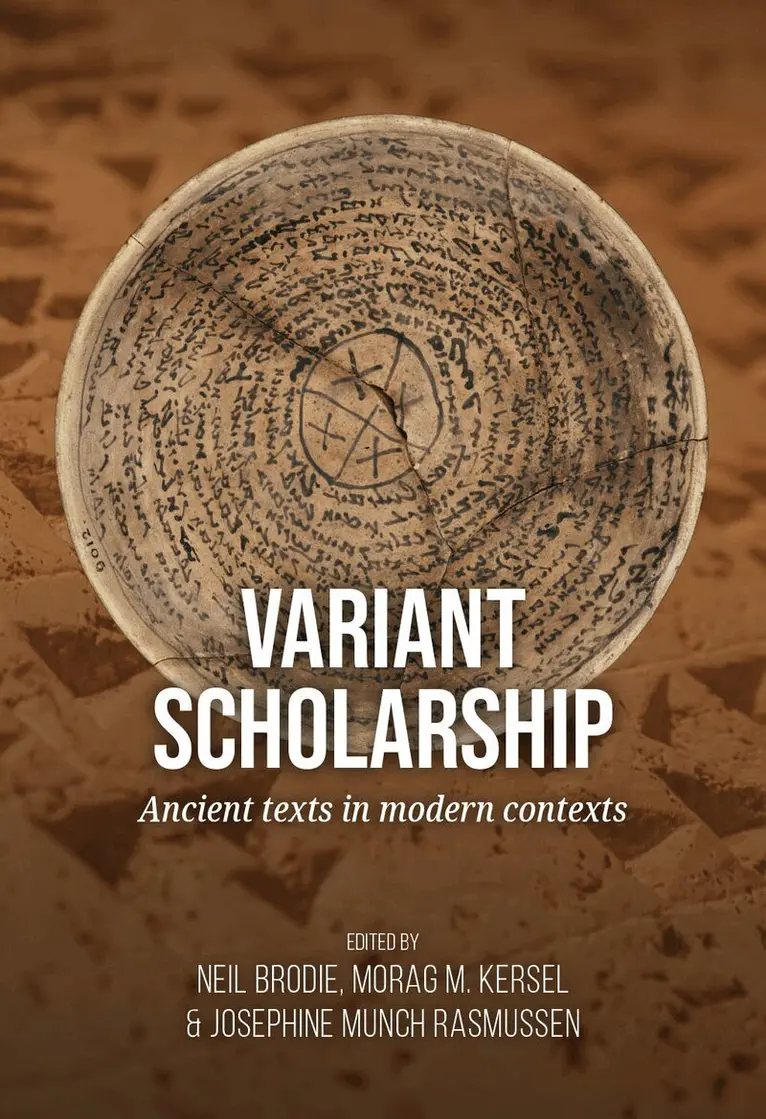
Variant scholarship
Ancient texts in modern contexts
Av Neil Brodie, Morag M Kersel m. fl.
Häftad, 2023
721 kr
Lägg i varukorg
Since the eighteenth century, many if not most ancient and medieval manuscripts or other text-bearing or associated objects have been procured through imperial expropriation or through the antiquities market with little or no evidence of findspot or place of original deposition and with no …
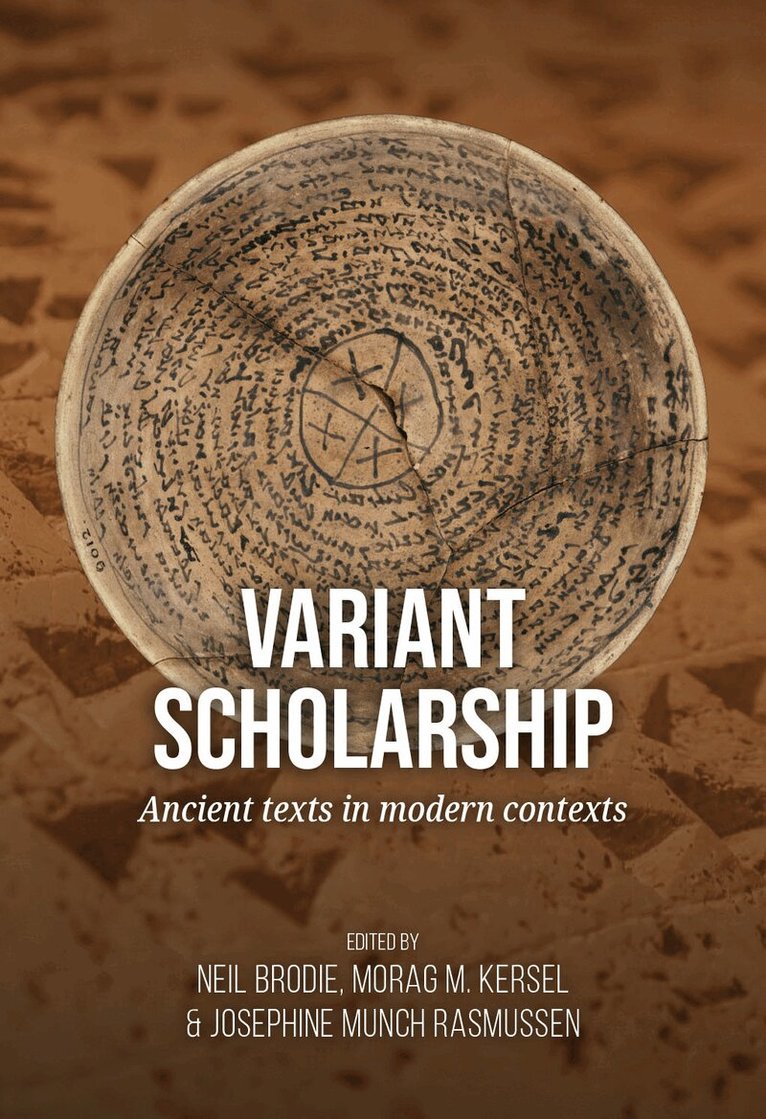
Variant scholarship
Ancient texts in modern contexts
Av Neil Brodie, Morag M Kersel m. fl.
Inbunden, 2023
1402 kr
Lägg i varukorg
Since the eighteenth century, many if not most ancient and medieval manuscripts or other text-bearing or associated objects have been procured through imperial expropriation or through the antiquities market with little or no evidence of findspot or place of original deposition and with no …