Simon Mackenzie – författare
Visar alla böcker från författaren Simon Mackenzie. Handla med fri frakt och snabb leverans.
11 produkter
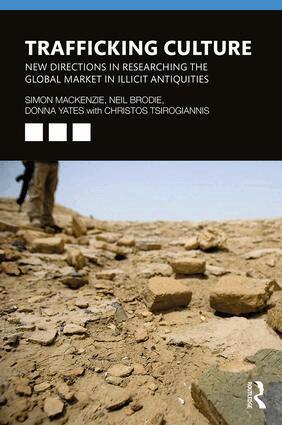
Trafficking Culture
New Directions in Researching the Global Market in Illicit Antiquities
Av Simon Mackenzie, Neil Brodie m. fl.
Häftad, 2019
668 kr
Lägg i varukorg
Trafficking Culture outlines current research and thinking on the illicit market in antiquities. It moves along the global trafficking chain from ‘source’ to ‘market’, identifying the main roles and routines involved. Using original research, the authors explore the dynamics of this ‘grey’ market, …
Trafficking Culture
New Directions in Researching the Global Market in Illicit Antiquities
Av Simon Mackenzie, Neil Brodie m. fl.
Inbunden, 2019
2591 kr
Lägg i varukorg
Trafficking Culture outlines current research and thinking on the illicit market in antiquities. It moves along the global trafficking chain from ‘source’ to ‘market’, identifying the main roles and routines involved. Using original research, the authors explore the dynamics of this ‘grey’ market, …
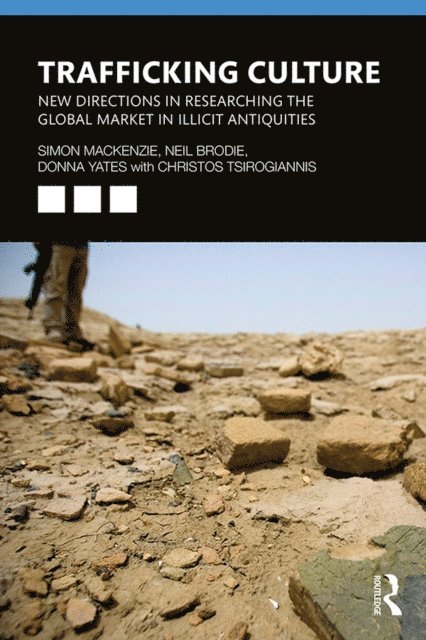
Trafficking Culture
New Directions in Researching the Global Market in Illicit Antiquities
Av Christos Tsirogiannis, Donna Yates m. fl.
E-bok, 2019
686 kr
Lägg i varukorg
Trafficking Culture outlines current research and thinking on the illicit market in antiquities. It moves along the global trafficking chain from ‘source’ to ‘market’, identifying the main roles and routines involved. Using original research, the authors explore the dynamics of this ‘grey’ market, …
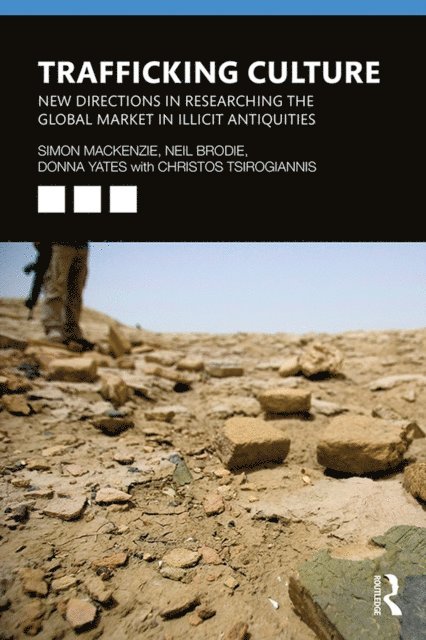
Trafficking Culture
New Directions in Researching the Global Market in Illicit Antiquities
Av Christos Tsirogiannis, Donna Yates m. fl.
E-bok, 2019
701 kr
Lägg i varukorg
Trafficking Culture outlines current research and thinking on the illicit market in antiquities. It moves along the global trafficking chain from ‘source’ to ‘market’, identifying the main roles and routines involved. Using original research, the authors explore the dynamics of this ‘grey’ market, …
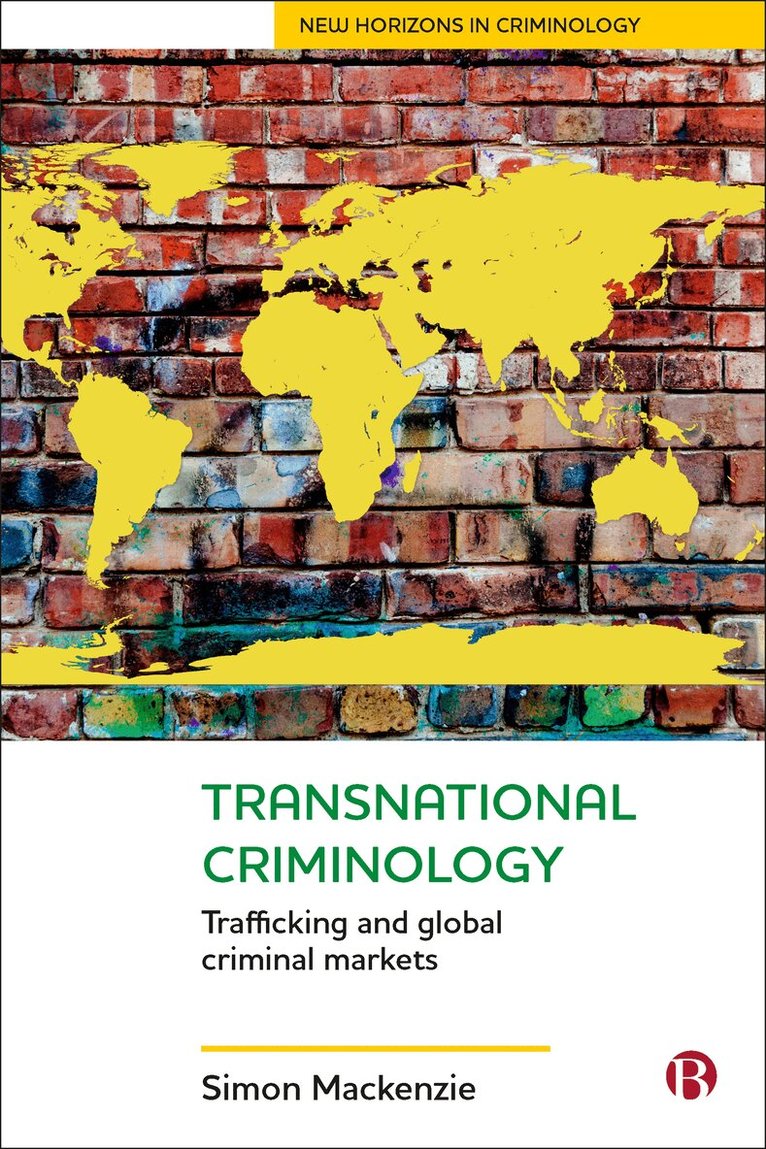
Transnational Criminology
Trafficking and Global Criminal Markets
Inbunden, 2020
1060 kr
Lägg i varukorg
This pioneering study looks across key trafficking crimes to develop a social theory of transnational criminal markets. These include human trafficking, drug dealing, and black markets in wildlife, diamonds, guns and antiquities, The author offers an in-depth analysis of structural similarities and …
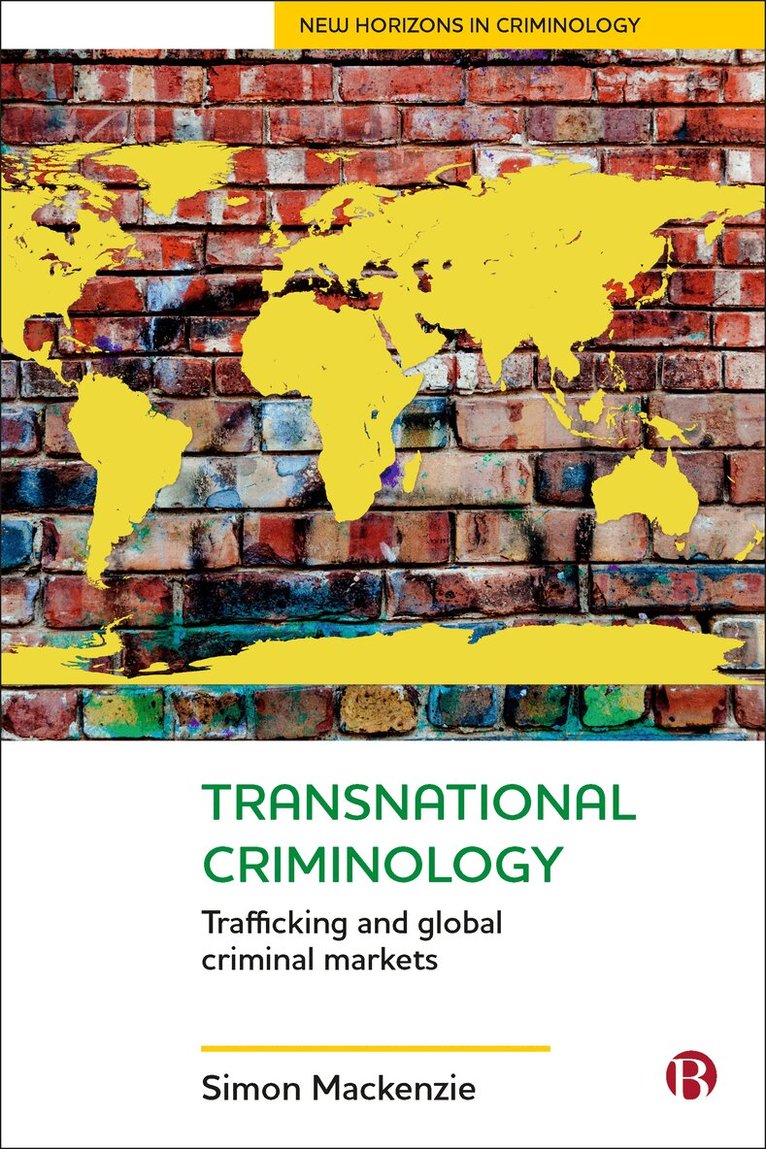
Transnational Criminology
Trafficking and Global Criminal Markets
Häftad, 2022
358 kr
Lägg i varukorg
This pioneering study looks across key trafficking crimes to develop a social theory of transnational criminal markets. These include human trafficking, drug dealing, and black markets in wildlife, diamonds, guns and antiquities, The author offers an in-depth analysis of structural similarities and …
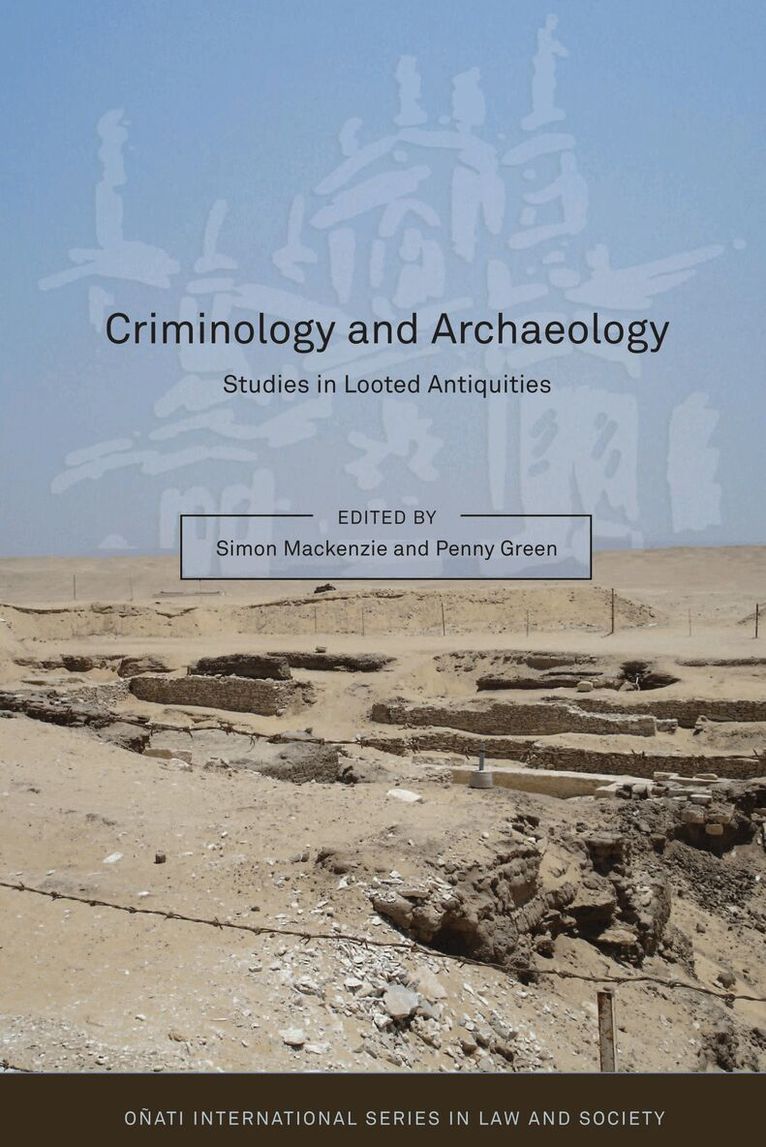
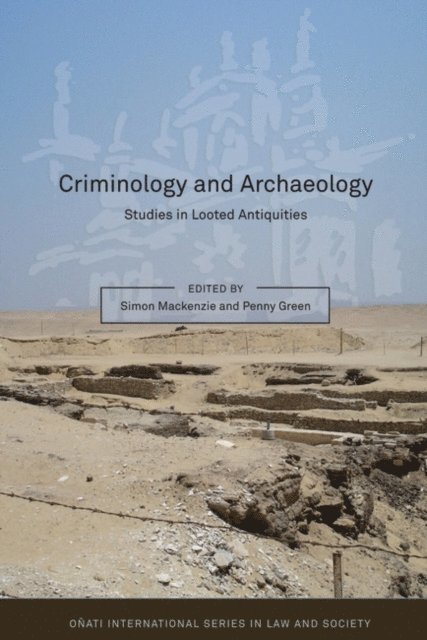
Criminology and Archaeology
Studies in Looted Antiquities
Av Simon Mackenzie, Penny Green
Inbunden, 2009
1425 kr
Lägg i varukorg
This collection is the product of a collaborative venture between criminologists and archaeologists concerned with the international market in illicit antiquities. It examines the state of regulation in the antiquities market, with a particular focus on the UK's position, but also with reference to …
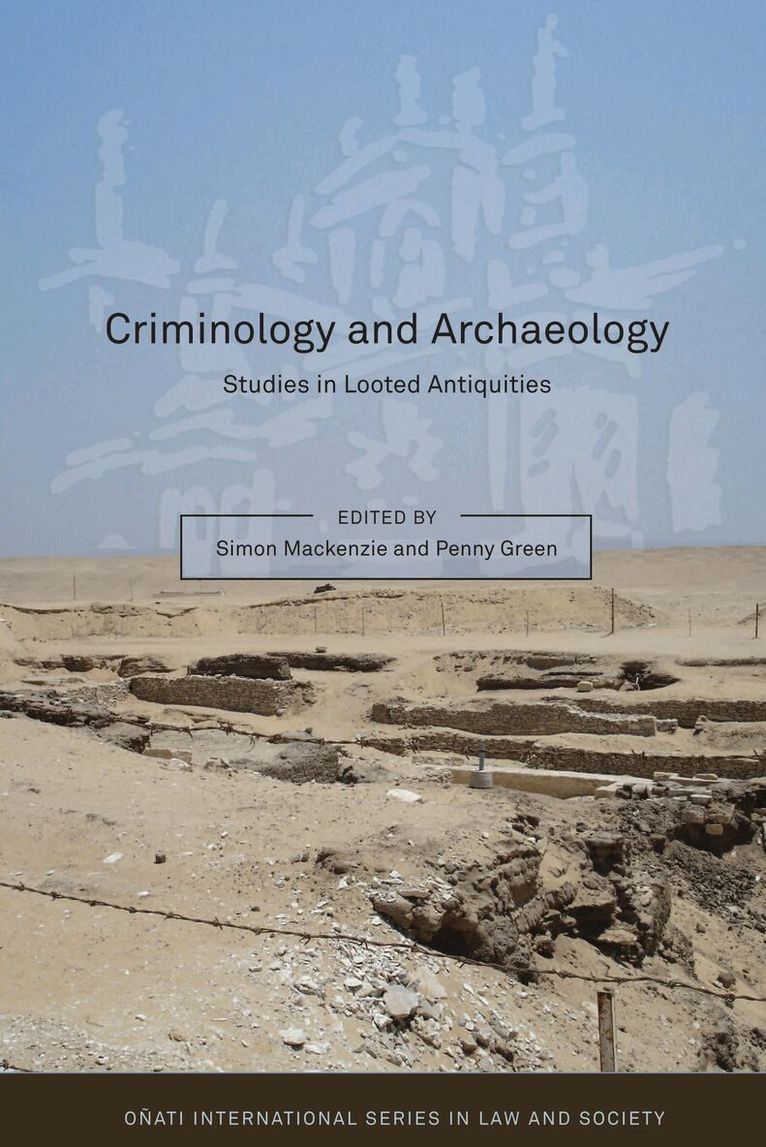
Criminology and Archaeology
Studies in Looted Antiquities
Av Penny Green, Simon MacKenzie m. fl.
Häftad, 2009
574 kr
Lägg i varukorg
This collection is the product of a collaborative venture between criminologists and archaeologists concerned with the international market in illicit antiquities. It examines the state of regulation in the antiquities market, with a particular focus on the UK's position, but also with reference to …
Criminology and Archaeology
Studies in Looted Antiquities
Av Simon Mackenzie, Penny Green
E-bok, 2009
642 kr
Lägg i varukorg
This collection is the product of a collaborative venture between criminologists and archaeologists concerned with the international market in illicit antiquities. It examines the state of regulation in the antiquities market, with a particular focus on the UK''s position, but also with reference …
Welfare of Farmed Fish in Present and Future Production Systems
Av Hans van de Vis, Anders Kiessling m. fl.
Inbunden, 2012
1639 kr
Lägg i varukorg
The book, entitled “Welfare of farmed fish in present and future production systems”, summarises the view of more than 80 experts in the field of fish welfare, collected over a period of more than five years in an international network entitled “Welfare of Fish in European Aquaculture” (Cost action …
Welfare of Farmed Fish in Present and Future Production Systems
Av Hans van de Vis, Anders Kiessling m. fl.
Häftad, 2014
1637 kr
Lägg i varukorg
The book, entitled “Welfare of farmed fish in present and future production systems”, summarises the view of more than 80 experts in the field of fish welfare, collected over a period of more than five years in an international network entitled “Welfare of Fish in European Aquaculture” (Cost action …