Morgan Pitelka – författare
Visar alla böcker från författaren Morgan Pitelka. Handla med fri frakt och snabb leverans.
17 produkter
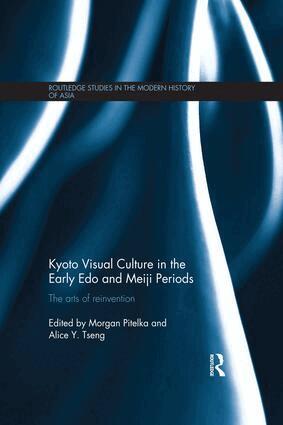
Kyoto Visual Culture in the Early Edo and Meiji Periods
The arts of reinvention
Av Morgan Pitelka, Alice Y. Tseng
Häftad, 2019
770 kr
Lägg i varukorg
The city of Kyoto has undergone radical shifts in its significance as a political and cultural center, as a hub of the national bureaucracy, as a symbolic and religious center, and as a site for the production and display of art. However, the field of Japanese history and culture lacks a book that …
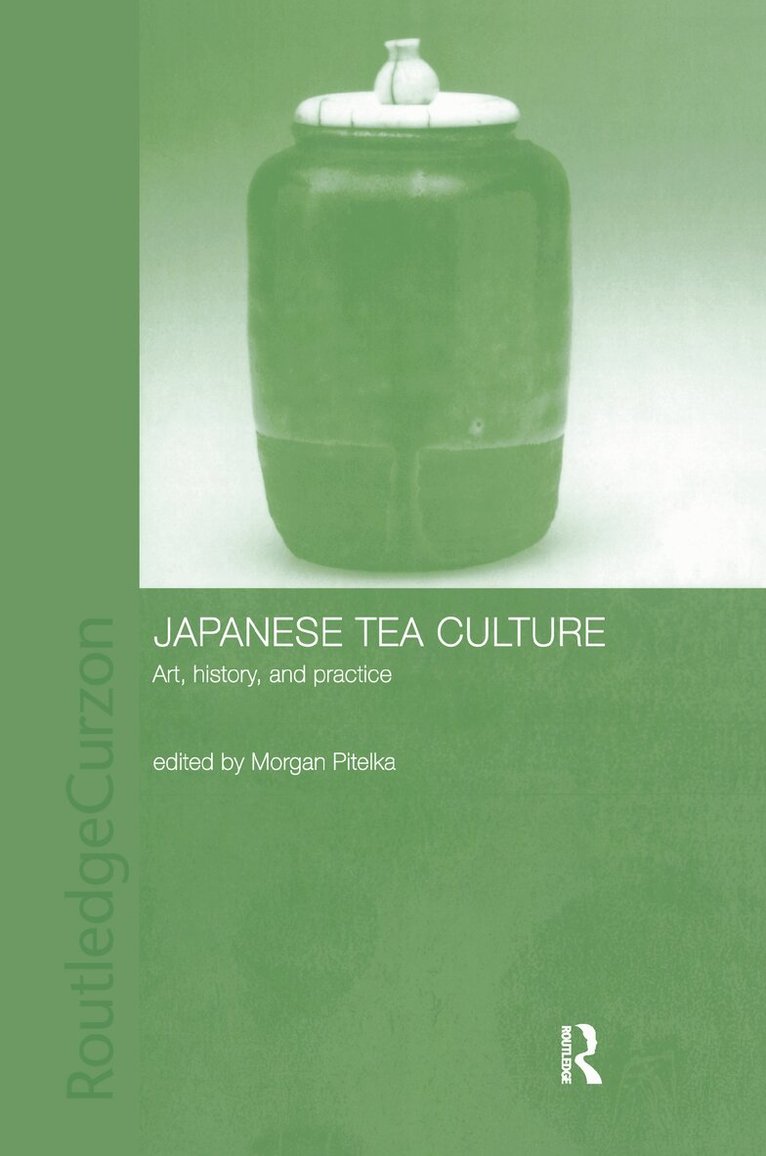
Japanese Tea Culture
Art, History and Practice
Inbunden, 2003
2586 kr
Lägg i varukorg
From its origins as a distinct set of ritualised practices in the sixteenth century to its international expansion in the twentieth, tea culture has had a major impact on artistic production, connoisseurship, etiquette, food, design and more recently, on notions of Japaneseness. The authors dispel …
Japanese Tea Culture
Art, History and Practice
Häftad, 2007
937 kr
Lägg i varukorg
From its origins as a distinct set of ritualised practices in the sixteenth century to its international expansion in the twentieth, tea culture has had a major impact on artistic production, connoisseurship, etiquette, food, design and more recently, on notions of Japaneseness. The authors dispel …
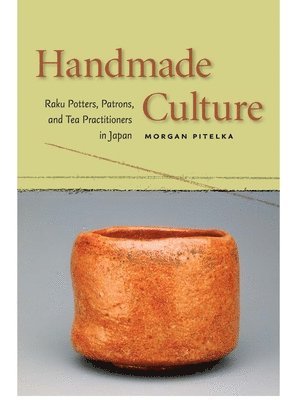
Handmade Culture
Raku Potters, Patrons, and Tea Practitioners in Japan
Häftad, 2005
356 kr
Lägg i varukorg
Handmade Culture is the first comprehensive and cohesive study in any language to examine Raku, one of Japan's most famous arts and a pottery technique practiced around the world. More than a history of ceramics, this innovative work considers four centuries of cultural invention and reinvention …
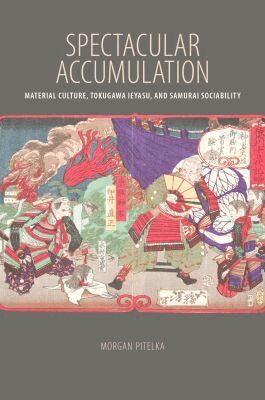
Spectacular Accumulation
Material Culture, Tokugawa Ieyasu, and Samurai Sociability
Av Morgan Pitelka, Morgan Pitelka m. fl.
Inbunden, 2015
699 kr
Lägg i varukorg
In Spectacular Accumulation, Morgan Pitelka investigates the significance of material culture and sociability in late sixteenth-century Japan, focusing in particular on the career and afterlife of Tokugawa Ieyasu (1543–1616), the founder of the Tokugawa shogunate. The story of Ieyasu illustrates …
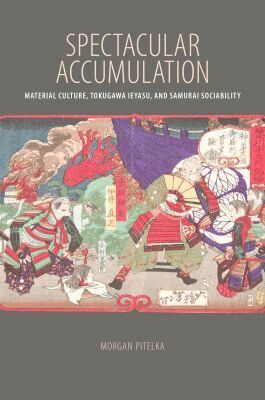
Spectacular Accumulation
Material Culture, Tokugawa Ieyasu, and Samurai Sociability
Häftad, 2018
294 kr
Lägg i varukorg
In Spectacular Accumulation, Morgan Pitelka investigates the significance of material culture and sociability in late sixteenth-century Japan, focusing in particular on the career and afterlife of Tokugawa Ieyasu (1543–1616), the founder of the Tokugawa shogunate. The story of Ieyasu illustrates …
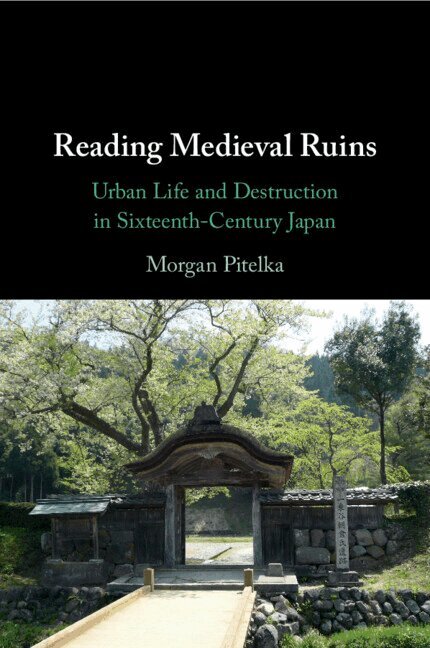
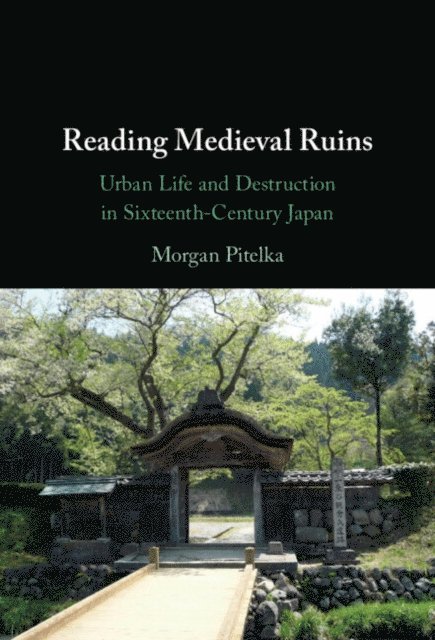
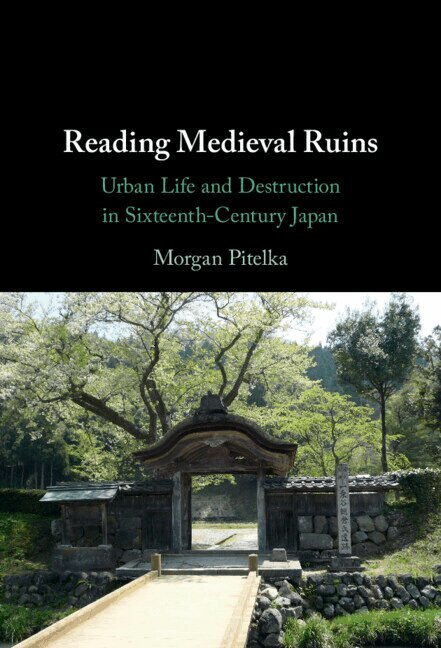
Reading Medieval Ruins
Urban Life and Destruction in Sixteenth-Century Japan
Häftad, 2023
482 kr
Lägg i varukorg
The Japanese provincial city of Ichijōdani was destroyed in the civil wars of the late sixteenth century but never rebuilt. Archaeological excavations have since uncovered the most detailed late medieval urban site in the country. Drawing on analysis of specific excavated objects and decades of …
Reading Medieval Ruins
Urban Life and Destruction in Sixteenth-Century Japan
E-bok, 2022
403 kr
Lägg i varukorg
The Japanese provincial city of Ichijōdani was destroyed in the civil wars of the late sixteenth century but never rebuilt. Archaeological excavations have since uncovered the most detailed late medieval urban site in the country. Drawing on analysis of specific excavated objects and decades of …
Reading Medieval Ruins
Urban Life and Destruction in Sixteenth-Century Japan
E-bok, 2022
403 kr
Lägg i varukorg
The Japanese provincial city of Ichijōdani was destroyed in the civil wars of the late sixteenth century but never rebuilt. Archaeological excavations have since uncovered the most detailed late medieval urban site in the country. Drawing on analysis of specific excavated objects and decades of …
Japanese Tea Culture
Art, History and Practice
E-bok, 2013
1082 kr
Lägg i varukorg
From its origins as a distinct set of ritualised practices in the sixteenth century to its international expansion in the twentieth, tea culture has had a major impact on artistic production, connoisseurship, etiquette, food, design and more recently, on notions of Japaneseness. The authors dispel …
Japanese Tea Culture
Art, History and Practice
E-bok, 2013
1082 kr
Lägg i varukorg
From its origins as a distinct set of ritualised practices in the sixteenth century to its international expansion in the twentieth, tea culture has had a major impact on artistic production, connoisseurship, etiquette, food, design and more recently, on notions of Japaneseness. The authors dispel …
Kyoto Visual Culture in the Early Edo and Meiji Periods
The arts of reinvention
Av Morgan Pitelka, Alice Y. Tseng
Inbunden, 2016
2586 kr
Lägg i varukorg
The city of Kyoto has undergone radical shifts in its significance as a political and cultural center, as a hub of the national bureaucracy, as a symbolic and religious center, and as a site for the production and display of art. However, the field of Japanese history and culture lacks a book that …
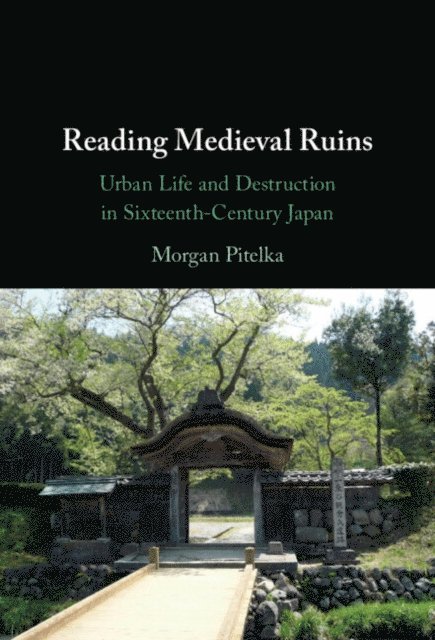
Reading Medieval Ruins
Urban Life and Destruction in Sixteenth-Century Japan
Inbunden, 2022
1391 kr
Lägg i varukorg
The Japanese provincial city of Ichijōdani was destroyed in the civil wars of the late sixteenth century but never rebuilt. Archaeological excavations have since uncovered the most detailed late medieval urban site in the country. Drawing on analysis of specific excavated objects and decades of …
Kyoto Visual Culture in the Early Edo and Meiji Periods
The arts of reinvention
Av Alice Y. Tseng, Morgan Pitelka
E-bok, 2016
910 kr
Lägg i varukorg
The city of Kyoto has undergone radical shifts in its significance as a political and cultural center, as a hub of the national bureaucracy, as a symbolic and religious center, and as a site for the production and display of art. However, the field of Japanese history and culture lacks a book that …
Kyoto Visual Culture in the Early Edo and Meiji Periods
The arts of reinvention
Av Alice Y. Tseng, Morgan Pitelka
E-bok, 2016
890 kr
Lägg i varukorg
The city of Kyoto has undergone radical shifts in its significance as a political and cultural center, as a hub of the national bureaucracy, as a symbolic and religious center, and as a site for the production and display of art. However, the field of Japanese history and culture lacks a book that …
Japanese Art
Critical and Primary Sources
2018
13179 kr
Lägg i varukorg
Japanese Art: Critical and Primary Sources is a four-volume reference work offering a critical overview of the history and culture of Japanese art. Drawing upon a wide range of English-language texts, the volumes explore the diverse and changing material and visual cultures of Japan from the …
Letters from Japan's Sixteenth and Seventeenth Centuries
Correspondence from Warlords, Tea Masters, Zen Priests, and Aristocrats
Av Morgan Pitelka, Reiko Tanimura m. fl.
Häftad, 2022
478 kr
Lägg i varukorg