Morris Goodman – författare
Visar alla böcker från författaren Morris Goodman. Handla med fri frakt och snabb leverans.
10 produkter
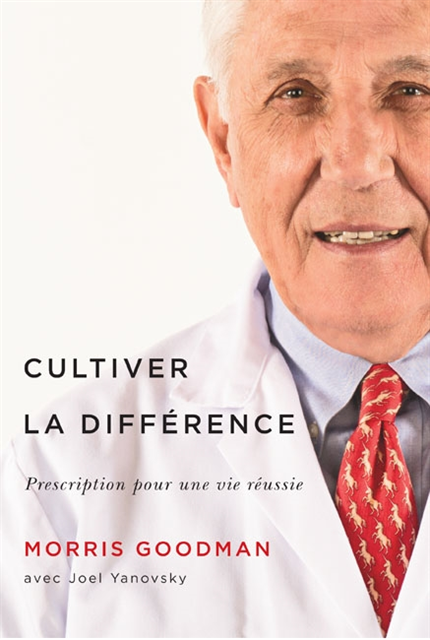
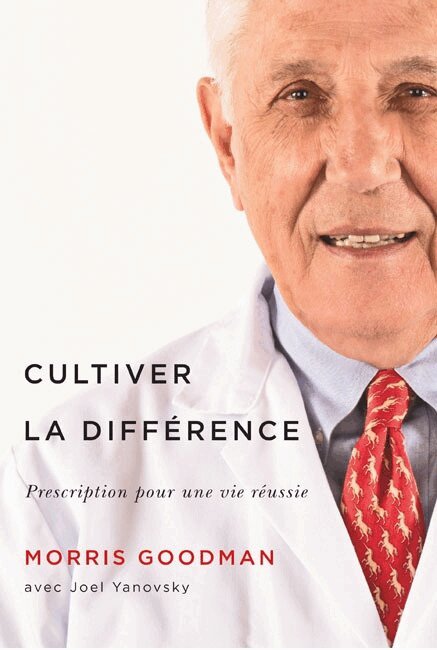
Cultiver la différence
Prescription pour une vie réussie
Av Joel Yanofsky, Morris Goodman
E-bok, 2015
409 kr
Lägg i varukorg
What goes into making a life successful and what does success mean? If you think about a life as a chemical equation, then the elements are obvious: family, work, purpose. The key is discovering how to get the balance just right. In Cultiver la différence, Montreal entrepreneur and philanthropist …
Cultiver la différence
Prescription pour une vie réussie
Av Joel Yanofsky, Morris Goodman
E-bok, 2015
409 kr
Lägg i varukorg
What goes into making a life successful and what does success mean? If you think about a life as a chemical equation, then the elements are obvious: family, work, purpose. The key is discovering how to get the balance just right. In Cultiver la différence, Montreal entrepreneur and philanthropist …
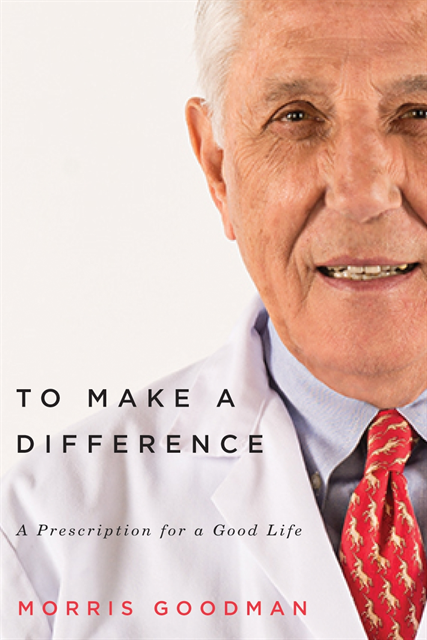
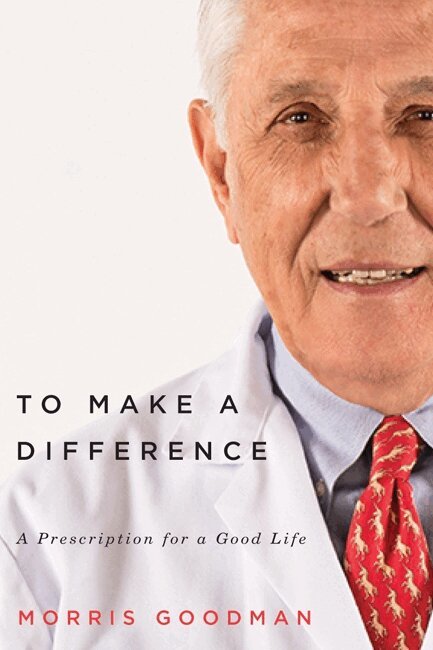
To Make a Difference
A Prescription for a Good Life
Av Joel Yanofsky, Morris Goodman
E-bok, 2014
288 kr
Lägg i varukorg
What goes into making a life successful and what does success mean? If you think about a life as a chemical equation, then the elements are obvious: family, work, purpose. The key is discovering how to get the balance just right. In To Make a Difference, Montreal entrepreneur and philanthropist …
To Make a Difference
A Prescription for a Good Life
Av Joel Yanofsky, Morris Goodman
E-bok, 2014
288 kr
Lägg i varukorg
What goes into making a life successful and what does success mean? If you think about a life as a chemical equation, then the elements are obvious: family, work, purpose. The key is discovering how to get the balance just right. In To Make a Difference, Montreal entrepreneur and philanthropist …
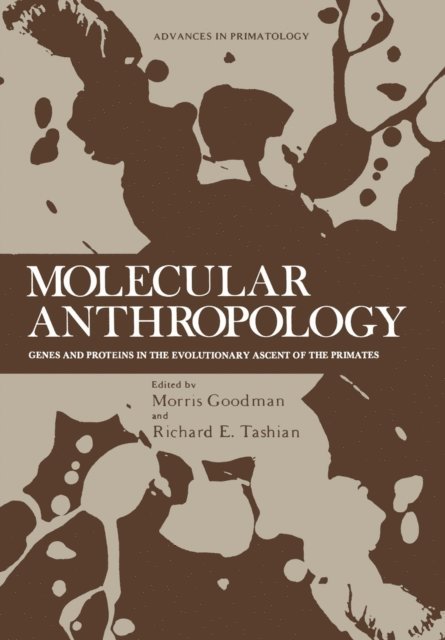
Molecular Anthropology
Genes and Proteins in the Evolutionary Ascent of the Primates
E-bok, 2012
1427 kr
Lägg i varukorg
In 1962 at the Burg Wartenstein Symposium on "Classification and Human Evolution," Emile Zuckerkandl used the term "molecular anthropology" to characterize the study of primate phylogeny and human evolution through the genetic information contained in proteins and polynucleotides. Since that time, …
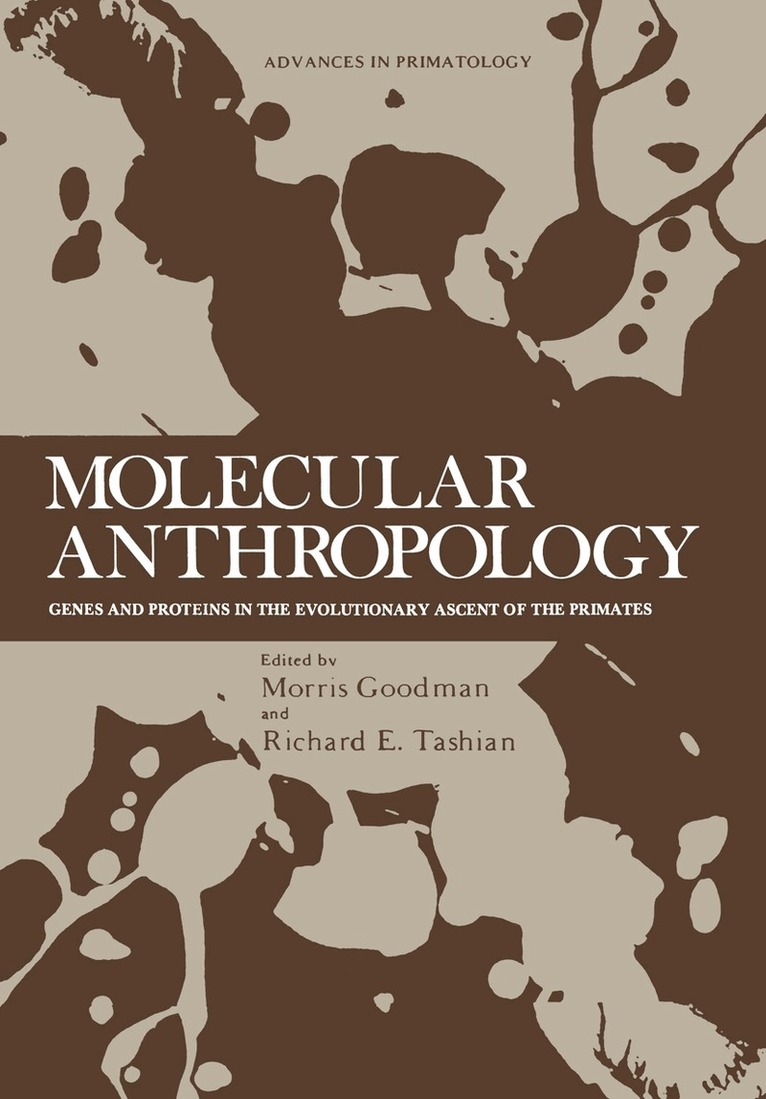
Molecular Anthropology
Genes and Proteins in the Evolutionary Ascent of the Primates
Häftad, 2013
1098 kr
Lägg i varukorg
In 1962 at the Burg Wartenstein Symposium on "Classification and Human Evolution," Emile Zuckerkandl used the term "molecular anthropology" to characterize the study of primate phylogeny and human evolution through the genetic information contained in proteins and polynucleotides. Since that time, …
Macromolecular Sequences in Systematic and Evolutionary Biology
Häftad, 2012
552 kr
Lägg i varukorg
George H. F. Nuttall pioneered the study of phylogeny through the ge- netically encoded sequence structures of proteins. His classic monograph, Blood Immllnity and Blood Relationship, was published in 1904. The findings described in this monograph testified that immunologic compar- isons of serum …
To Make a Difference
A Prescription for a Good Life
Av Morris Goodman, Joel Yanofsky
Inbunden, 2014
484 kr
Tillfälligt slut
What goes into making a life successful and what does success mean? If you think about a life as a chemical equation, then the elements are obvious: family, work, purpose. The key is discovering how to get the balance just right. In To Make a Difference, Montreal entrepreneur and philanthropist …
Cultiver La Différence
Prescription Pour Une Vie Réussie
Av Morris Goodman, Joel Yanofsky
Inbunden, 2015
499 kr
Tillfälligt slut
What goes into making a life successful and what does success mean? If you think about a life as a chemical equation, then the elements are obvious: family, work, purpose. The key is discovering how to get the balance just right. In Cultiver la différence, Montreal entrepreneur and philanthropist …