Moses E. Ochonu - Böcker
Visar alla böcker från författaren Moses E. Ochonu. Handla med fri frakt och snabb leverans.
11 produkter
11 produkter
Colonialism by Proxy
Hausa Imperial Agents and Middle Belt Consciousness in Nigeria
Inbunden, Engelska, 2014
924 kr
Skickas inom 7-10 vardagar
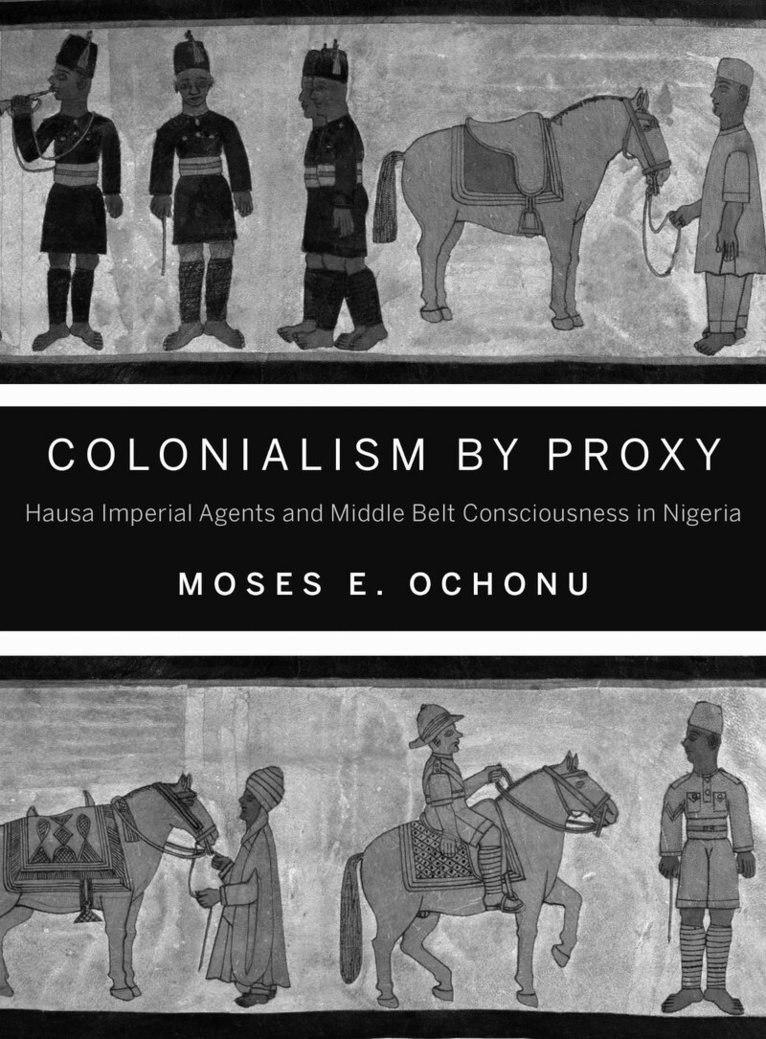
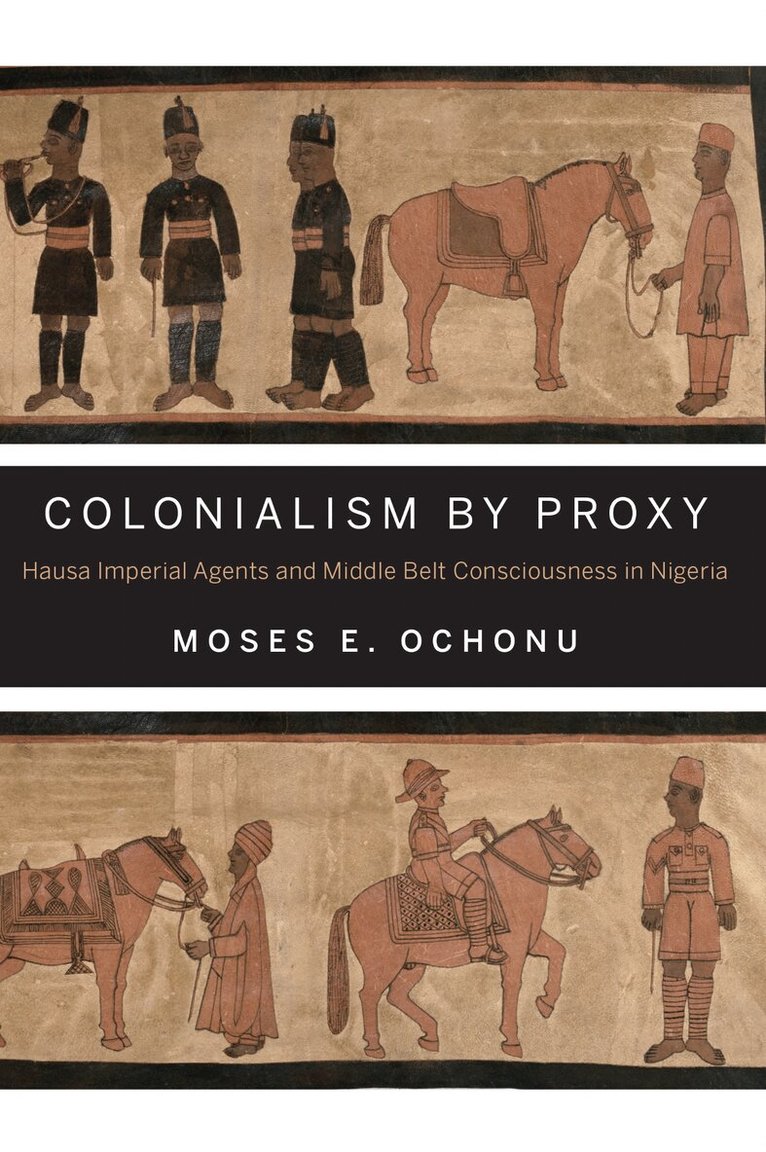
Moses E. Ochonu explores a rare system of colonialism in Middle Belt Nigeria, where the British outsourced the business of the empire to Hausa-Fulani subcolonials because they considered the area too uncivilized for Indirect Rule. Ochonu reveals that the outsiders ruled with an iron fist and imagined themselves as bearers of Muslim civilization rather than carriers of the white man's burden. Stressing that this type of Indirect Rule violated its primary rationale, Colonialism by Proxy traces contemporary violent struggles to the legacy of the dynamics of power and the charged atmosphere of religious difference.
Colonialism by Proxy
Hausa Imperial Agents and Middle Belt Consciousness in Nigeria
Häftad, Engelska, 2014
317 kr
Skickas inom 7-10 vardagar
Moses E. Ochonu explores a rare system of colonialism in Middle Belt Nigeria, where the British outsourced the business of the empire to Hausa-Fulani subcolonials because they considered the area too uncivilized for Indirect Rule. Ochonu reveals that the outsiders ruled with an iron fist and imagined themselves as bearers of Muslim civilization rather than carriers of the white man's burden. Stressing that this type of Indirect Rule violated its primary rationale, Colonialism by Proxy traces contemporary violent struggles to the legacy of the dynamics of power and the charged atmosphere of religious difference.
978 kr
Skickas inom 7-10 vardagar
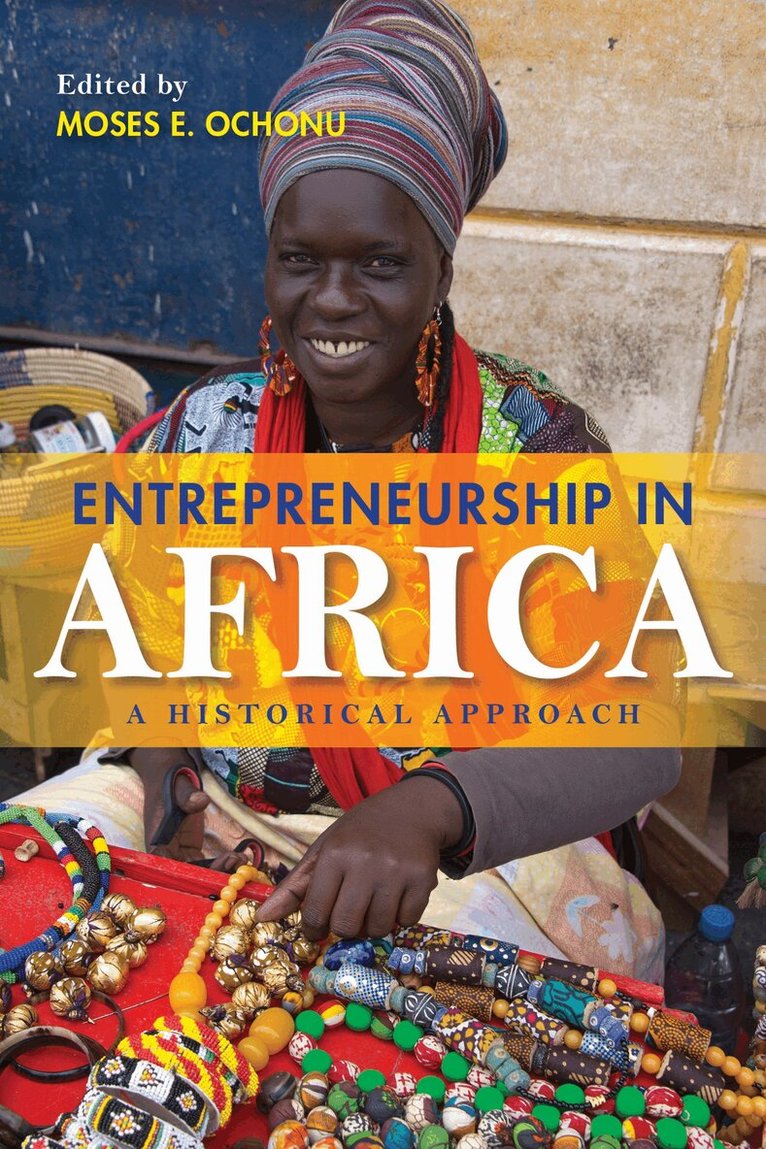
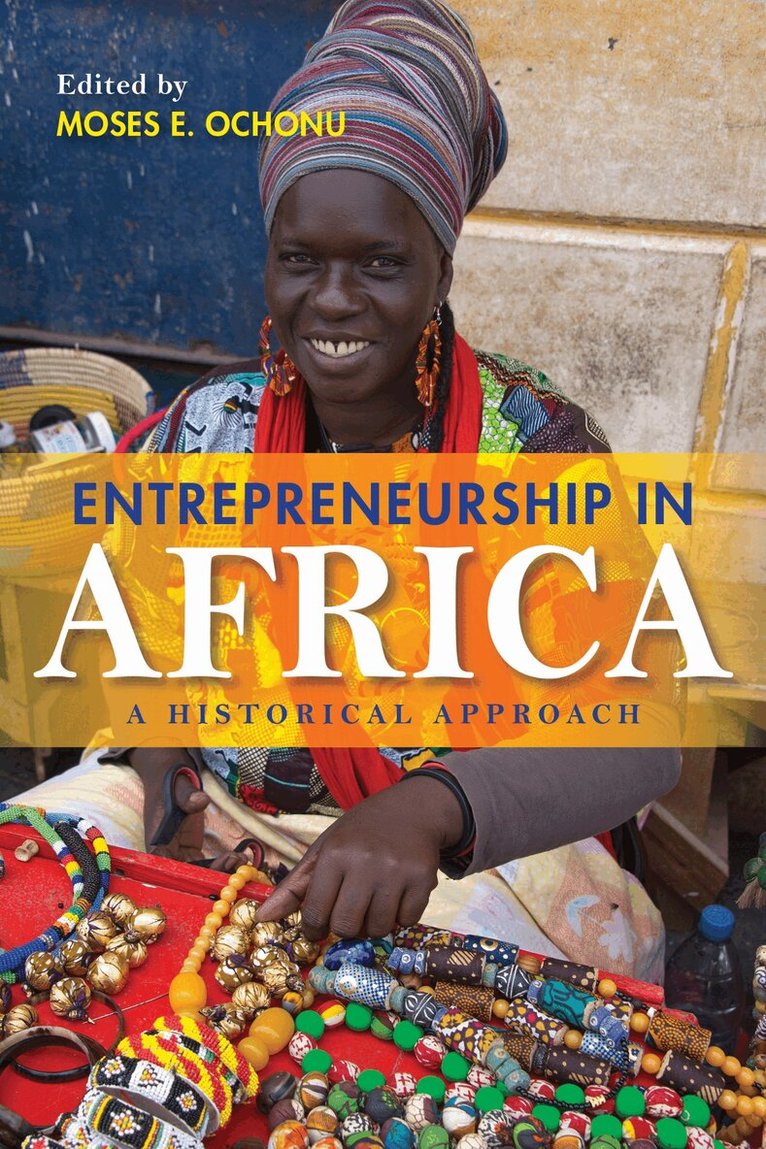
A tapestry of innovation, ideas, and commerce, Africa and its entrepreneurial hubs are deeply connected to those of the past. Moses E. Ochonu and an international group of contributors explores the lived experiences of African innovators who have created value for themselves and their communities. Profiles of vendors, farmers, craftspeople, healers, spiritual consultants, warriors, musicians, technological innovators, political mobilizers, and laborers featured in this volume show African models of entrepreneurship in action. As a whole, the essays consider the history of entrepreneurship in Africa, illustrating its multiple origins and showing how it differs from the Western capitalist experience. As they establish historical patterns of business creativity, these explorations open new avenues for understanding indigenous enterprise and homegrown commerce and their relationship to social, economic, and political debates in Africa today.
425 kr
Skickas inom 7-10 vardagar
A tapestry of innovation, ideas, and commerce, Africa and its entrepreneurial hubs are deeply connected to those of the past. Moses E. Ochonu and an international group of contributors explores the lived experiences of African innovators who have created value for themselves and their communities. Profiles of vendors, farmers, craftspeople, healers, spiritual consultants, warriors, musicians, technological innovators, political mobilizers, and laborers featured in this volume show African models of entrepreneurship in action. As a whole, the essays consider the history of entrepreneurship in Africa, illustrating its multiple origins and showing how it differs from the Western capitalist experience. As they establish historical patterns of business creativity, these explorations open new avenues for understanding indigenous enterprise and homegrown commerce and their relationship to social, economic, and political debates in Africa today.
398 kr
Skickas inom 7-10 vardagar
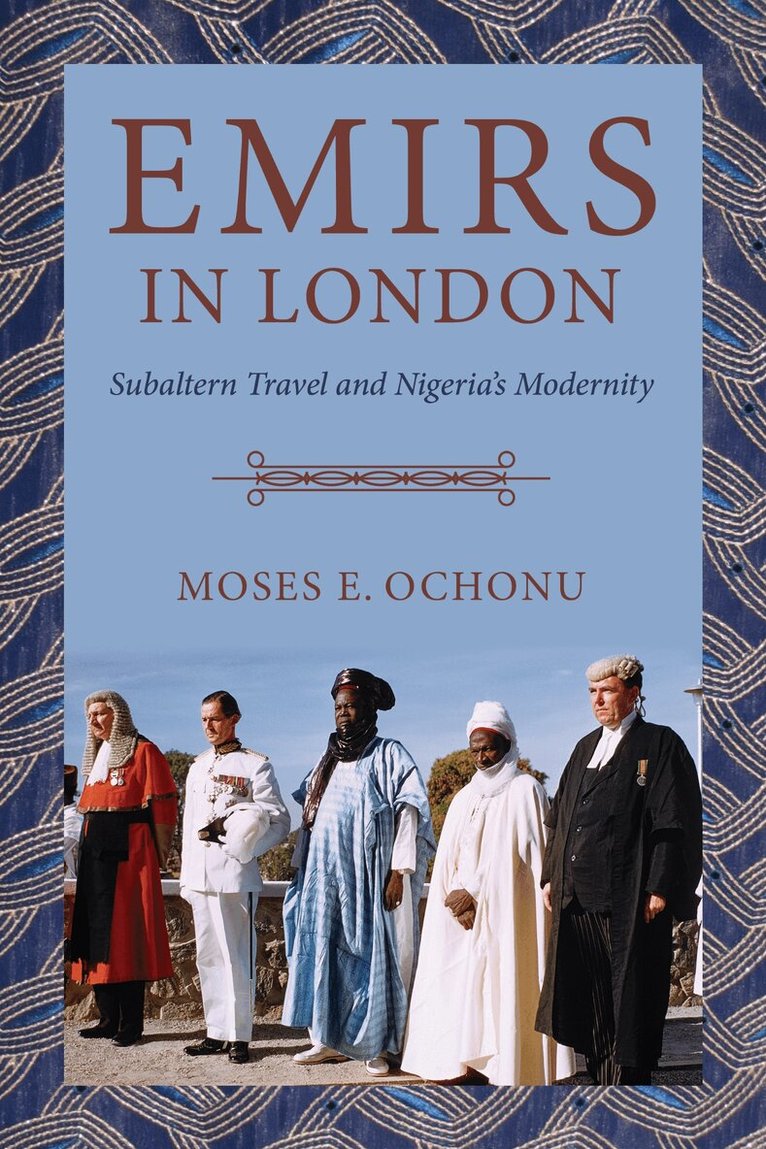
Emirs in London recounts how Northern Nigerian Muslim aristocrats who traveled to Britain between 1920 and Nigerian independence in 1960 relayed that experience to the Northern Nigerian people. Moses E. Ochonu shows how rather than simply serving as puppets and mouthpieces of the British Empire, these aristocrats leveraged their travel to the heart of the empire to reinforce their positions as imperial cultural brokers, and to translate and domesticate imperial modernity in a predominantly Muslim society. Emirs in London explores how, through their experiences visiting the heart of the British Empire, Northern Nigerian aristocrats were enabled to define themselves within the framework of the empire. In doing so, the book reveals a unique colonial sensibility that complements rather than contradicts the traditional perspectives of less privileged Africans toward colonialism.Emirs in London was named in the Brittle Paper 100 Notable African Books of 2022 list.
924 kr
Skickas inom 7-10 vardagar
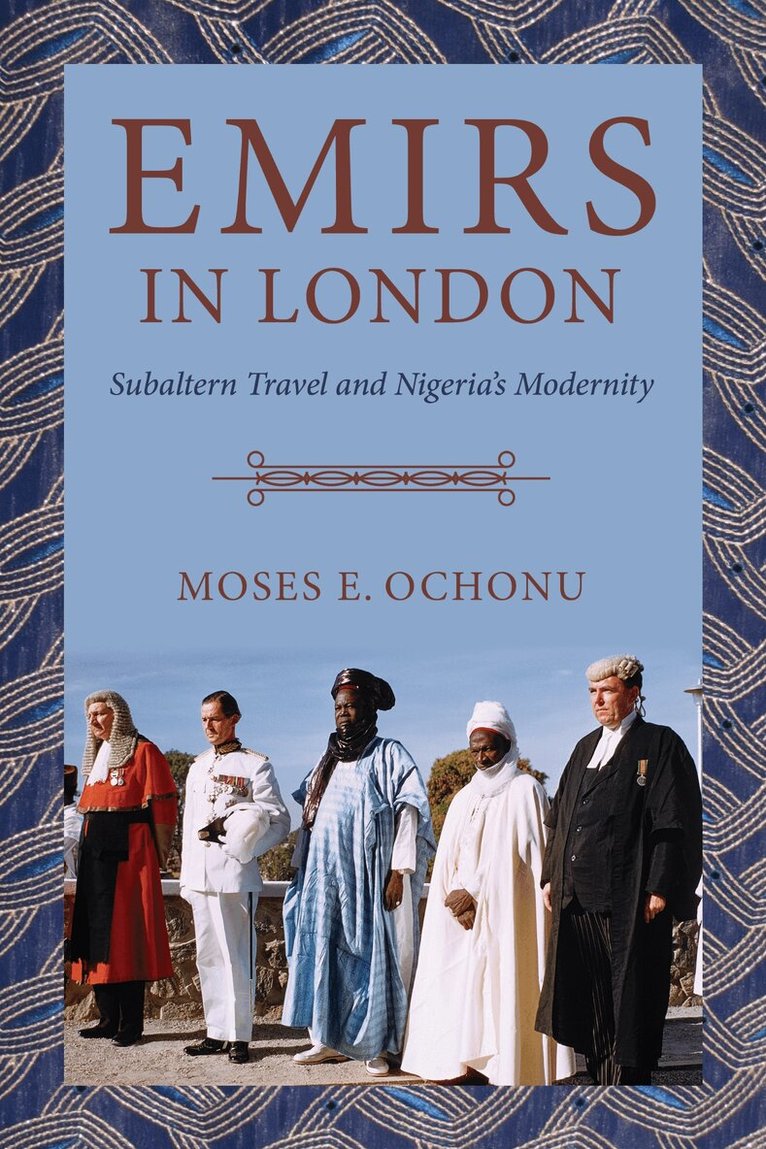
Emirs in London recounts how Northern Nigerian Muslim aristocrats who traveled to Britain between 1920 and Nigerian independence in 1960 relayed that experience to the Northern Nigerian people. Moses E. Ochonu shows how rather than simply serving as puppets and mouthpieces of the British Empire, these aristocrats leveraged their travel to the heart of the empire to reinforce their positions as imperial cultural brokers, and to translate and domesticate imperial modernity in a predominantly Muslim society. Emirs in London explores how, through their experiences visiting the heart of the British Empire, Northern Nigerian aristocrats were enabled to define themselves within the framework of the empire. In doing so, the book reveals a unique colonial sensibility that complements rather than contradicts the traditional perspectives of less privileged Africans toward colonialism.Emirs in London was named in the Brittle Paper 100 Notable African Books of 2022 list.
753 kr
Skickas inom 7-10 vardagar
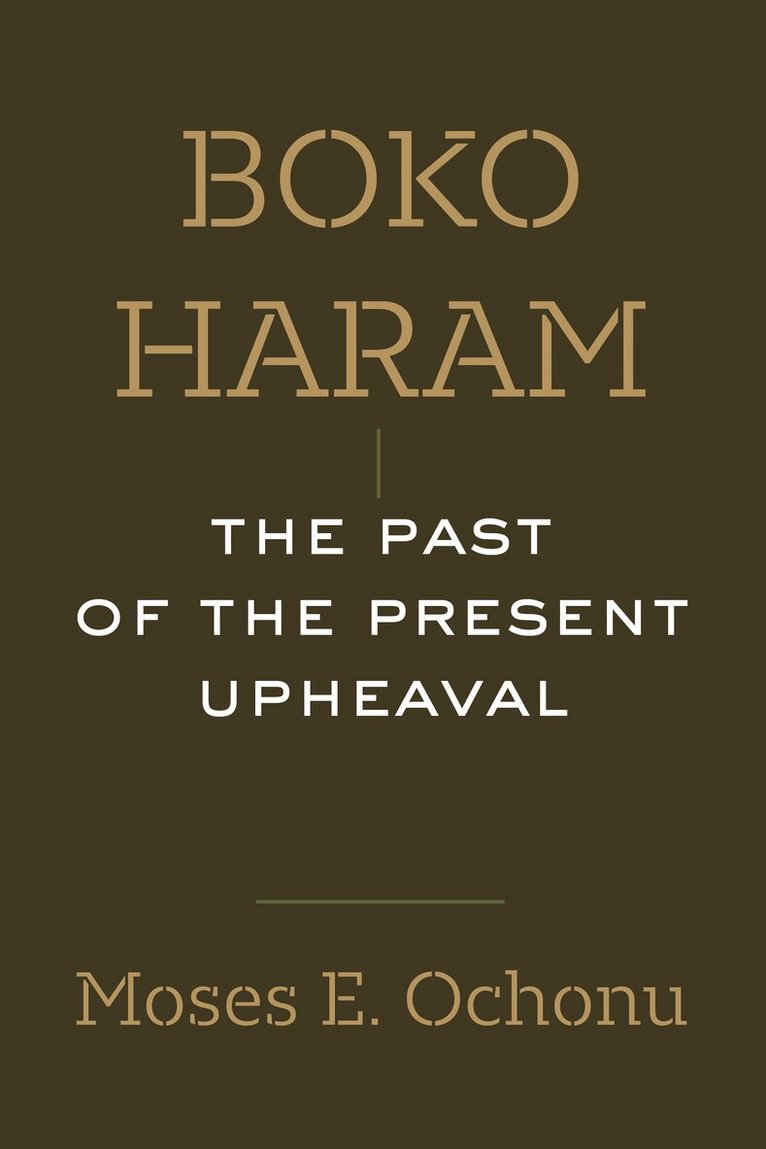
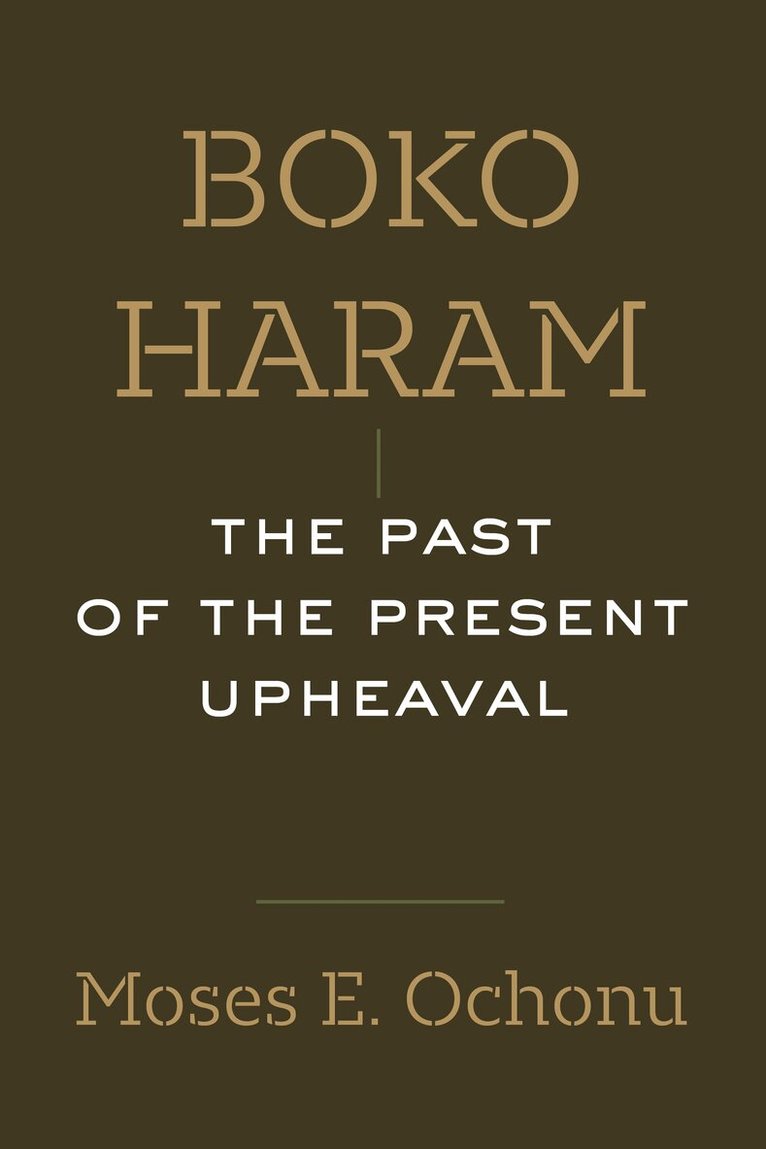
For many observers, the predation of Boko Haram, unsparing and venal in its manifestation, is shocking, and it seems to lack a local historical frame of reference that would help make it understandable. For others, Boko Haram’s self-declared jihad resonates within a long, local, contested historical memory of religious militancy. This book makes sense of these two seemingly contradictory perceptions. It explains Boko Haram’s simultaneous connection to, and disconnection from, a complex history of religious dissidence and militancy in Northern Nigeria. It also answers the question of where the militants came from, what inspired and motivated them, and whether there is a local history of militant religious rebellion that could both illuminate and challenge Boko Haram’s self-proclaimed jihad. Moses E. Ochonu analyzes the rise and evolution of the Boko Haram movement within and against the contentious religious pasts of Northern Nigeria.
312 kr
Skickas
For many observers, the predation of Boko Haram, unsparing and venal in its manifestation, is shocking, and it seems to lack a local historical frame of reference that would help make it understandable. For others, Boko Haram’s self-declared jihad resonates within a long, local, contested historical memory of religious militancy. This book makes sense of these two seemingly contradictory perceptions. It explains Boko Haram’s simultaneous connection to, and disconnection from, a complex history of religious dissidence and militancy in Northern Nigeria. It also answers the question of where the militants came from, what inspired and motivated them, and whether there is a local history of militant religious rebellion that could both illuminate and challenge Boko Haram’s self-proclaimed jihad. Moses E. Ochonu analyzes the rise and evolution of the Boko Haram movement within and against the contentious religious pasts of Northern Nigeria.
871 kr
Skickas inom 7-10 vardagar
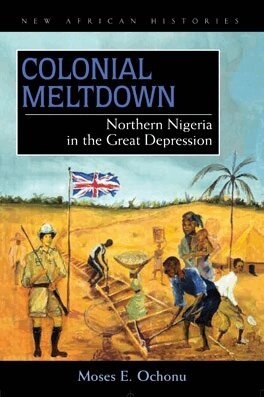
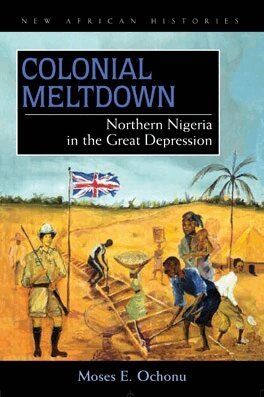
Historians of colonial Africa have largely regarded the decade of the Great Depression as a period of intense exploitation and colonial inactivity. In Colonial Meltdown, Moses E. Ochonu challenges this conventional interpretation by mapping the determined, at times violent, yet instructive responses of Northern Nigeria's chiefs, farmers, laborers, artisans, women, traders, and embryonic elites to the British colonial mismanagement of the Great Depression. Colonial Meltdown explores the unraveling of British colonial power at a moment of global economic crisis.Ochonu shows that the economic downturn made colonial exploitation all but impossible and that this dearth of profits and surpluses frustrated the colonial administration which then authorized a brutal regime of grassroots exactions and invasive intrusions. The outcomes were as harsh for Northern Nigerians as those of colonial exploitation in boom years.Northern Nigerians confronted colonial economic recovery measures and their agents with a variety of strategies. Colonial Meltdown analyzes how farmers, women, laborers, laid-off tin miners, and NorthernNigeria's emergent elite challenged and rebelled against colonial economic recovery schemes with evasive trickery, defiance, strategic acts of revenge, and criminal self-help and, in the process, exposed the weak underbelly of the colonial system.Combined with the economic and political paralysis of colonial bureaucrats in the face of crisis, these African responses underlined the fundamental weakness of the colonial state, the brittleness of its economicmission, and the limits of colonial coercion and violence. This atmosphere of colonial collapse emboldened critics of colonial policies who went on to craft the rhetorical terms on which the anticolonial struggle of the post–World War II period was fought out.In the current climate of global economic anxieties, Ochonu's analysis will enrich discussions on the transnational ramifications of economic downturns. It will also challenge the pervasive narrative of imperial economic success.
377 kr
Skickas inom 10-15 vardagar
Historians of colonial Africa have largely regarded the decade of the Great Depression as a period of intense exploitation and colonial inactivity. In Colonial Meltdown, Moses E. Ochonu challenges this conventional interpretation by mapping the determined, at times violent, yet instructive responses of Northern Nigeria's chiefs, farmers, laborers, artisans, women, traders, and embryonic elites to the British colonial mismanagement of the Great Depression. Colonial Meltdown explores the unraveling of British colonial power at a moment of global economic crisis.Ochonu shows that the economic downturn made colonial exploitation all but impossible and that this dearth of profits and surpluses frustrated the colonial administration which then authorized a brutal regime of grassroots exactions and invasive intrusions. The outcomes were as harsh for Northern Nigerians as those of colonial exploitation in boom years.Northern Nigerians confronted colonial economic recovery measures and their agents with a variety of strategies. Colonial Meltdown analyzes how farmers, women, laborers, laid-off tin miners, and NorthernNigeria's emergent elite challenged and rebelled against colonial economic recovery schemes with evasive trickery, defiance, strategic acts of revenge, and criminal self-help and, in the process, exposed the weak underbelly of the colonial system.Combined with the economic and political paralysis of colonial bureaucrats in the face of crisis, these African responses underlined the fundamental weakness of the colonial state, the brittleness of its economicmission, and the limits of colonial coercion and violence. This atmosphere of colonial collapse emboldened critics of colonial policies who went on to craft the rhetorical terms on which the anticolonial struggle of the post–World War II period was fought out.In the current climate of global economic anxieties, Ochonu's analysis will enrich discussions on the transnational ramifications of economic downturns. It will also challenge the pervasive narrative of imperial economic success.
255 kr
Skickas inom 5-8 vardagar