Mostafa Najafi – författare
Visar alla böcker från författaren Mostafa Najafi. Handla med fri frakt och snabb leverans.
4 produkter
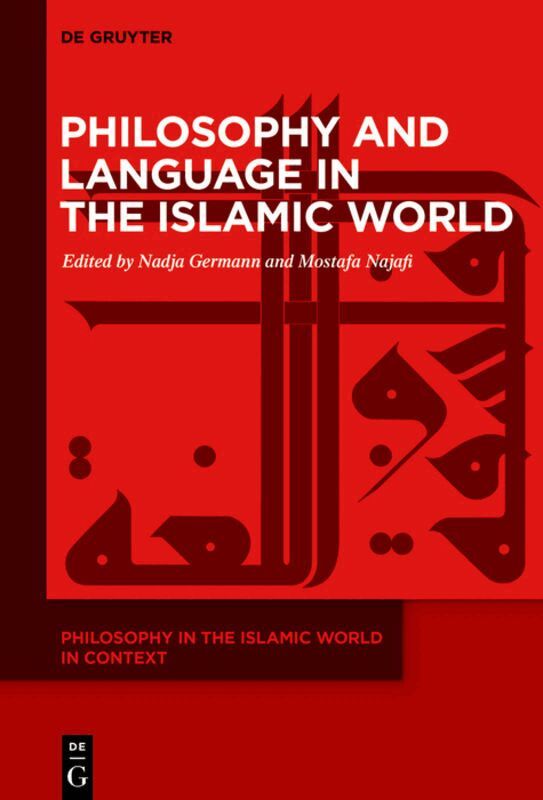
Philosophy and Language in the Islamic World
Av Nadja Germann, Mostafa Najafi
Inbunden, 2020
1742 kr
Lägg i varukorg
What is language? How did it originate and how does it work? What is its relation to thought and, beyond thought, to reality? Questions like these have been at the center of lively debate ever since the rise of scholarly activities in the Islamic world during the 8th/9th century. However, in …
Philosophy and Language in the Islamic World
Av Mostafa Najafi, Nadja Germann
E-bok, 2020
1723 kr
Lägg i varukorg
What is language? How did it originate and how does it work? What is its relation to thought and, beyond thought, to reality? Questions like these have been at the center of lively debate ever since the rise of scholarly activities in the Islamic world during the 8th/9th century. However, in …
Philosophy and Language in the Islamic World
Av Mostafa Najafi, Nadja Germann
E-bok, 2020
1761 kr
Lägg i varukorg
What is language? How did it originate and how does it work? What is its relation to thought and, beyond thought, to reality? Questions like these have been at the center of lively debate ever since the rise of scholarly activities in the Islamic world during the 8th/9th century. However, in …
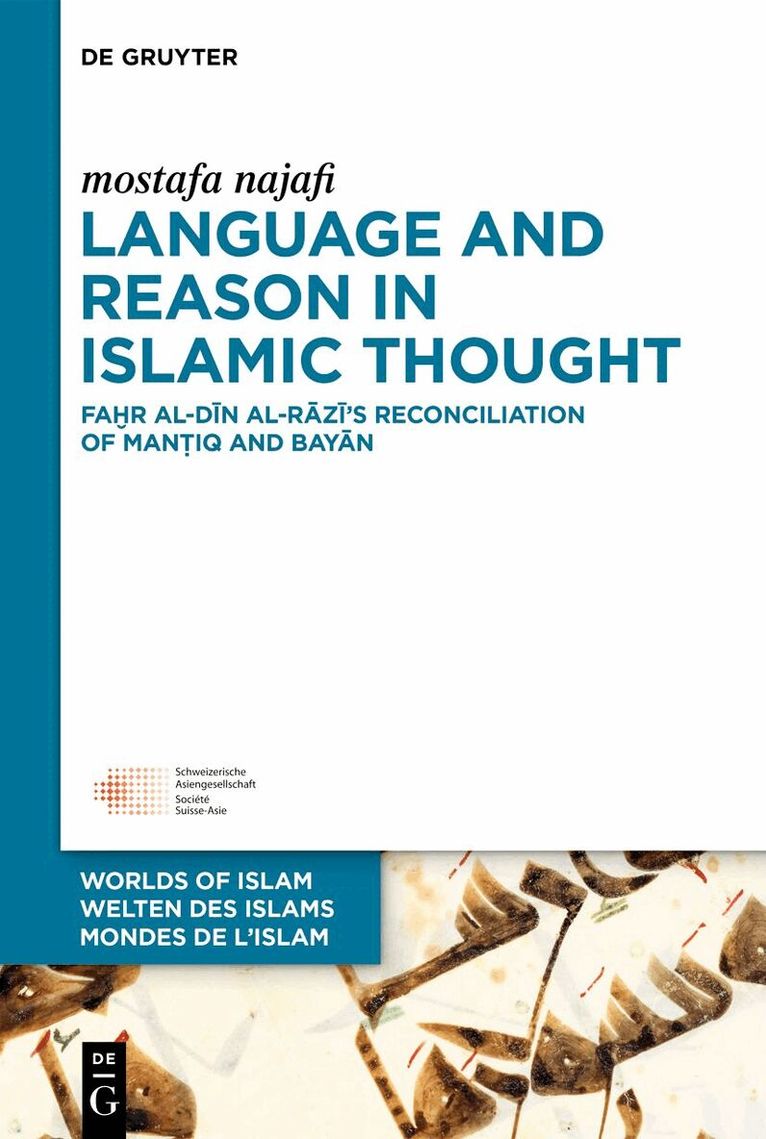
Language and Reason in Islamic Thought
Faḫr al-Dīn al-Rāzī’s Reconciliation of Manṭiq and Bayān
Inbunden, 2025
1327 kr
Lägg i varukorg
This study delves into Fakhr al-Dīn al-Rāzī's (1149–1210) theory of language, a pivotal yet underexplored facet of his intellectual legacy. Moving beyond his interactions with the Avicennian tradition, it positions al-Rāzī as an independent thinker. The work examines two often misinterpreted …