Muditha Abeysekera – författare
Visar alla böcker från författaren Muditha Abeysekera. Handla med fri frakt och snabb leverans.
3 produkter
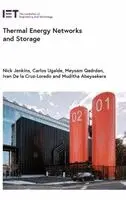
Thermal Energy Networks and Storage
Av Nick Jenkins, Carlos Ugalde m. fl.
Inbunden, 2026
1690 kr
Lägg i varukorg
Scientists and policymakers worldwide recognise that continuing to use fossil fuels (coal, oil and gas) to produce useful energy with the inevitable emissions of CO2 and other greenhouse gasses is leading to changes in the world's climate with potentially catastrophic consequences. Both mitigation …
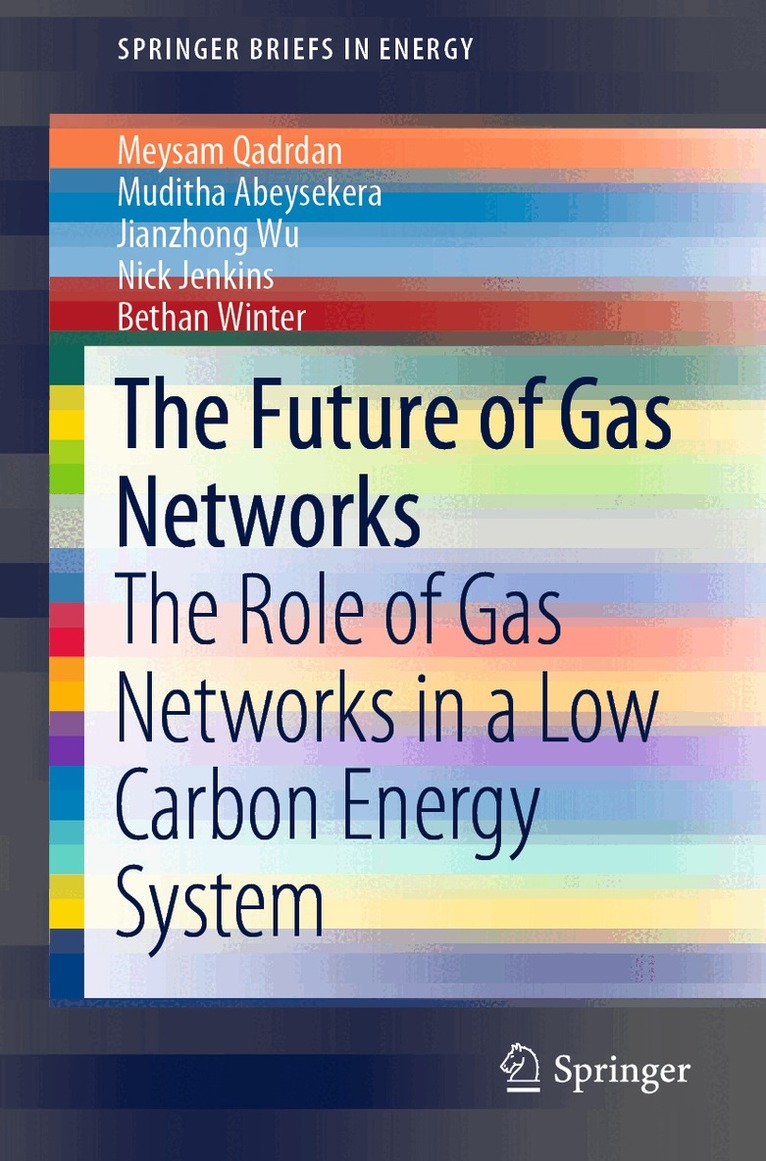
Future of Gas Networks
The Role of Gas Networks in a Low Carbon Energy System
Av Meysam Qadrdan, Muditha Abeysekera m. fl.
Häftad, 2019
548 kr
Lägg i varukorg
This book investigates the role of gas networks in future low-carbon energy systems, and discusses various decarbonisation pathways, providing insights for gas network operators, developers, and policy makers. As more countries around the world move towards low-carbon energy systems and increase …
Future of Gas Networks
The Role of Gas Networks in a Low Carbon Energy System
Av Bethan Winter, Nick Jenkins m. fl.
E-bok, 2019
734 kr
Lägg i varukorg
This book investigates the role of gas networks in future low-carbon energy systems, and discusses various decarbonisation pathways, providing insights for gas network operators, developers, and policy makers. As more countries around the world move towards low-carbon energy systems and increase …