Nick Jenkins - Böcker
Visar alla böcker från författaren Nick Jenkins. Handla med fri frakt och snabb leverans.
17 produkter
17 produkter
108 kr
Skickas inom 5-8 vardagar
Modern societies require energy systems to provide energy for cooking, heating, transport, and materials processing, as well as for electricity generation. Energy systems include the primary fuel, its conversion, and transport to the point of use. In many cases this primary fuel is still a fossil fuel, a one-use resource derived from a finite supply within our planet, causing considerable damage to the environment. After 300 years of increasing reliance on fossil fuels, particularly coal, it is becoming ever clearer that the present energy systems need to change. In this Very Short Introduction Nick Jenkins explores our historic investment in the exploitation of fossil energy resources and their current importance, and discusses the implications of our increasing rate of energy use. He considers the widespread acceptance by scientists and policy makers that our energy systems must reduce emissions of CO2 and other greenhouse gases, and looks forward to the radical changes in fuel technology that will be necessary to continue to provide energy supplies in a sustainable manner, and extend access across the developing world. Considering the impact of changing to an environmentally benign and low-carbon energy system, Jenkins also looks at future low-carbon energy systems which would use electricity from a variety of renewable energy sources, as well as the role of nuclear power in our energy use.ABOUT THE SERIES: The Very Short Introductions series from Oxford University Press contains hundreds of titles in almost every subject area. These pocket-sized books are the perfect way to get ahead in a new subject quickly. Our expert authors combine facts, analysis, perspective, new ideas, and enthusiasm to make interesting and challenging topics highly readable.
717 kr
Skickas inom 10-15 vardagar
Smart distribution networks are one of the key research topics of countries looking to modernise electric power networks. Smart Electricity Distributions Networks aims to provide a basic discussion of the smart distribution concept and new technologies related to it, including distributed energy resources (DERs), demand side integration, microgrids, CELL and virtual power plants. With writing from leading contributors in the field of smart distribution networks, this volume discusses different concepts within the field as well as the best methods to analyse smart distribution systems to provide a cohesive overview of issues relating to Smart Grid and related technologies. This book will be valuable to those with an interest in understanding the technologies and performance of smart distribution networks as well as engaging with the wider debate over the future Smart Grid.
801 kr
Skickas inom 7-10 vardagar
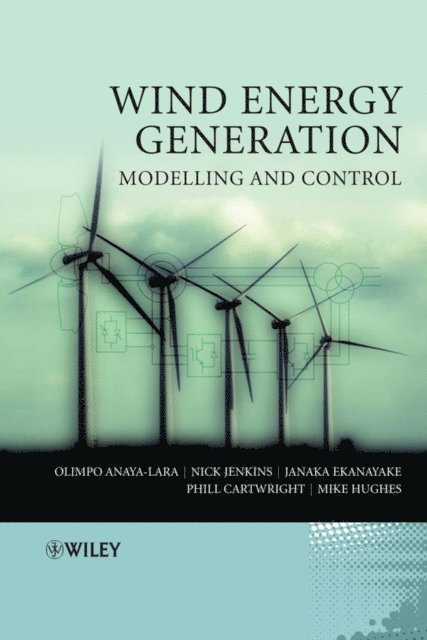
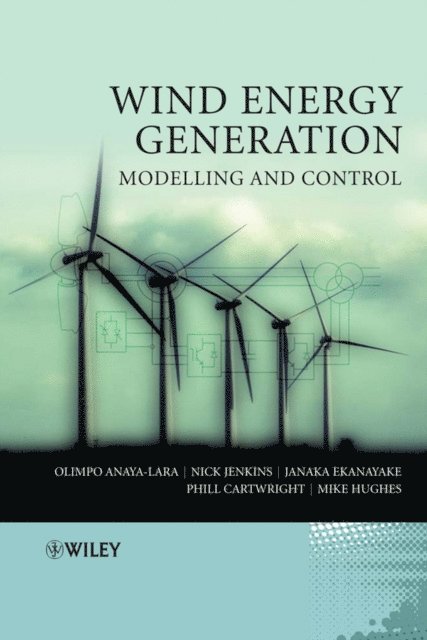
WIND ENERGY GENERATION WIND ENERGY GENERATIONMODELLING AND CONTROL With increasing concern over climate change and the security of energy supplies, wind power is emerging as an important source of electrical energy throughout the world. Modern wind turbines use advanced power electronics to provide efficient generator control and to ensure compatible operation with the power system. Wind Energy Generation describes the fundamental principles and modelling of the electrical generator and power electronic systems used in large wind turbines. It also discusses how they interact with the power system and the influence of wind turbines on power system operation and stability. Key features: Includes a comprehensive account of power electronic equipment used in wind turbines and for their grid connection.Describes enabling technologies which facilitate the connection of large-scale onshore and offshore wind farms.Provides detailed modelling and control of wind turbine systems.Shows a number of simulations and case studies which explain the dynamic interaction between wind power and conventional generation.
933 kr
Tillfälligt slut
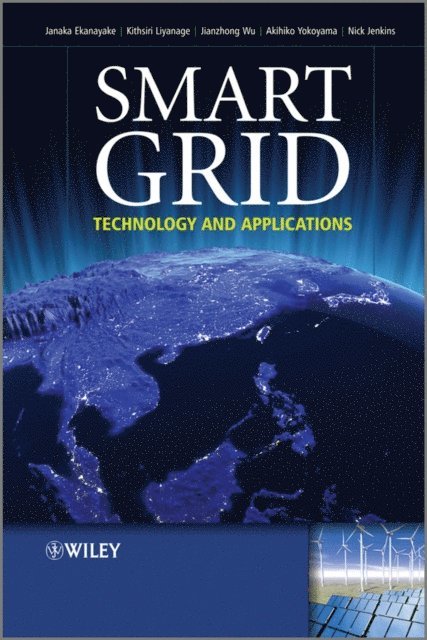
Electric power systems worldwide face radical transformation with the need to decarbonise electricity supply, replace ageing assets and harness new information and communication technologies (ICT). The Smart Grid uses advanced ICT to control next generation power systems reliably and efficiently. This authoritative guide demonstrates the importance of the Smart Grid and shows how ICT will extend beyond transmission voltages to distribution networks and customer-level operation through Smart Meters and Smart Homes.Smart Grid Technology and Applications: Clearly unravels the evolving Smart Grid concept with extensive illustrations and practical examples.Describes the spectrum of key enabling technologies required for the realisation of the Smart Grid with worked examples to illustrate the applications.Enables readers to engage with the immediate development of the power system and take part in the debate over the future Smart Grid.Introduces the constituent topics from first principles, assuming only a basic knowledge of mathematics, circuits and power systems.Brings together the expertise of a highly experienced and international author team from the UK, Sri Lanka, China and Japan.Electrical, electronics and computer engineering researchers, practitioners and consultants working in inter-disciplinary Smart Grid RD&D will significantly enhance their knowledge through this reference. The tutorial style will greatly benefit final year undergraduate and master’s students as the curriculum increasing focuses on the breadth of technologies that contribute to Smart Grid realisation.
1 769 kr
Skickas inom 3-6 vardagar
The use of combined heat and power (CHP) plants and renewable energy sources reduces the amount of greenhouse gases released into the atmosphere and helps to alleviate the consequent climate change. The policies of many governments suggest that the proportion of electrical energy produced by these sources will increase dramatically over the next two decades. Unlike traditional generating units, these new types of power plant are usually 'embedded' in the distribution system or 'dispersed' around the network. As a result, conventional design and operating practices are no longer applicable; for example, power protection principles have to be revised and complex economic questions need to be resolved.This book, intended for both students and practising engineers, addresses all the issues pertinent to the implementation of embedded generation. Much of the material was originally developed for the UMIST MSc/CPD course in Electrical Power Engineering so there is a strong tutorial element. However, since this subject is evolving very rapidly, the authors also discuss the technical and commercial consequences of the very high penetration of embedded generation that are to be expected in the years ahead.
1 872 kr
Skickas inom 3-6 vardagar
The rapid growth of wind generation has many implications for power system planning, operation and control. This would have been a considerable challenge for the old nationalised power companies; it has become an even greater challenge in today's liberalised electricity markets.Network development, voltage rise, protection, monitoring and control are connection problems common to all wind power generation. These issues are addressed through an understanding of the basic electrical engineering concepts and wind power technology. When wind power approaches 10 percent of all generation, it impinges on system operation. The underlying principles of system balancing are presented, before considering the impact of many variable generation sources whose outputs are difficult to predict. Wind power forecasting is crucial to successful wind power integration, and basic theory and current practice are considered. Storage can also help but it needs to be low cost and, ideally, based on intelligent use of existing load. Finally, electricity markets are explained and the commercial challenges facing wind power are assessed.The book provides a wide-ranging discussion on all major aspects of wind power integration into electricity supply systems. It requires no specialist knowledge and will appeal to engineers from various disciplines looking for an overview of a technology that is providing a major impetus for sustainable electricity supply in the twenty-first century.
1 667 kr
Skickas inom 3-6 vardagar
Throughout the world there is concern over the impact of energy use on the environment (particularly CO2 emissions) and also over the security of fossil fuel supplies. Consequently, governments and energy planners are actively encouraging alternative and cleaner forms of energy production such as renewables (e.g. wind, solar, biomass) and combined heat and power (CHP).The economics and locations of sustainable energy sources have meant that many of these new generators are connected into distribution networks. It is recognized that the information flow and control of distribution networks is inadequate for these future low-carbon electricity supply systems. The future distribution network will change its operation from passive to active, and the distributed generators will be controlled to support the operation of the power system. In many countries this transformation of electricity supply is managed through energy markets and privately owned, regulated transmission and distribution systems.This book discusses the connection of generation to distribution networks and then moves on to consider how sustainable generation can be fully integrated into the operation of the power system. Both technical and economic aspects are addressed. It is written for later-year undergraduate and postgraduate students studying courses on energy. The book has four tutorial chapters (with examples and questions) to provide fundamental material for those without a strong electrical engineering background.
625 kr
Fully revised and updated, this second edition provides students with a quantitative and accessible introduction to the renewable technologies at the heart of efforts to build a sustainable future. Key features include new chapters on essential topics in energy storage, off-grid systems, microgrids and community energy; revised chapters on energy and grid fundamentals, wind energy, hydro power, photovoltaic and solar thermal energy, marine energy and bioenergy; appendices on foundational topics in electrical engineering, heat transfer and fluid dynamics; discussion of how real-world projects are developed, constructed and operated; over 60 worked examples linking theory to real-world engineering applications; and over 150 end-of-chapter homework problems, with solutions for instructors. Accompanied online at www.cambridge.org/jenkins2e by extended exercises and datasets, enabling instructors to create unique projects and coursework, this new edition remains the ideal multi-disciplinary introduction to renewable energy, for senior undergraduate and graduate students in engineering and the physical sciences.
1 175 kr
Skickas inom 7-10 vardagar
Fully revised and updated, this second edition provides students with a quantitative and accessible introduction to the renewable technologies at the heart of efforts to build a sustainable future. Key features include new chapters on essential topics in energy storage, off-grid systems, microgrids and community energy; revised chapters on energy and grid fundamentals, wind energy, hydro power, photovoltaic and solar thermal energy, marine energy and bioenergy; appendices on foundational topics in electrical engineering, heat transfer and fluid dynamics; discussion of how real-world projects are developed, constructed and operated; over 60 worked examples linking theory to real-world engineering applications; and over 150 end-of-chapter homework problems, with solutions for instructors. Accompanied online at www.cambridge.org/jenkins2e by extended exercises and datasets, enabling instructors to create unique projects and coursework, this new edition remains the ideal multi-disciplinary introduction to renewable energy, for senior undergraduate and graduate students in engineering and the physical sciences.
1 450 kr
Skickas inom 7-10 vardagar
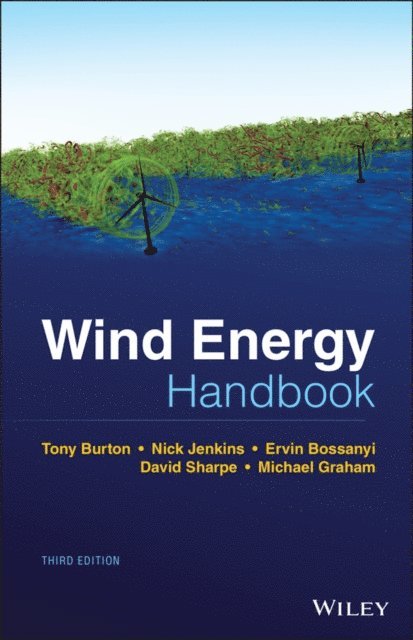
Fully updated and authoritative reference to wind energy technology written by leading academic and industry professionalsThe newly revised Third Edition of the Wind Energy Handbook delivers a fully updated treatment of key developments in wind technology since the publication of the book's Second Edition in 2011. The criticality of wakes within wind farms is addressed by the addition of an entirely new chapter on wake effects, including 'engineering' wake models and wake control. Offshore, attention is focused for the first time on the design of floating support structures, and the new 'PISA' method for monopile geotechnical design is introduced.The coverage of blade design has been completely rewritten, with an expanded description of laminate fatigue properties and new sections on manufacturing methods, blade testing, leading-edge erosion and bend-twist coupling. These are complemented by new sections on blade add-ons and noise in the aerodynamics chapters, which now also include a description of the Leishman-Beddoes dynamic stall model and an extended introduction to Computational Fluid Dynamics analysis.The importance of the environmental impact of wind farms both on- and offshore is recognized by expanded coverage, and the requirements of the Grid Codes to ensure wind energy plays its full role in the power system are described. The conceptual design chapter has been extended to include a number of novel concepts, including low induction rotors, multiple rotor structures, superconducting generators and magnetic gearboxes.References and further reading resources are included throughout the book and have been updated to cover the latest literature. As in previous editions, the core subjects constituting the essential background to wind turbine and wind farm design are covered. These include: The nature of the wind resource, including geographical variation, synoptic and diurnal variations, and turbulence characteristicsThe aerodynamics of horizontal axis wind turbines, including the actuator disc concept, rotor disc theory, the vortex cylinder model of the actuator disc and the Blade-Element/Momentum theoryDesign loads for horizontal axis wind turbines, including the prescriptions of international standardsAlternative machine architecturesThe design of key componentsWind turbine controller design for fixed and variable speed machinesThe integration of wind farms into the electrical power systemWind farm design, siting constraints, and the assessment of environmental impactPerfect for engineers and scientists learning about wind turbine technology, the Wind Energy Handbook will also earn a place in the libraries of graduate students taking courses on wind turbines and wind energy, as well as industry professionals whose work requires a deep understanding of wind energy technology.
287 kr
Skickas inom 5-8 vardagar
2 306 kr
Skickas inom 10-15 vardagar
Smart distribution networks are one of the key research topics of countries looking to modernise electric power networks. Smart Electricity Distributions Networks aims to provide a basic discussion of the smart distribution concept and new technologies related to it, including distributed energy resources (DERs), demand side integration, microgrids, CELL and virtual power plants. With writing from leading contributors in the field of smart distribution networks, this volume discusses different concepts within the field as well as the best methods to analyse smart distribution systems to provide a cohesive overview of issues relating to Smart Grid and related technologies. This book will be valuable to those with an interest in understanding the technologies and performance of smart distribution networks as well as engaging with the wider debate over the future Smart Grid.
1 628 kr
Skickas inom 5-8 vardagar
127 kr
Skickas
In this collection of landscape images Nick Jenkins showcases the remote yet accessible attraction of this ever-popular visitor location. -- Cyngor Llyfrau Cymru
1 616 kr
Kommande
Scientists and policymakers worldwide recognise that continuing to use fossil fuels (coal, oil and gas) to produce useful energy with the inevitable emissions of CO2 and other greenhouse gasses is leading to changes in the world's climate with potentially catastrophic consequences. Both mitigation of the emissions of greenhouse gases as well as adaptation to the changing environment are urgently required to manage the worst effects of climate change.Limiting greenhouse gas emissions from thermal energy is a key part of the solution, with its own set of challenges and opportunities. Widespread use of technologies for transporting and storing thermal energy is needed. District heating and cooling networks are well established in some countries but are now being adopted much more widely. Low carbon thermal energy can be sourced from heat pumps, combined heat and power plants using renewable fuels, and from waste heat, increasingly from IT facilities. Technologies exist at various power levels and timescales. Energy storage materials range from water and concrete to phase change materials.Thermal Energy Networks and Storage discusses thermal energy networks and thermal energy storage as well as buildings that maintain comfortable temperatures with minimum energy requirements. Chapters systematically cover these topics, and then the necessary integration of thermal energy and electricity networks.This book has been written with an audience of research and development professionals, providers of thermal energy network components as well as academic researchers in mind. It will also be a valuable reference for undergraduate and postgraduate students with an interest in thermal energy.
1 667 kr
Skickas inom 3-6 vardagar
The rapid growth of wind generation has many implications for power system planning, operation and control. Network development, voltage rise, protection, monitoring and control are connection problems common to all wind power generation.Wind Power Integration: Connection and System Operational Aspects, 2nd edition has been fully revised and updated to take account of the significant growth in wind power deployment in the past few years to provide a wide-ranging discussion on all major aspects of wind power integration into electricity supply systems. Topics covered include: the development of wind power technology and its world-wide deploymenta primer in electric power engineering for non-electrical engineers - which system delivers significant wind energy to consumers at least cost?wind power technology and the interaction of various wind turbine generator types with the utility networkutility networks, and how they may be developed to accept significant wind powerhow operational practice can be modified to take account of a variable power source with limited scope for controlwind power forecastingthe challenges faced by wind energy in modern electricity marketsThis second edition has been fully revised and updated to take account of the significant growth in wind power deployment in the past few years. New discussions have been added to describe developments in wind turbine generator technology and control, the network integration of wind power, innovative ways to integrate wind power when its generation potential exceeds 50% of demand, case studies on how forecasting errors have affected system operation, and an update on how the wind energy sector has fared in the marketplace.Wind Power Integration: Connection and System Operational Aspects, 2nd edition will appeal to engineers from various disciplines looking for an overview of a technology that is providing a major impetus for sustainable electricity supply in the twenty-first century.
537 kr
Skickas inom 10-15 vardagar
This book investigates the role of gas networks in future low-carbon energy systems, and discusses various decarbonisation pathways, providing insights for gas network operators, developers, and policy makers. As more countries around the world move towards low-carbon energy systems and increase their exploitation of renewable energy sources, the use of natural gas and the associated infrastructure is expected to undergo a substantial transformation. As such there is a great uncertainty regarding the future role of gas networks and how they will be operated in coming years.The topics addressed include:Fundamentals of gas network operationThe impact of variable renewable electricity generation on the operation and expansion of gas networksThe impact of decarbonising heat supplies on gas networksOpportunities and challenges of utilising gas networks to transport alternative low-carbon gases such as bio-methane and hydrogen