Meysam Qadrdan - Böcker
Visar alla böcker från författaren Meysam Qadrdan. Handla med fri frakt och snabb leverans.
3 produkter
3 produkter
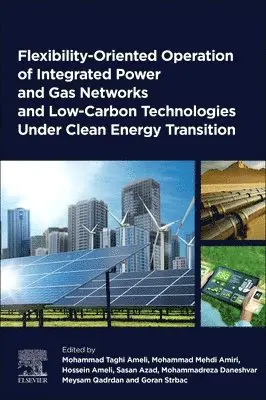
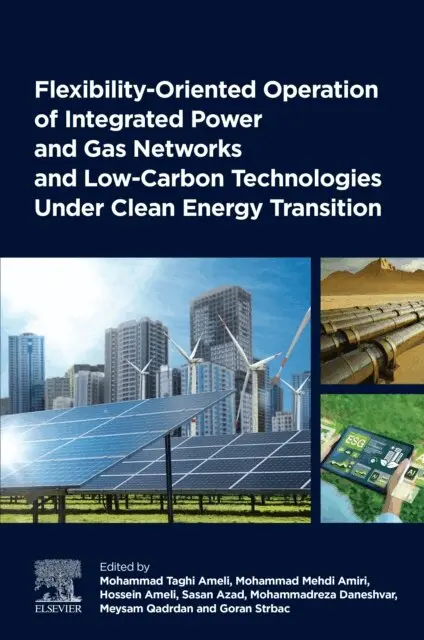
Flexibility-Oriented Operation of Integrated Power and Gas Networks and Low-Carbon Technologies Under Clean Energy Transition
Häftad, Engelska, 2026
1 934 kr
Kommande
Flexibility-Oriented Operation of Integrated Power and Gas Networks and Low-Carbon Technologies Under Clean Energy Transition examines the critical role that integrated gas and electricity networks play in achieving a sustainable, low-carbon energy future. Sections cover innovative low-carbon technologies, such as hydrogen and ammonia, while addressing synthesis, storage, and transportation hurdles. Its detailed content covers the flexibility of coupled gas and electricity networks, operational strategies for achieving net-zero carbon emissions, and intelligent methods for assessing network adaptability. Users will find a conceptual overview of decarbonization efforts for integrated energy systems and discussions on the feasibility of integrating artificial intelligence (AI) in these processes. Further, the book discusses the decoupling of emissions from economic growth, the role of negative emission technologies (NETs), and the application of innovative energy solutions such as gas carbon capture and storage (CCS) and hydrogen production. Case studies illustrate successful implementations of integrated networks worldwide, highlighting challenges and key lessons learned. It not only highlights the urgent need for flexibility in these interconnected systems, particularly through demand-side management and energy storage systems, but also addresses the pressing challenges posed by climate change and the transition away from fossil fuels.Explores the flexibility mechanisms necessary for the effective integration of gas and electricity networks, focusing on demand response and energy storage solutions that enhance system resilience and grid optimizationExamines operational and optimization strategies aimed at achieving net-zero carbon emissions within integrated gas and electricity networksInvestigates the feasibility and application of artificial intelligence in the decarbonization of integrated energy networksDiscusses the role of negative emission technologies (NETs) in contributing to low-carbon gas and electricity networksPresents real-world case studies of successful integrated gas and electricity networks, showcasing lessons learned and best practices
1 616 kr
Kommande
Scientists and policymakers worldwide recognise that continuing to use fossil fuels (coal, oil and gas) to produce useful energy with the inevitable emissions of CO2 and other greenhouse gasses is leading to changes in the world's climate with potentially catastrophic consequences. Both mitigation of the emissions of greenhouse gases as well as adaptation to the changing environment are urgently required to manage the worst effects of climate change.Limiting greenhouse gas emissions from thermal energy is a key part of the solution, with its own set of challenges and opportunities. Widespread use of technologies for transporting and storing thermal energy is needed. District heating and cooling networks are well established in some countries but are now being adopted much more widely. Low carbon thermal energy can be sourced from heat pumps, combined heat and power plants using renewable fuels, and from waste heat, increasingly from IT facilities. Technologies exist at various power levels and timescales. Energy storage materials range from water and concrete to phase change materials.Thermal Energy Networks and Storage discusses thermal energy networks and thermal energy storage as well as buildings that maintain comfortable temperatures with minimum energy requirements. Chapters systematically cover these topics, and then the necessary integration of thermal energy and electricity networks.This book has been written with an audience of research and development professionals, providers of thermal energy network components as well as academic researchers in mind. It will also be a valuable reference for undergraduate and postgraduate students with an interest in thermal energy.
538 kr
Skickas inom 10-15 vardagar
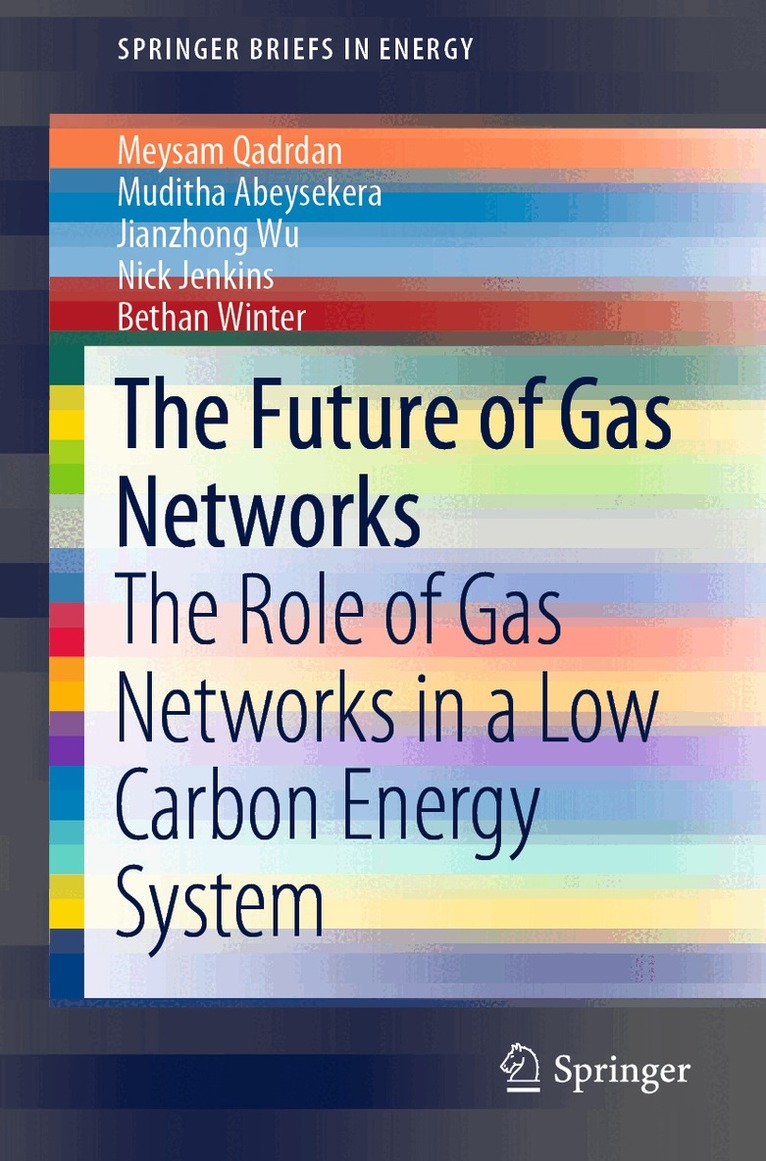
This book investigates the role of gas networks in future low-carbon energy systems, and discusses various decarbonisation pathways, providing insights for gas network operators, developers, and policy makers. As more countries around the world move towards low-carbon energy systems and increase their exploitation of renewable energy sources, the use of natural gas and the associated infrastructure is expected to undergo a substantial transformation. As such there is a great uncertainty regarding the future role of gas networks and how they will be operated in coming years.The topics addressed include:Fundamentals of gas network operationThe impact of variable renewable electricity generation on the operation and expansion of gas networksThe impact of decarbonising heat supplies on gas networksOpportunities and challenges of utilising gas networks to transport alternative low-carbon gases such as bio-methane and hydrogen