Muhammad Ayub – författare
Visar alla böcker från författaren Muhammad Ayub. Handla med fri frakt och snabb leverans.
11 produkter
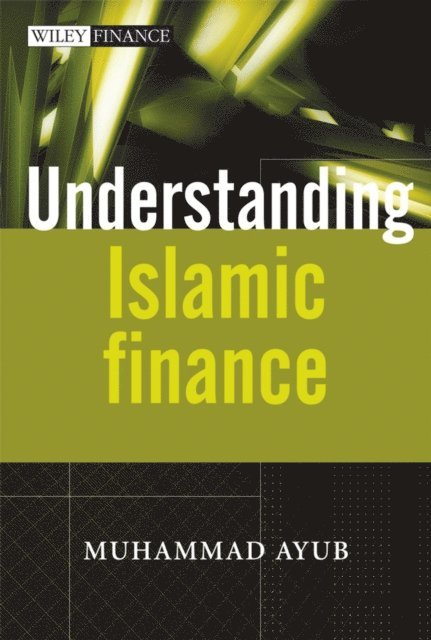
Understanding Islamic Finance
Inbunden, 2007
647 kr
Lägg i varukorg
In Understanding Islamic Finance Muhammad Ayub introduces all the essential elements of this growing market by providing an in-depth background to the subject and clear descriptions of all the major products and processes associated with Islamic finance. Key features include: Discussion of the …
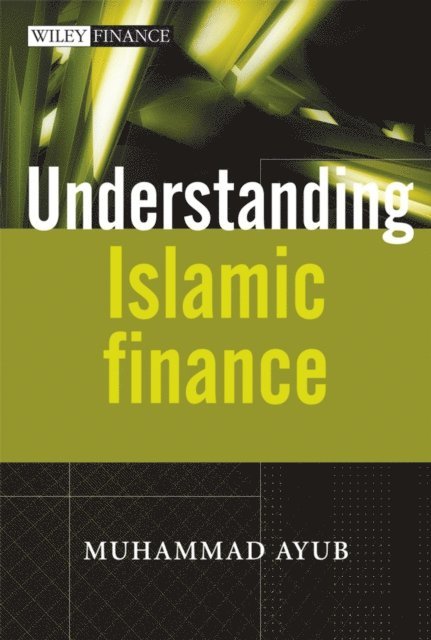
Understanding Islamic Finance
E-bok, 2009
739 kr
Lägg i varukorg
In Understanding Islamic Finance Muhammad Ayub introduces all the essential elements of this growing market by providing an in-depth background to the subject and clear descriptions of all the major products and processes associated with Islamic finance. Key features include: Discussion of the …
Understanding Islamic Finance
E-bok, 2008
756 kr
Lägg i varukorg
In Understanding Islamic Finance Muhammad Ayub introduces all the essential elements of this growing market by providing an in-depth background to the subject and clear descriptions of all the major products and processes associated with Islamic finance. Key features include: Discussion of the …
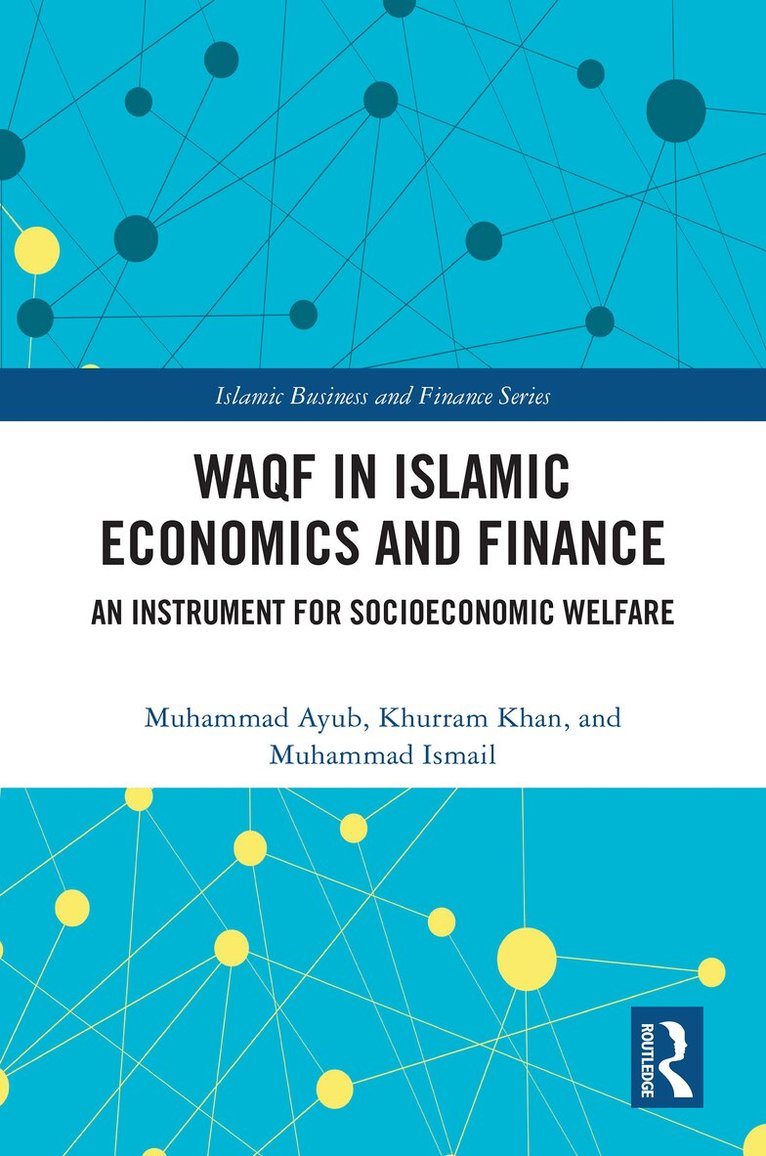
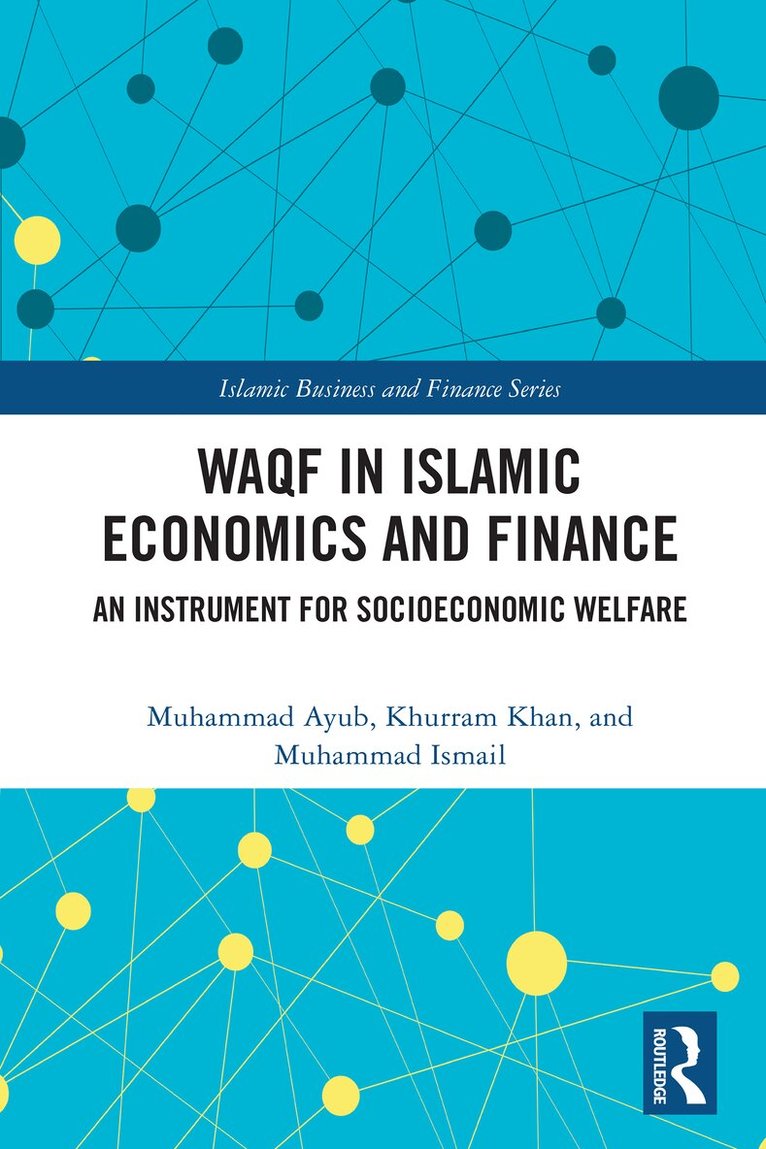
Waqf in Islamic Economics and Finance
An Instrument for Socioeconomic Welfare
Av Muhammad Ayub, Khurram Khan m. fl.
Inbunden, 2024
2578 kr
Lägg i varukorg
Waqf is emerging globally as a distinctive institution, serving as a vital bridge between societal and economic needs, and resource allocation. Waqfs functioning in some parts of the world, of a variety of assets such as cash, stocks, securities, intellectual property rights, and other financial …
Waqf in Islamic Economics and Finance
An Instrument for Socioeconomic Welfare
Av Muhammad Ayub, Khurram Khan m. fl.
Häftad, 2026
704 kr
Lägg i varukorg
Waqf is emerging globally as a distinctive institution, serving as a vital bridge between societal and economic needs, and resource allocation. Waqfs functioning in some parts of the world, of a variety of assets such as cash, stocks, securities, intellectual property rights, and other financial …
Waqf in Islamic Economics and Finance
An Instrument for Socioeconomic Welfare
Av Muhammad Ismail, Khurram Khan m. fl.
E-bok, 2024
805 kr
Lägg i varukorg
Waqf is emerging globally as a distinctive institution, serving as a vital bridge between societal and economic needs, and resource allocation. Waqfs functioning in some parts of the world, of a variety of assets such as cash, stocks, securities, intellectual property rights, and other financial …
Waqf in Islamic Economics and Finance
An Instrument for Socioeconomic Welfare
Av Muhammad Ismail, Khurram Khan m. fl.
E-bok, 2024
813 kr
Lägg i varukorg
Waqf is emerging globally as a distinctive institution, serving as a vital bridge between societal and economic needs, and resource allocation. Waqfs functioning in some parts of the world, of a variety of assets such as cash, stocks, securities, intellectual property rights, and other financial …
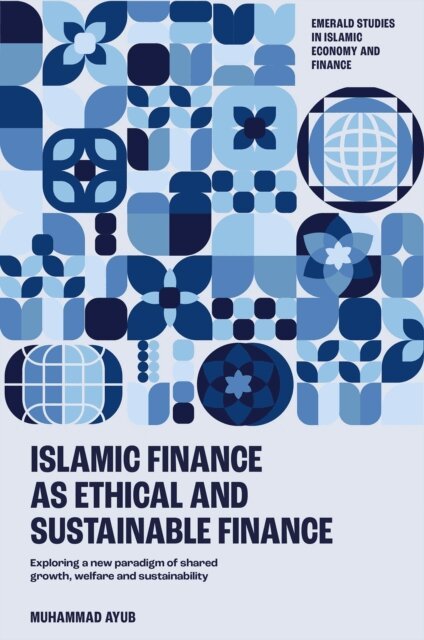
Islamic Finance as an Ethical and Responsible Finance
Exploring a New Paradigm of Shared Growth, Welfare, and Sustainability
E-bok, 2026
1338 kr
Lägg i varukorg
In an era of recurring financial crises, rising inequality, and environmental stress, Islamic Finance as an Ethical and Responsible Finance by Professor Dr. Muhammad Ayub offers a transformative vision for global finance. It critiques the excesses of interest-based, speculative, and ethically …
Islamic Finance as an Ethical and Responsible Finance
Exploring a New Paradigm of Shared Growth, Welfare, and Sustainability
Inbunden, 2026
1228 kr
Lägg i varukorg
In an era of recurring financial crises, rising inequality, and environmental stress, Islamic Finance as an Ethical and Responsible Finance by Professor Dr. Muhammad Ayub offers a transformative vision for global finance. It critiques the excesses of interest-based, speculative, and ethically …
Islamic Finance as an Ethical and Responsible Finance
Exploring a New Paradigm of Shared Growth, Welfare, and Sustainability
E-bok, 2026
1295 kr
Lägg i varukorg
In an era of recurring financial crises, rising inequality, and environmental stress, Islamic Finance as an Ethical and Responsible Finance by Professor Dr. Muhammad Ayub offers a transformative vision for global finance. It critiques the excesses of interest-based, speculative, and ethically …
Financial System Transformation for Welfare and Sustainability
Pakistan as an Illustrative Case
Inbunden, 2026
1367 kr
Kommande
This volume responds to persistent financial instability, widening inequality, and recurrent sovereign debt crises associated with interest rate-centered monetary systems. It contends that these challenges are structural in nature and therefore necessitate comprehensive institutional redesign …