
Mylan Engel Jr. – författare
Visar alla böcker från författaren Mylan Engel Jr.. Handla med fri frakt och snabb leverans.
3 produkter
3 produkter
Inbunden, Engelska, 2016
1 631 kr
Skickas inom 10-15 vardagar
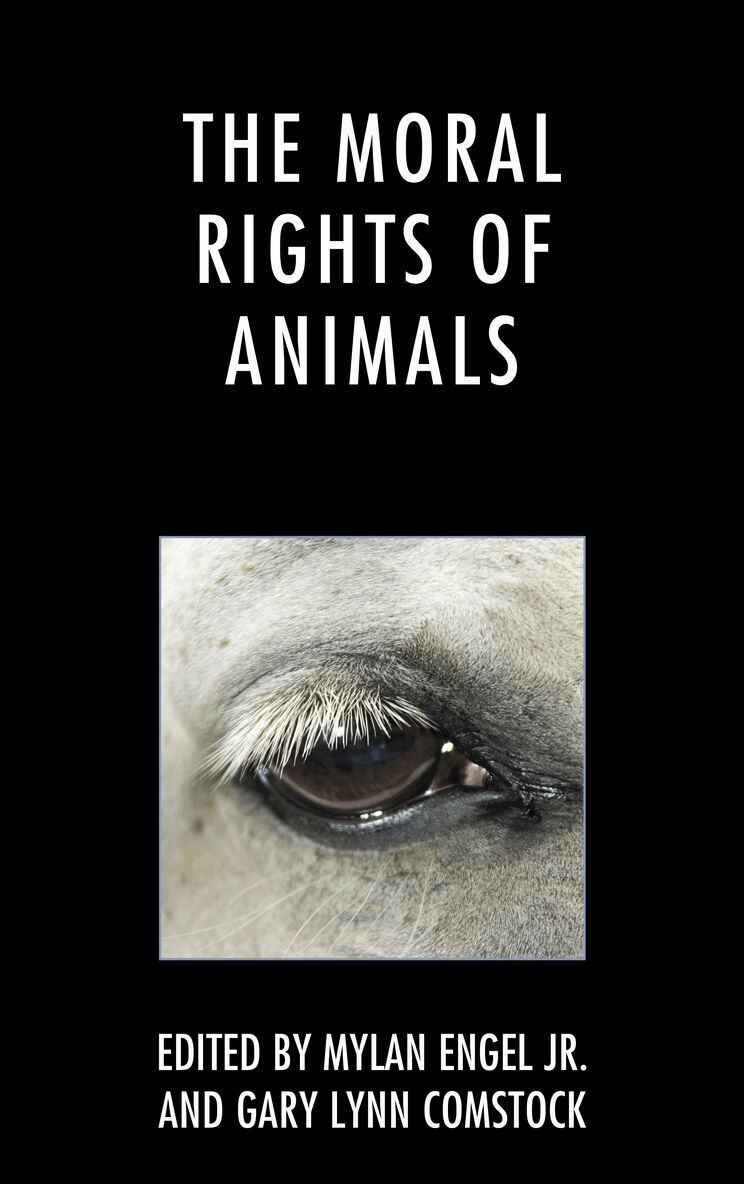
Edited by Mylan Engel Jr. and Gary Lynn Comstock, this book employs different ethical lenses, including classical deontology, libertarianism, commonsense morality, virtue ethics, utilitarianism, and the capabilities approach, to explore the philosophical basis for the strong animal rights view, which holds that animals have moral rights equal in strength to the rights of humans, while also addressing what are undoubtedly the most serious challenges to the strong animal rights stance, including the challenges posed by rights nihilism, the “kind” argument against animal rights, the problem of predation, and the comparative value of lives. In addition, contributors explore the practical import of animal rights both from a social policy standpoint and from the standpoint of personal ethical decisions concerning what to eat and whether to hunt animals. Unlike other volumes on animal rights, which focus primarily on the legal rights of animals, and unlike other anthologies on animal ethics, which tend to cover a wide variety of topics but only devote a few articles to each topic, this volume focuses exclusively on the question of whether animals have moral rights and the practical import of such rights. The Moral Rights of Animals will be an indispensable resource for scholars, teachers, and students in the fields of animal ethics, applied ethics, ethical theory, and human-animal studies, as well as animal rights advocates and policy makers interested in improving the treatment of animals.
Häftad, Engelska, 2018
684 kr
Skickas inom 10-15 vardagar
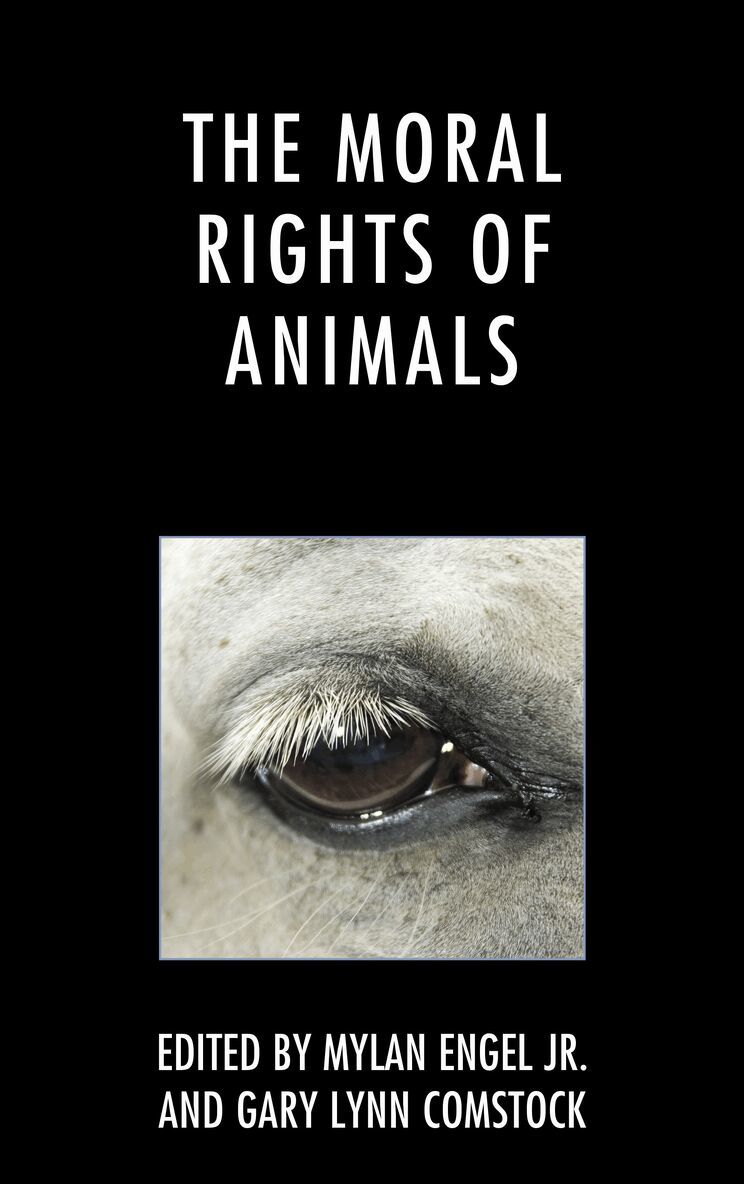
Edited by Mylan Engel Jr. and Gary Lynn Comstock, this book employs different ethical lenses, including classical deontology, libertarianism, commonsense morality, virtue ethics, utilitarianism, and the capabilities approach, to explore the philosophical basis for the strong animal rights view, which holds that animals have moral rights equal in strength to the rights of humans, while also addressing what are undoubtedly the most serious challenges to the strong animal rights stance, including the challenges posed by rights nihilism, the “kind” argument against animal rights, the problem of predation, and the comparative value of lives. In addition, contributors explore the practical import of animal rights both from a social policy standpoint and from the standpoint of personal ethical decisions concerning what to eat and whether to hunt animals. Unlike other volumes on animal rights, which focus primarily on the legal rights of animals, and unlike other anthologies on animal ethics, which tend to cover a wide variety of topics but only devote a few articles to each topic, this volume focuses exclusively on the question of whether animals have moral rights and the practical import of such rights. The Moral Rights of Animals will be an indispensable resource for scholars, teachers, and students in the fields of animal ethics, applied ethics, ethical theory, and human-animal studies, as well as animal rights advocates and policy makers interested in improving the treatment of animals.
Inbunden, Engelska, 2025
1 392 kr
Skickas inom 10-15 vardagar
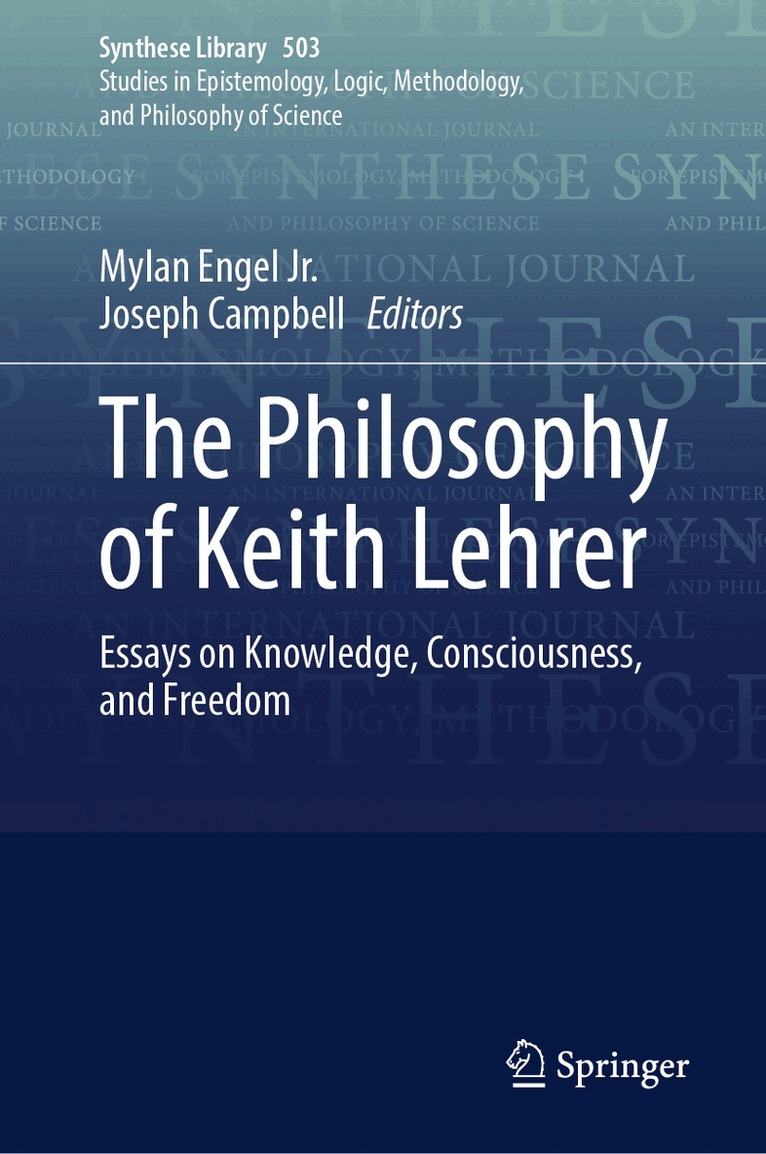
This book contains eighteen original essays engaging with Keith Lehrer’s contributions to philosophy. The first nine chapters focus on Lehrer’s work in epistemology and philosophy of mind. These chapters examine the role of meta-justification in Lehrer’s (and Thomas Reid’s) epistemology, explore the epistemological significance of self-trust and how to restore self-trust to victims of epistemic injustice, challenge Lehrer’s solution to the hard problem of consciousness, question Lehrer’s account of the basing relation, and discuss the important role that experience and exemplarization play in Lehrer’s coherence theory of justification and in philosophy of science more broadly. The second nine chapters focus on Lehrer’s work on freedom and determinism. These chapters explore the nuances of Lehrer’s theory of ultimate freedom, discuss the role of power preferences in his account of free choice, explore whether free choices must be explained by power preferences, discuss Lehrer’s views on scientific explanation, explore his claim that freedom of choice is consistent with determinism, challenge his response to the consequence argument, explore whether choices explained by adaptive preferences are free, and investigate whether plural subjects can choose freely. The book concludes with Lehrer’s masterful responses to each of the essays. Those interested in epistemology, philosophy of mind, freedom and moral responsibility, and the intersection of these fields should find the book of great interest.