Nadia Ellis – författare
Visar alla böcker från författaren Nadia Ellis. Handla med fri frakt och snabb leverans.
5 produkter
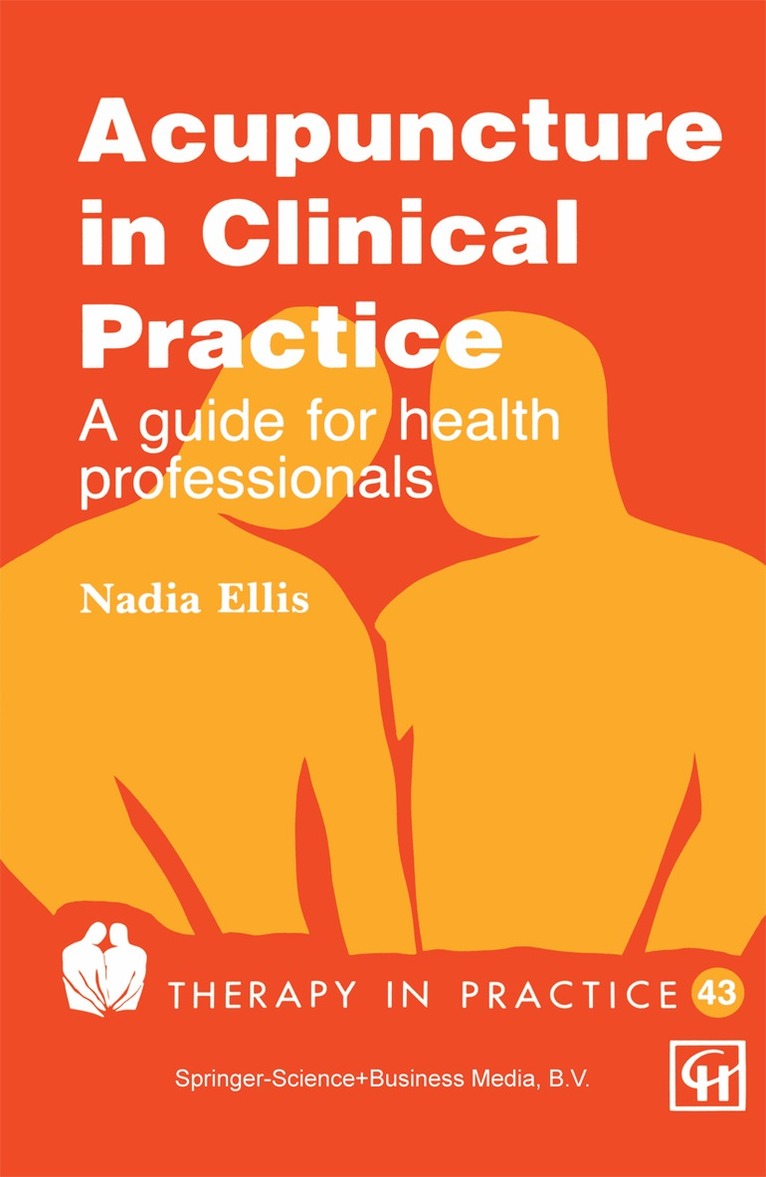
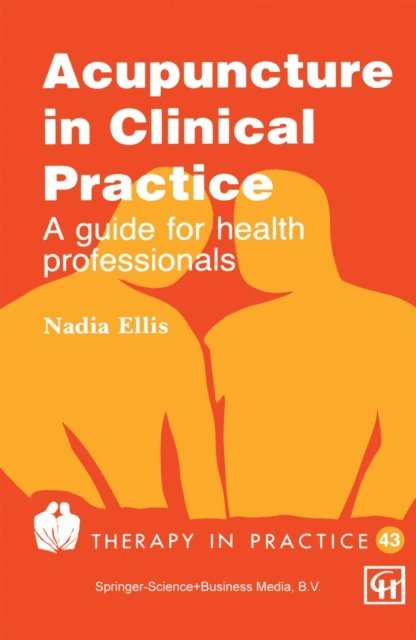
Acupuncture in Clinical Practice
A guide for health professionals
Av Nadia Ellis
Häftad, 1994
568 kr
Lägg i varukorg
Acupuncture is now practised widely throughout the world. Some use acupuncture for its pain relieving effects, and others use it as part of traditional Chinese medicine. This book addresses both aspects of acupuncture and demonstrates its practical application in clinical treatment. This is the …
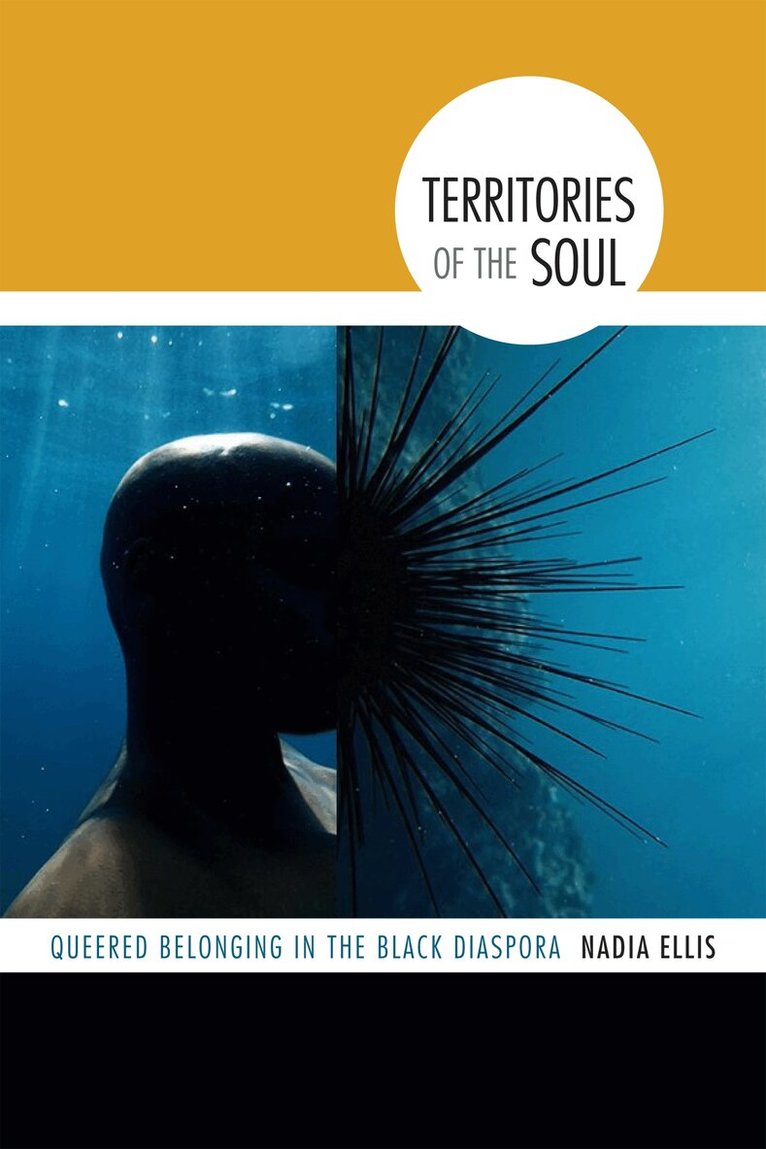
Territories of the Soul
Queered Belonging in the Black Diaspora
Av Nadia Ellis
Inbunden, 2015
1452 kr
Lägg i varukorg
Nadia Ellis attends to African diasporic belonging as it comes into being through black expressive culture. Living in the diaspora, Ellis asserts, means existing between claims to land and imaginative flights unmoored from the earth-that is, to live within the territories of the soul. Drawing on …
Territories of the Soul
Queered Belonging in the Black Diaspora
Av Nadia Ellis
Häftad, 2015
441 kr
Lägg i varukorg
Nadia Ellis attends to African diasporic belonging as it comes into being through black expressive culture. Living in the diaspora, Ellis asserts, means existing between claims to land and imaginative flights unmoored from the earth-that is, to live within the territories of the soul. Drawing on …
Territories of the Soul
Queered Belonging in the Black Diaspora
Av Nadia Ellis
E-bok, 2015
655 kr
Lägg i varukorg
Nadia Ellis attends to African diasporic belonging as it comes into being through black expressive culture. Living in the diaspora, Ellis asserts, means existing between claims to land and imaginative flights unmoored from the earth—that is, to live within the territories of the soul. Drawing on …
Acupuncture in Clinical Practice
A guide for health professionals
Av Nadia Ellis
E-bok, 2013
732 kr
Lägg i varukorg