Nadine Schibille - Böcker
Visar alla böcker från författaren Nadine Schibille. Handla med fri frakt och snabb leverans.
5 produkter
5 produkter
535 kr
Skickas inom 10-15 vardagar
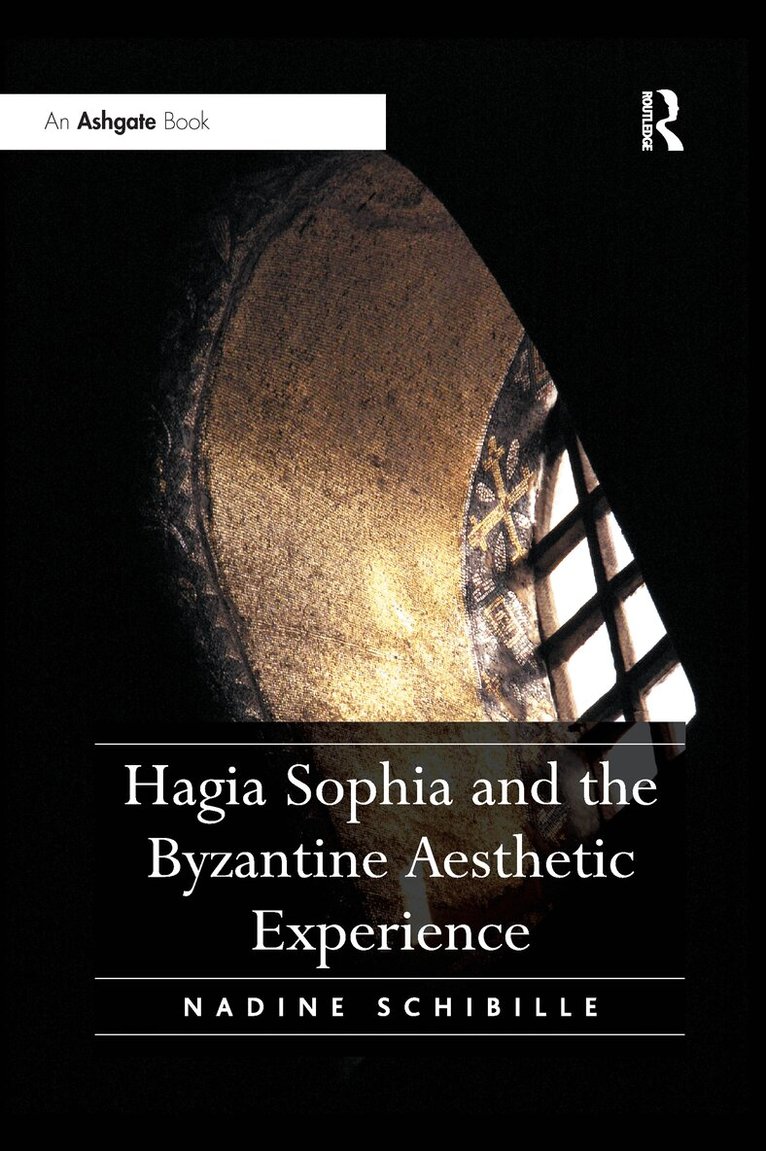
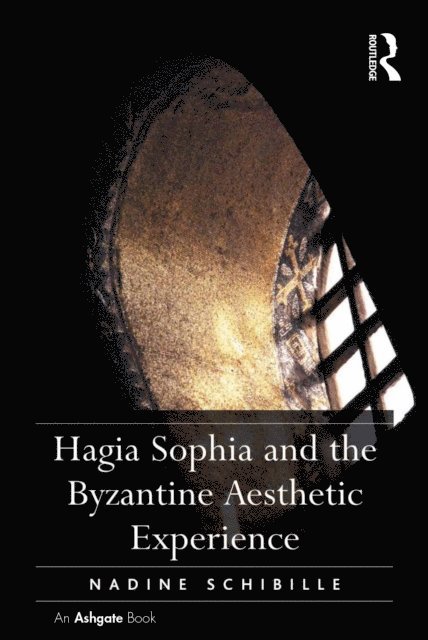
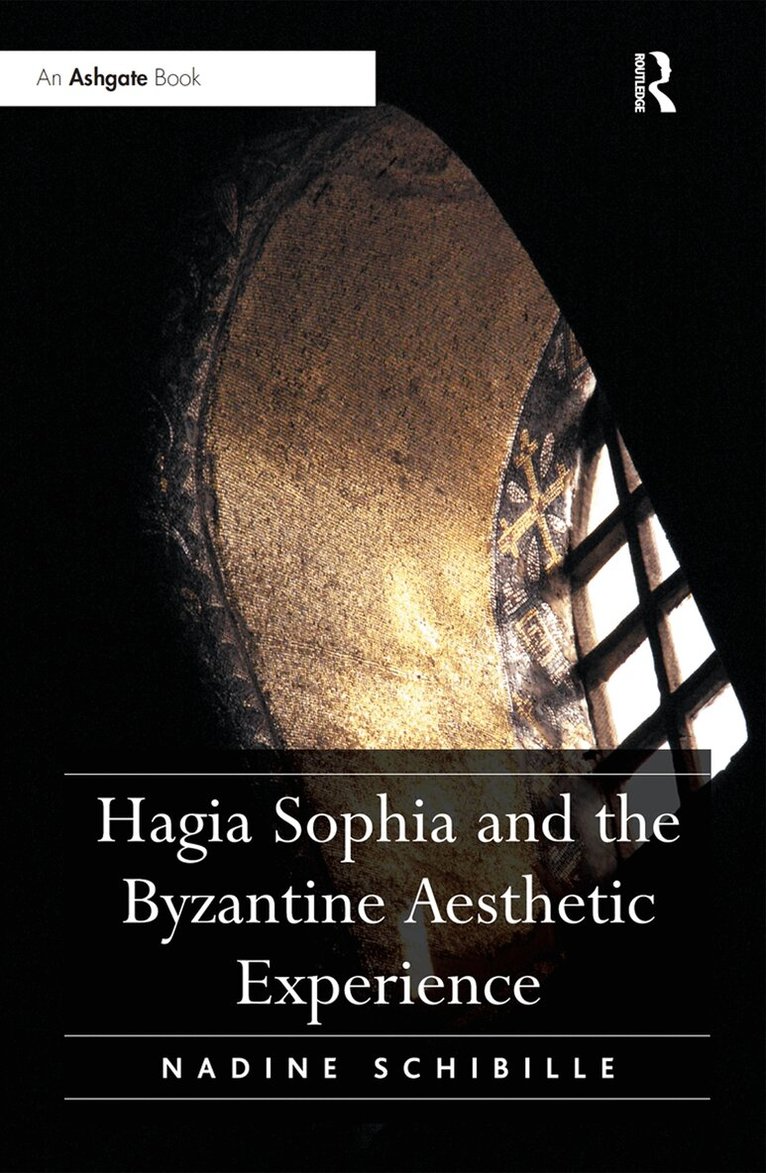
Paramount in the shaping of early Byzantine identity was the construction of the church of Hagia Sophia in Constantinople (532-537 CE). This book examines the edifice from the perspective of aesthetics to define the concept of beauty and the meaning of art in early Byzantium. Byzantine aesthetic thought is re-evaluated against late antique Neoplatonism and the writings of Pseudo-Dionysius that offer fundamental paradigms for the late antique attitude towards art and beauty. These metaphysical concepts of aesthetics are ultimately grounded in experiences of sensation and perception, and reflect the ways in which the world and reality were perceived and grasped, signifying the cultural identity of early Byzantium. There are different types of aesthetic data, those present in the aesthetic object and those found in aesthetic responses to the object. This study looks at the aesthetic data embodied in the sixth-century architectural structure and interior decoration of Hagia Sophia as well as in literary responses (ekphrasis) to the building. The purpose of the Byzantine ekphrasis was to convey by verbal means the same effects that the artefact itself would have caused. A literary analysis of these rhetorical descriptions recaptures the Byzantine perception and expectations, and at the same time reveals the cognitive processes triggered by the Great Church. The central aesthetic feature that emerges from sixth-century ekphraseis of Hagia Sophia is that of light. Light is described as the decisive element in the experience of the sacred space and light is simultaneously associated with the notion of wisdom. It is argued that the concepts of light and wisdom are interwoven programmatic elements that underlie the unique architecture and non-figurative decoration of Hagia Sophia. A similar concern for the phenomenon of light and its epistemological dimension is reflected in other contemporary monuments, testifying to the pervasiveness of these aesthetic values in early Byzantium.
Del 67 - Annual of ASOR
Nabataean Temple at Khirbet et-Tannur, Jordan, Volume 1
Architecture and Religion. Final Report on Nelson Glueck’s 1937 Excavation, AASOR 67
Inbunden, Engelska, 2014
326 kr
Skickas inom 5-8 vardagar
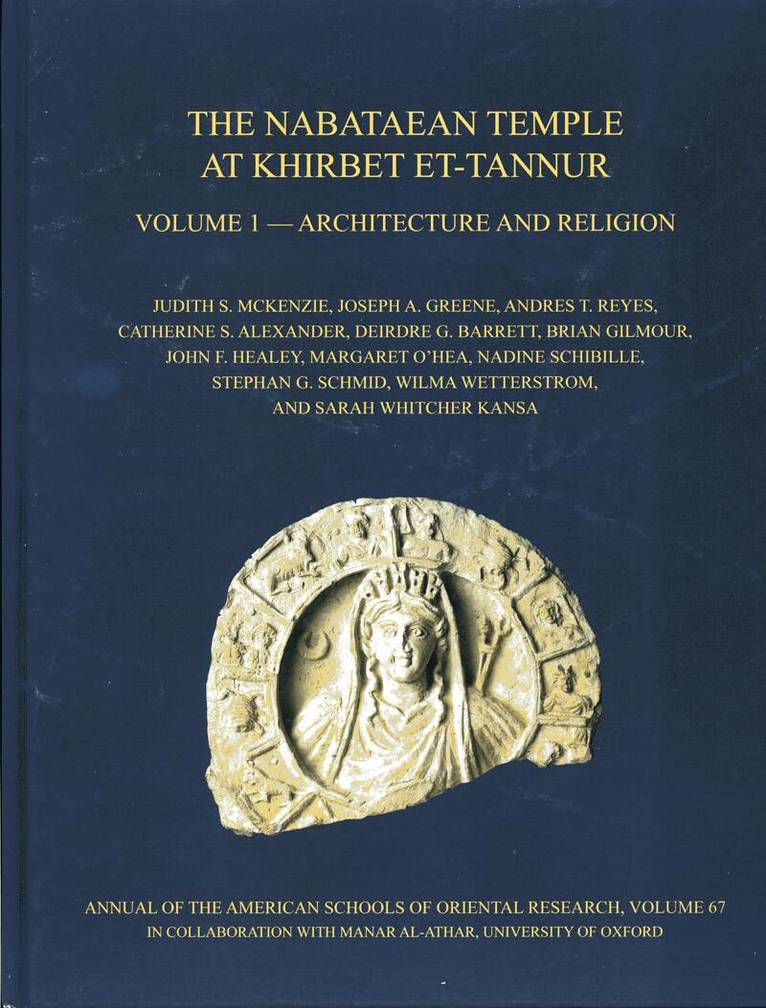
Khirbet et-Tannur is a Nabataean site dating from the second century B.C. to the fourth to sixth centuries A.D. located on a hilltop above the Wadi el-Hasa near Khirbet edh-Dharih, 70 km north of Petra along the King’s Highway. In 1937, Nelson Glueck excavated Khirbet et-Tannur on behalf of the American Schools of Oriental Research and the Department of Antiquities of Transjordan, but died before completing a final report. Now, in two extensively illustrated volumes, the results of Glueck’s excavations are finally published, based on previously unstudied excavation records and archaeological materials in the ASOR Nelson Glueck Archive at the Semitic Museum, Harvard University. Volume 1 is devoted to the architecture of the temple, the dating of its successive phases, its sculptural decoration and iconography,and to a discussion of Nabataean religion, including the evidence for its connections with the religion of Iron Age Edom and its continuation at the temple of Khirbet et-Tannur well into the Christian era, before the A.D. 363 earthquake brought an end to the site. The volume closes with observations about iconoclasm at Khirbet et-Tannur, Khirbet edh-Dharih and Petra. Annual of ASOR 67
Del 68 - Annual of ASOR
Nabataean Temple at Khirbet et-Tannur, Jordan, Volume 2
Cultic Offerings, Vessels, and other Specialist Reports. Final Report on Nelson Glueck’s 1937 Excavation, AASOR 68
Inbunden, Engelska, 2014
326 kr
Skickas inom 5-8 vardagar
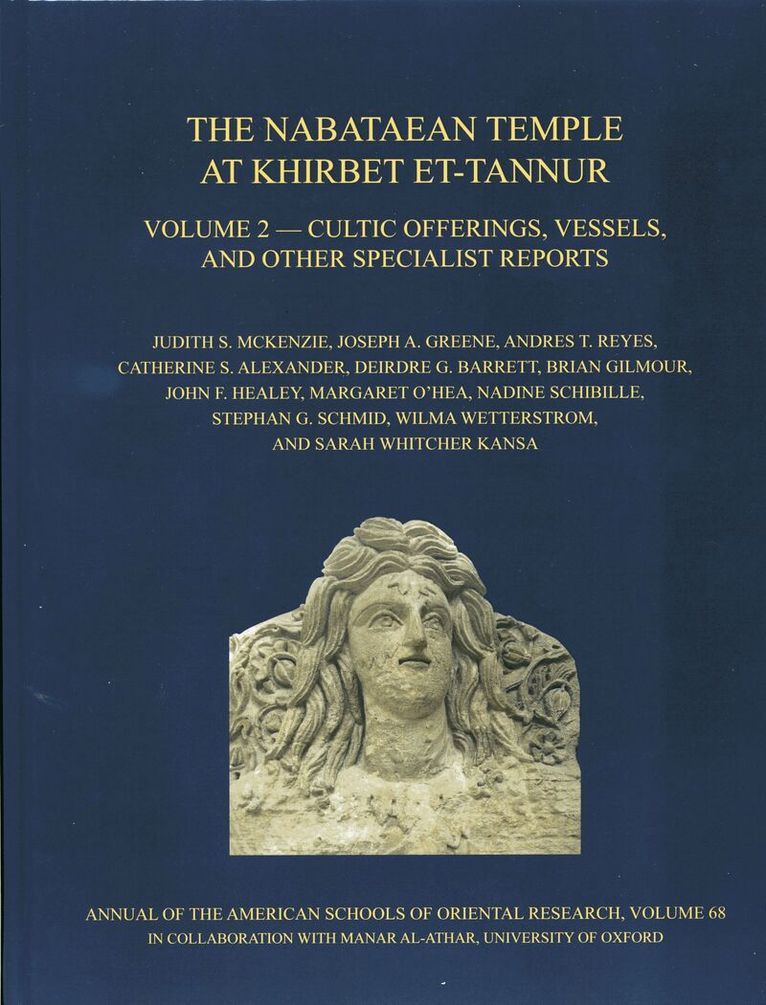
Khirbet et-Tannur is a Nabataean site dating from the second century B.C. to the fourth to sixth centuries A.D. located on a hilltop above the Wadi el-Hasa near Khirbet edh-Dharih, 70 km north of Petra along the King’s Highway. In 1937, Nelson Glueck excavated Khirbet et-Tannur on behalf of the American Schools of Oriental Research and the Department of Antiquities of Transjordan, but died before completing a final report. Now, in two extensively illustrated volumes, the results of Glueck’s excavations are finally published, based on previously unstudied excavation records and archaeological materials in the ASOR Nelson Glueck Archive at the Semitic Museum, Harvard University. Volume 2 offers a systematic reorganization of Glueck’s original excavation records and presents detailed specialist analyses of the Khirbet et-Tannur faunal and botanical remains, metal, glass, lamps and pottery collected by Glueck in 1937 and now preserved in Semitic Museum’s ASOR Nelson Glueck Archive, along with fresh examinations of the Nabataean inscriptions and altars from the site. Annual of ASOR 68
1 815 kr
Skickas inom 10-15 vardagar
Paramount in the shaping of early Byzantine identity was the construction of the church of Hagia Sophia in Constantinople (532-537 CE). This book examines the edifice from the perspective of aesthetics to define the concept of beauty and the meaning of art in early Byzantium. Byzantine aesthetic thought is re-evaluated against late antique Neoplatonism and the writings of Pseudo-Dionysius that offer fundamental paradigms for the late antique attitude towards art and beauty. These metaphysical concepts of aesthetics are ultimately grounded in experiences of sensation and perception, and reflect the ways in which the world and reality were perceived and grasped, signifying the cultural identity of early Byzantium. There are different types of aesthetic data, those present in the aesthetic object and those found in aesthetic responses to the object. This study looks at the aesthetic data embodied in the sixth-century architectural structure and interior decoration of Hagia Sophia as well as in literary responses (ekphrasis) to the building. The purpose of the Byzantine ekphrasis was to convey by verbal means the same effects that the artefact itself would have caused. A literary analysis of these rhetorical descriptions recaptures the Byzantine perception and expectations, and at the same time reveals the cognitive processes triggered by the Great Church. The central aesthetic feature that emerges from sixth-century ekphraseis of Hagia Sophia is that of light. Light is described as the decisive element in the experience of the sacred space and light is simultaneously associated with the notion of wisdom. It is argued that the concepts of light and wisdom are interwoven programmatic elements that underlie the unique architecture and non-figurative decoration of Hagia Sophia. A similar concern for the phenomenon of light and its epistemological dimension is reflected in other contemporary monuments, testifying to the pervasiveness of these aesthetic values in early Byzantium.
Del 7 - Studies in Archaeological Sciences
Islamic Glass in the Making
Chronological and Geographical Dimensions
Inbunden, Engelska, 2022
1 052 kr
Skickas inom 5-8 vardagar
New insights into the history of Islamic glassmaking The ancient glass industry changed dramatically towards the end of the first millennium. The Roman glassmaking tradition of mineral soda glass was increasingly supplanted by the use of plant ash as the main fluxing agent at the turn of the ninth century CE. Defining primary production groups of plant ash glass has been a challenge due to the high variability of raw materials and the smaller scale of production. Islamic Glass in the Making advocates a large-scale archaeometric approach to the history of Islamic glassmaking to trace the developments in the production, trade and consumption of vitreous materials between the eighth and twelfth centuries and to separate the norm from the exception. It proposes compositional discriminants to distinguish regional production groups, and provides insights into the organisation of the glass industry and commerce during the early Islamic period. The interdisciplinary approach leads to a holistic understanding of the development of Islamic glass; assemblages from the early Islamic period in Mesopotamia, Central Asia, Egypt, Greater Syria and Iberia are evaluated, and placed in the larger geopolitical context. In doing so, this book fills a gap in the present literature and advances a large-scale approach to the history of Islamic glass.Ebook available in Open Access.This publication is GPRC-labeled (Guaranteed Peer-Reviewed Content).