Nadya Ali - Böcker
Visar alla böcker från författaren Nadya Ali. Handla med fri frakt och snabb leverans.
3 produkter
3 produkter
667 kr
Skickas inom 10-15 vardagar
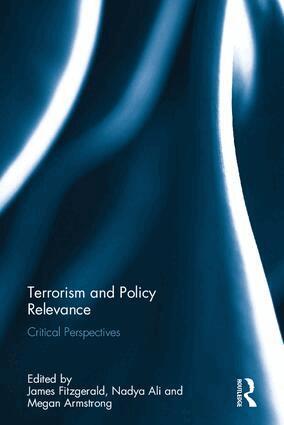
This book explores the interrelationship between terrorism and policy relevance from a range of critical perspectives. In particular, it questions the politics of policy-relevance; that is, it interrogates how epistemological and practical pressures to produce "policy-relevant" research shapes prevalent understandings of (counter)terrorism, and vice-versa. It also reflects on Critical Terrorism Studies’ (CTS) relationship to policy-relevance. Should CTS eschew engagement with policy-relevance and maintain a position outside the orthodoxy, or are CTS scholars uniquely positioned to offer meaningful alternatives to contemporary counterterrorism practices? Read thus, the question of policy relevance is central to CTS’ identity and represents an essential juncture as to how associated scholarship might develop into the future.
178 kr
Skickas inom 7-10 vardagar
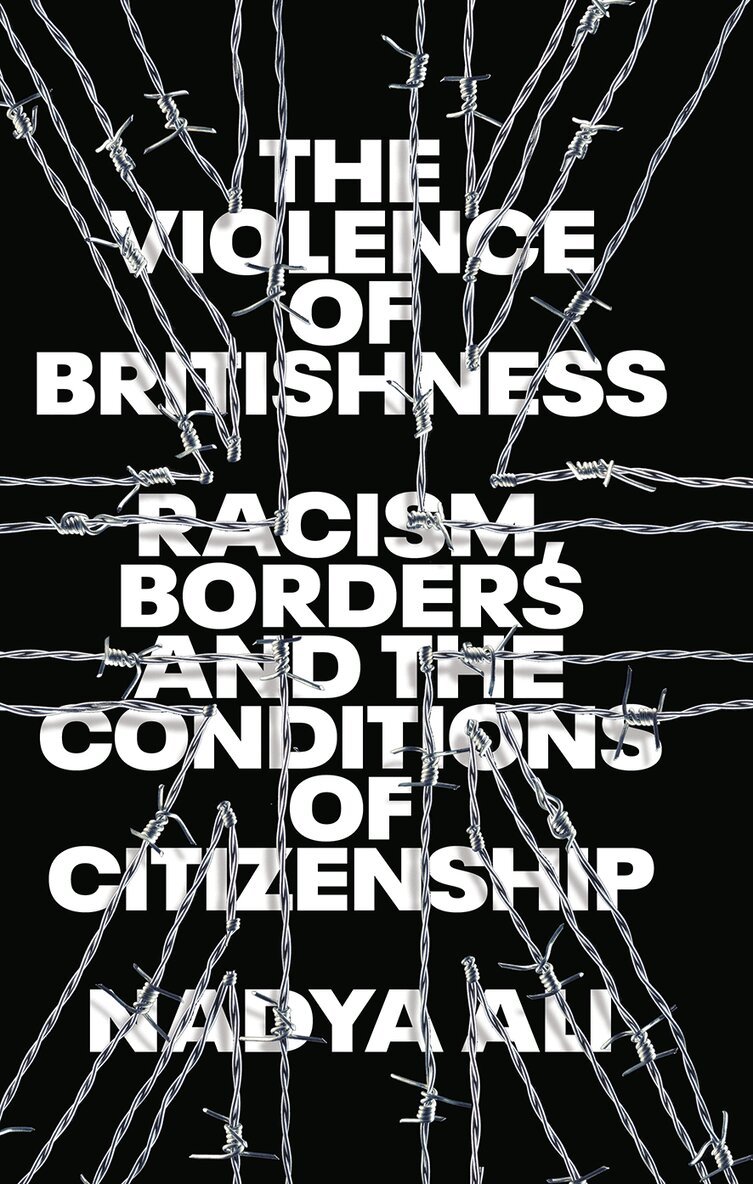
In post-Brexit Britain wracked by multiple crises, the entitlements of citizenship grow increasingly precarious. 'Britishness' is a way of understanding the nation shaped by white nationalism that acts as a powerful tool of racial bordering, separating the deserving from the undeserving.In The Violence of Britishness, Nadya Ali examines the impact of counter-terrorism and immigration policy on Muslims and other racially minoritised groups. Dissecting the Prevent strategy, she shows how Muslims have been compelled to reform their conduct and their faith in order to prove their 'Britishness', or risk being labelled an 'extremist' and made vulnerable to further state violence.Situating this within broader changes such as the hostile environment, austerity, and the cost of living crisis, who gets what is increasingly decided through who counts as sufficiently 'British'.
2 172 kr
Skickas inom 10-15 vardagar
This book explores the interrelationship between terrorism and policy relevance from a range of critical perspectives. In particular, it questions the politics of policy-relevance; that is, it interrogates how epistemological and practical pressures to produce "policy-relevant" research shapes prevalent understandings of (counter)terrorism, and vice-versa. It also reflects on Critical Terrorism Studies’ (CTS) relationship to policy-relevance. Should CTS eschew engagement with policy-relevance and maintain a position outside the orthodoxy, or are CTS scholars uniquely positioned to offer meaningful alternatives to contemporary counterterrorism practices? Read thus, the question of policy relevance is central to CTS’ identity and represents an essential juncture as to how associated scholarship might develop into the future.