
Nael G. Bunni – författare
Visar alla böcker från författaren Nael G. Bunni. Handla med fri frakt och snabb leverans.
3 produkter
3 produkter
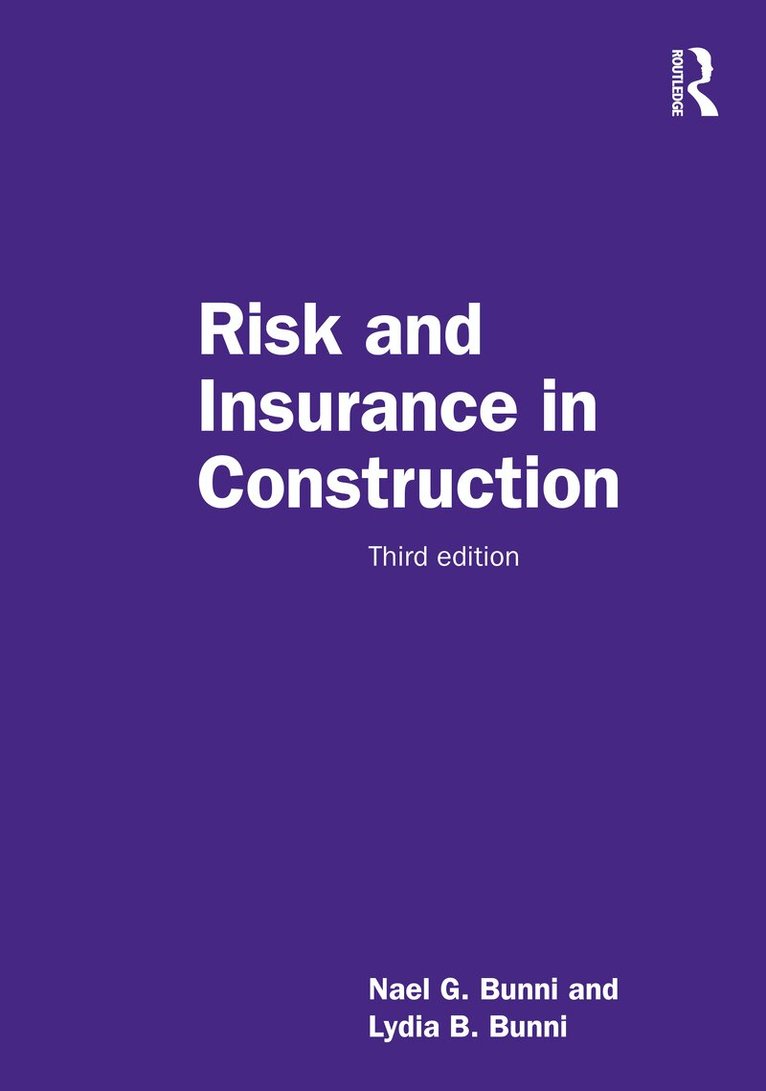
Inbunden, Engelska, 2022
2 755 kr
Skickas inom 10-15 vardagar
The new 3rd edition of Nael Bunni’s Risk and Insurance in Construction, now co-authored with Lydia Bunni, explains the need for insurance in construction and engineering projects and why it must be incorporated into the Conditions of Contract for such projects. It is unique in bringing together the background of the two topics of 'risk' and 'construction insurance', explaining the flow and the interaction between them and then dealing with how they have been used to formulate the 2017 FIDIC Suite of Contracts and the 2021 Green Book.This edition has been fully updated, and new chapters deal with the latest definitions of 'risk' outlined in ISO 31000: 2009, and specifically explains the principles embodied in the new Clauses 17, 18 and 19 of the Major Suite of the FIDIC forms of contract and how they should be used. An important chapter (Chapter 5) is included, discussing the logical transition from decision-making to risk identification to responsibility for those allocated with particular risks, to the potential liability that results. This includes discussing particular liabilities that may arise for parties typically involved in construction and engineering projects, including developers, owners, contractors and designers. This part of the book links insurance to the law and explains the interaction between the two topics. The correlation between liability and the need for indemnity, which can only be provided properly through insurance, is highlighted. The book is essential reading for practitioners from both the engineering profession and the insurance industry in all types of projects. Engineers who are required to use one of the Major Forms of the FIDIC Suite of Contracts, whether they are designers or contractors, and those involved in the insurance sector, whether brokers, claim consultants or insurance company personnel, will find this book to be an indispensable reference.
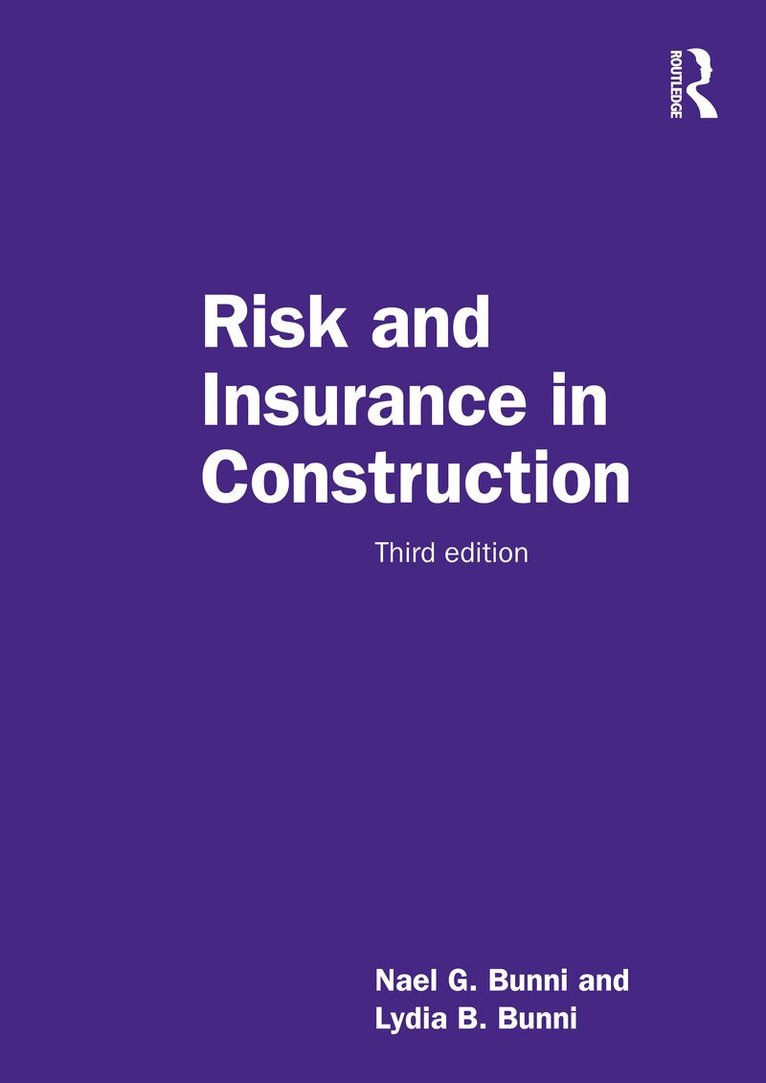
Häftad, Engelska, 2026
965 kr
Kommande
The new 3rd edition of Nael Bunni’s Risk and Insurance in Construction, now co-authored with Lydia Bunni, explains the need for insurance in construction and engineering projects and why it must be incorporated into the Conditions of Contract for such projects. It is unique in bringing together the background of the two topics of 'risk' and 'construction insurance', explaining the flow and the interaction between them and then dealing with how they have been used to formulate the 2017 FIDIC Suite of Contracts and the 2021 Green Book.This edition has been fully updated, and new chapters deal with the latest definitions of 'risk' outlined in ISO 31000: 2009, and specifically explains the principles embodied in the new Clauses 17, 18 and 19 of the Major Suite of the FIDIC forms of contract and how they should be used. An important chapter (Chapter 5) is included, discussing the logical transition from decision-making to risk identification to responsibility for those allocated with particular risks, to the potential liability that results. This includes discussing particular liabilities that may arise for parties typically involved in construction and engineering projects, including developers, owners, contractors and designers. This part of the book links insurance to the law and explains the interaction between the two topics. The correlation between liability and the need for indemnity, which can only be provided properly through insurance, is highlighted. The book is essential reading for practitioners from both the engineering profession and the insurance industry in all types of projects. Engineers who are required to use one of the Major Forms of the FIDIC Suite of Contracts, whether they are designers or contractors, and those involved in the insurance sector, whether brokers, claim consultants or insurance company personnel, will find this book to be an indispensable reference.

Inbunden, Engelska, 2005
2 338 kr
Skickas inom 5-8 vardagar
In September 1999, FIDIC introduced its new Suite of Contracts, which included a “new” Red, Yellow, Silver and Green forms of contract. The “new” Red Book was intended to replace the 1992 fourth edition of the Red Book, with the ambition that its use would cease with time. This ambition has not materialised and is unlikely to do so in the future.Despite the importance of the 1999 Forms, there has been very little published on the new concepts adopted in them and how they interact with the previous forms. This important work considers these aspects together with the many developments affecting the fourth edition of the Red Book that have taken place since 1997, when the second edition of this book was published, and relates them to key contracting issues. It is written by a chartered engineer, conciliator and international arbitrator with wide experience in the use of the FIDIC Forms and in the various dispute resolution mechanisms specified in them. Important features of this book include: · background and concepts of the various forms of contract; · a detailed comparison of the wording of the1999 three main forms, which although similar in nature; it nevertheless significantly differs in certain areas where the three forms diverge due to their intended purpose; · analysis of the rights and obligations of the parties involved in the contract and the allocation of risks concerned; · a range of ‘decision tree’ charts, analysing the main features of the 1992 Red Book, including risks, indemnities and insurances, claims and counterclaims, variations, procedure for claims, programme and delay, suspension, payments and certificates, dispute resolution mechanisms, and dispute boards; · a much enlarged discussion of the meaning of “claim” and “dispute” and the types of claim with a discussion of the Notice provision in the 1999 forms of contract for the submittal of claims by a contractor and by an employer; · the FIDIC scheme of indemnities and insurance requirements; and the methods of dispute resolution provided by the various forms of contract; and · five new chapters in this third edition, the first four chapters deal with each of the 1999 forms and the fifth chapter is confined to the topic of Dispute Boards.