Nan Sloane – författare
Visar alla böcker från författaren Nan Sloane. Handla med fri frakt och snabb leverans.
11 produkter
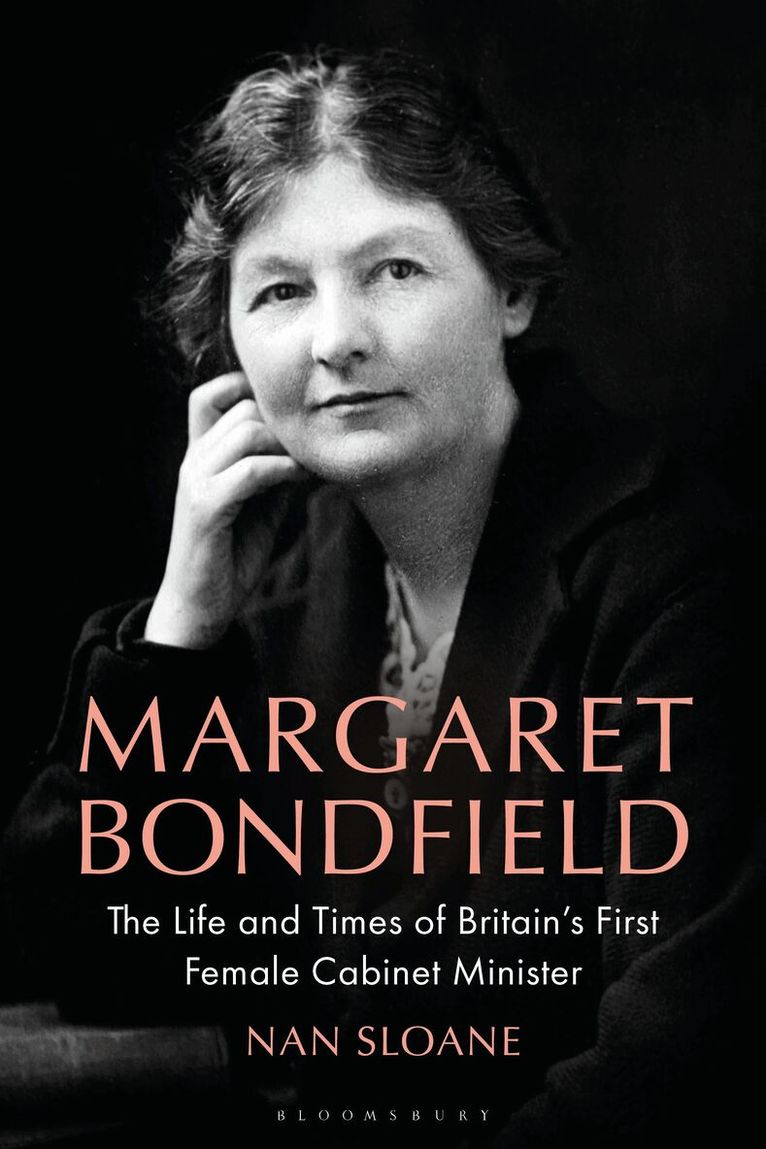
Margaret Bondfield
The Life and Times of Britain’s First Female Cabinet Minister
Av Nan Sloane
Inbunden, 2026
267 kr
Lägg i varukorg
A groundbreaking biography of Margaret Bondfield, the remarkable political pioneer and working-class woman who rose to become the first female Cabinet Minister in the 1929 Labour government. Rising from modest semi-rural, semi-industrial origins in the West Country, and years of apprenticeship in …
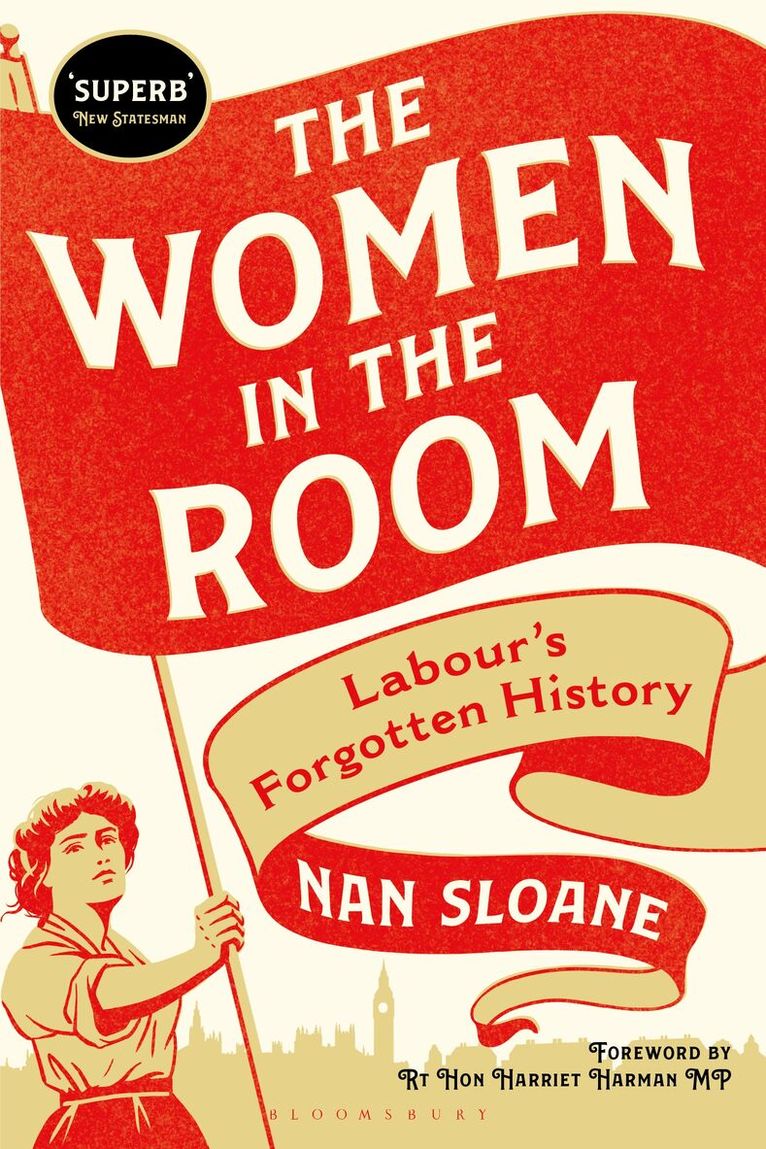
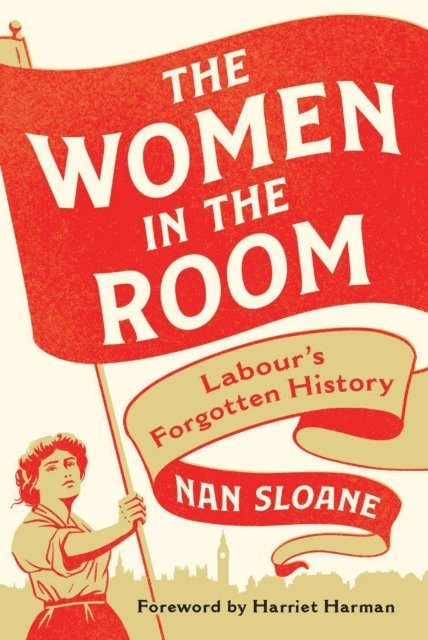
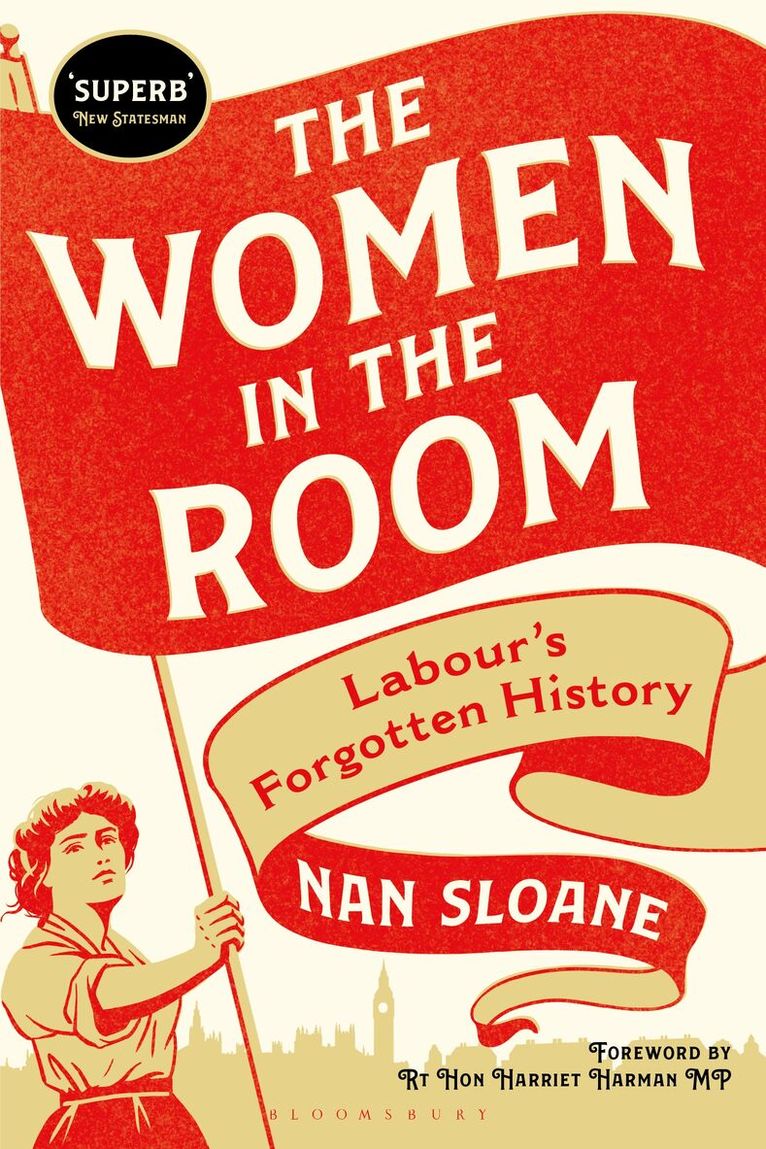
Women in the Room
Labour’s Forgotten History
Av Nan Sloane
Häftad, 2022
196 kr
Lägg i varukorg
In February 1900 a group of men representing trade unionists, socialists, Fabians and Marxists gathered in London to make another attempt at establishing an organisation capable of getting working-class men elected to Parliament. The body they set up was the Labour Representation Committee; six …
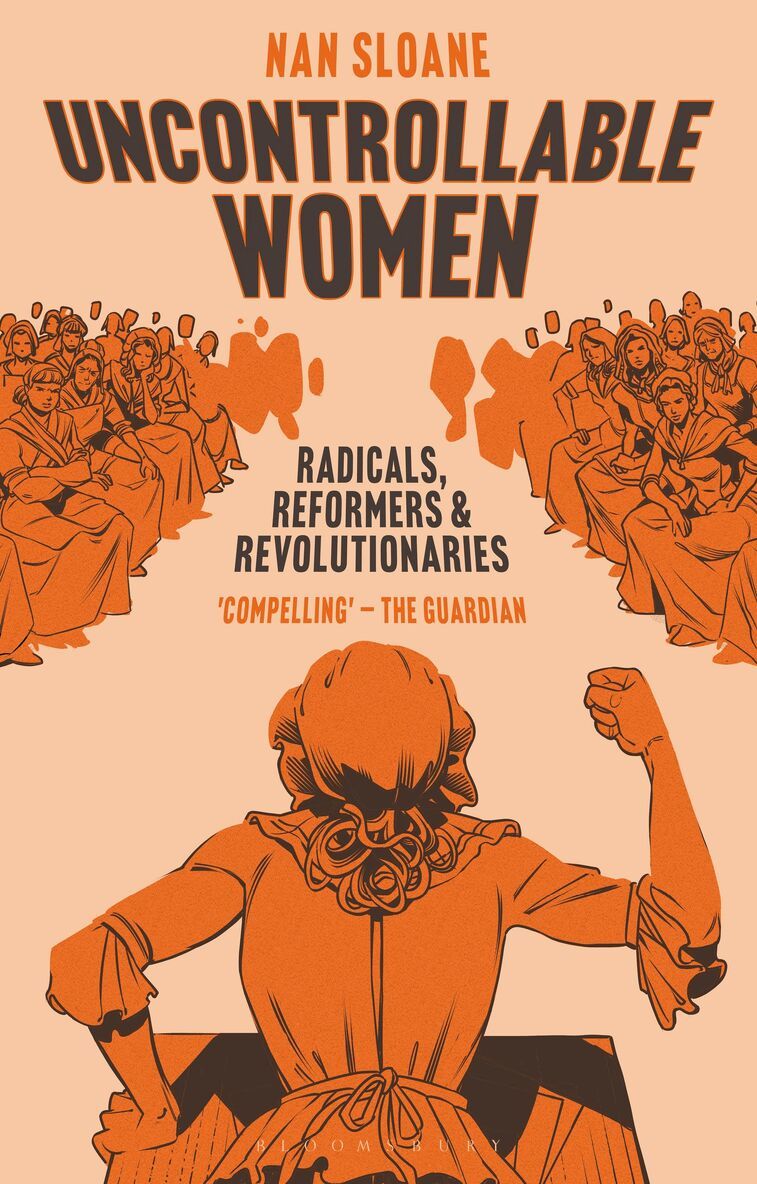
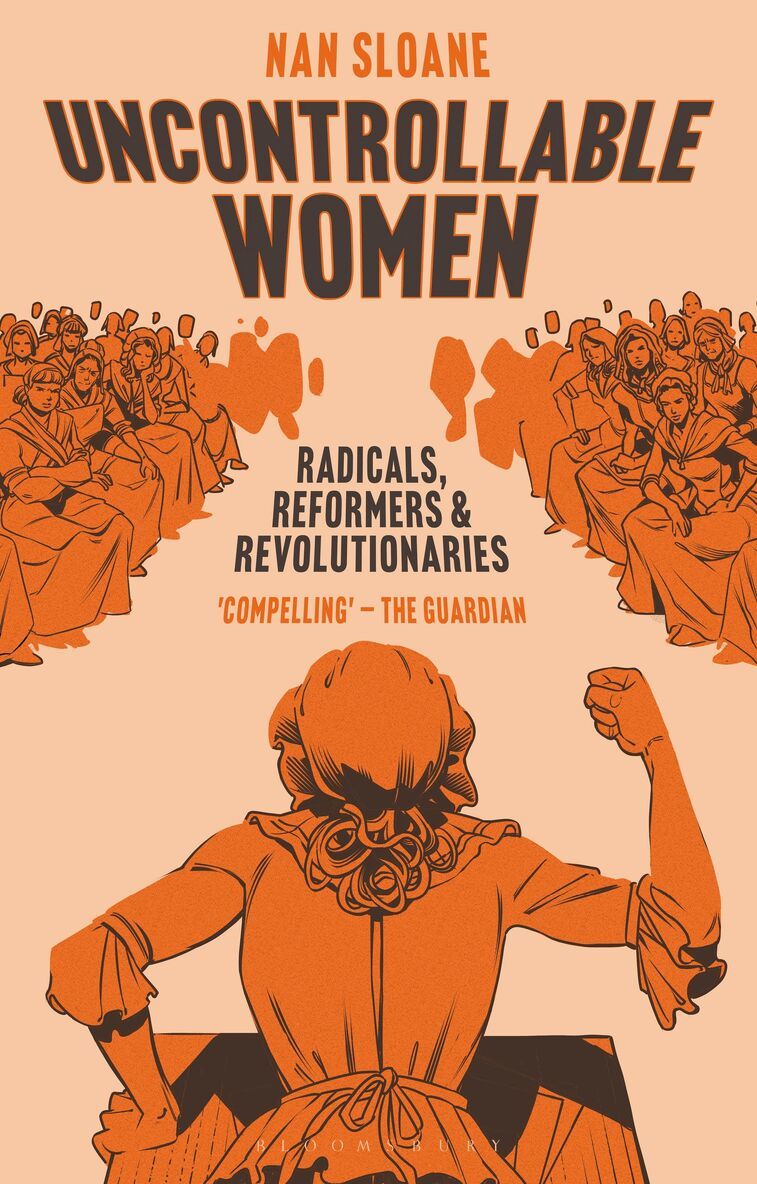
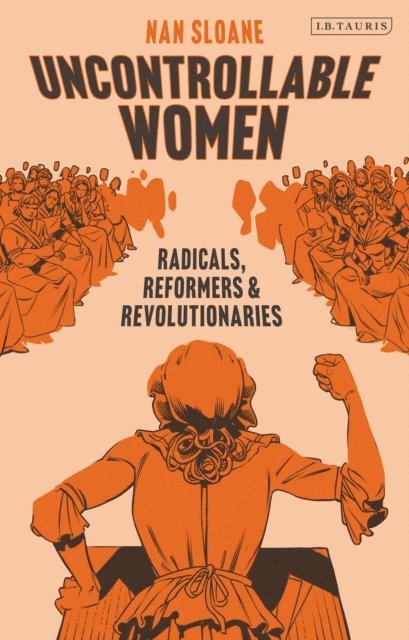
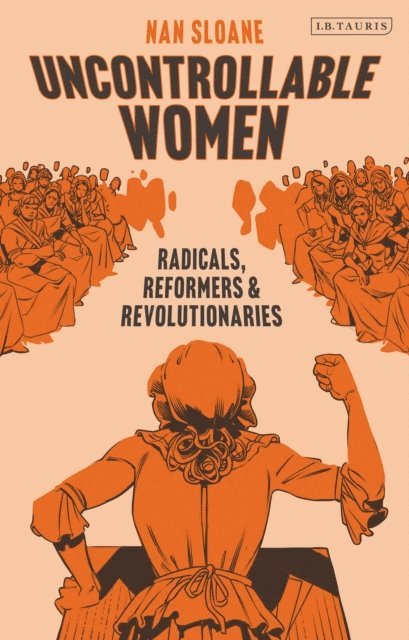
Uncontrollable Women
Radicals, Reformers and Revolutionaries
Av Nan Sloane
Häftad, 2024
240 kr
Lägg i varukorg
"Compelling." The Guardian"An insightful and inspiring history." BBC History Magazine"A tantalising revelatory book." The House"Brisk and illuminating." Times Literary Supplement"A damn good read." Morning Star"Wonderful." The ChartistUncontrollable Women is a history of radical, reformist and …
Margaret Bondfield
The Life and Times of Britain’s First Female Cabinet Minister
Av Nan Sloane
E-bok, 2026
331 kr
Lägg i varukorg
A groundbreaking biography of Margaret Bondfield, the remarkable political pioneer and working-class woman who rose to become the first female Cabinet Minister in the 1929 Labour government. Rising from modest semi-rural, semi-industrial origins in the West Country, and years of apprenticeship in …
Margaret Bondfield
The Life and Times of Britain’s First Female Cabinet Minister
Av Nan Sloane
E-bok, 2026
331 kr
Lägg i varukorg
A groundbreaking biography of Margaret Bondfield, the remarkable political pioneer and working-class woman who rose to become the first female Cabinet Minister in the 1929 Labour government. Rising from modest semi-rural, semi-industrial origins in the West Country, and years of apprenticeship in …
Women in the Room
Labour’S Forgotten History
Av Nan Sloane
E-bok, 2018
236 kr
Lägg i varukorg
In February 1900 a group of men representing trade unionists, socialists, Fabians and Marxists gathered in London to make another attempt at establishing an organisation capable of getting working-class men elected to Parliament. The body they set up was the Labour Representation Committee; six …
Women in the Room
Labour’S Forgotten History
Av Nan Sloane
E-bok, 2018
241 kr
Lägg i varukorg
In February 1900 a group of men representing trade unionists, socialists, Fabians and Marxists gathered in London to make another attempt at establishing an organisation capable of getting working-class men elected to Parliament. The body they set up was the Labour Representation Committee; six …
Women in the Room
Labour’s Forgotten History
Av Nan Sloane
Inbunden, 2018
603 kr
Lägg i varukorg
In February 1900 a group of men representing trade unionists, socialists, Fabians and Marxists gathered in London to make another attempt at establishing an organisation capable of getting working-class men elected to Parliament. The body they set up was the Labour Representation Committee; six …
Uncontrollable Women
Radicals, Reformers and Revolutionaries
Av Nan Sloane
Inbunden, 2022
325 kr
Lägg i varukorg
"Compelling." The Guardian"An insightful and inspiring history." BBC History Magazine"A tantalising revelatory book." The House"Brisk and illuminating." Times Literary Supplement"A damn good read." Morning Star"Wonderful." The ChartistUncontrollable Women is a history of radical, reformist and …
Uncontrollable Women
Radicals, Reformers and Revolutionaries
Av Nan Sloane
E-bok, 2022
257 kr
Lägg i varukorg
"Compelling." The Guardian"An insightful and inspiring history." BBC History Magazine"A tantalising revelatory book." The House"Brisk and illuminating." Times Literary Supplement"A damn good read." Morning Star"Wonderful." The ChartistUncontrollable Women is a history of radical, reformist and …
Uncontrollable Women
Radicals, Reformers and Revolutionaries
Av Nan Sloane
E-bok, 2022
252 kr
Lägg i varukorg
"Compelling." The Guardian"An insightful and inspiring history." BBC History Magazine"A tantalising revelatory book." The House"Brisk and illuminating." Times Literary Supplement"A damn good read." Morning Star"Wonderful." The ChartistUncontrollable Women is a history of radical, reformist and …