Nancy A. Walker - Böcker
Visar alla böcker från författaren Nancy A. Walker. Handla med fri frakt och snabb leverans.
6 produkter
6 produkter
300 kr
Skickas inom 10-15 vardagar
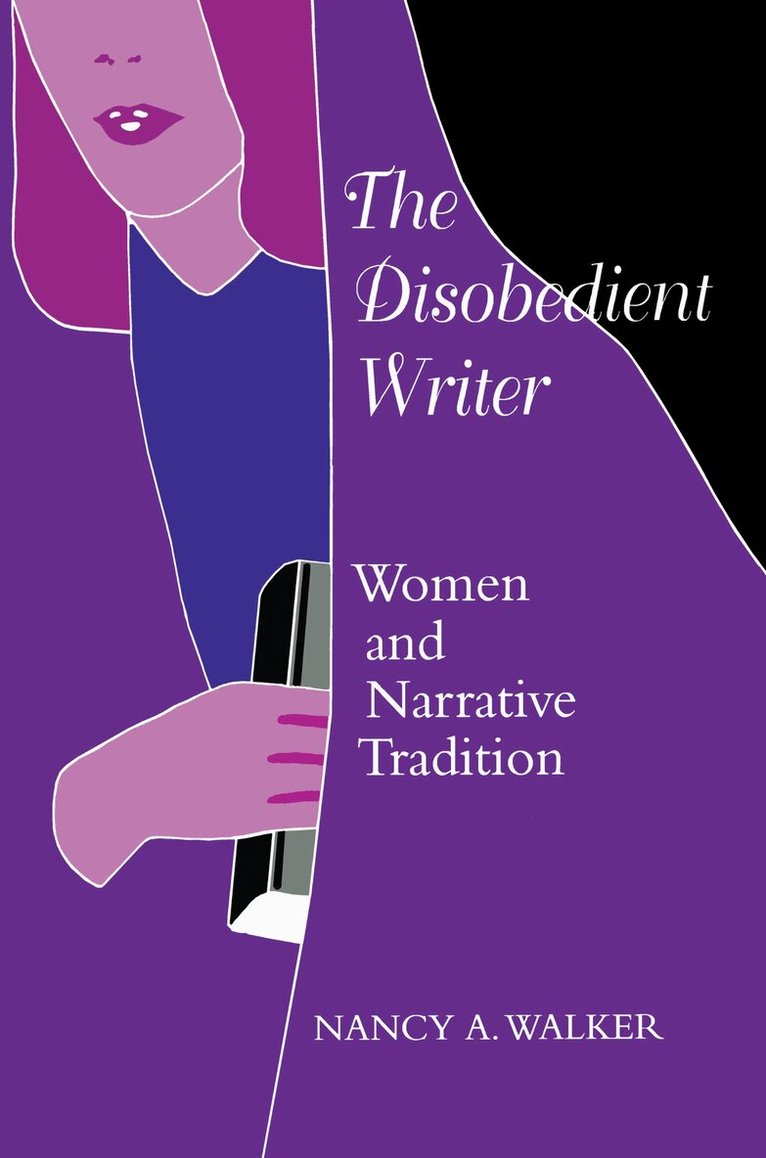
For centuries, women who aspired to write had to enter a largely male literary tradition that offered few, if any, literary forms in which to express their perspectives on lived experience. Since the nineteenth century, however, women writers and readers have been producing "disobedient" counter-narratives that, while clearly making reference to the original texts, overturn their basic assumptions.This book looks at both canonical and non-canonical works, over a variety of fiction and nonfiction genres, that offer counter-readings of familiar Western narratives. Nancy Walker begins by probing women's revisions of two narrative traditions pervasive in Western culture: the biblical story of Adam and Eve, and the traditional fairy tales that have served as paradigms of women's behavior and expectations. She goes on to examine the works of a wide range of writers, from contemporaries Marilynne Robinson, Ursula Le Guin, Anne Sexton, Fay Weldon, Angela Carter, and Margaret Atwood to precursors Caroline Kirkland, Fanny Fern, Mary De Morgan, Mary Louisa Molesworth, Edith Nesbit, and Evelyn Sharp.
581 kr
Skickas inom 3-6 vardagar
592 kr
Skickas inom 10-15 vardagar
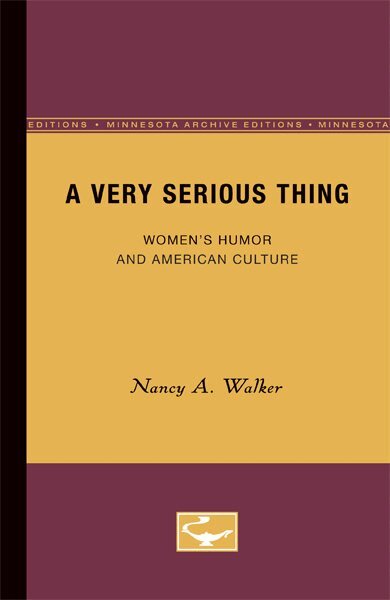
A Very Serious Thing was first published in 1988. Minnesota Archive Editions uses digital technology to make long-unavailable books once again accessible, and are published unaltered from the original University of Minnesota Press editions."It is a very serious thing to be a funny woman." –Frances Miriam Berry WhitcherA Very Serious Thing is the first book-length study of a part of American literature that has been consistently neglected by scholars and underrepresented in anthologies—American women's humorous writing. Nancy Walker proposes that the American humorous tradition to be redefined to include women's humor as well as men's, because, contrary to popular opinion, women do have a sense of humor.Her book draws on history, sociology, anthropology, literature, and psychology to posit that the reasons for neglect of women's humorous expression are rooted in a male-dominated culture that has officially denied women the freedom and self-confidence essential to the humorist. Rather than a study of individual writers, the book is an exploration of relationships between cultural realities—including expectations of "true womanhood"—and women's humorous response to those realities.Humorous expression, Walker maintains, is at odds with the culturally sanctioned ideal of the "lady," and much of women's humor seems to accept, while actually denying, this ideal. In fact, most of American women's humorous writing has been a feminist critique of American culture and its attitudes toward women, according to the author.
485 kr
Skickas inom 11-20 vardagar
Critical studies attempting to define and dissect American humor have been published steadily for nearly one hundred years. However, until now, key documents from that history have never been brought together in a single volume for students and scholars. What's So Funny? Humor in American Culture, a collection of 15 essays, examines the meaning of humor and attempts to pinpoint its impact on American culture and society, while providing a historical overview of its progres-sion. Essays from Nancy Walker and Zita Dresner, Joseph Boskin and Joseph Dorinson, William Keough, Roy Blount, Jr., and others trace the development of American humor from the colonial period to the present, focusing on its relationship with ethnicity, gender, violence, and geography. An excellent reader for courses in American studies and American social and cultural history, What's So Funny? explores the traits of the American experience that have given rise to its humor.
368 kr
Skickas inom 10-15 vardagar
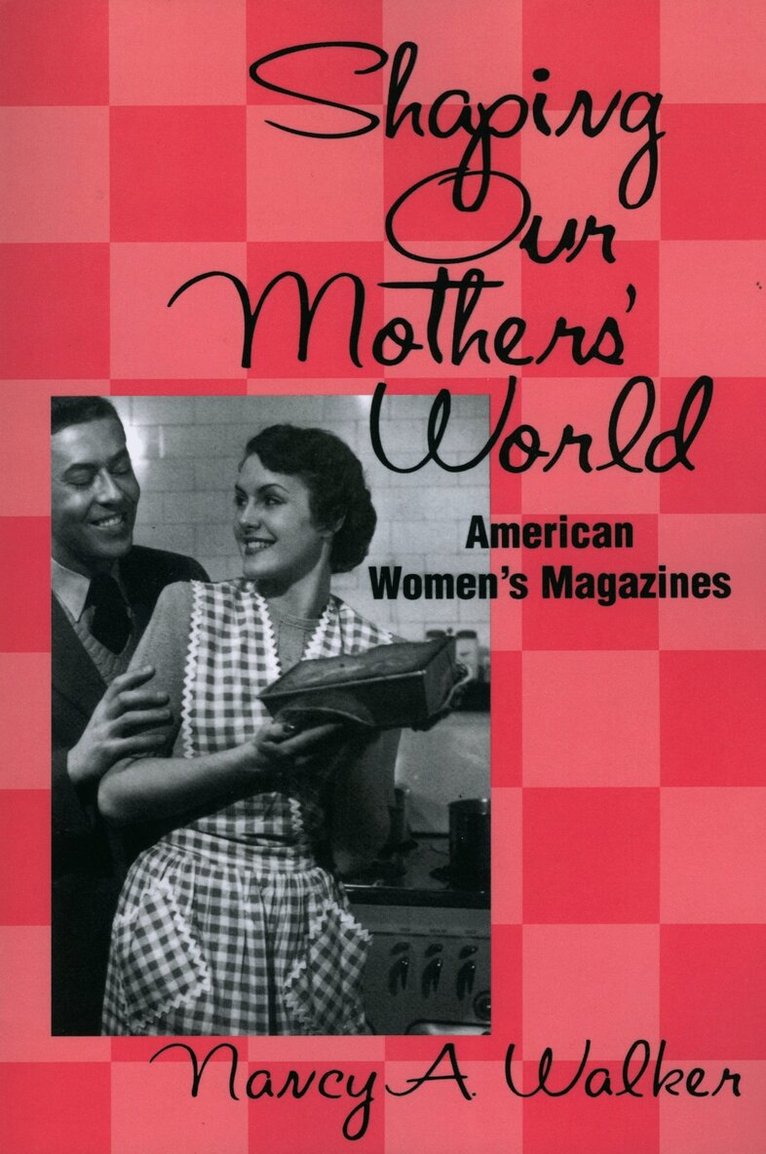
How midcentury periodicals that fostered an indelible middle-class ideal for American women also confronted the happy homemaker stereotype Read by millions of women each month, such mainstream periodicals as Ladies' Home Journal and McCall's delivered powerful messages about women's roles and behavior. In 1963 Betty Friedan's The Feminine Mystique accused the genre of helping to create what Friedan termed ""the problem that has no name"" -- that is, presenting women as stereotypical happy homemakers with limited interests and abilities. But this ideal of contented, domestic women was far from monolithic in the periodical literature of the time. Nancy A. Walker's analysis of a wide range of magazines, including Good Housekeeping, Vogue, Mademoiselle, Redbook, and others, reveals their depiction of a broader, fuller image of womanhood. As she notes a reflection of complex debates about the nature of domestic life in the 1940s and 1950s, she perceives editorial policies that mixed the banalities with urgent actualities. Rather than making isolated decisions about content, editors interacted with advertising agencies, with manufacturers of products, with experts in such fields as nutrition, medicine, technology, and childcare, and with the preferences and values of their readers. When World War II altered family patterns by taking millions into the armed services and drawing many women to jobs in defense plants, magazine articles both supported and attacked the new roles women took, while applauding women's home-front contributions to the war effort. After the war the magazines reflected Cold War anxieties while touting the rising consumer culture. Even as magazine ads promoted a white, suburban, middle-class ideal, such series as ""How America Lives"" in Ladies' Home Journal revealed a society that was economically and ethnically diverse. The pages of women's magazines of the 1940s and 1950s helped to shape and expand the domestic world our mothers inhabited. Examining the articles, fiction, advice columns, and advertisements that the magazines comprised during midcentury, Walker argues persuasively that the contradictory messages were a reflection of complex cultural values and institutions at a time when the domestic world became increasingly important as both a symbol of American democracy and the site of personal fulfillment. Nancy A. Walker, a professor of English at Vanderbilt University, is the author of ""A Very Serious Thing"": Women's Humor and American Culture and Feminist Alternatives: Irony and Fantasy in the Contemporary Novel by Women (University Press of Mississippi). She is the coeditor of Redressing the Balance: American Women's Literary Humor from Colonial Times to the 1980s (University Press of Mississippi).
423 kr
Skickas inom 10-15 vardagar
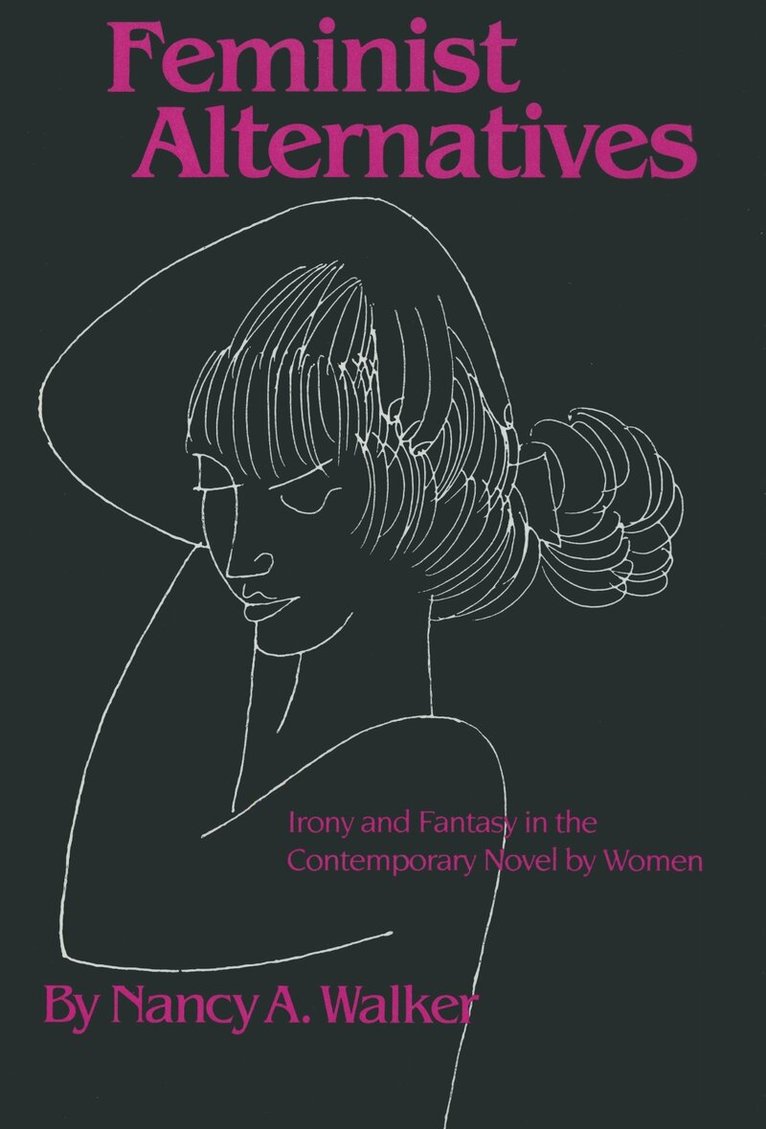
The author contends that the novels of the period 1969--1988 served as a dialogue among women authors and their readers as they attempted to deal with dramatic alterations in attitudes toward career, sexuality, and continued tension between personal autonomy and cultural sexism. In readings of novels by American, British, and Canadian authors, including Gail Godwin, Toni Morrison, Margaret Drabble, Doris Lessing, Maxine Hong Kingston, and Margaret Atwood, the author proposes that the narrative devices of irony and fantasy that are used commonly in these novels reflect women's increased detachment from cultural attempts to define women's nature and role, and their needs to imagine alternative ways of ordering their own lives and the structure of society itself. Rather than a chronological or author-by-author study, this insightful book integrates references to and readings of the novels in several areas of emphasis: the novel as a means of communication among women of this period, the relationship between irony and fantasy as narrative elements and the authors' concern with language itself, the novelists' tendency to use multiple narrative voices that continuously revise the concept of a fixed ""self"" and the stories that have traditionally defined the female self, the use of dreams, fantasies, and even madness as means of transcendence, and the frequent creation of utopian or dystopian visions of past or future. The author concludes that a pervasive theme in women's novels of the past twenty years, from Lessing's The Four--Gated City to Atwood's Cat's Eye, is the radical questioning of received tradition. She concludes as well that the alternative society collectively envisioned by these would value women's intellectual as well emotional powers, recognize their sexuality, reformulate the concept of power, and recognize women's full participation in the creation of language and meaning.