Nancy Glazener – författare
Visar alla böcker från författaren Nancy Glazener. Handla med fri frakt och snabb leverans.
7 produkter
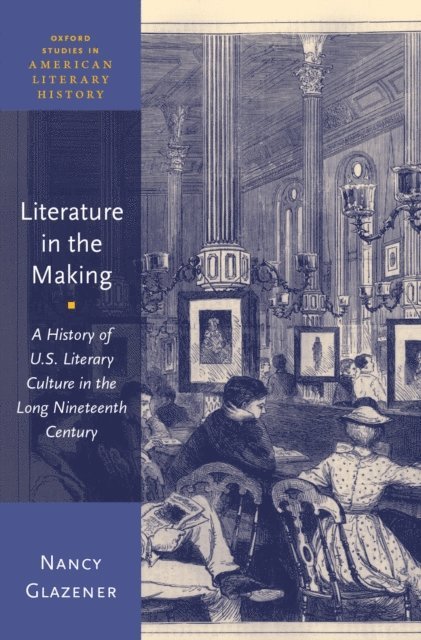
Literature in the Making
A History of U.S. Literary Culture in the Long Nineteenth Century
E-bok, 2015
443 kr
Lägg i varukorg
In the eighteenth century, literature meant learned writings; by the twentieth century, literature had come to be identified with imaginative, aesthetically significant works, and academic literary studies had developed special protocols for interpreting and valuing literary texts. Literature in …
Literature in the Making
A History of U.S. Literary Culture in the Long Nineteenth Century
Häftad, 2019
500 kr
Lägg i varukorg
In the eighteenth century, literature meant learned writings; by the twentieth century, literature had come to be identified with imaginative, aesthetically significant works, and academic literary studies had developed special protocols for interpreting and valuing literary texts. Literature in …
Literature in the Making
A History of U.S. Literary Culture in the Long Nineteenth Century
Inbunden, 2015
1956 kr
Lägg i varukorg
Literature in the contemporary sense, comprised of drama, fiction, poetry, and certain kinds of nonfiction prose, cohered during the nineteenth century and became the defining object of departments of modern languages and literatures in U.S. research universities. However, non-academic literary …
Literature in the Making
A History of U.S. Literary Culture in the Long Nineteenth Century
E-bok, 2015
443 kr
Lägg i varukorg
In the eighteenth century, literature meant learned writings; by the twentieth century, literature had come to be identified with imaginative, aesthetically significant works, and academic literary studies had developed special protocols for interpreting and valuing literary texts. Literature in …
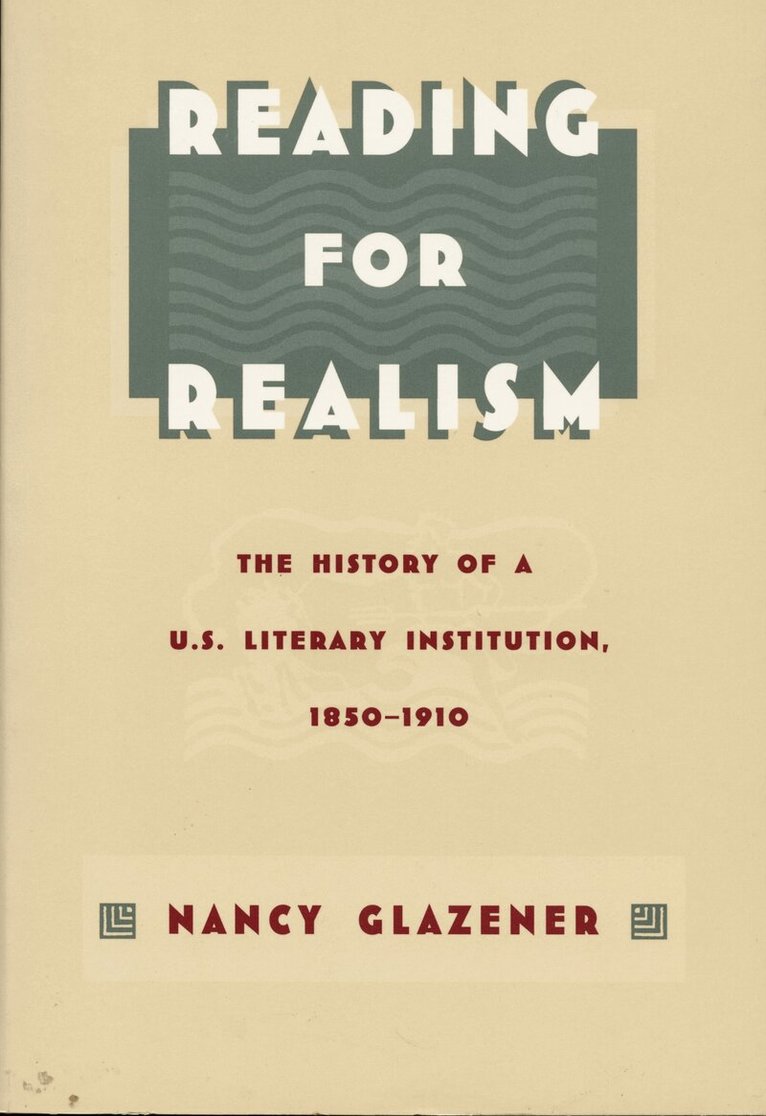
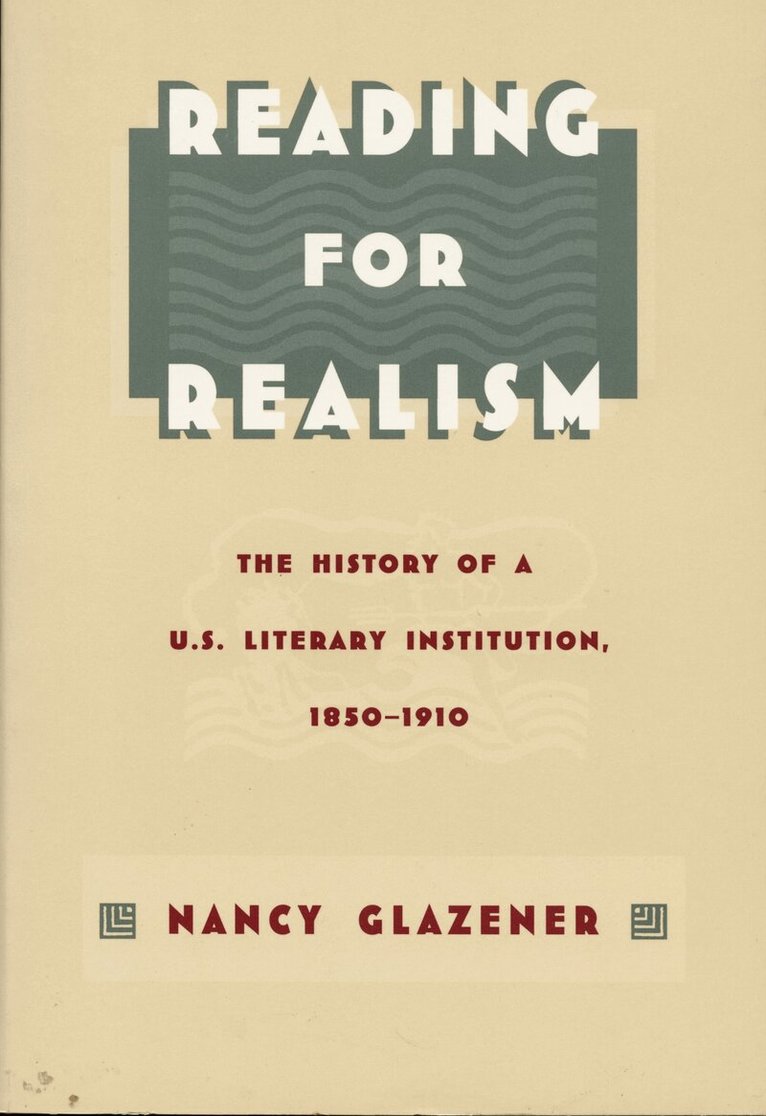
Reading for Realism
The History of a U.S. Literary Institution, 1850–1910
Häftad, 1997
726 kr
Lägg i varukorg
Reading for Realism presents a new approach to U.S. literary history that is based on the analysis of dominant reading practices rather than on the production of texts. Nancy Glazener’s focus is the realist novel, the most influential literary form of the nineteenth and twentieth centuries-a form …
Reading for Realism
The History of a U.S. Literary Institution, 1850–1910
E-bok, 1997
749 kr
Lägg i varukorg
Reading for Realism presents a new approach to U.S. literary history that is based on the analysis of dominant reading practices rather than on the production of texts. Nancy Glazener’s focus is the realist novel, the most influential literary form of the nineteenth and twentieth centuries—a form …
Reading for Realism
The History of a U.S. Literary Institution, 1850–1910
Inbunden, 1997
1612 kr
Tillfälligt slut
Reading for Realism presents a new approach to U.S. literary history that is based on the analysis of dominant reading practices rather than on the production of texts. Nancy Glazener’s focus is the realist novel, the most influential literary form of the nineteenth and twentieth centuries-a form …