Nancy Isenberg – författare
Visar alla böcker från författaren Nancy Isenberg. Handla med fri frakt och snabb leverans.
17 produkter
17 produkter
Häftad, Engelska, 2008
347 kr
Skickas inom 3-6 vardagar
Häftad, Engelska, 2017
192 kr
Skickas inom 3-6 vardagar
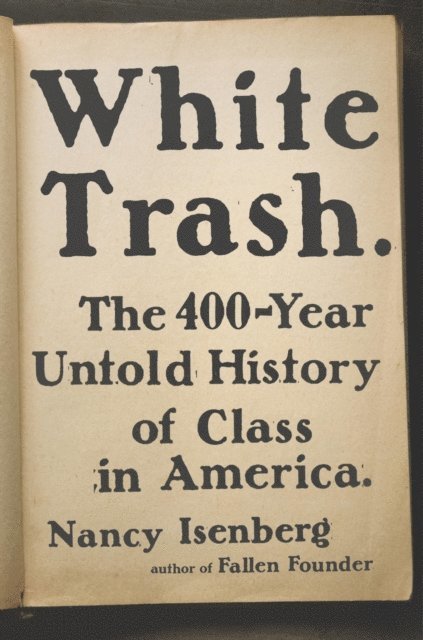
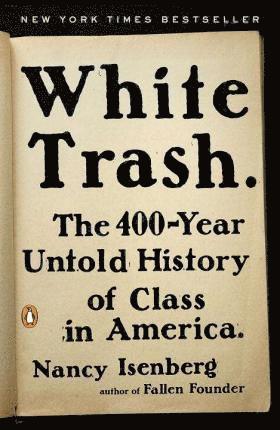
Pulitzer Prize-winning author of Custer's Trials In her groundbreaking bestselling history of the class system in America, Nancy Isenberg, #4 on the 2016 Politico 50 list, takes on our comforting myths about equality, uncovering the crucial legacy of the ever-present, always embarrassing--if occasionally entertaining--poor white trash. When you turn an election into a three-ring circus, there's always a chance that the dancing bear will win, says Isenberg of the political climate surrounding Sarah Palin. And we recognize how right she is today. Yet the voters boosting Trump have been a permanent part of our American fabric, argues Isenberg. The wretched and landless poor have existed from the time of the earliest British colonial settlement to today's hillbillies. They were alternately known as waste people, offals, rubbish, lazy lubbers, and crackers. By the 1850s, the downtrodden included so-called clay eaters and sandhillers, known for prematurely aged children distinguished by their yellowish skin, ragged clothing, and listless minds. Surveying political rhetoric and policy, popular literature and scientific theories over four hundred years, Isenberg upends assumptions about America's supposedly class-free society--where liberty and hard work were meant to ensure real social mobility. Poor whites were central to the rise of the Republican Party in the early nineteenth century, and the Civil War itself was fought over class issues nearly as much as it was fought over slavery. Reconstruction pitted poor white trash against newly freed slaves, which factored in the rise of eugenics--a widely popular movement embraced by Theodore Roosevelt that targeted poor whites for sterilization. These poor were at the heart of New Deal reforms and LBJ's Great Society; they haunt us in reality TV shows like Here Comes Honey Boo Boo and Duck Dynasty. Marginalized as a class, white trash have always been at or near the center of major political debates over the character of the American identity. We acknowledge racial injustice as an ugly stain on our nation's history. With Isenberg's landmark book, we will have to face the truth about the enduring, malevolent nature of class as well.
E-bok
Engelska, 201986 kr
Läs direkt efter köp
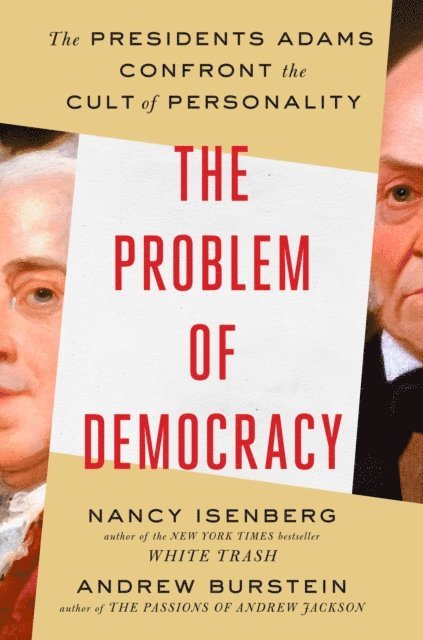
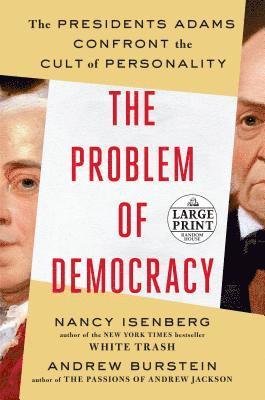
How the father and son presidents foresaw the rise of the cult of personality and fought those who sought to abuse the weaknesses inherent in our democracy.Until now, no one has properly dissected the intertwined lives of the second and sixth (father and son) presidents. John and John Quincy Adams were brilliant, prickly politicians and arguably the most independently minded among leaders of the founding generation. Distrustful of blind allegiance to a political party, they brought a healthy skepticism of a brand-new system of government to the country''s first 50 years. They were unpopular for their fears of the potential for demagoguery lurking in democracy, and--in a twist that predicted the turn of twenty-first century politics--they warned against, but were unable to stop, the seductive appeal of political celebrities Thomas Jefferson and Andrew Jackson. In a bold recasting of the Adamses'' historical roles, The Problem of Democracy is a major critique of the ways in which their prophetic warnings have been systematically ignored over the centuries. It''s also an intimate family drama that brings out the torment and personal hurt caused by the gritty conduct of early American politics. Burstein and Isenberg make sense of the presidents'' somewhat iconoclastic, highly creative engagement with America''s political and social realities. By taking the temperature of American democracy, from its heated origins through multiple upheavals, the authors reveal the dangers and weaknesses that have been present since the beginning. They provide a clear-eyed look at a decoy democracy that masks the reality of elite rule while remaining open, since the days of George Washington, to a very undemocratic result in the formation of a cult surrounding the person of an elected leader.
Inbunden, Engelska, 2026
388 kr
Kommande
E-bok
Engelska, 2010157 kr
Läs direkt efter köp
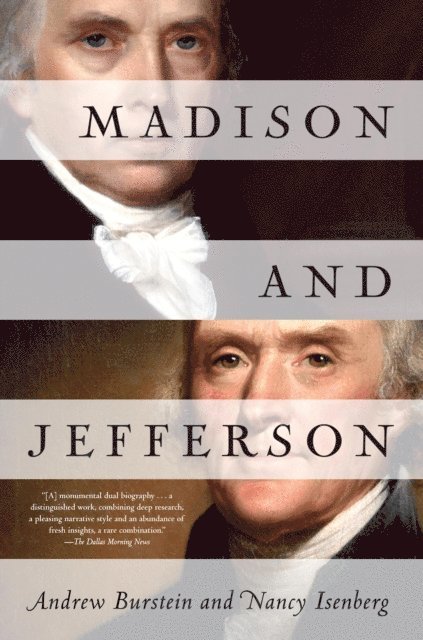
“[A] monumental dual biography . . . a distinguished work, combining deep research, a pleasing narrative style and an abundance of fresh insights, a rare combination.”—The Dallas Morning News The third and fourth presidents have long been considered proper gentlemen, with Thomas Jefferson’s genius overshadowing James Madison’s judgment and common sense. But in this revelatory book about their crucial partnership, both are seen as men of their times, hardboiled operatives in a gritty world of primal politics where they struggled for supremacy for more than fifty years. With a thrilling and unprecedented account of early America as its backdrop, Madison and Jefferson reveals these founding fathers as privileged young men in a land marked by tribal identities rather than a united national personality. Esteemed historians Andrew Burstein and Nancy Isenberg capture Madison’s hidden role—he acted in effect as a campaign manager—in Jefferson’s career. In riveting detail, the authors chart the courses of two very different presidencies: Jefferson’s driven by force of personality, Madison’s sustained by a militancy that history has been reluctant to ascribe to him. Supported by a wealth of original sources—newspapers, letters, diaries, pamphlets—Madison and Jefferson is a watershed account of the most important political friendship in American history. “Enough colorful characters for a miniseries, loaded with backstabbing (and frontstabbing too).”—Newsday “An important, thoughtful, and gracefully written political history.”—Publishers Weekly (starred review)
Inbunden, Engelska, 2022
446 kr
Skickas inom 5-8 vardagar
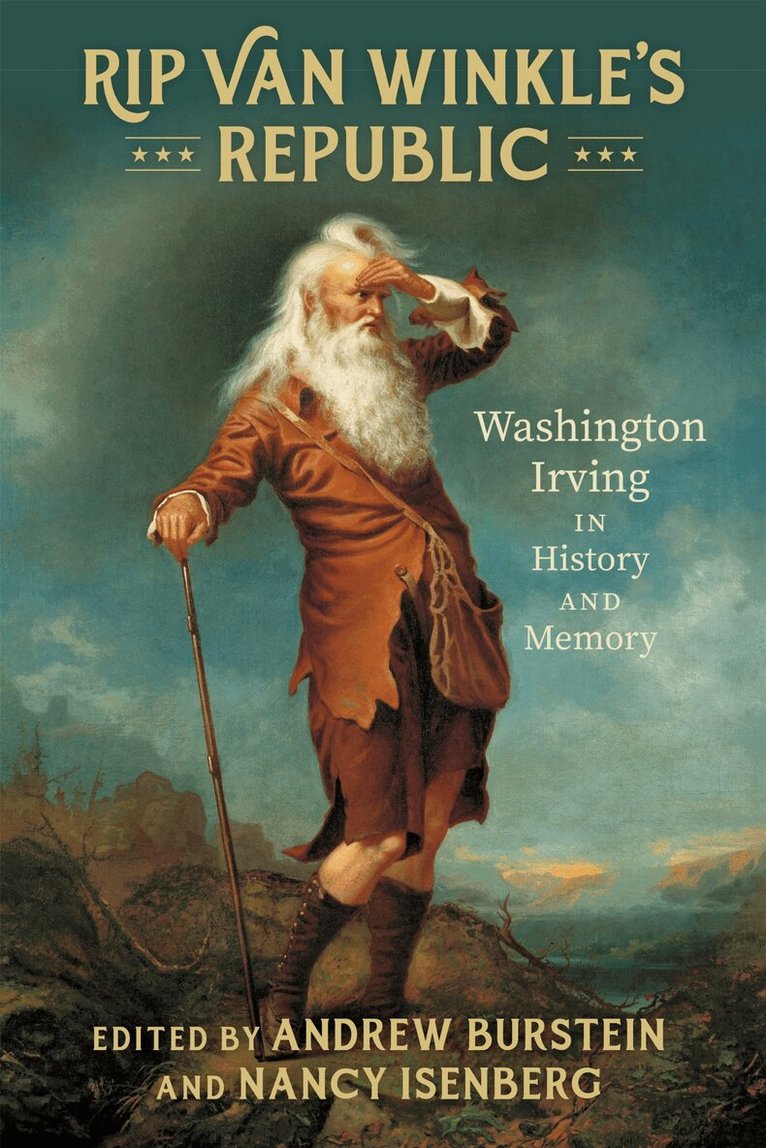
Two centuries ago, native New Yorker Washington Irving exploded onto the literary scene of Europe with the publication of his breakout collection of stories, The Sketch Book of Geoffrey Crayon, Gent. Published in England and America in 1819–1820, and universally praised for its inventive characters and soul-searching qualities, including the immortal tales "Rip Van Winkle" and "The Legend of Sleepy Hollow," the volume enjoyed remarkable transatlantic success, allowing Irving to become the first of his nation to support himself as a professional author. In this distinctive collection, historians and literary scholars come together to reassess Irving's imaginative world and complex cultural legacy. Alternately a satirist and a nostalgia merchant, Irving was ever absorbed in reconstituting a lost past, which the volume dubs "Rip Van Winkle's Republic." The assembled scholars explore issues of Anglo-American culture, the power of imagery, race, and the treatment of time and history in Irving's vast body of literature, as well as his status as a bibliophile, an antiquarian, and a prominent figure in an age of literary celebrity. Edited by acclaimed historians Andrew Burstein and Nancy Isenberg, Rip Van Winkle's Republic marks a rediscovery of this marvelous author of social satire and fabled tales of the past.
Häftad, Engelska, 2025
373 kr
Skickas inom 10-15 vardagar
Two centuries ago, native New Yorker Washington Irving exploded onto the literary scene of Europe with the publication of his breakout collection of stories, The Sketch Book of Geoffrey Crayon, Gent. Published in England and America in 1819–1820, and universally praised for its inventive characters and soul-searching qualities, including the immortal tales "Rip Van Winkle" and "The Legend of Sleepy Hollow," the volume enjoyed remarkable transatlantic success, allowing Irving to become the first of his nation to support himself as a professional author. In this distinctive collection, historians and literary scholars come together to reassess Irving's imaginative world and complex cultural legacy. Alternately a satirist and a nostalgia merchant, Irving was ever absorbed in reconstituting a lost past, which the volume dubs "Rip Van Winkle's Republic." The assembled scholars explore issues of Anglo-American culture, the power of imagery, race, and the treatment of time and history in Irving's vast body of literature, as well as his status as a bibliophile, an antiquarian, and a prominent figure in an age of literary celebrity. Edited by acclaimed historians Andrew Burstein and Nancy Isenberg, Rip Van Winkle's Republic marks a rediscovery of this marvelous author of social satire and fabled tales of the past.
Häftad, Engelska, 1998
447 kr
Skickas inom 10-15 vardagar
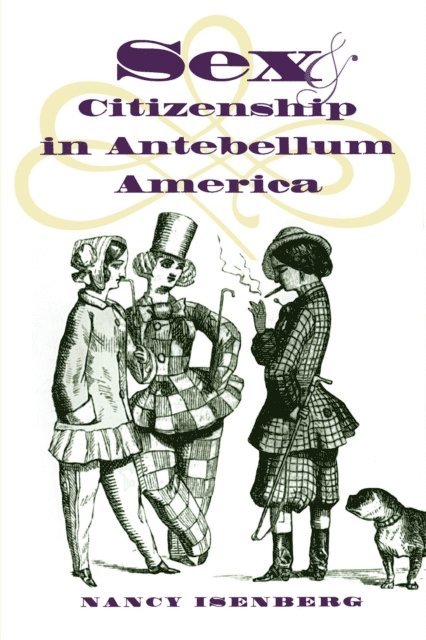
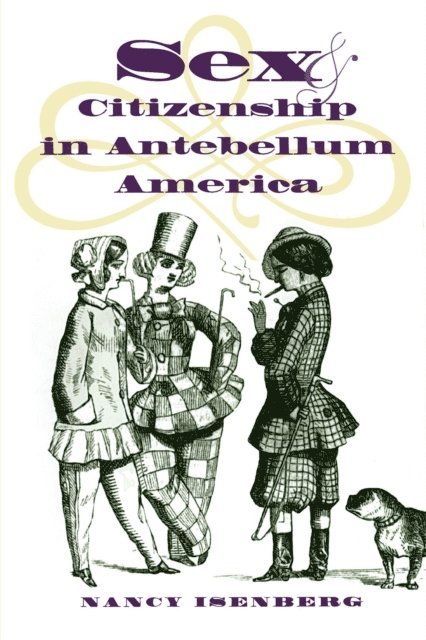
With this book, Nancy Isenberg illuminates the origins of the women's rights movement. Rather than herald the singular achievements of the 1848 Seneca Falls convention, she examines the confluence of events and ideas--before and after 1848--that, in her view, marked the real birth of feminism. Drawing on a wide range of sources, she demonstrates that women's rights activists of the antebellum era crafted a coherent feminist critique of church, state, and family. In addition, Isenberg shows, they developed a rich theoretical tradition that influenced not only subsequent strains of feminist thought but also ideas about the nature of citizenship and rights more generally. By focusing on rights discourse and political theory, Isenberg moves beyond a narrow focus on suffrage. Democracy was in the process of being redefined in antebellum America by controversies over such volatile topics as fugitive slave laws, temperance, Sabbath laws, capital punishment, prostitution, the Mexican War, married women's property rights, and labor reform--all of which raised significant legal and constitutional questions. These pressing concerns, debated in women's rights conventions and the popular press, were inseparable from the gendered meaning of nineteenth-century citizenship. |Illuminates the origins of American feminism by showing how antebellum feminists moved beyond suffrage to influence thinking about the nature of citizenship and rights more generally.
E-bok
Engelska, 2012471 kr
Läs direkt efter köp
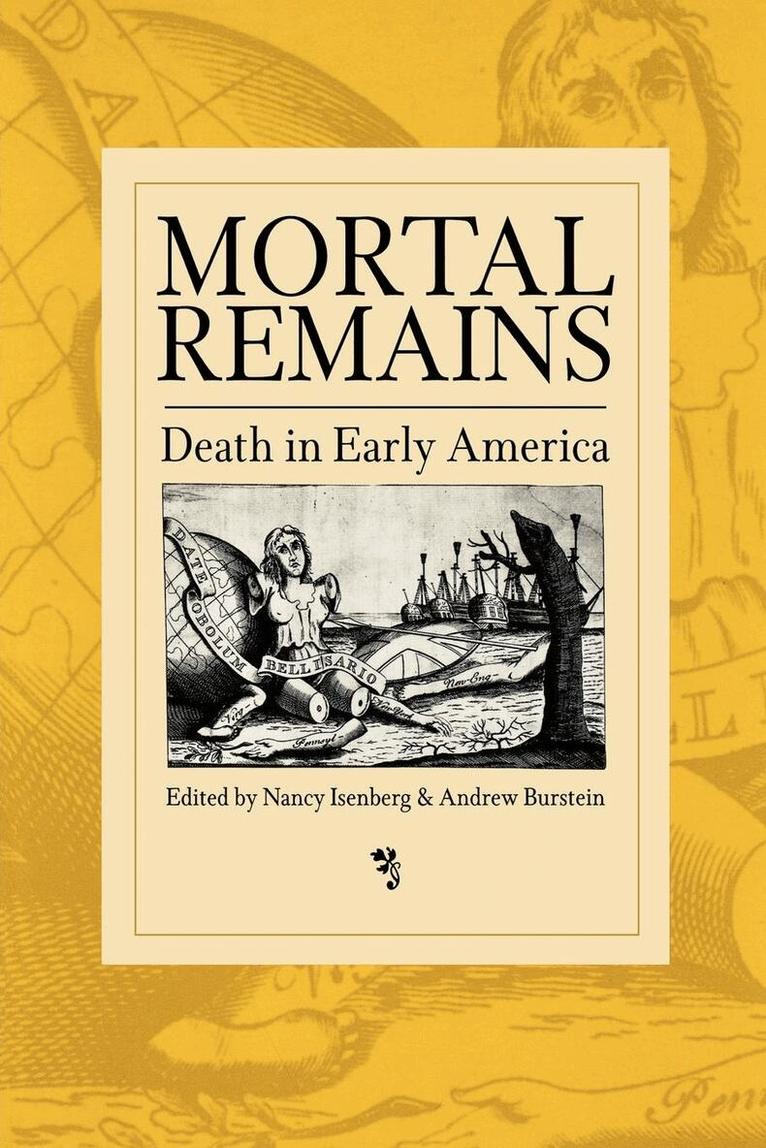
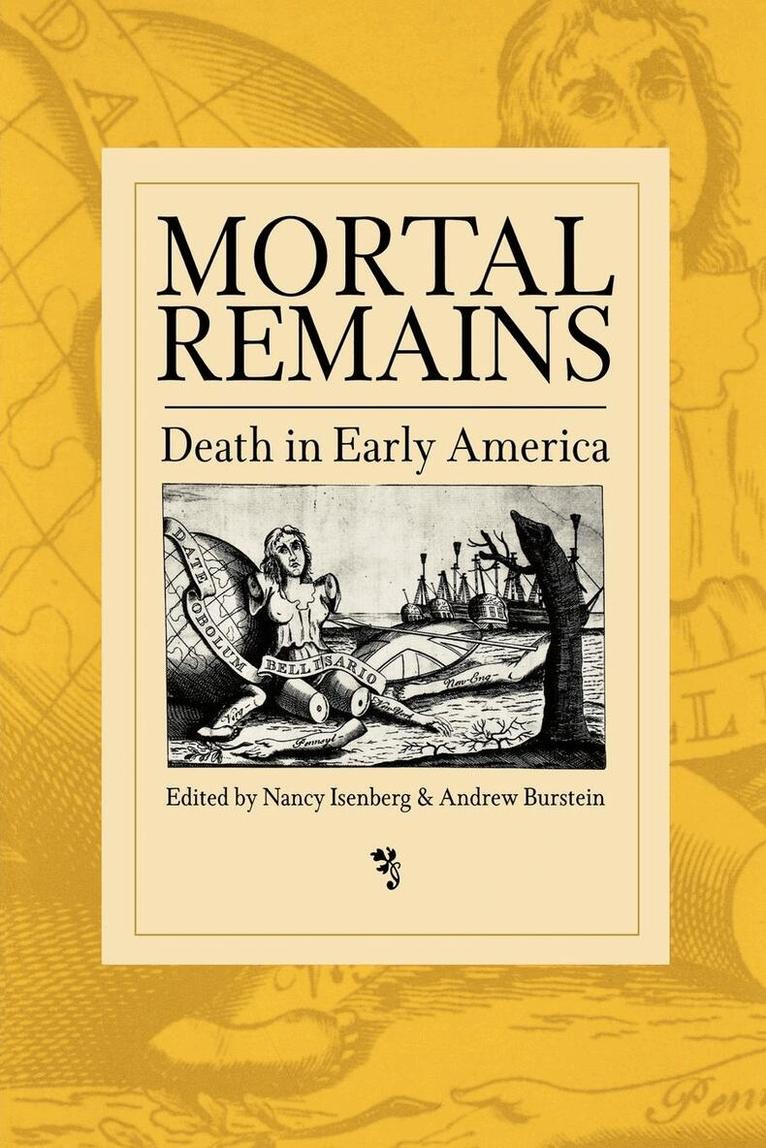
Mortal Remains introduces new methods of analyzing death and its crucial meanings over a 240-year period, from 1620 to 1860, untangling its influence on other forms of cultural expression, from religion and politics to race relations and the nature of war. In this volume historians and literary scholars join forces to explore how, in a medically primitive and politically evolving environment, mortality became an issue that was inseparable from national self-definition.Attempting to make sense of their suffering and loss while imagining a future of cultural permanence and spiritual value, early Americans crafted metaphors of death in particular ways that have shaped the national mythology. As the authors show, the American fascination with murder, dismembered bodies, and scenes of death, the allure of angel sightings, the rural cemetery movement, and the enshrinement of George Washington as a saintly father, constituted a distinct sensibility. Moreover, by exploring the idea of the vanishing Indian and the brutality of slavery, the authors demonstrate how a culture of violence and death had an early effect on the American collective consciousness.Mortal Remains draws on a range of primary sources-from personal diaries and public addresses, satire and accounts of sensational crime-and makes a needed contribution to neglected aspects of cultural history. It illustrates the profound ways in which experiences with death and the imagery associated with it became enmeshed in American society, politics, and culture.
Häftad, Engelska, 2002
334 kr
Skickas inom 10-15 vardagar
Mortal Remains introduces new methods of analyzing death and its crucial meanings over a 240-year period, from 1620 to 1860, untangling its influence on other forms of cultural expression, from religion and politics to race relations and the nature of war. In this volume historians and literary scholars join forces to explore how, in a medically primitive and politically evolving environment, mortality became an issue that was inseparable from national self-definition.Attempting to make sense of their suffering and loss while imagining a future of cultural permanence and spiritual value, early Americans crafted metaphors of death in particular ways that have shaped the national mythology. As the authors show, the American fascination with murder, dismembered bodies, and scenes of death, the allure of angel sightings, the rural cemetery movement, and the enshrinement of George Washington as a saintly father, constituted a distinct sensibility. Moreover, by exploring the idea of the vanishing Indian and the brutality of slavery, the authors demonstrate how a culture of violence and death had an early effect on the American collective consciousness.Mortal Remains draws on a range of primary sources-from personal diaries and public addresses, satire and accounts of sensational crime-and makes a needed contribution to neglected aspects of cultural history. It illustrates the profound ways in which experiences with death and the imagery associated with it became enmeshed in American society, politics, and culture.
E-bok
Engelska, 2007173 kr
Läs direkt efter köp
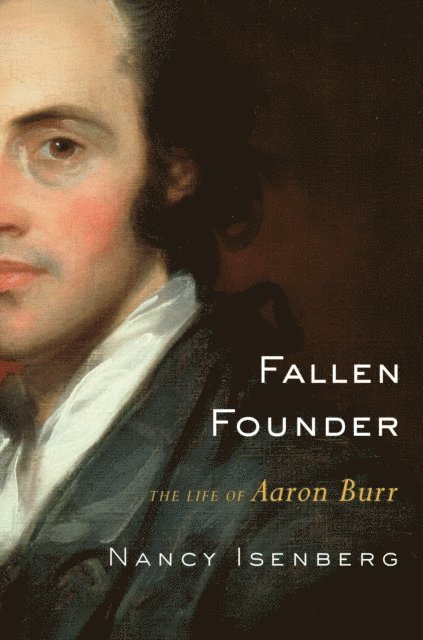
From the author of White Trash, a controversial challenge to the views of the Founding Fathers offered by Ron Chernow and David McCullough Lin-Manuel Miranda''s play "Hamilton" has reignited interest in the founding fathers; and it features Aaron Burr among its vibrant cast of characters. With Fallen Founder, Nancy Isenberg plumbs rare and obscure sources to shed new light on everyone''s favorite founding villain. The Aaron Burr whom we meet through Isenberg''s eye-opening biography is a feminist, an Enlightenment figure on par with Jefferson, a patriot, and—most importantly—a man with powerful enemies in an age of vitriolic political fighting. Revealing the gritty reality of eighteenth-century America, Fallen Founder is the authoritative restoration of a figure who ran afoul of history and a much-needed antidote to the hagiography of the revolutionary era.
E-bok
Engelska, 2016155 kr
Läs direkt efter köp
The New York Times bestseller A New York Times Notable and Critics’ Top Book of 2016Longlisted for the PEN/John Kenneth Galbraith Award for NonfictionOne of NPR''s 10 Best Books Of 2016 Faced Tough Topics Head OnNPR''s Book Concierge Guide To 2016’s Great ReadsSan Francisco Chronicle''s Best of 2016: 100 recommended booksA Washington Post Notable Nonfiction Book of 2016Globe & Mail 100 Best of 2016“Formidable and truth-dealing . . . necessary.” —The New York Times“This eye-opening investigation into our country’s entrenched social hierarchy is acutely relevant.” —O Magazine In her groundbreaking bestselling history of the class system in America, Nancy Isenberg upends history as we know it by taking on our comforting myths about equality and uncovering the crucial legacy of the ever-present, always embarrassing—if occasionally entertaining—poor white trash. “When you turn an election into a three-ring circus, there’s always a chance that the dancing bear will win,” says Isenberg of the political climate surrounding Sarah Palin. And we recognize how right she is today. Yet the voters who boosted Trump all the way to the White House have been a permanent part of our American fabric, argues Isenberg. The wretched and landless poor have existed from the time of the earliest British colonial settlement to today''s hillbillies. They were alternately known as “waste people,” “offals,” “rubbish,” “lazy lubbers,” and “crackers.” By the 1850s, the downtrodden included so-called “clay eaters” and “sandhillers,” known for prematurely aged children distinguished by their yellowish skin, ragged clothing, and listless minds. Surveying political rhetoric and policy, popular literature and scientific theories over four hundred years, Isenberg upends assumptions about America’s supposedly class-free society––where liberty and hard work were meant to ensure real social mobility. Poor whites were central to the rise of the Republican Party in the early nineteenth century, and the Civil War itself was fought over class issues nearly as much as it was fought over slavery. Reconstruction pitted poor white trash against newly freed slaves, which factored in the rise of eugenics–-a widely popular movement embraced by Theodore Roosevelt that targeted poor whites for sterilization. These poor were at the heart of New Deal reforms and LBJ’s Great Society; they haunt us in reality TV shows like Here Comes Honey Boo Boo and Duck Dynasty. Marginalized as a class, white trash have always been at or near the center of major political debates over the character of the American identity. We acknowledge racial injustice as an ugly stain on our nation’s history. With Isenberg’s landmark book, we will have to face the truth about the enduring, malevolent nature of class as well.
Häftad, Engelska, 2017
160 kr
Skickas
The New York Times BestsellerA ground-breaking history of the class system in America, which challenges popular myths about equality in the land of opportunity.In this landmark book, Nancy Isenberg argues that the voters who boosted Trump all the way to the White House have been a permanent part of the American fabric, and reveals how the wretched and landless poor have existed from the time of the earliest British colonial settlements to today's hillbillies.Poor whites were central to the rise of the Republican Party in the early nineteenth century and the Civil War itself was fought over class issues nearly as much as it was fought over slavery. Reconstruction pitted white trash against newly freed slaves, which factored in the rise of eugenics - a widely popular movement embraced by Theodore Roosevelt that targeted poor whites for sterilization. These poor were at the heart of New Deal reforms and Lyndon B. Johnson's Great Society; they are now offered up as entertainment in reality TV shows, and the label is applied to celebrities ranging from Dolly Parton to Bill Clinton. Marginalized as a class, white trash have always been at or near the centre of major political debates over the character of the American identity.Surveying political rhetoric and policy, popular literature and scientific theories over four hundred years, Isenberg upends assumptions about America's supposedly class-free society - where liberty and hard work were meant to ensure real social mobility - and forces a nation to face the truth about the enduring, malevolent nature of class.
Inbunden, Engelska, 2010
1 277 kr
Skickas inom 11-20 vardagar
E-bok
Spanska, 2020158 kr
Läs direkt efter köp
En su innovadora historia sobre el sistema de clases en Estados Unidos, Nancy Isenberg expone el crucial legado de la embarazosa, siempre presente y ocasionalmente entretenida white trash. Los votantes que pusieron a Trump en la Casa Blanca han sido una parte permanente del tejido estadounidense: los pobres, marginados y sin tierra han existido desde la época del primer asentamiento colonial británico hasta los actuales hillbillies. Denominados como "basura", "timadores perezosos", "comedores de arcilla" o "crackers" en la década de 1850, los oprimidos eran conocidos por tener niños prematuramente envejecidos que se distinguían por su piel amarillenta, ropa andrajosa y actitudes apáticas. Los blancos pobres fueron fundamentales para el ascenso del Partido Republicano a principios del siglo xix y la Guerra Civil en sí misma se libró casi tanto por cuestiones de clase como por la esclavitud. Por otro lado, la escoria blanca siempre ha estado en el centro de los principales debates sobre el carácter de la identidad nacional. Examinando la retórica política, la literatura popular y las teorías científicas a lo largo de cuatrocientos años, Isenberg cuestiona los mitos de la supuesta sociedad libre de clases estadounidense, donde la libertad y el trabajo duro garantizan la movilidad social.
Häftad, Engelska, 2019
120 kr
Tillfälligt slut
410 kr
Tillfälligt slut