Nandor Knust – författare
Visar alla böcker från författaren Nandor Knust. Handla med fri frakt och snabb leverans.
8 produkter
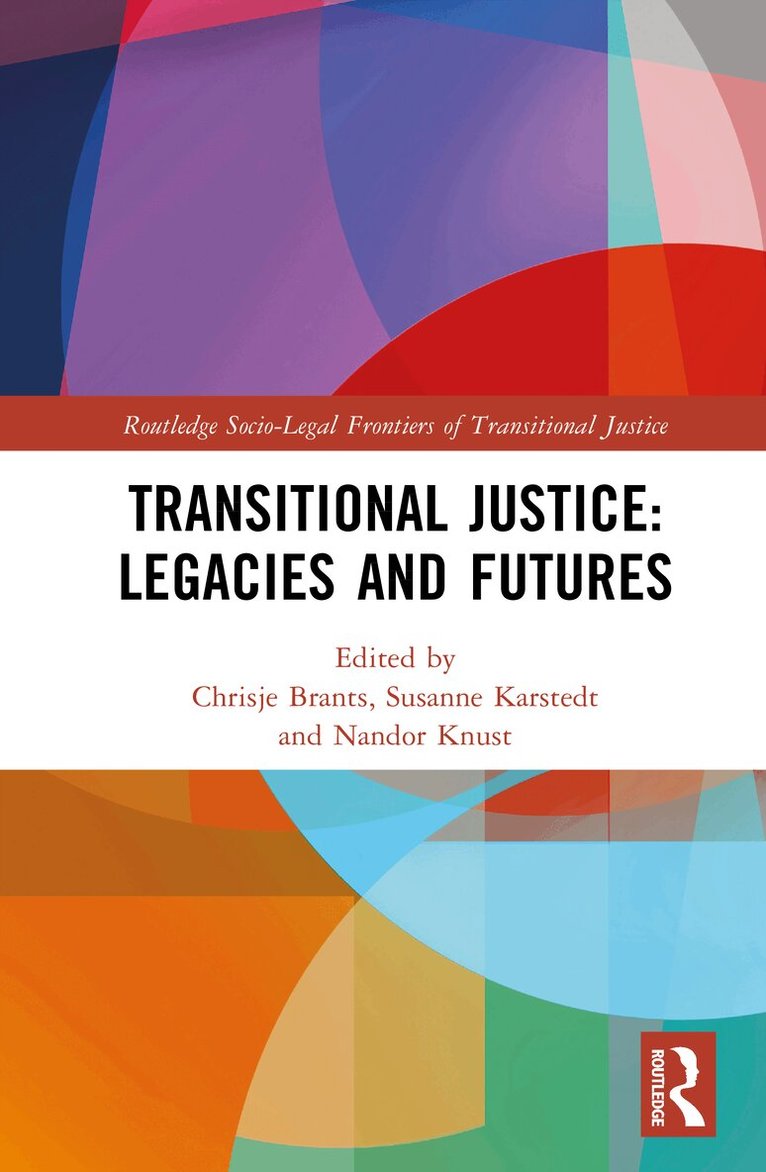
Transitional Justice: Legacies and Futures
Av Chrisje Brants, Susanne Karstedt m. fl.
Inbunden, 2026
2317 kr
Lägg i varukorg
This volume explores the futures of transitional justice by presenting its multiple pasts and presents across nearly half a century. It canvasses the legacies of achievements and failures, of high hopes and expectations, and equally of disappointment and disillusion across a range of institutions, …
Transitional Justice: Legacies and Futures
Av Nandor Knust, Susanne Karstedt m. fl.
E-bok, 2026
765 kr
Lägg i varukorg
This volume explores the futures of transitional justice by presenting its multiple pasts and presents across nearly half a century. It canvasses the legacies of achievements and failures, of high hopes and expectations, and equally of disappointment and disillusion across a range of institutions, …
Transitional Justice: Legacies and Futures
Av Nandor Knust, Susanne Karstedt m. fl.
E-bok, 2026
765 kr
Lägg i varukorg
This volume explores the futures of transitional justice by presenting its multiple pasts and presents across nearly half a century. It canvasses the legacies of achievements and failures, of high hopes and expectations, and equally of disappointment and disillusion across a range of institutions, …
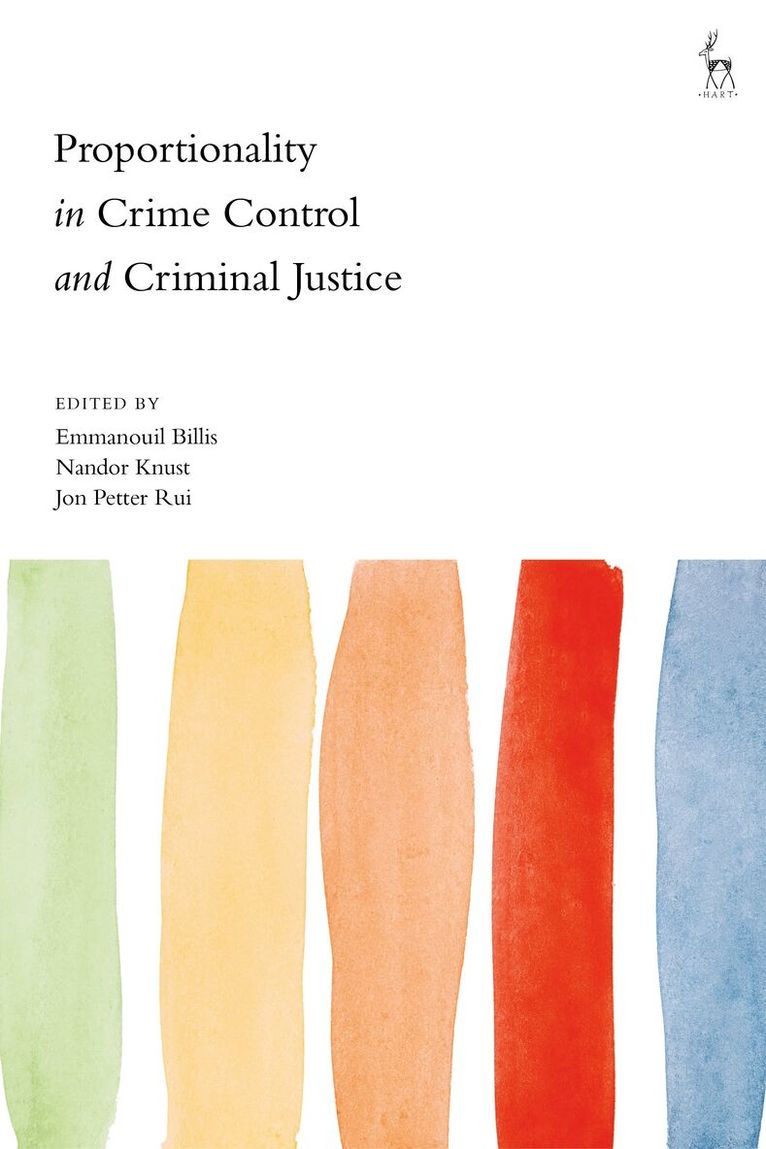
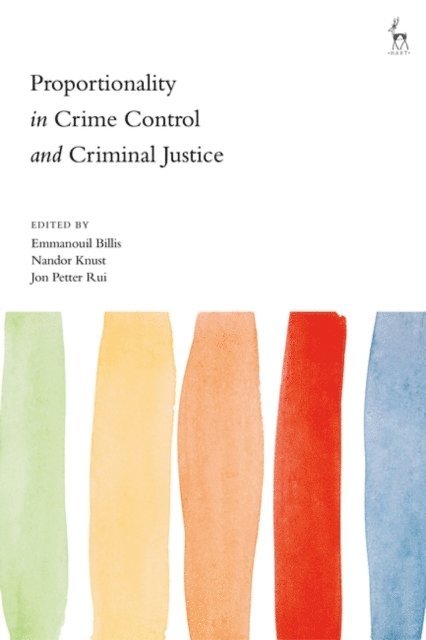
Proportionality in Crime Control and Criminal Justice
Av Emmanouil Billis, Nandor Knust m. fl.
Inbunden, 2021
1310 kr
Lägg i varukorg
This edited volume seeks to reassess the old and to analyse and develop novel approaches to the notion of proportionality in criminal matters and the new security architecture. The discourse is not limited to conventional constitutional constellations and standard problems of sentencing in …
Proportionality in Crime Control and Criminal Justice
Av Emmanouil Billis, Nandor Knust m. fl.
E-bok, 2021
631 kr
Lägg i varukorg
This edited volume seeks to reassess the old and to analyse and develop novel approaches to the notion of proportionality in criminal matters and the new security architecture. The discourse is not limited to conventional constitutional constellations and standard problems of sentencing in …
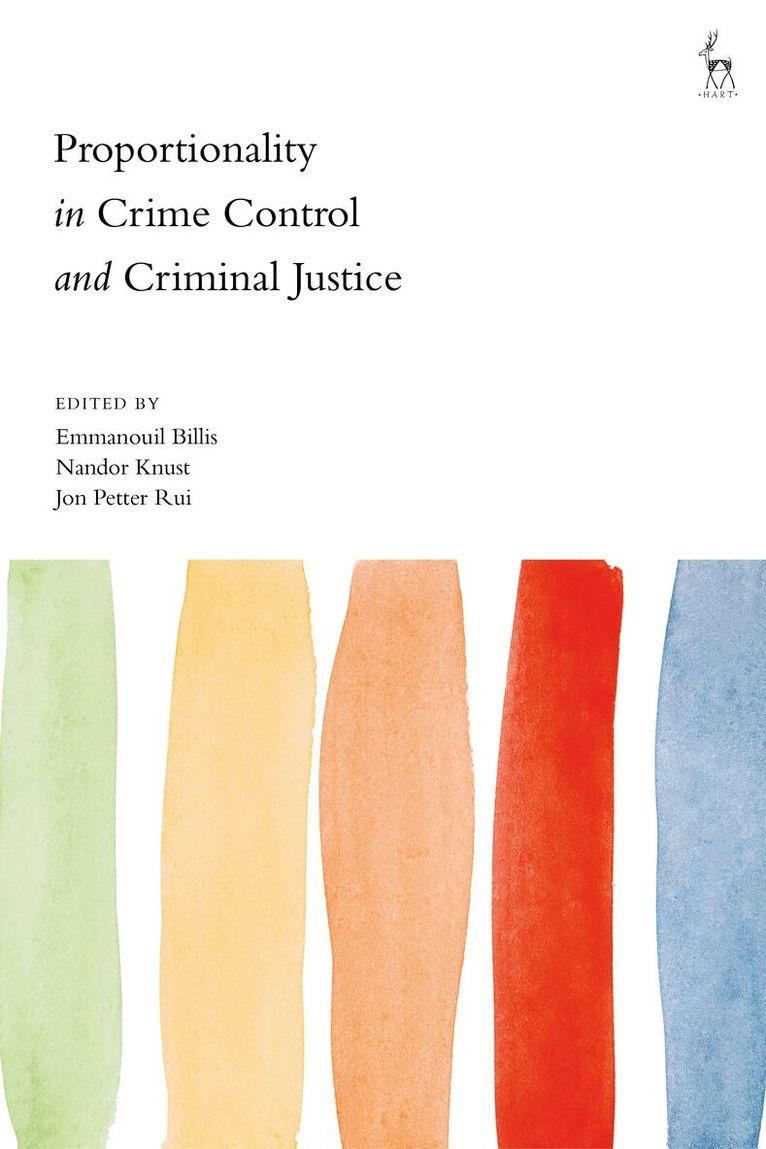
Proportionality in Crime Control and Criminal Justice
Av Emmanouil Billis, Nandor Knust m. fl.
E-bok, 2021
631 kr
Lägg i varukorg
This edited volume seeks to reassess the old and to analyse and develop novel approaches to the notion of proportionality in criminal matters and the new security architecture. The discourse is not limited to conventional constitutional constellations and standard problems of sentencing in …
Proportionality in Crime Control and Criminal Justice
Av Emmanouil Billis, Nandor Knust m. fl.
Häftad, 2022
580 kr
Lägg i varukorg
This edited volume seeks to reassess the old and to analyse and develop novel approaches to the notion of proportionality in criminal matters and the new security architecture. The discourse is not limited to conventional constitutional constellations and standard problems of sentencing in …
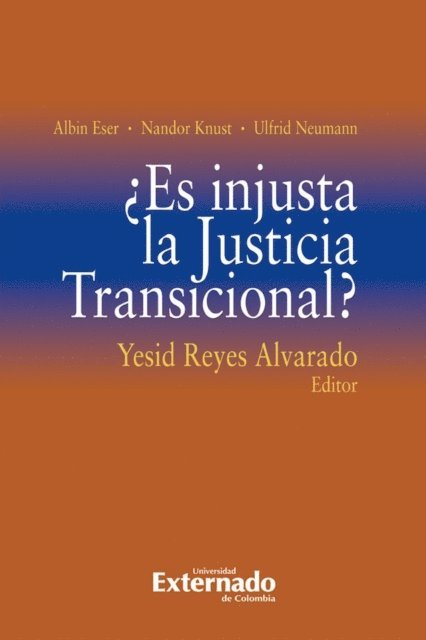
¿Es injusta la Justicia Transicional?
Av Ulfrid Neumann, Nandor Knust m. fl.
E-bok, 2018
57 kr
Lägg i varukorg
La creación de un Sistema Integral de Verdad, Justicia y No Repetición, y particularmente la de su componente de justicia, como desarrollo de los Acuerdos de Paz celebrados en la Habana entre el Gobierno colombiano y las FARC-EP, ha generado mucha controversia en nuestro país; algunas voces …