Naomi Standen - Böcker
Visar alla böcker från författaren Naomi Standen. Handla med fri frakt och snabb leverans.
4 produkter
4 produkter
557 kr
Skickas inom 10-15 vardagar
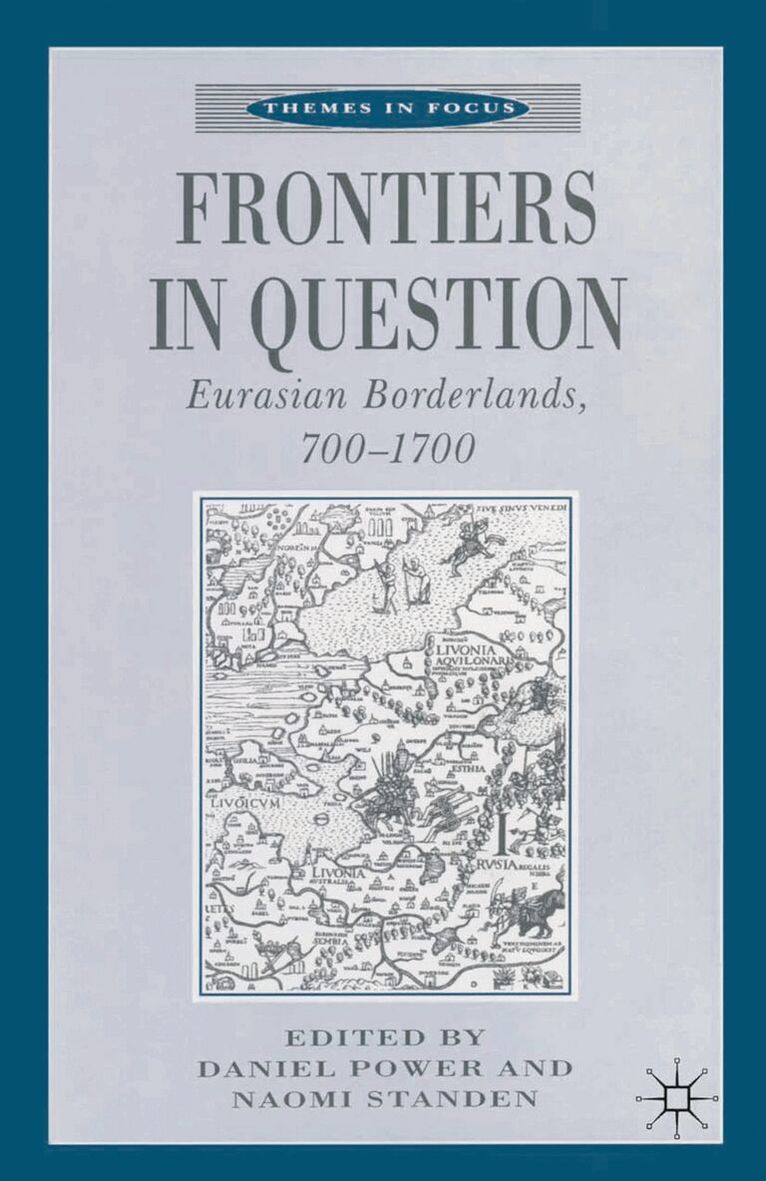
We are used to the idea that each state has clearly defined borders, which cleanly separate different nationalities from one another. What, though, were frontiers like before the evolution of the modern nation state? The nine essays in this book seek to answer this question across a thousand years of Eurasian history.
614 kr
Skickas inom 10-15 vardagar
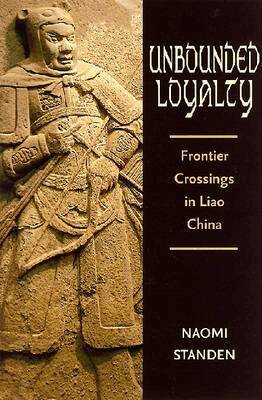
Unbounded Loyalty investigates how frontiers worked before the modern nation-state was invented. The perspective is that of the people in the borderlands who shifted their allegiance from the post-Tang regimes in North China to the new Liao empire (907-1125). Naomi Standen offers new ways of thinking about borders, loyalty, and identity in premodern China. She takes as her starting point the recognition that, at the time, ""China"" did not exist as a coherent entity, neither politically nor geographically, neither ethnically nor ideologically. Political borders were not the fixed geographical divisions of the modern world, but a function of relationships between leaders and followers. When local leaders changed allegiance, the borderline moved with them. Cultural identity did not determine people's actions: Ethnicity did not exist. In this context, she argues, collaboration, resistance, and accommodation were not meaningful concepts, and tenth-century understandings of loyalty were broad and various. ""Unbounded Loyalty"" sheds fresh light on the Tang-Song transition by focusing on the much-neglected tenth century and by treating the Liao as the preeminent Tang successor state. It fills several important gaps in scholarship on premodern China as well as uncovering new questions regarding the early modern period. It will be regarded as critically important to all scholars of the Tang, Liao, Five Dynasties, and Song periods and will be read widely by those working on Chinese history from the Han to the Qing.
1 314 kr
Skickas inom 10-15 vardagar
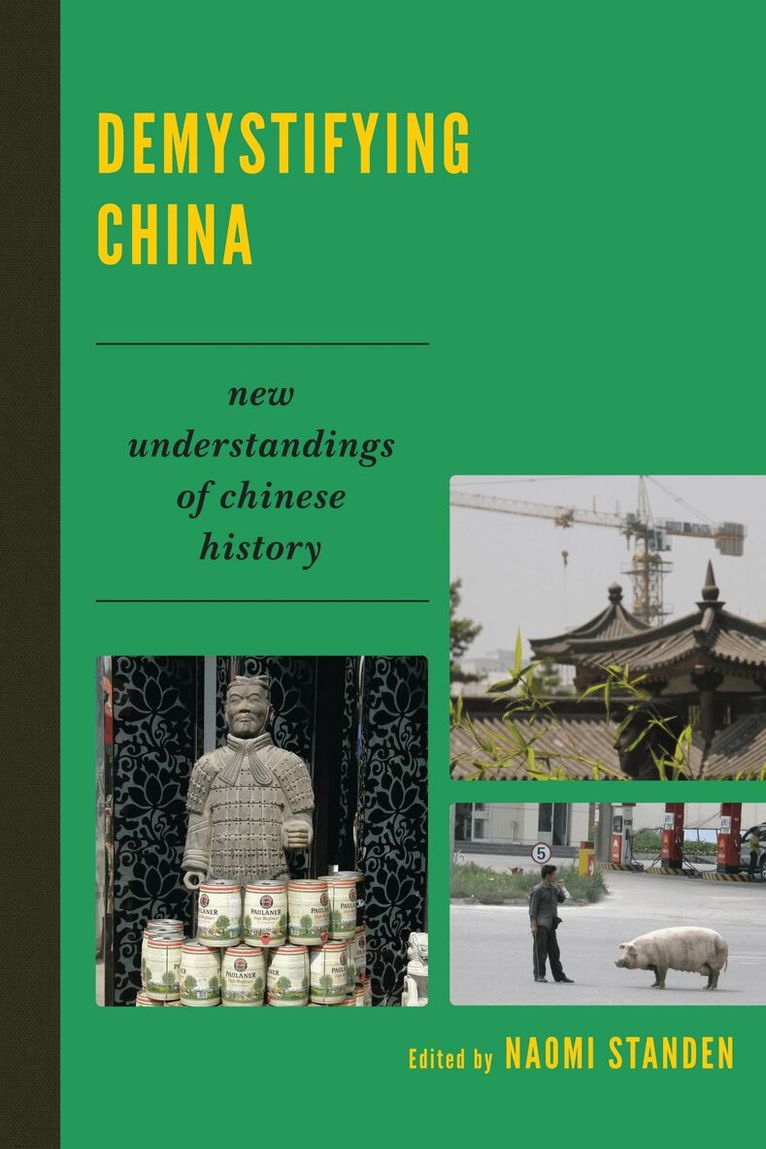
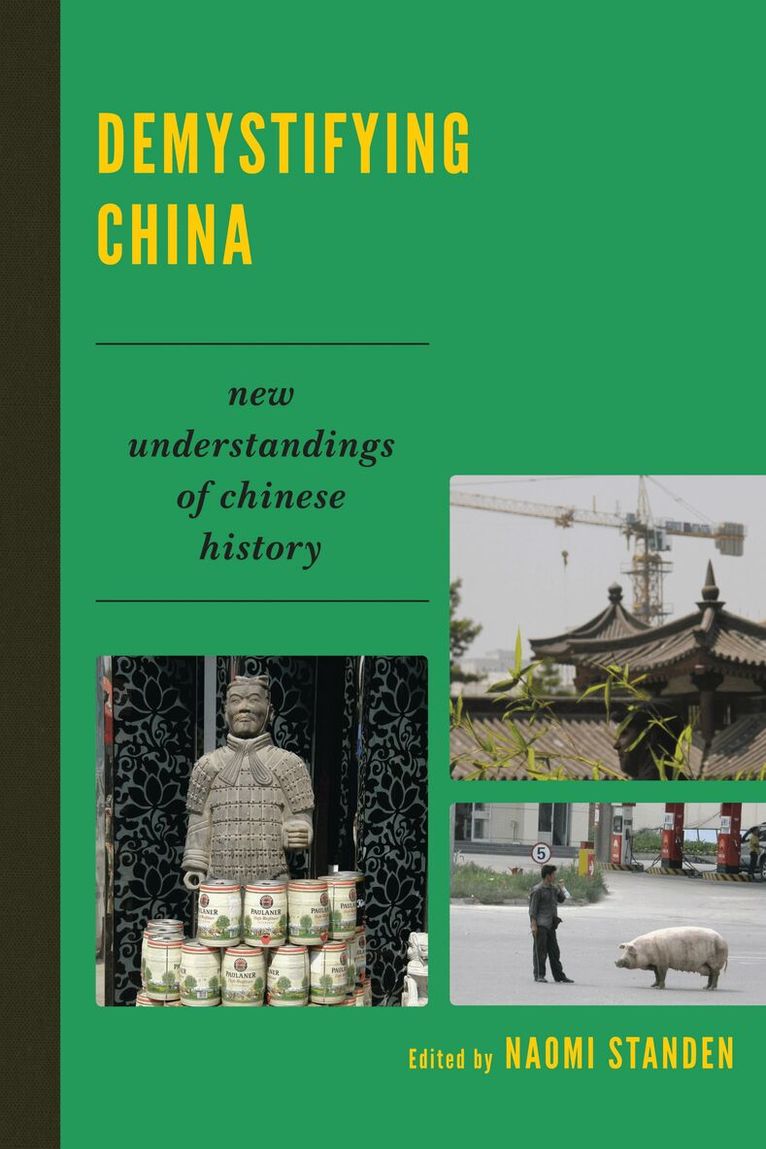
For westerners, China’s history is often reduced to a choice between timeless Confucian ideals or incomprehensible barbarisms such as footbinding or mass slaughter, fueled by generalizations such as “China has five thousand years of history,” “China was a Confucian society,” “Chinese women were victims,” “China is a communist country,” and many more. But China is now too globally important to allow such oversimplifications to continue unchallenged, and this engaging and deeply knowledgeable volume counters them vigorously. In concise and accessible style, the contributors scrutinize a range of historical misconceptions that have ramifications for the present and future of China and its relations with the rest of the world. They consider how misunderstandings have arisen and present more sophisticated and nuanced interpretations. Readers will learn how numerous popular beliefs about China’s history are mistaken and what new interpretations can help build the more accurate understandings of present-day China that we so badly need. By explicitly addressing common misconceptions, the book persuades readers to reexamine their assumptions about China’s history—and thus China in general—and begin to see it as a real rather than largely imagined place.Contributions by: Elif Akçetin, Bridie Andrews, Tim Barrett, Felix Boecking, Michael C. Brose, Marjorie Dryburgh, Imre Galambos, Stanley E. Henning, Christian Hess, Clara Wing-chung Ho, Judd Kinzley, Fabio Lanza, Peter Lorge, Julia Lovell, Rana Mitter, Barbara Mittler, Ruth Mostern, Peter C. Perdue, Hai Ren, Andres Rodriguez, Tansen Sen, Elliot Sperling, Naomi Standen, Wasana Wongsurawat, and Ling Zhang.
502 kr
Skickas inom 10-15 vardagar
For westerners, China’s history is often reduced to a choice between timeless Confucian ideals or incomprehensible barbarisms such as footbinding or mass slaughter, fueled by generalizations such as “China has five thousand years of history,” “China was a Confucian society,” “Chinese women were victims,” “China is a communist country,” and many more. But China is now too globally important to allow such oversimplifications to continue unchallenged, and this engaging and deeply knowledgeable volume counters them vigorously. In concise and accessible style, the contributors scrutinize a range of historical misconceptions that have ramifications for the present and future of China and its relations with the rest of the world. They consider how misunderstandings have arisen and present more sophisticated and nuanced interpretations. Readers will learn how numerous popular beliefs about China’s history are mistaken and what new interpretations can help build the more accurate understandings of present-day China that we so badly need. By explicitly addressing common misconceptions, the book persuades readers to reexamine their assumptions about China’s history—and thus China in general—and begin to see it as a real rather than largely imagined place.Contributions by: Elif Akçetin, Bridie Andrews, Tim Barrett, Felix Boecking, Michael C. Brose, Marjorie Dryburgh, Imre Galambos, Stanley E. Henning, Christian Hess, Clara Wing-chung Ho, Judd Kinzley, Fabio Lanza, Peter Lorge, Julia Lovell, Rana Mitter, Barbara Mittler, Ruth Mostern, Peter C. Perdue, Hai Ren, Andres Rodriguez, Tansen Sen, Elliot Sperling, Naomi Standen, Wasana Wongsurawat, and Ling Zhang.