
Nariaki Nakazato - Böcker
Visar alla böcker från författaren Nariaki Nakazato. Handla med fri frakt och snabb leverans.
3 produkter
3 produkter
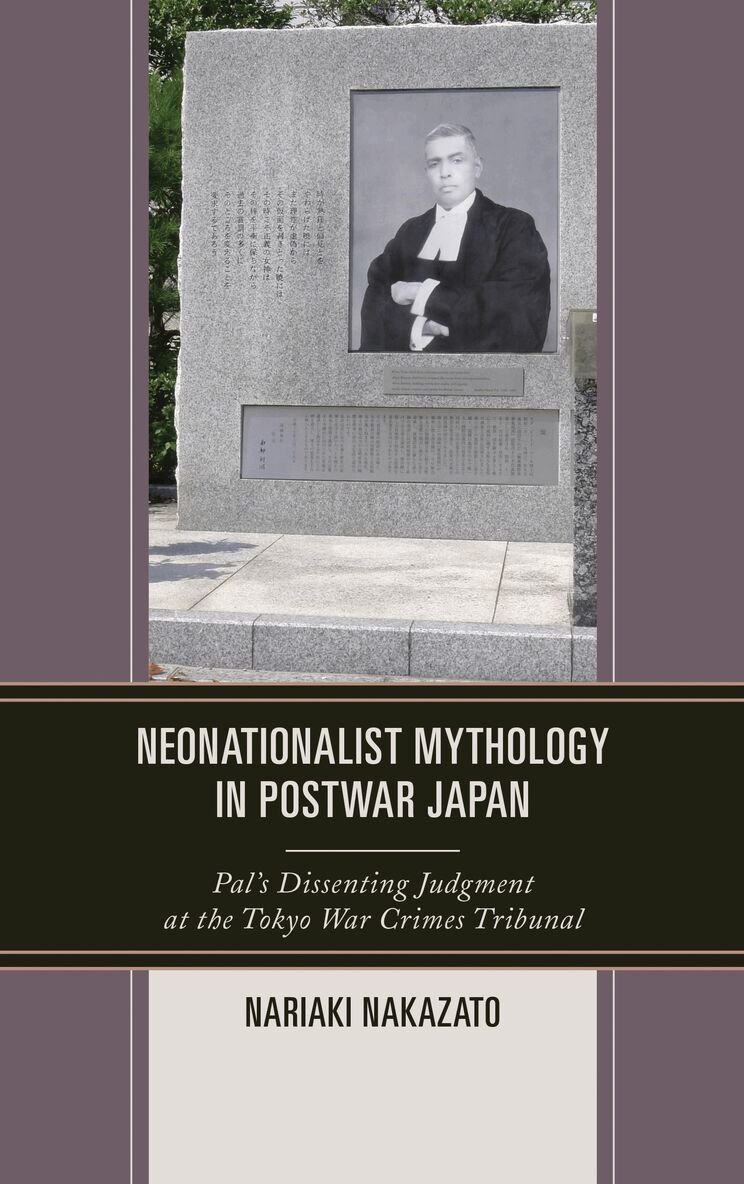
Neonationalist Mythology in Postwar Japan
Pal's Dissenting Judgment at the Tokyo War Crimes Tribunal
Inbunden, Engelska, 2016
1 383 kr
Skickas inom 10-15 vardagar
Radhabinod Pal was an Indian jurist who achieved international fame as the judge representing India at the Tokyo War Crimes Tribunal and dissented from the majority opinion, holding that all Japanese “Class A” war criminals were not guilty of any of the charges brought against them. In postwar Japanese politics, right-wing polemicists have repeatedly utilized his dissenting judgment in their political propaganda aimed at refuting the Tokyo trial’s majority judgment and justifying Japan’s aggression, gradually elevating this controversial lawyer from India to a national symbol of historical revisionism. Many questions have been raised about how to appropriately assess Pal’s dissenting judgment and Pal himself. Were the arguments in Pal’s judgment sound? Why did he submit such a bold dissenting opinion? What was the political context? More fundamentally, why and how did the Allies ever nominate such a lawyer as a judge for a tribunal of such great political importance? How should his dissent be situated within the context of modern Asian history and the development of international criminal justice? What social and political circumstances in Japan thrust him into such a prominent position? Many of these questions remain unanswered, while some have been misinterpreted. This book proposes answers to many of them and presents a critique of the persistent revisionist denial of war responsibility in the Japanese postwar right-wing movement.
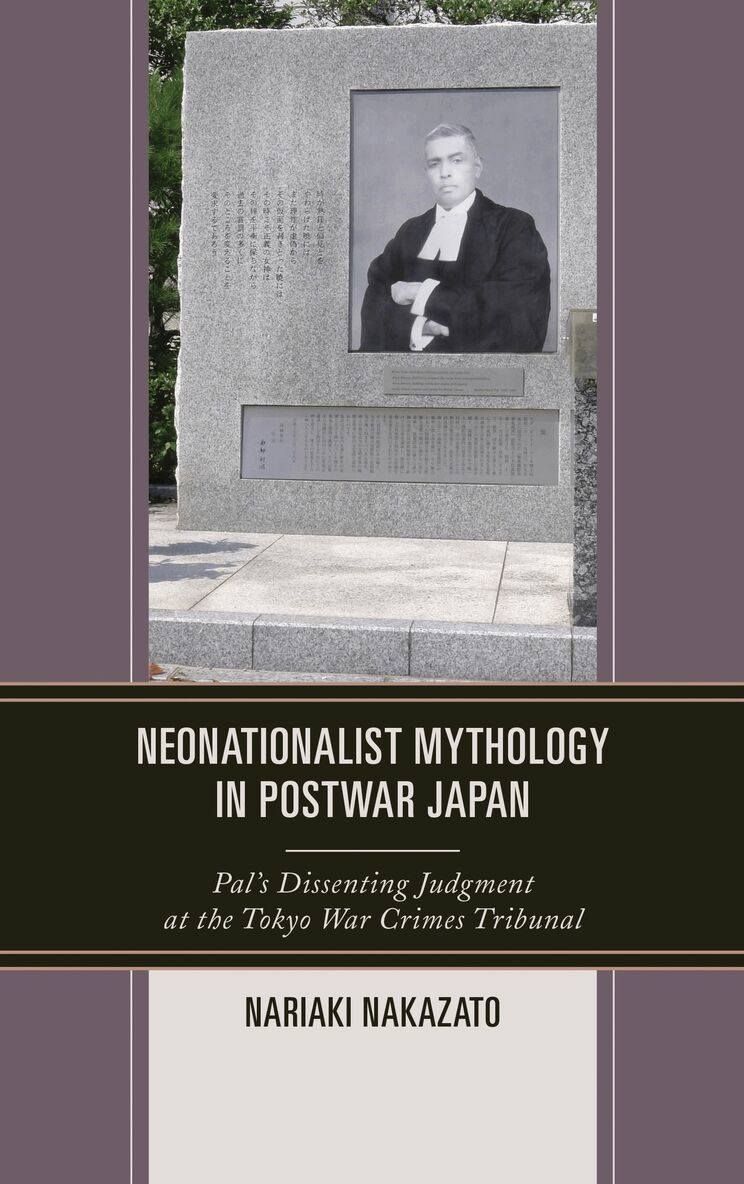
Neonationalist Mythology in Postwar Japan
Pal's Dissenting Judgment at the Tokyo War Crimes Tribunal
Häftad, Engelska, 2017
695 kr
Skickas inom 10-15 vardagar
Radhabinod Pal was an Indian jurist who achieved international fame as the judge representing India at the Tokyo War Crimes Tribunal and dissented from the majority opinion, holding that all Japanese “Class A” war criminals were not guilty of any of the charges brought against them. In postwar Japanese politics, right-wing polemicists have repeatedly utilized his dissenting judgment in their political propaganda aimed at refuting the Tokyo trial’s majority judgment and justifying Japan’s aggression, gradually elevating this controversial lawyer from India to a national symbol of historical revisionism. Many questions have been raised about how to appropriately assess Pal’s dissenting judgment and Pal himself. Were the arguments in Pal’s judgment sound? Why did he submit such a bold dissenting opinion? What was the political context? More fundamentally, why and how did the Allies ever nominate such a lawyer as a judge for a tribunal of such great political importance? How should his dissent be situated within the context of modern Asian history and the development of international criminal justice? What social and political circumstances in Japan thrust him into such a prominent position? Many of these questions remain unanswered, while some have been misinterpreted. This book proposes answers to many of them and presents a critique of the persistent revisionist denial of war responsibility in the Japanese postwar right-wing movement.

1 055 kr
Skickas inom 7-10 vardagar
This volume provides multidisciplinary perspectives on nation building in South Asia. It results from an interchange of views and perspectives between Indian and Japanese scholars who participated in a conference held at the Institute of Oriental Culture, University of Tokyo. The essays are closely interlinked thematically and yet each is self-contained. The contributors, a judicious blend of academics and social activists, discuss wide-ranging themes and their ramifications within the framework of colonial society and the post-Independence Indian State. They also attempt to historicise the nature, scale and depth of the changes ushered in by the transfer of power. This book focuses attention on diverse aspects of continuity and change in the subcontinent. It takes within its compass such fundamental questions as the economic aspects of the transfer of power, the impact of Partition, tensions and violence between Hindus and Muslims, the ideology of majoritarianism and its interaction with the state and society at large, and the mobilization of lower castes and dalits. Issues of health, education, forestry, agricultural production and foreign policy are also examined. This book is neither a millennium volume nor does it offer an exhaustive appraisal of India's past and present. Concerned scholars in India and Japan explore, from their very different perspectives, some of the challenges before the Indian Republic in its quest for a democratic, secular and egalitarian society. In so doing, they bridge the artificial divide that separates social science disciplines.