Natasa Mavronicola - Böcker
Visar alla böcker från författaren Natasa Mavronicola. Handla med fri frakt och snabb leverans.
5 produkter
5 produkter
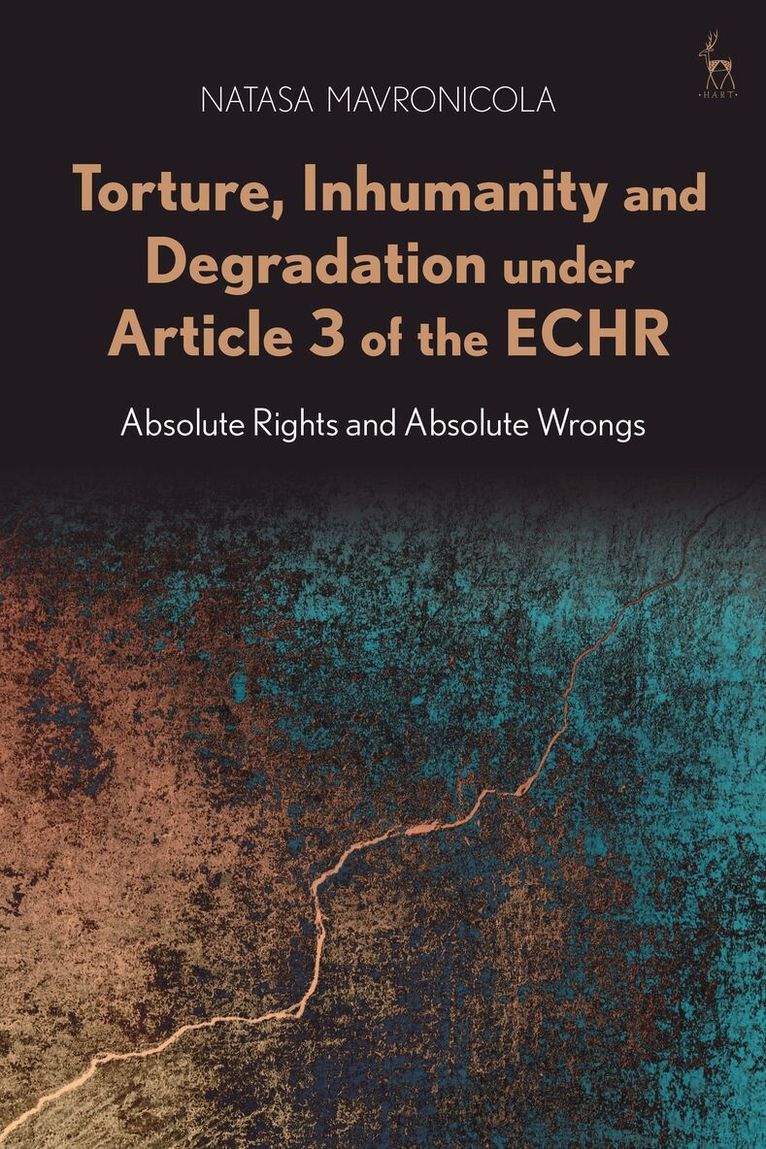
Torture, Inhumanity and Degradation under Article 3 of the ECHR
Absolute Rights and Absolute Wrongs
Inbunden, Engelska, 2021
1 174 kr
Skickas inom 10-15 vardagar
This open access book theorises and concretises the idea of ‘absolute rights’ in human rights law with a focus on Article 3 of the European Convention on Human Rights (ECHR). It unpacks how we might understand what an ‘absolute right’ in human rights law is and draws out how such a right’s delimitation may remain faithful to its absolute character. From these starting points, it considers how, as a matter of principle, the right not to be subjected to torture or inhuman or degrading treatment or punishment enshrined in Article 3 ECHR is, and ought, to be substantively delimited by the European Court of Human Rights (ECtHR). Focusing on the wrongs at issue, this analysis touches both on the core of the right and on what some might consider to lie at the right’s ‘fringes’: from the aggravated wrong of torture to the severity assessment delineating inhumanity and degradation; the justified use of force and its implications for absoluteness; the delimitation of positive obligations to protect from ill-treatment; and the duty not to expel persons to places where they face a real risk of torture, inhumanity or degradation.Few legal standards carry the simultaneous significance and contestation surrounding this right. This book seeks to contribute fruitfully to efforts to counter a proliferation of attempts to dispute, circumvent or dilute the absolute character of the right not to be subjected to torture or inhuman or degrading treatment or punishment, and to offer the groundwork for transparently and coherently (re)interpreting the right’s contours in line with its absolute character.Winner of the 2022 SLS Peter Birks Prize for Outstanding Legal Scholarship.The ebook editions of this book are available open access under a CC BY-NC-ND 4.0 licence on bloomsburycollections.com. Open access was funded by the University of Birmingham.
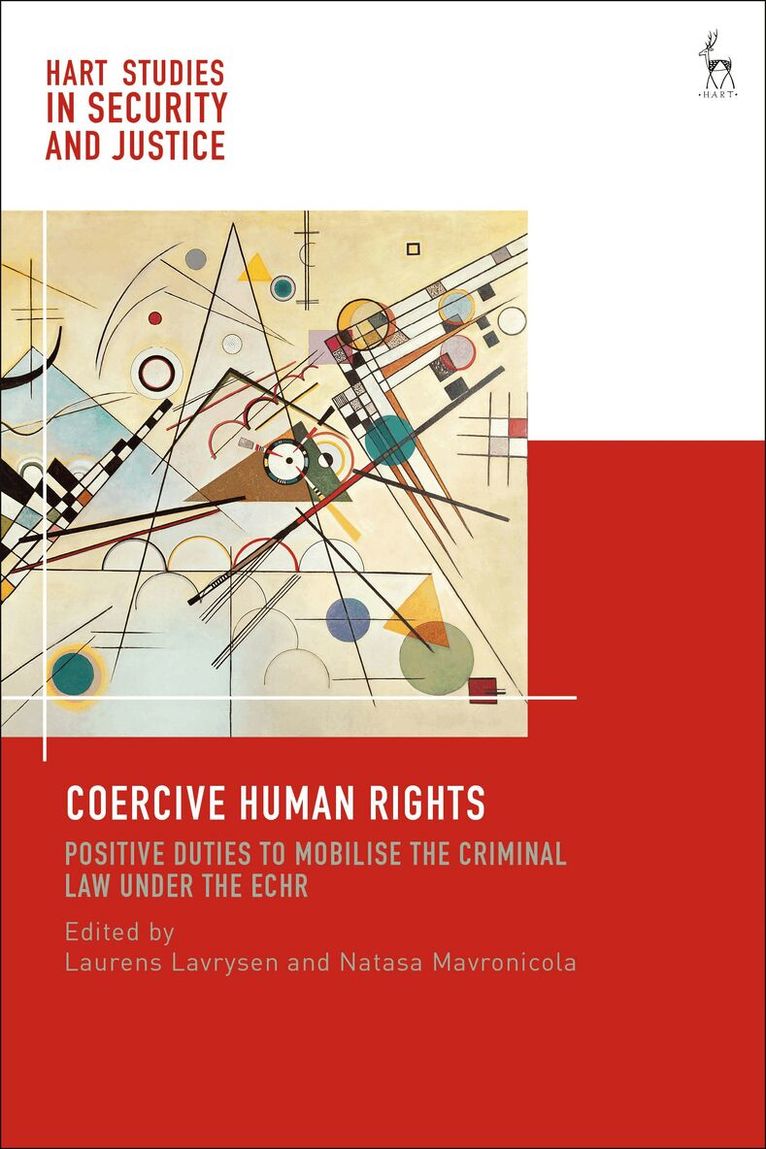
Coercive Human Rights
Positive Duties to Mobilise the Criminal Law under the ECHR
Inbunden, Engelska, 2020
1 174 kr
Skickas inom 10-15 vardagar
Traditionally, human rights have protected those facing the sharp edge of the criminal justice system. But over time human rights law has become increasingly infused with duties to mobilise criminal law towards protection and redress for violation of rights. These developments give rise to a whole host of questions concerning the precise parameters of coercive human rights, the rationale(s) that underpin them, and their effects and implications for victims, perpetrators, domestic legal systems, and for the theory and practice of human rights and criminal justice. This collection addresses these questions with a focus on the rich jurisprudence of the European Court of Human Rights (ECtHR). The collection explores four interlocking themes surrounding the issue of coercive human rights: First, the key threads in the doctrine of the ECtHR on duties to mobilise the criminal law as a means of delivering human rights protection.Secondly, the factors that contribute to a readiness to demand coercive measures, including discrimination and vulnerability, and other key justificatory reasoning shaping the development of coercive human rights. Thirdly, the most pressing challenges for the ECtHR’s coercive duties doctrine, including:- how it relates to theories and rationales of criminalisation and criminal punishment; - its implications for the fundamental tenets of human rights law itself;- its relationship to transitional justice objectives; and - how (far) it coheres with the imperative of effective protection for persons in precarious or vulnerable situations.Fourthly, the (prospective) evolution of the coercive human rights doctrine and its application within national jurisdictions.
Torture, Inhumanity and Degradation under Article 3 of the ECHR
Absolute Rights and Absolute Wrongs
Häftad, Engelska, 2022
528 kr
Skickas inom 10-15 vardagar
This open access book theorises and concretises the idea of ‘absolute rights’ in human rights law with a focus on Article 3 of the European Convention on Human Rights (ECHR). It unpacks how we might understand what an ‘absolute right’ in human rights law is and draws out how such a right’s delimitation may remain faithful to its absolute character. From these starting points, it considers how, as a matter of principle, the right not to be subjected to torture or inhuman or degrading treatment or punishment enshrined in Article 3 ECHR is, and ought, to be substantively delimited by the European Court of Human Rights (ECtHR). Focusing on the wrongs at issue, this analysis touches both on the core of the right and on what some might consider to lie at the right’s ‘fringes’: from the aggravated wrong of torture to the severity assessment delineating inhumanity and degradation; the justified use of force and its implications for absoluteness; the delimitation of positive obligations to protect from ill-treatment; and the duty not to expel persons to places where they face a real risk of torture, inhumanity or degradation.Few legal standards carry the simultaneous significance and contestation surrounding this right. This book seeks to contribute fruitfully to efforts to counter a proliferation of attempts to dispute, circumvent or dilute the absolute character of the right not to be subjected to torture or inhuman or degrading treatment or punishment, and to offer the groundwork for transparently and coherently (re)interpreting the right’s contours in line with its absolute character.Winner of the 2022 SLS Peter Birks Prize for Outstanding Legal Scholarship.The ebook editions of this book are available open access under a CC BY-NC-ND 4.0 licence on bloomsburycollections.com. Open access was funded by the University of Birmingham.
Coercive Human Rights
Positive Duties to Mobilise the Criminal Law under the ECHR
Häftad, Engelska, 2022
473 kr
Skickas inom 10-15 vardagar
Traditionally, human rights have protected those facing the sharp edge of the criminal justice system. But over time human rights law has become increasingly infused with duties to mobilise criminal law towards protection and redress for violation of rights. These developments give rise to a whole host of questions concerning the precise parameters of coercive human rights, the rationale(s) that underpin them, and their effects and implications for victims, perpetrators, domestic legal systems, and for the theory and practice of human rights and criminal justice. This collection addresses these questions with a focus on the rich jurisprudence of the European Court of Human Rights (ECtHR). The collection explores four interlocking themes surrounding the issue of coercive human rights: First, the key threads in the doctrine of the ECtHR on duties to mobilise the criminal law as a means of delivering human rights protection.Secondly, the factors that contribute to a readiness to demand coercive measures, including discrimination and vulnerability, and other key justificatory reasoning shaping the development of coercive human rights. Thirdly, the most pressing challenges for the ECtHR’s coercive duties doctrine, including:- how it relates to theories and rationales of criminalisation and criminal punishment; - its implications for the fundamental tenets of human rights law itself;- its relationship to transitional justice objectives; and - how (far) it coheres with the imperative of effective protection for persons in precarious or vulnerable situations.Fourthly, the (prospective) evolution of the coercive human rights doctrine and its application within national jurisdictions.
764 kr
Kommande
This book examines the constitutional treatment of national security in the UK, Canada, Australia and New Zealand. These four states share their Commonwealth heritage and are members, alongside the USA, of the Five Eyes intelligence-sharing alliance. The book takes a comparative approach to the institutions through which, and tools with which, these four states seek to protect their national security against the threats of both terrorism and hostile state activity and how they have evolved over time. It identifies and examines the various specialised institutions, inside and outside of legislatures, which have grown up to oversee the exercise of public power for national security purposes while maintaining the required secrecy. It argues that the extent of the borrowing and sharing between these jurisdictions in the domain of national security, now and in the past, permits us to talk about a Commonwealth model of national security constitutionalism.