Natasha Eaton – författare
Visar alla böcker från författaren Natasha Eaton. Handla med fri frakt och snabb leverans.
9 produkter
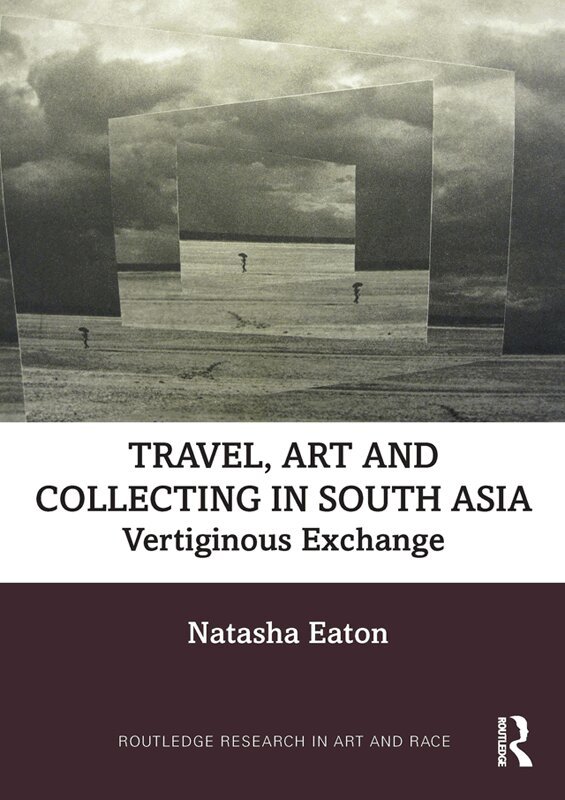
Travel, Art and Collecting in South Asia
Vertiginous Exchange
Häftad, 2024
646 kr
Lägg i varukorg
Travel, Art and Collecting in South Asia questions what are ideas of vertiginous collecting, art-making and museums as expanded fields, including wonder houses and missionary museums (or museobuses) in Britain and South Asia. If the historiography of British India has privileged photography and the …
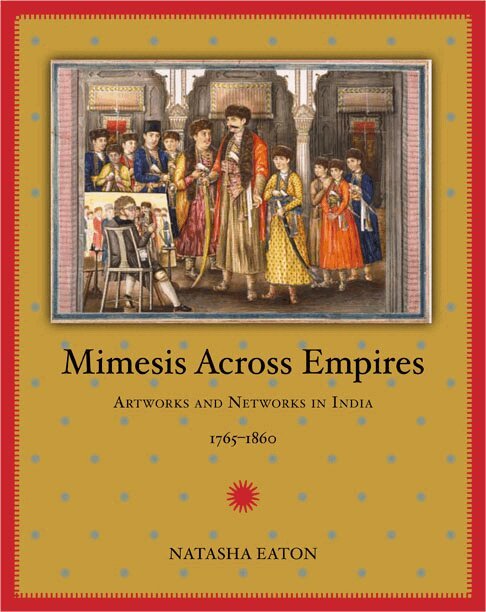
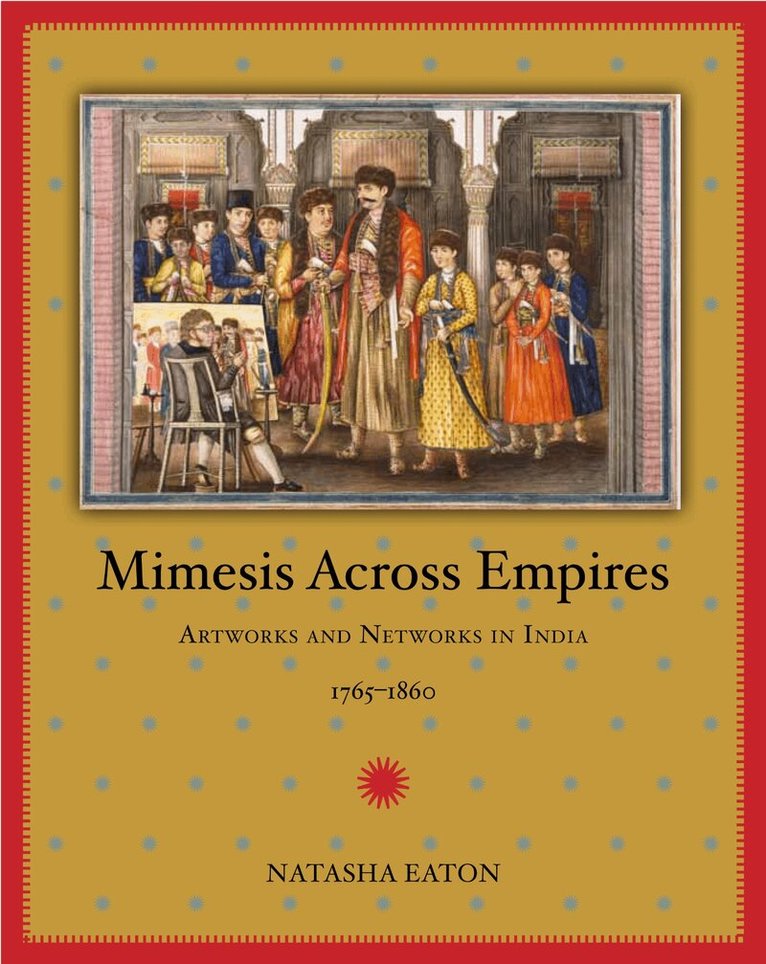
Mimesis Across Empires
Artworks and Networks in India, 1765-1860
Häftad, 2013
321 kr
Lägg i varukorg
In Mimesis Across Empires, Natasha Eaton examines the interactions, attachments, and crossings between the visual cultures of the Mughal and British Empires during the formative period of British imperial rule in India. Eaton explores how the aesthetics of Mughal "vernacular" art and British …
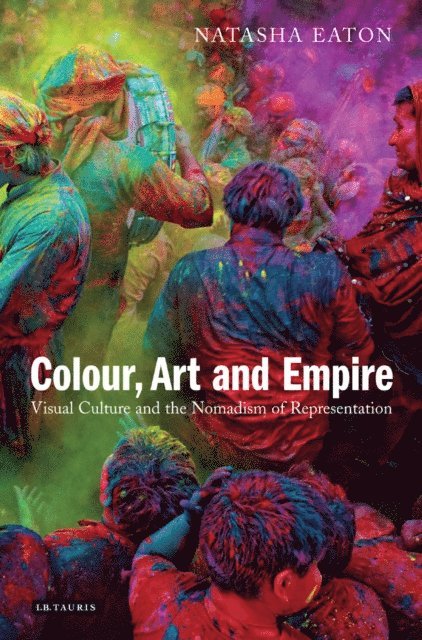
Colour, Art and Empire
Visual Culture and the Nomadism of Representation
E-bok, 2013
2182 kr
Lägg i varukorg
Colour, Art and Empire explores the entanglements of visual culture, enchanted technologies, waste, revolution, resistance and otherness. The materiality of colour offers a critical and timely force-field for approaching afresh debates on colonialism. This book analyses the formation of colour and …
Colour, Art and Empire
Visual Culture and the Nomadism of Representation
E-bok, 2013
2182 kr
Lägg i varukorg
Colour, Art and Empire explores the entanglements of visual culture, enchanted technologies, waste, revolution, resistance and otherness. The materiality of colour offers a critical and timely force-field for approaching afresh debates on colonialism. This book analyses the formation of colour and …
Travel, Art and Collecting in South Asia
Vertiginous Exchange
E-bok, 2020
785 kr
Lägg i varukorg
Travel, Art and Collecting in South Asia questions what are ideas of vertiginous collecting, art-making and museums as expanded fields, including wonder houses and missionary museums (or museobuses) in Britain and South Asia. If the historiography of British India has privileged photography and the …
Travel, Art and Collecting in South Asia
Vertiginous Exchange
E-bok, 2020
785 kr
Lägg i varukorg
Travel, Art and Collecting in South Asia questions what are ideas of vertiginous collecting, art-making and museums as expanded fields, including wonder houses and missionary museums (or museobuses) in Britain and South Asia. If the historiography of British India has privileged photography and the …
Travel, Art and Collecting in South Asia
Vertiginous Exchange
Inbunden, 2020
2504 kr
Lägg i varukorg
Travel, Art and Collecting in South Asia questions what are ideas of vertiginous collecting, art-making and museums as expanded fields, including wonder houses and missionary museums (or museobuses) in Britain and South Asia. If the historiography of British India has privileged photography and the …
Colour, Art and Empire
Visual Culture and the Nomadism of Representation
Inbunden, 2013
2038 kr
Lägg i varukorg
Colour, Art and Empire explores the entanglements of visual culture, enchanted technologies, waste, revolution, resistance and otherness. The materiality of colour offers a critical and timely force-field for approaching afresh debates on colonialism. This book analyses the formation of colour and …
Mimesis Across Empires
Artworks and Networks in India, 1765-1860
Inbunden, 2013
1214 kr
Tillfälligt slut
In Mimesis Across Empires, Natasha Eaton examines the interactions, attachments, and crossings between the visual cultures of the Mughal and British Empires during the formative period of British imperial rule in India. Eaton explores how the aesthetics of Mughal "vernacular" art and British …