Nathalie Dessens – författare
Visar alla böcker från författaren Nathalie Dessens. Handla med fri frakt och snabb leverans.
5 produkter
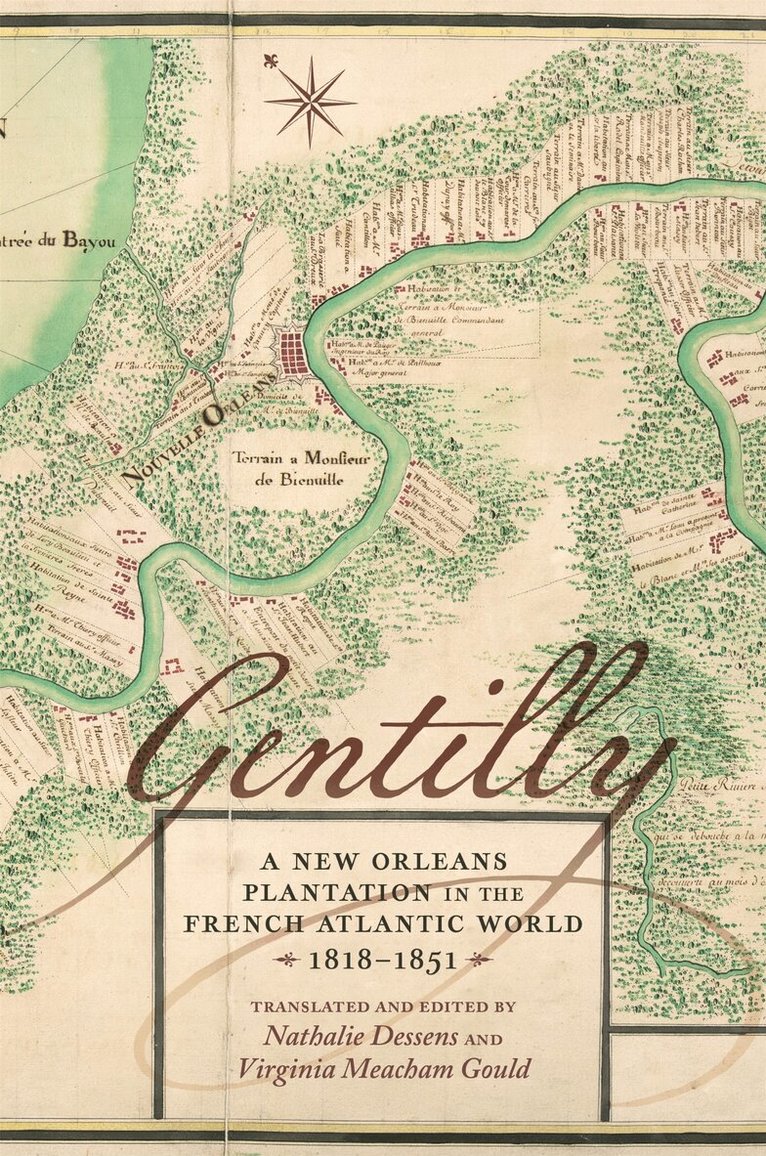
Gentilly
A New Orleans Plantation in the French Atlantic World, 1818-1851
Av Nathalie Dessens, Virginia Meacham Gould
Inbunden, 2025
494 kr
Lägg i varukorg
Between 1818 and 1851, Auvignac Dorville, a Louisiana Creole, managed the day-to-day operations of the Gentilly plantation, located a few miles from New Orleans along Bayou St. John. The plantation belonged to Henri and Marguerite de Sainte-Gême, who entrusted their property to Dorville's careful …
From Saint-Domingue to New Orleans
Migration and Influences
Häftad, 2010
314 kr
Lägg i varukorg
Dessens examines the legacy of approximately 15,000 Saint-Domingue refugees--whites, slaves, and free people of color--who settled in Louisiana between 1791 and 1815. Forced to flee their French Caribbean colony following a slave rebellion that gave birth to the Haitian Republic in January 1804, …
Creole City
A Chronicle of Early American New Orleans
E-bok, 2015
995 kr
Lägg i varukorg
In Creole City , Nathalie Dessens opens a window onto antebellum New Orleans during a time of rapid expansion and dizzying change. The story—rooted in the Sainte-Gême Family Papers harbored at The Historic New Orleans Collection—follows the twenty-year correspondence of Jean Boze to Henri de …
Creole City
A Chronicle of Early American New Orleans
Häftad, 2016
283 kr
Lägg i varukorg
In Creole City, Nathalie Dessens opens a window onto antebellum New Orleans during a period of rapid expansion and dizzying change. Exploring previously neglected aspects of the city’s early nineteenth-century history, Dessens examines how the vibrant, cosmopolitan city of New Orleans came to …
From Saint-Domingue to New Orleans
Migration and Influences
Inbunden, 2007
756 kr
Tillfälligt slut
Dessens examines the legacy of approximately 15,000 Saint-Domingue refugees - whites, slaves, and free people of color - who settled in Louisiana between 1791 and 1815. Forced to flee their French Caribbean colony following a slave rebellion that gave birth to the Haitian Republic in January 1804, …