Nathan A. Jacobs - Böcker
Visar alla böcker från författaren Nathan A. Jacobs. Handla med fri frakt och snabb leverans.
5 produkter
5 produkter
419 kr
Skickas inom 10-15 vardagar
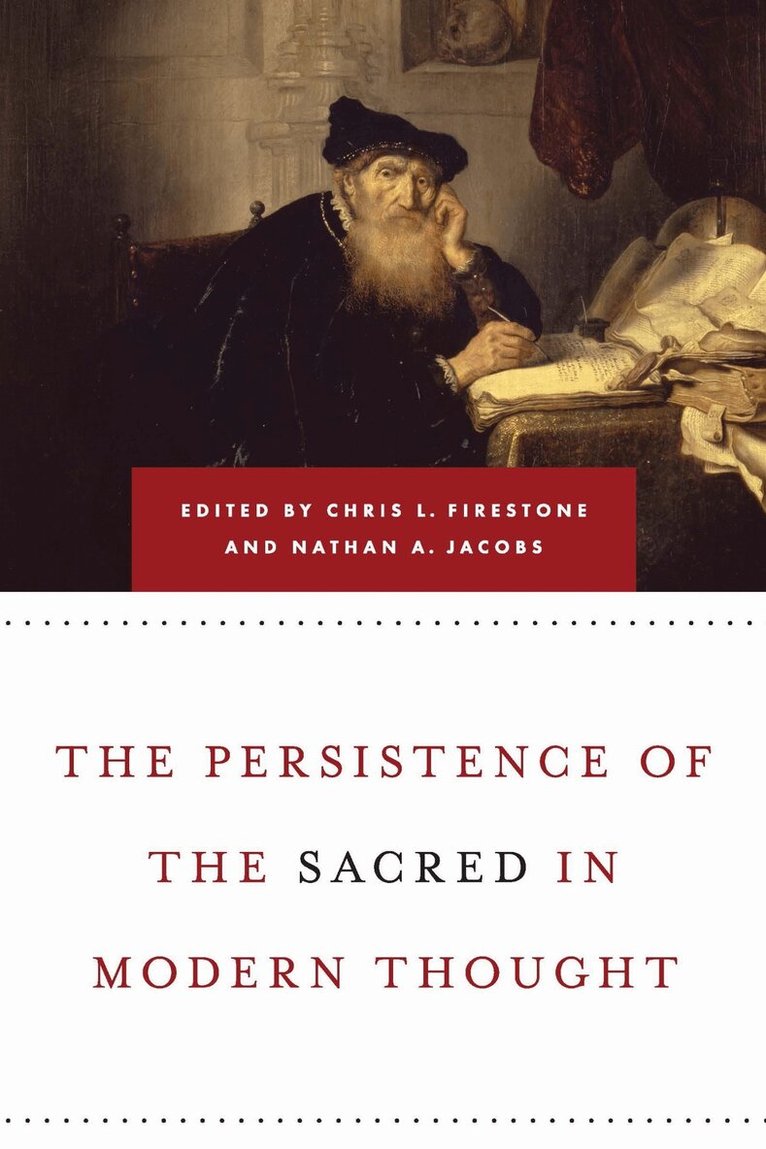
In The Persistence of the Sacred in Modern Thought, Chris L. Firestone, Nathan A. Jacobs, and thirteen other contributors examine the role of God in the thought of major European philosophers from the seventeenth to the nineteenth century. The philosophers considered are, by and large, not orthodox theists; they are highly influential freethinkers, emancipated by an age no longer tethered to the authority of church and state. While acknowledging this fact, the contributors are united in arguing that this is only one side of a complex story. To redress the imbalance of attention to secularism among crucial modern thinkers and to consolidate a more theologically informed view of modernity, they focus on the centrality of the sacred (theology and God) in the thought of these philosophers. The essays, each in its own way, argue that the major figures in modernity are theologically astute, bent not on removing God from philosophy but on putting faith and reason on a more sure footing in light of advancements in science and a perceived need to rethink the relationship between God and world. By highlighting and defending the theologically affirmative dimensions of thinkers such as Thomas Hobbes, Gottfried Leibniz, John Locke, Immanuel Kant, F. W. J. Schelling, G. W. F. Hegel, and others, the essayists present a forceful and timely correction of widely accepted interpretations of these philosophers. To ignore or downplay the theological dimensions of the philosophical works they address, they argue, distorts our understanding of modern thought. Contributors: Nicholas Adams, Hubert Bost, Philip Clayton, John Cottingham, Yolanda Estes, Chris L. Firestone, Lee Hardy, Peter C. Hodgson, Nathan A. Jacobs, Jacqueline Mariña, A. P. Martinich, Richard A. Muller, Myron B. Penner, Stephen D. Snobelen, Nicholas Wolterstorff.
1 601 kr
Skickas inom 10-15 vardagar
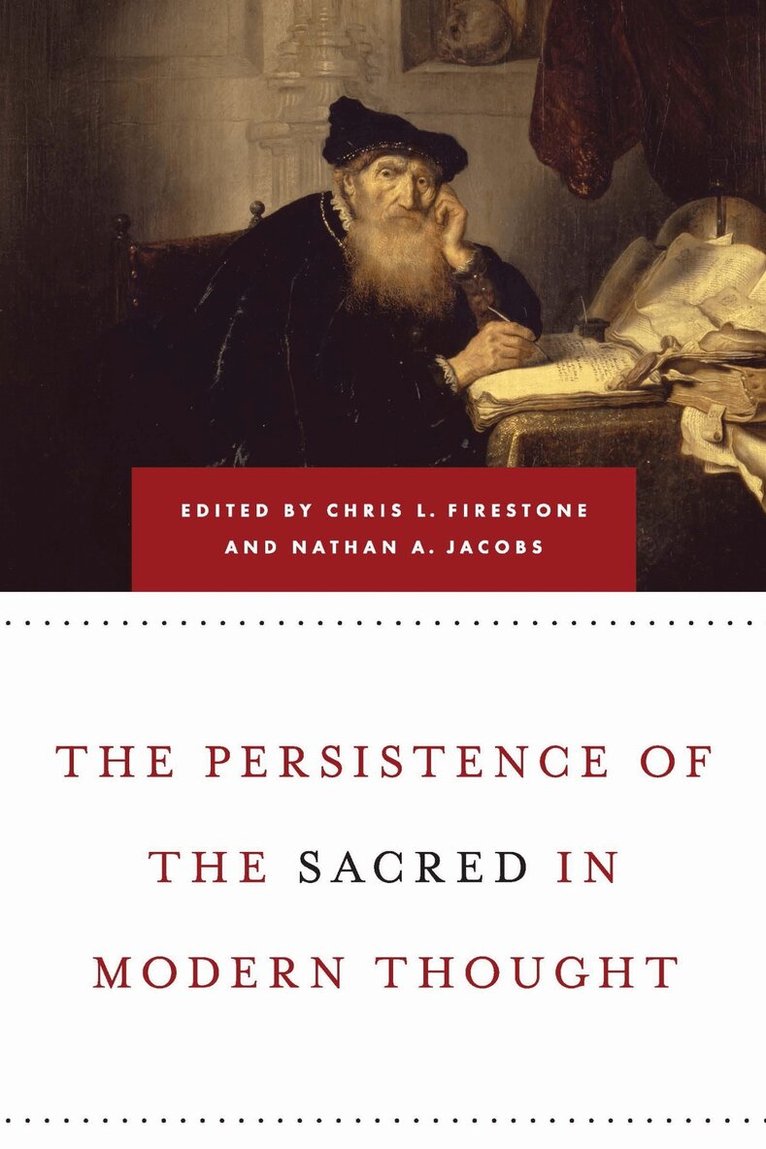
In The Persistence of the Sacred in Modern Thought, Chris L. Firestone, Nathan A. Jacobs, and thirteen other contributors examine the role of God in the thought of major European philosophers from the seventeenth to the nineteenth century. The philosophers considered are, by and large, not orthodox theists; they are highly influential freethinkers, emancipated by an age no longer tethered to the authority of church and state. While acknowledging this fact, the contributors are united in arguing that this is only one side of a complex story. To redress the imbalance of attention to secularism among crucial modern thinkers and to consolidate a more theologically informed view of modernity, they focus on the centrality of the sacred (theology and God) in the thought of these philosophers. The essays, each in its own way, argue that the major figures in modernity are theologically astute, bent not on removing God from philosophy but on putting faith and reason on a more sure footing in light of advancements in science and a perceived need to rethink the relationship between God and world. By highlighting and defending the theologically affirmative dimensions of thinkers such as Thomas Hobbes, Gottfried Leibniz, John Locke, Immanuel Kant, F. W. J. Schelling, G. W. F. Hegel, and others, the essayists present a forceful and timely correction of widely accepted interpretations of these philosophers. To ignore or downplay the theological dimensions of the philosophical works they address, they argue, distorts our understanding of modern thought. Contributors: Nicholas Adams, Hubert Bost, Philip Clayton, John Cottingham, Yolanda Estes, Chris L. Firestone, Lee Hardy, Peter C. Hodgson, Nathan A. Jacobs, Jacqueline Mariña, A. P. Martinich, Richard A. Muller, Myron B. Penner, Stephen D. Snobelen, Nicholas Wolterstorff.
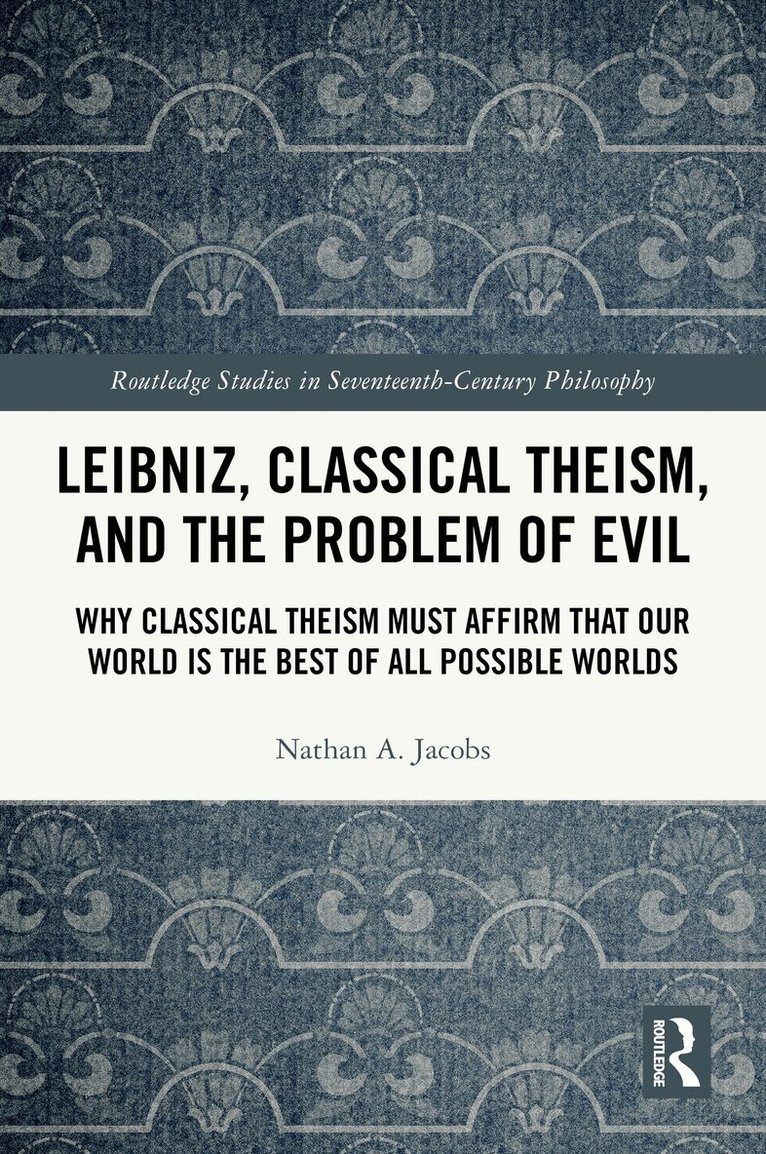
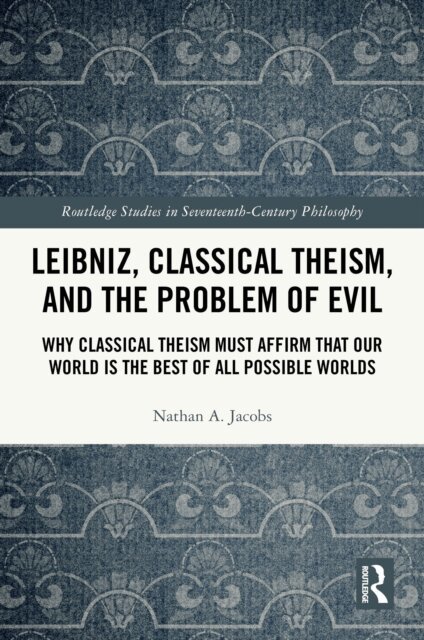
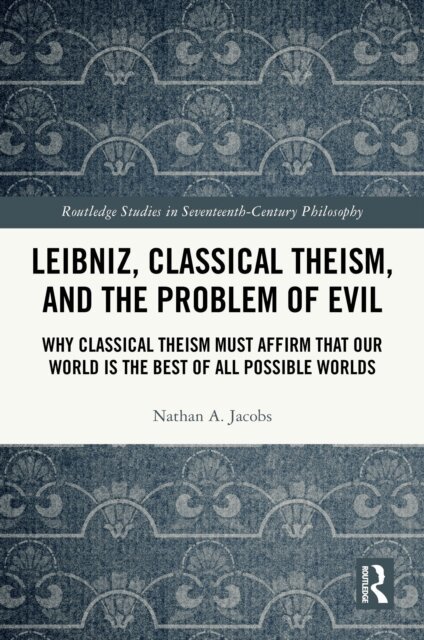
Leibniz, Classical Theism, and the Problem of Evil
Why Classical Theism Must Affirm That Our World is the Best of All Possible Worlds
Inbunden, Engelska, 2025
2 103 kr
Skickas inom 10-15 vardagar
This volume offers a defense of Leibniz’s theodicy and his infamous claim that our world is the best of all possible worlds. It considers Leibniz’s rationale for “optimism,” examines its roots in ancient and medieval thought, and forwards a novel rereading of Leibniz’s theory of freedom in light of this background, all of which highlights the very real challenges of evading optimism from within the framework of classical theism.Gottfried Leibniz is known for his “theodicy,” or defense of God's Goodness, Wisdom, and Justice despite the realities of evil in our world. This book argues that Leibniz’s optimism is inevitable for proponents of classical theism and even for many not-so-classical theists. The author’s argument is threefold. First, he demonstrates that Leibniz's theodicy is deeply rooted in the classical theist tradition, pagan and Christian, and shows that the philosopher of Leipzig is merely following these commitments to their logical conclusion, a conclusion that long precedes Leibniz. Second, he offers a novel rereading of Leibniz in the light of his philosophical and theological antecedents, a reading that, if correct, dispels ubiquitous but problematic assumptions about Leibniz's case, specifically those about divine and human freedom. Third, he demonstrates the analytic tether that connects classical theism to Leibniz’s conclusion, making his notorious optimism virtually inevitable for proponents of classical theism — and even for not-so-classical theists. This book demonstrates the ways in which Leibniz is relevant to not only classical theists and students of Modern philosophy but also to contemporary philosophers of religion more generally and philosophical theologians who are concerned with the problem of evil.Leibniz, Classical Theism, and the Problem of Evil will appeal to scholars and graduate students interested in Leibniz, philosophy of religion, history of philosophy, philosophical theology, free will, and the problem of evil.
1 053 kr
Skickas
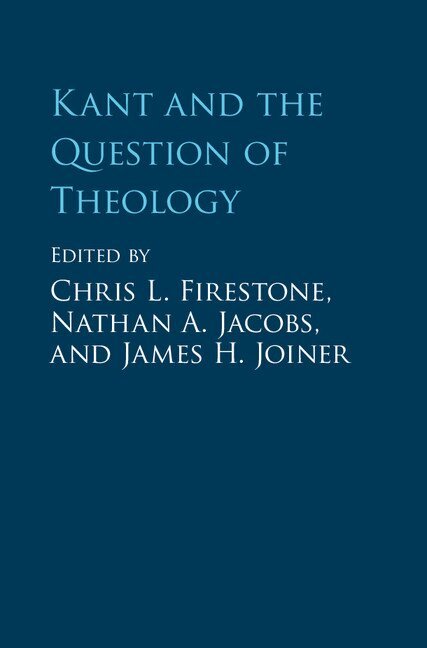
God is a problematic idea in Kant's terms, but many scholars continue to be interested in Kantian theories of religion and the issues that they raise. In these new essays, scholars both within and outside Kant studies analyse Kant's writings and his claims about natural, philosophical, and revealed theology. Topics debated include arguments for the existence of God, natural theology, redemption, divine action, miracles, revelation, and life after death. The volume includes careful examination of key Kantian texts alongside discussion of their themes from both constructive and analytic perspectives. These contributions broaden the scope of the scholarship on Kant, exploring the value of doing theology in consonance or conversation with Kant. It builds bridges across divides that often separate the analytic from the continental and the philosophical from the theological. The resulting volume clarifies the significance and relevance of Kant's theology for current debates about the philosophy of God and religion.
428 kr
Skickas inom 7-10 vardagar
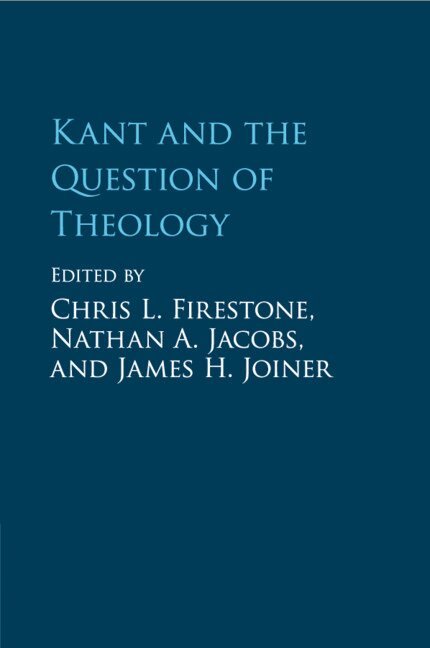
God is a problematic idea in Kant's terms, but many scholars continue to be interested in Kantian theories of religion and the issues that they raise. In these new essays, scholars both within and outside Kant studies analyse Kant's writings and his claims about natural, philosophical, and revealed theology. Topics debated include arguments for the existence of God, natural theology, redemption, divine action, miracles, revelation, and life after death. The volume includes careful examination of key Kantian texts alongside discussion of their themes from both constructive and analytic perspectives. These contributions broaden the scope of the scholarship on Kant, exploring the value of doing theology in consonance or conversation with Kant. It builds bridges across divides that often separate the analytic from the continental and the philosophical from the theological. The resulting volume clarifies the significance and relevance of Kant's theology for current debates about the philosophy of God and religion.