Nathan M. Sorber – författare
Visar alla böcker från författaren Nathan M. Sorber. Handla med fri frakt och snabb leverans.
5 produkter
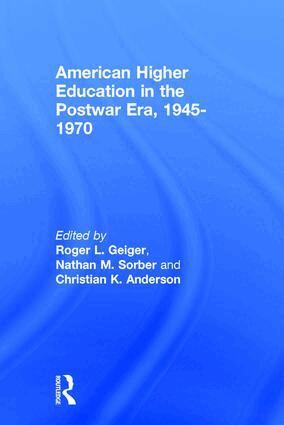
American Higher Education in the Postwar Era, 1945-1970
Av Roger L. Geiger, Nathan M. Sorber m. fl.
Inbunden, 2017
2818 kr
Lägg i varukorg
After World War II, returning veterans with GI Bill benefits ushered in an era of unprecedented growth that fundamentally altered the meaning, purpose, and structure of higher education. This volume explores the multifaceted and tumultuous transformation of American higher education that occurred …
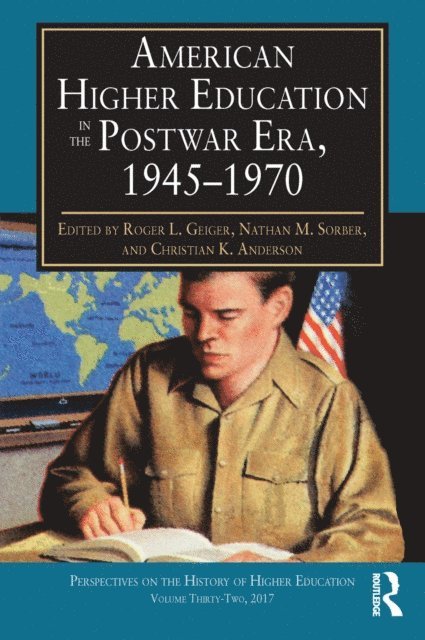
American Higher Education in the Postwar Era, 1945-1970
Av Christian K. Anderson, Nathan M. Sorber m. fl.
E-bok, 2017
733 kr
Lägg i varukorg
After World War II, returning veterans with GI Bill benefits ushered in an era of unprecedented growth that fundamentally altered the meaning, purpose, and structure of higher education. This volume explores the multifaceted and tumultuous transformation of American higher education that occurred …
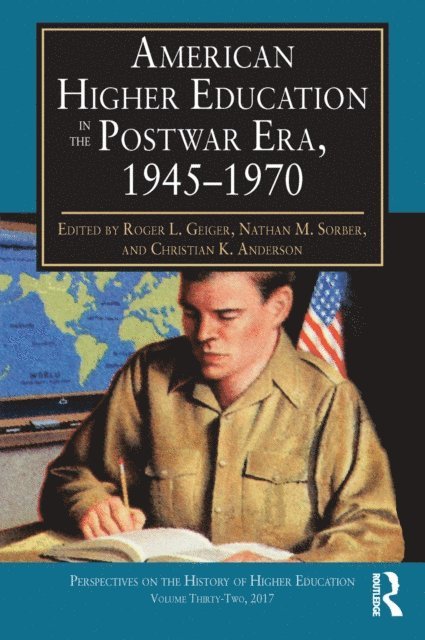
American Higher Education in the Postwar Era, 1945-1970
Av Christian K. Anderson, Nathan M. Sorber m. fl.
E-bok, 2017
749 kr
Lägg i varukorg
After World War II, returning veterans with GI Bill benefits ushered in an era of unprecedented growth that fundamentally altered the meaning, purpose, and structure of higher education. This volume explores the multifaceted and tumultuous transformation of American higher education that occurred …
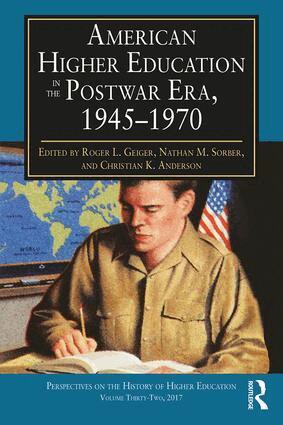
American Higher Education in the Postwar Era, 1945-1970
Av Roger L. Geiger, Nathan M. Sorber m. fl.
Häftad, 2017
635 kr
Lägg i varukorg
After World War II, returning veterans with GI Bill benefits ushered in an era of unprecedented growth that fundamentally altered the meaning, purpose, and structure of higher education. This volume explores the multifaceted and tumultuous transformation of American higher education that occurred …
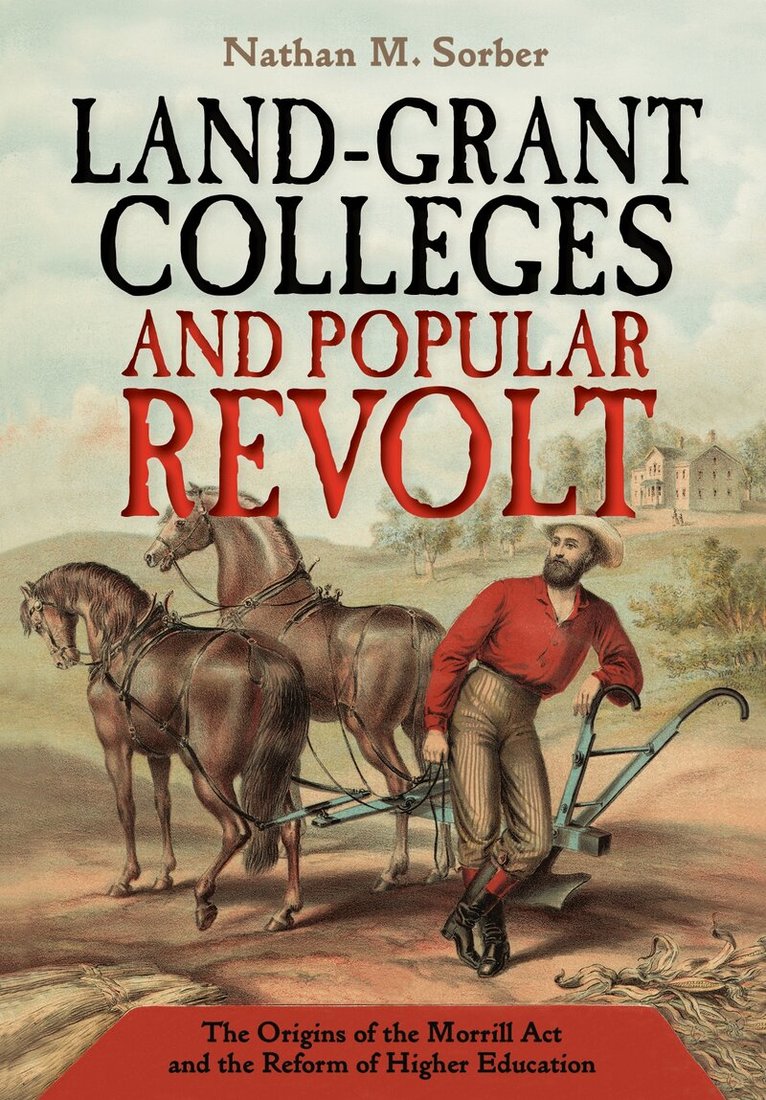
Land-Grant Colleges and Popular Revolt
The Origins of the Morrill Act and the Reform of Higher Education
Inbunden, 2018
732 kr
Lägg i varukorg
Clearly written and compellingly argued, Nathan Sorber's Land-Grant Colleges and Popular Revolt should be read by every land-grant institution graduate and faculty and staff member, and by all high government officials who deal with public higher education.â• Times Higher EducationSorber's history …