Nathanael Ojong - Böcker
Visar alla böcker från författaren Nathanael Ojong. Handla med fri frakt och snabb leverans.
5 produkter
5 produkter
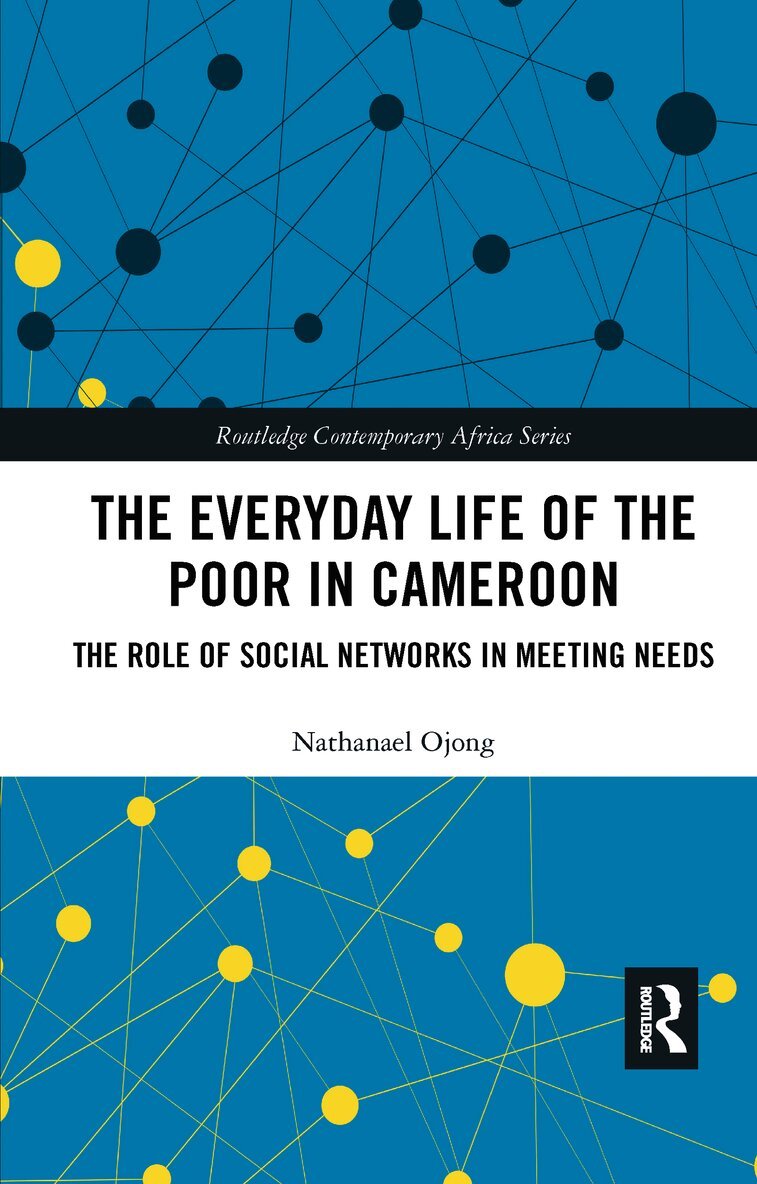
Everyday Life of the Poor in Cameroon
The Role of Social Networks in Meeting Needs
Inbunden, Engelska, 2019
2 159 kr
Skickas inom 10-15 vardagar
This book provides a detailed account of the lives of the poor, particularly their use of social networks to meet everyday needs.Based on fieldwork in Cameroon, the book provides a distinctive approach that draws on social network theory and insights from economic anthropology to shed light on how the poor make a living. Though embeddedness in social networks is essential to human achievement, we know little about the social and cultural forces and processes that shape poor people’s decisions to seek help from strong, weak, and disposable ties in an African context. Focusing on network practice rather than network structure, the author argues that the ability of poor people to meet their diverse needs rests on several elements, such as favourable interactions and social and cultural forces. He examines various issues crucial to the lives of the poor, such as food, shelter, healthcare, death and funerals, and access to finance. Particular focus is given to the complicated nature of social relationships, the different contexts where these relationships take place, and how these factors shape poor individuals’ decisions regarding whom to turn to when attempting to meet their needs, including how they actually meet those needs.This book will be of interest to researchers, teachers, students, and policy-makers in African Studies economics, development studies, sociology, and anthropology.
Everyday Life of the Poor in Cameroon
The Role of Social Networks in Meeting Needs
Häftad, Engelska, 2021
634 kr
Skickas inom 10-15 vardagar
This book provides a detailed account of the lives of the poor, particularly their use of social networks to meet everyday needs.Based on fieldwork in Cameroon, the book provides a distinctive approach that draws on social network theory and insights from economic anthropology to shed light on how the poor make a living. Though embeddedness in social networks is essential to human achievement, we know little about the social and cultural forces and processes that shape poor people’s decisions to seek help from strong, weak, and disposable ties in an African context. Focusing on network practice rather than network structure, the author argues that the ability of poor people to meet their diverse needs rests on several elements, such as favourable interactions and social and cultural forces. He examines various issues crucial to the lives of the poor, such as food, shelter, healthcare, death and funerals, and access to finance. Particular focus is given to the complicated nature of social relationships, the different contexts where these relationships take place, and how these factors shape poor individuals’ decisions regarding whom to turn to when attempting to meet their needs, including how they actually meet those needs.This book will be of interest to researchers, teachers, students, and policy-makers in African Studies economics, development studies, sociology, and anthropology.
1 378 kr
Skickas inom 10-15 vardagar
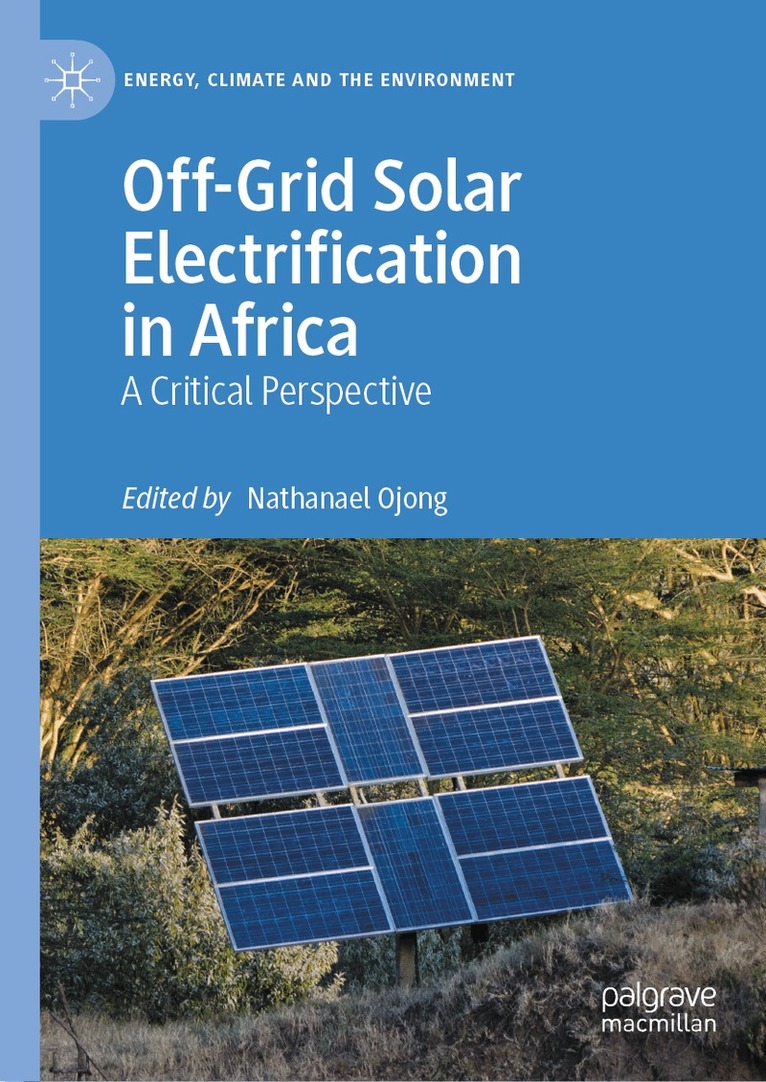
This book evaluates off-grid solar electrification in Africa by examining how political, economic, institutional, and social forces shape the adoption of off-grid solar technologies, including how issues of energy injustice are manifested at different levels and spaces.
1 378 kr
Skickas inom 10-15 vardagar
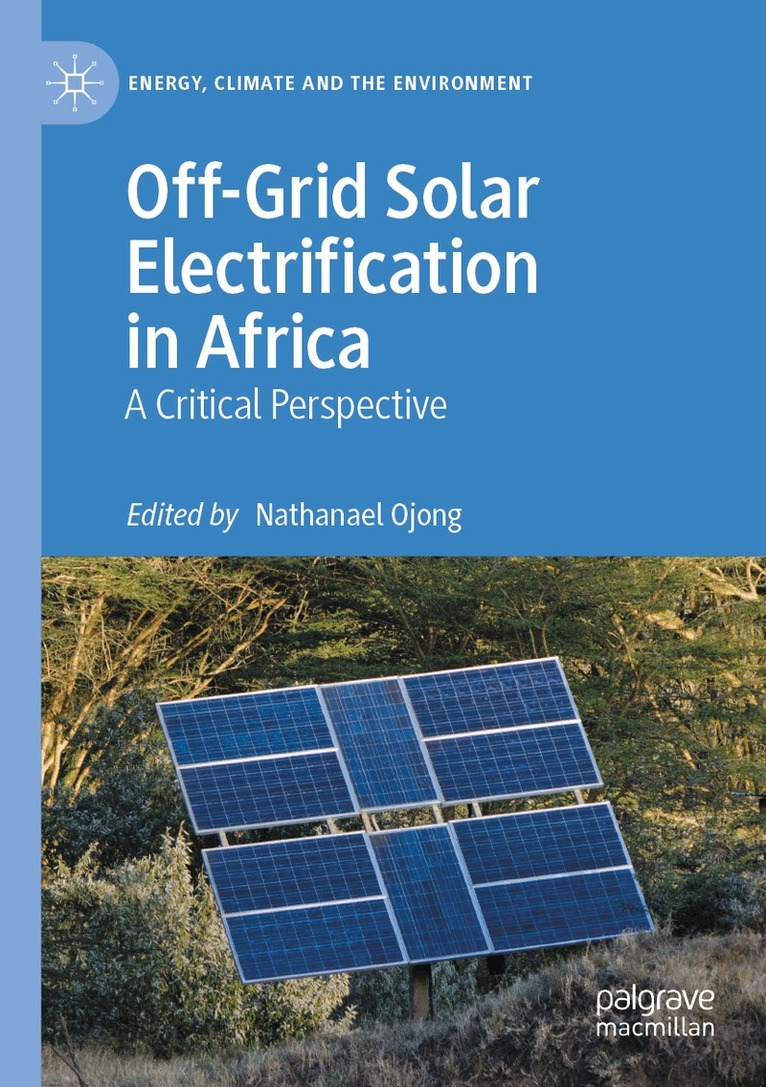
This book evaluates off-grid solar electrification in Africa by examining how political, economic, institutional, and social forces shape the adoption of off-grid solar technologies, including how issues of energy injustice are manifested at different levels and spaces.
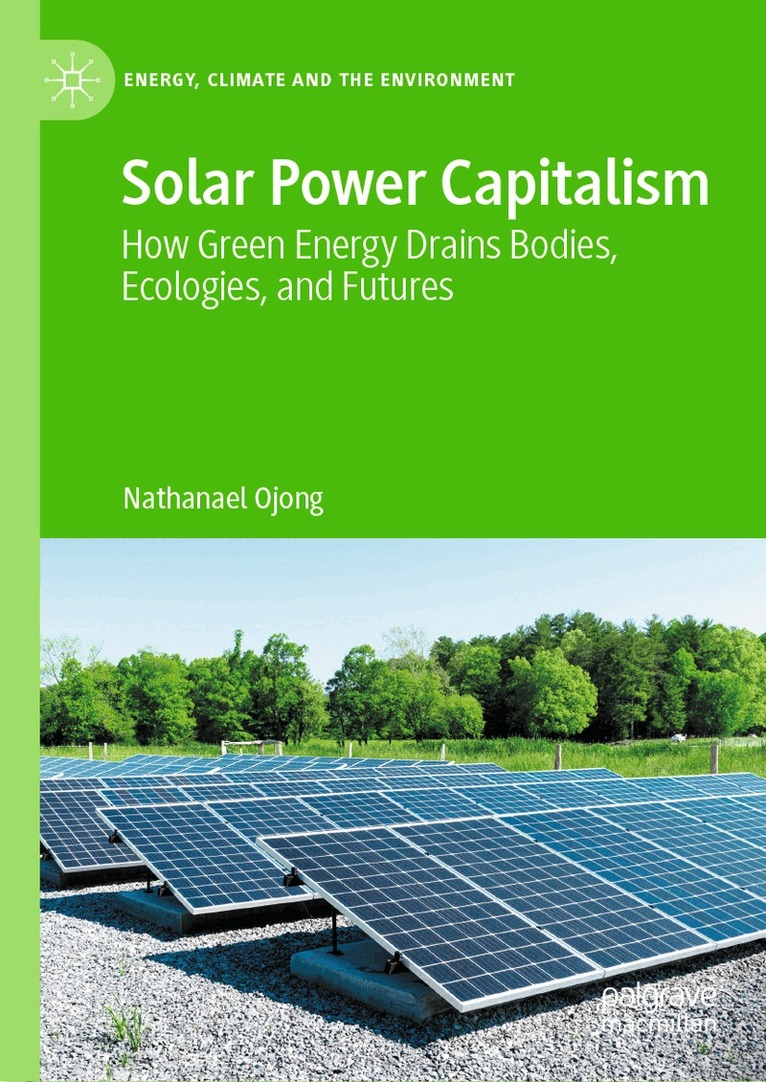
Solar Power Capitalism
How Green Energy Drains Bodies, Ecologies, and Futures
Inbunden, Engelska, 2026
1 694 kr
Skickas inom 10-15 vardagar
This book demonstrates how Africa’s celebrated green-energy transition rests on hidden structures of exploitation and inequality. Drawing on over 300 interviews across Ghana, Kenya, Tanzania, Malawi, and Cameroon, the book illustrates how solar power expands through what the author terms insertion: the patterned incorporation of people, ecologies, and institutions into infrastructures of accumulation, and depletion, the bodily, ecological, and temporal exhaustion through which those infrastructures are sustained. Beginning with colonial electrification schemes that privileged mines and settlers, the book follows the engineering of global solar energy markets, the rise of pay-as-you-go household finance, and the toxic afterlives of solar waste. Later chapters reveal how women’s labor, time, and credit become the unacknowledged infrastructure of solar power capitalism, and how communities navigate enclosure, debt, and ecological harm. The book redefines what a just energy transition means in the twenty-first century.