Nayra Atiya - Böcker
Visar alla böcker från författaren Nayra Atiya. Handla med fri frakt och snabb leverans.
4 produkter
4 produkter
203 kr
Skickas inom 7-10 vardagar
572 kr
Skickas inom 10-15 vardagar
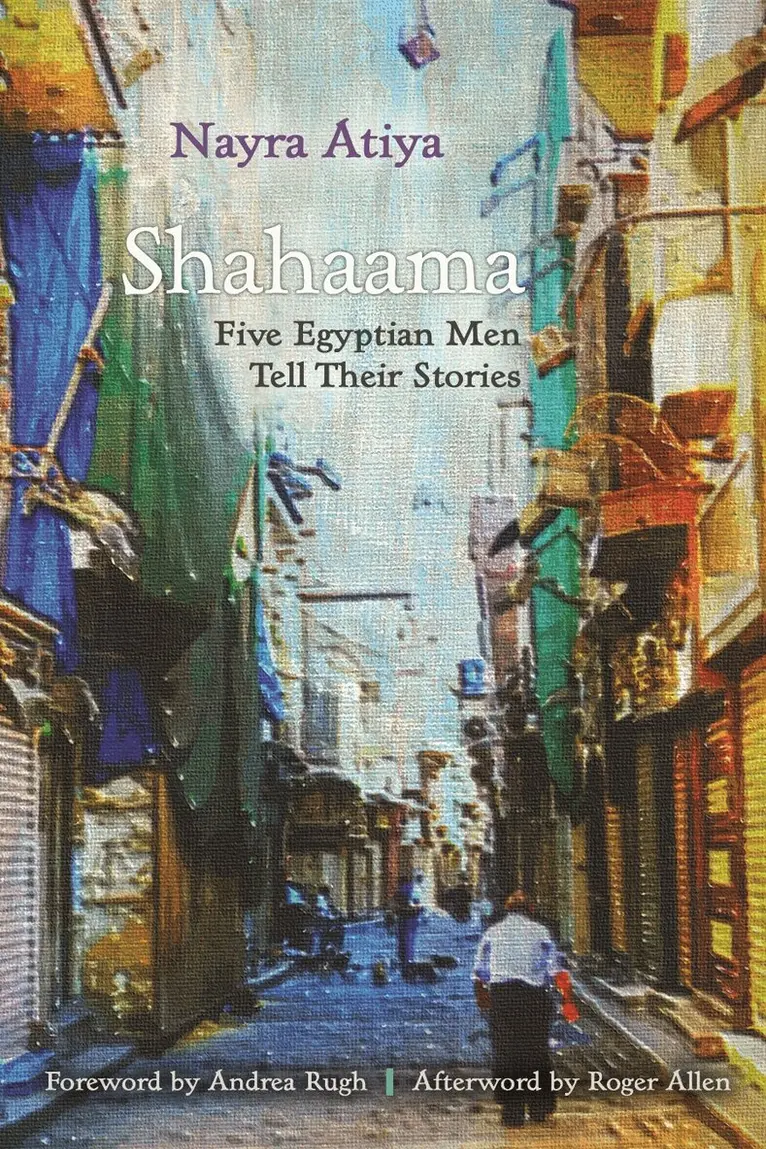
Between the late 1970s and the early 1980s, Nayra Atiya gathered the oral histories of five Egyptian men: a fisherman, an attorney, a scholar, a businessman, and a production manager. Through personal interviews over the course of several years, Atiya intimately captured the everyday triumphs and struggles of these young men in a rapidly changing Egyptian society. These tender stories of childhood experiences in the rural countryside, of the rigors of schooling, and of the many challenges in navigating adulthood shed light on both the rich diversity of Egyptian society and the values and traditions that are shared by all Egyptians. The concept of shahaama—a code of honor that demands loyalty, generosity, and a readiness to help others—is threaded throughout the narratives, reflecting its deeply rooted presence in Egyptian culture. Moving beyond leaden stereotypes of the oppressive Middle Eastern male, these candid selfportraits reveal the complexity of male identity in contemporary Egyptian society, highlighting the men—s desires for economically viable lives, the same desires that fuel the many Egyptians today working toward revolutionary change.
208 kr
Skickas inom 11-20 vardagar
As I was coming up, it was painful to me not to have been given my own nickname. It made me feel different, or rather that I was being treated differently from other family members. I wondered why everybody else was spoken to in terms of their identity, their character, their behavior, and I was simply identified by the 'tag,' my given name. But then, when I read in a book that France meant free, I began to think of it as imbuing me with a sense of flight, of movement. Ultimately, I came to believe my name spoke for itself and that I did not need any other.'—from the bookImbued with rich detail of family life in a rural community, as well as a system of values at a time of transition in American history, this is the life story of France Davis, the dynamic pastor of the Calvary Baptist Church in Salt Lake City. It is an engaging story of courage and vision that describes coming of age in the segregation-era South, of dreaming, enduring with honor, and living at the forefront of major issues within the United States.Recorded and skillfully written by Nayra Atiya, France Davis: An American Story Told, is an oral history, ethnography, memoir, perhaps even a life-enhancing sermon delivered with the strong voice of a preacher. The gathered strands of a life lived with conviction and grace will appeal to a broad spectrum of readers from the curious to those seeking inspiration.Winner of the Utah Book Award in Nonfiction.
228 kr
Skickas inom 5-8 vardagar
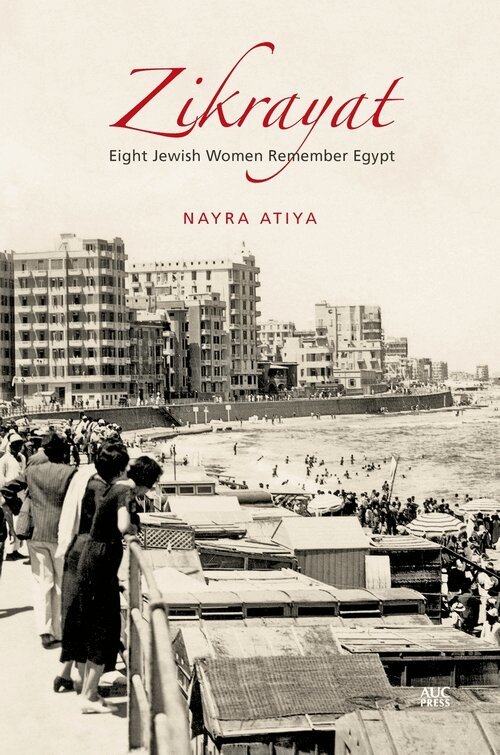
Between 1948 and 1957, a period that witnessed two wars between Egypt and Israel, 60,000 members of Egypt’s 75,000-strong Jewish population left the country, compelled by growing hostility to them because of their presumed links to Zionism, economic insecurity, and after 1956, overt expulsion. Decades later, during the 1980s and 1990s, the personal reminiscences of eight Egyptian Jewish women, presently residents of New York who had left Egypt, were meticulously collected by Nayra Atiya.While Atiya’s sample of eight narrators represents only a tiny percentage of the Jews who left Egypt, their accounts tell us much about the middle- and upper-class Jews who migrated to the Americas and Europe, giving us a vivid sense of their lives in Egypt before their departure and the dynamic role they played in Egyptian society. They were the children or grandchildren of generations of Jews who migrated to Egypt from around or near the Mediterranean to escape economic hardship and persecution or, in one case, a family conflict.With one exception, Atiya’s interlocutors resided in relatively upscale neighborhoods in Egypt near other Jewish families. They lived in elegant apartments, with servants, fine foods, memberships in elite clubs, and summers spent near Alexandria or in Europe. In Zikrayat, Atiya movingly captures the essence of these women’s characters and experiences, the fabric of their day-to-day lives, and the complex, many-layered mood of those times in Egypt. In doing so she brings to life the ties that bind all Egyptians, offering a glimpse into a now vanished world—and the heartbreak of exile and migration.