Neal P. McCluskey - Böcker
Visar alla böcker från författaren Neal P. McCluskey. Handla med fri frakt och snabb leverans.
8 produkter
8 produkter
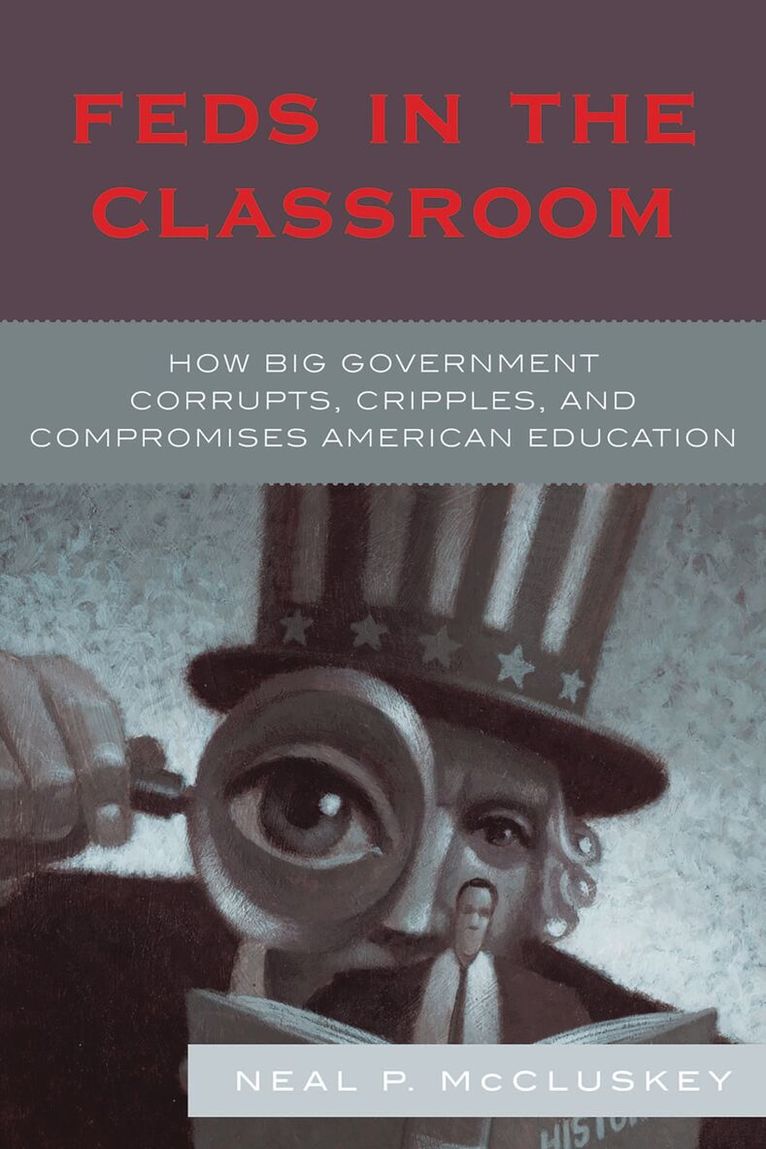
Feds in the Classroom
How Big Government Corrupts, Cripples, and Compromises American Education
Inbunden, Engelska, 2007
1 240 kr
Skickas inom 10-15 vardagar
Thomas Jefferson warned that "the natural progress of things is for liberty to yield and government to gain ground." American elementary and secondary education shows how right he was. Two centuries ago the founders rejected federal participation in education and even rejected George Washington's plans on establishing a national university. It should be of little surprise, then, that the term "education" appears nowhere in the Constitution. Few early Americans would have considered providing education a proper function of local or state governments, much less some distant federal government. Federal control of the nation's schools would have simply been unthinkable. This view was the prevailing one well into the 20th century. In the 1980s, Ronald Reagan campaigned, in part, on a proposal to close the federal department of education. How things have changed in a few short decades. Today, every state requires children to attend school, and most dictate precisely what the children will learn. Parents, in contrast, are able to make very few choices about their children's education. And what role does the federal government have now? It has drilled deep into almost every public classroom in America. Washington can now tell public schools whether their teachers are qualified, their reading instruction acceptable, and what they must do when their students do not achieve on par with federal demands. At the outset of his presidential administration, for example, George W. Bush pushed for the largest federal encroachment in education in American history. Through his No Child Left Behind Act, the federal government can dictate what will be taught, when, and by whom, to most of the 15,000 public school districts and 47 million public school children. Why the change? Is it a change? What's the cost to the taxpayers? What are the benefits to public school students? To public schools? Today, with the almost-complete consolidation of education authority in the hands of policy makers in Washington, the last of our edu
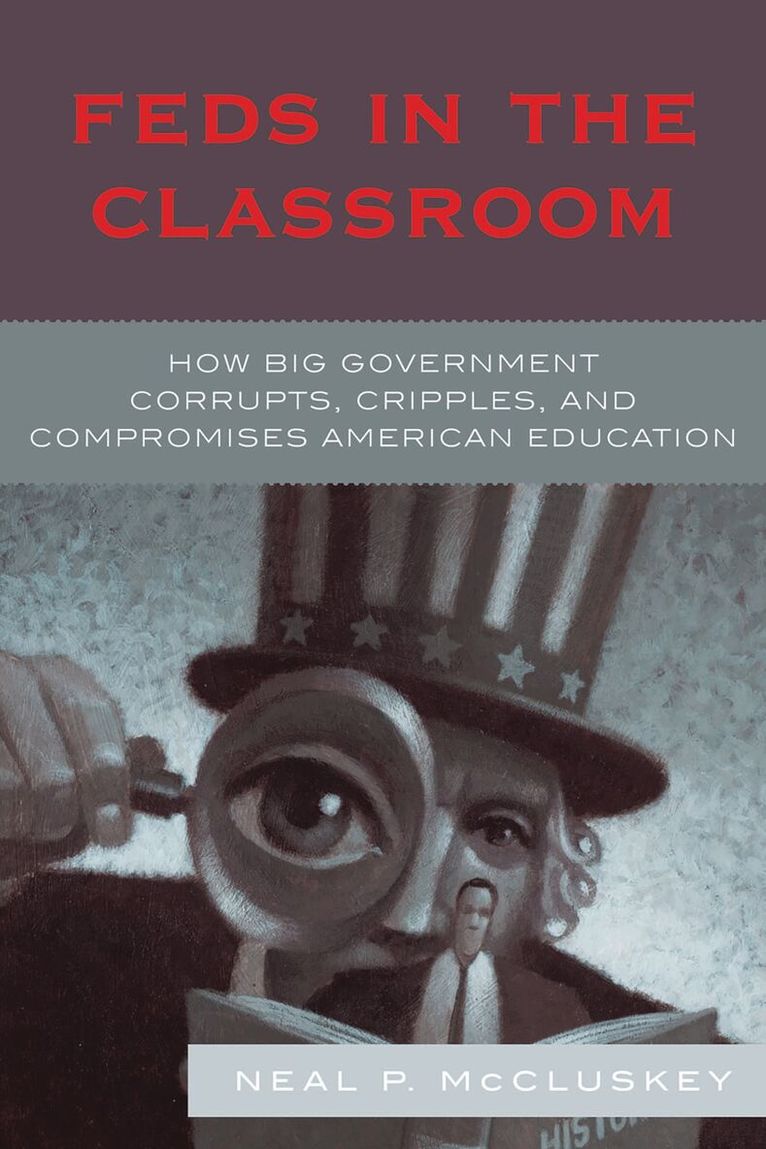
Feds in the Classroom
How Big Government Corrupts, Cripples, and Compromises American Education
Häftad, Engelska, 2007
496 kr
Skickas inom 5-8 vardagar
Thomas Jefferson warned that "the natural progress of things is for liberty to yield and government to gain ground." American elementary and secondary education shows how right he was. Two centuries ago the founders rejected federal participation in education and even rejected George Washington's plans on establishing a national university. It should be of little surprise, then, that the term "education" appears nowhere in the Constitution. Few early Americans would have considered providing education a proper function of local or state governments, much less some distant federal government. Federal control of the nation's schools would have simply been unthinkable. This view was the prevailing one well into the 20th century. In the 1980s, Ronald Reagan campaigned, in part, on a proposal to close the federal department of education. How things have changed in a few short decades. Today, every state requires children to attend school, and most dictate precisely what the children will learn. Parents, in contrast, are able to make very few choices about their children's education. And what role does the federal government have now? It has drilled deep into almost every public classroom in America. Washington can now tell public schools whether their teachers are qualified, their reading instruction acceptable, and what they must do when their students do not achieve on par with federal demands. At the outset of his presidential administration, for example, George W. Bush pushed for the largest federal encroachment in education in American history. Through his No Child Left Behind Act, the federal government can dictate what will be taught, when, and by whom, to most of the 15,000 public school districts and 47 million public school children. Why the change? Is it a change? What's the cost to the taxpayers? What are the benefits to public school students? To public schools? Today, with the almost-complete consolidation of education authority in the hands of policy makers in Washington, the last of our edu
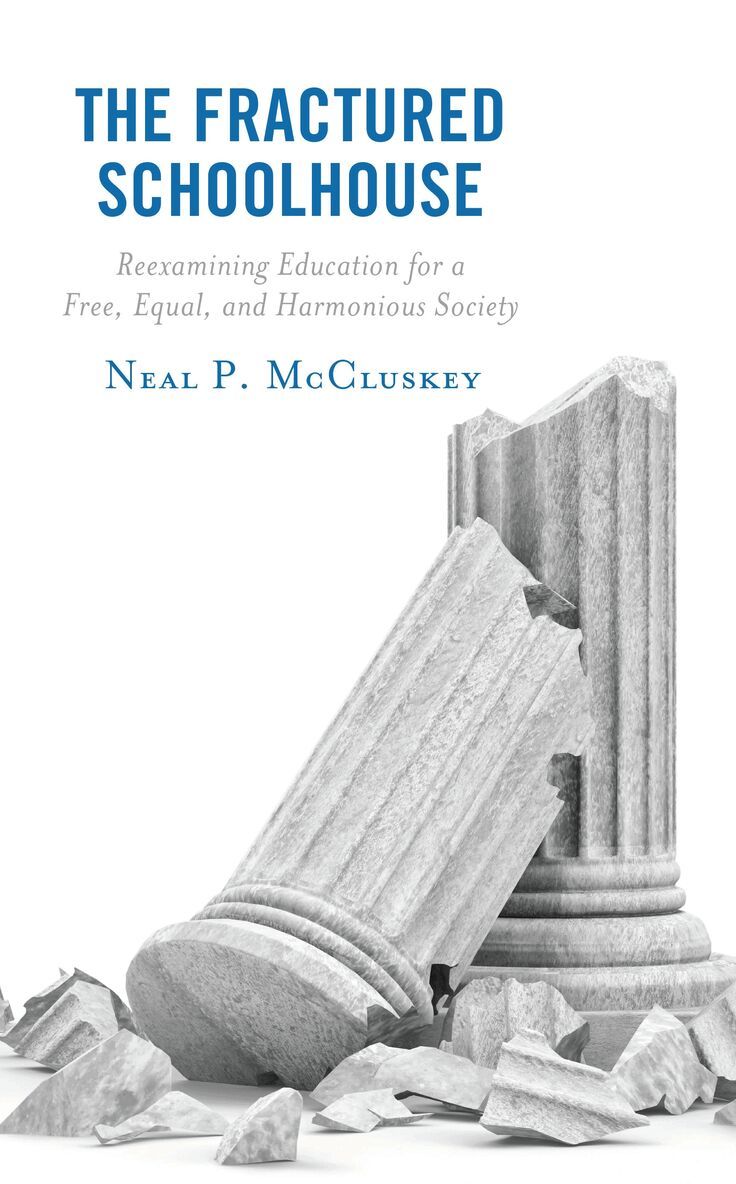
Fractured Schoolhouse
Reexamining Education for a Free, Equal, and Harmonious Society
Inbunden, Engelska, 2022
1 045 kr
Skickas inom 10-15 vardagar
American public schooling was established to unify diverse people and prepare citizens for democracy. Intuitively, it would teach diverse people the same values, preferably in the same buildings, with the goal that they will learn to get along and uphold government by the people. But intuition can be wrong; significant evidence suggests that public schools have not brought diverse people together, whether from legally mandated racial segregation, espousing values many people could not accept, or human beings simply tending to associate with others like themselves. Indeed, the basic reality that people have diverse values and desires has rendered public schooling not a unifying force, but a battleground. That public schooling is necessary for democracy is also not supported, both because we do not have a commonly agreed upon definition of “democracy,” and because public schooling violates the bedrock American value—liberty—that democracy is supposed to protect. The Fractured Schoolhouse: Reexamining Education for a Free, Equal, and Harmonious Society proposes that to fulfill the mission of public schooling, we need what some might call its opposite: school choice. Education grounded in liberty would enable diverse people to pursue curricula and policies they think are right without having to impose them on others, and by making separated groups equals and easing the creation of new identities, it would foster bridge-building.
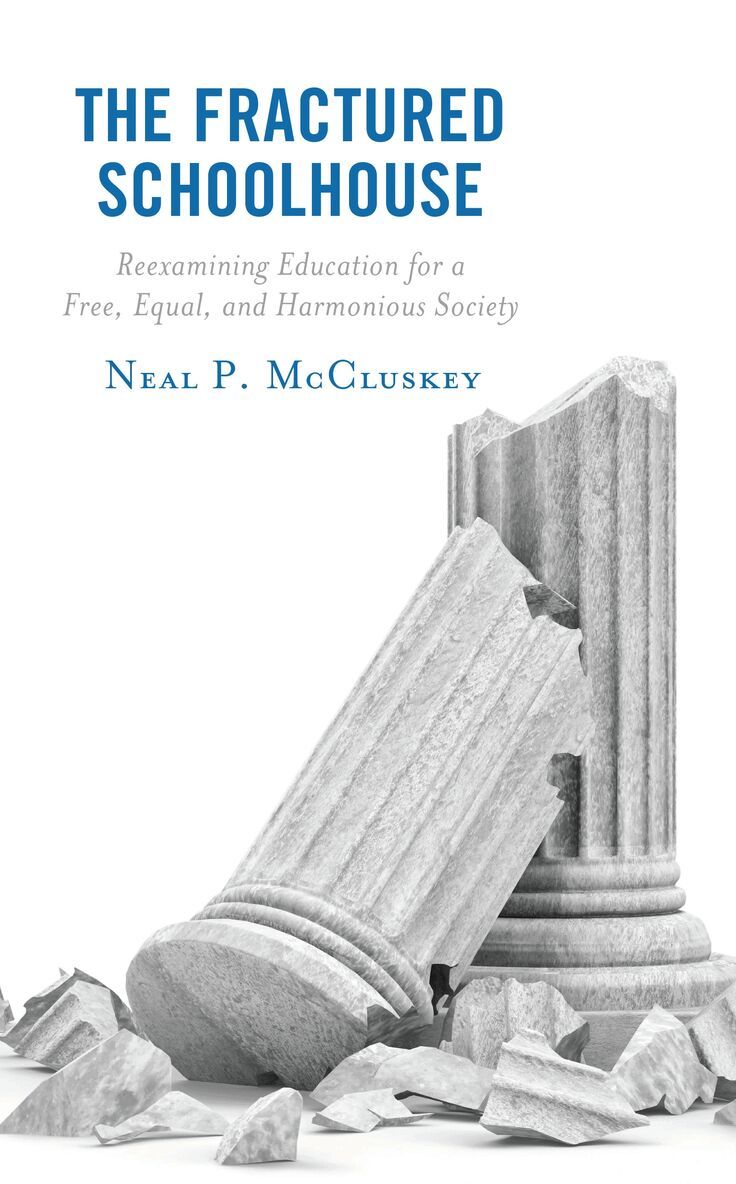
Fractured Schoolhouse
Reexamining Education for a Free, Equal, and Harmonious Society
Häftad, Engelska, 2022
474 kr
Skickas inom 10-15 vardagar
American public schooling was established to unify diverse people and prepare citizens for democracy. Intuitively, it would teach diverse people the same values, preferably in the same buildings, with the goal that they will learn to get along and uphold government by the people. But intuition can be wrong; significant evidence suggests that public schools have not brought diverse people together, whether from legally mandated racial segregation, espousing values many people could not accept, or human beings simply tending to associate with others like themselves. Indeed, the basic reality that people have diverse values and desires has rendered public schooling not a unifying force, but a battleground. That public schooling is necessary for democracy is also not supported, both because we do not have a commonly agreed upon definition of “democracy,” and because public schooling violates the bedrock American value—liberty—that democracy is supposed to protect. The Fractured Schoolhouse: Reexamining Education for a Free, Equal, and Harmonious Society proposes that to fulfill the mission of public schooling, we need what some might call its opposite: school choice. Education grounded in liberty would enable diverse people to pursue curricula and policies they think are right without having to impose them on others, and by making separated groups equals and easing the creation of new identities, it would foster bridge-building.
165 kr
Skickas inom 5-8 vardagar
Unprofitable Schooling
Examining Causes Of, and Fixes For, America's Broken Ivory Tower
Inbunden, Engelska, 2019
194 kr
Tillfälligt slut
192 kr
Skickas inom 11-20 vardagar
Fighting for the Freedom to Learn: Examining America's Centuries-Old School Choice Movement
Inbunden, Engelska, 2025
301 kr
Skickas inom 3-6 vardagar