Nechama Tec – författare
Visar alla böcker från författaren Nechama Tec. Handla med fri frakt och snabb leverans.
15 produkter
15 produkter
Häftad, Engelska, 2008
180 kr
Skickas inom 5-8 vardagar
Häftad, Engelska, 1993
200 kr
Skickas inom 5-8 vardagar
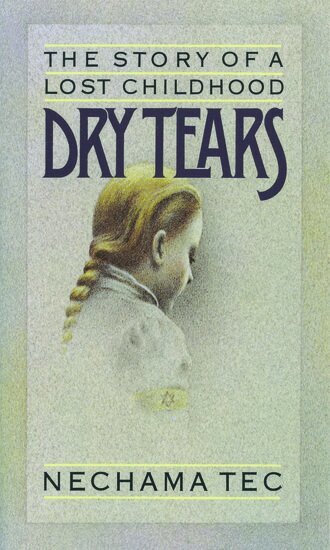
This is the true story of Nechama Tec, whose family found refuge with Polish Christians during the Holocaust. Dry Tears is a dramatic tale of how an eleven-year-old child learned to "pass in the forbidding Christian world and a quietly moving coming-of-age story. This book is unique celebration of the best human qualities that surface under the worst conditions.
Inbunden, Engelska, 1991
553 kr
Skickas inom 5-8 vardagar
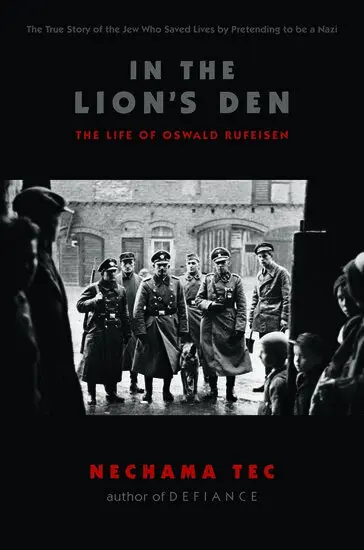
Few lives shed more light on the complex relationship between Jews and Christians during and after the Holocaust that that of teenage Polish Jew, Oswald Rufeisen.Fluent in German, Rufeisen became a translator for the Nazi gendamerie, using his position to pass secret information about impending `aktions'. When denounced, he was smuggled into a Carmelite convent by his sympathetic German commander, and later fought as a Soviet partisan. He converted to Catholicism and became a priest, but the now Father Daniel still insisted on the automatic Israeli citizenship granted to Jews, and fought for his right throughout the 1960s.This stirring biography also reflects the intricate connections between good and evil, cruelty and compassion, and tolerance and prejudice in this critical era of Jewish history.
Häftad, Engelska, 1988
243 kr
Skickas inom 5-8 vardagar
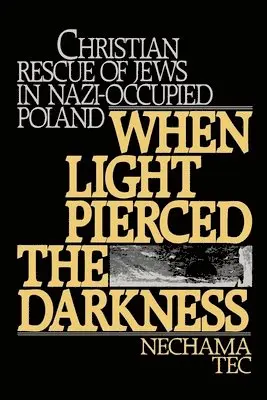
Nechama Tec's incisive account of the rescue of Jews by Christians in Nazi-occupied Poland draws heavily on her own childhood experiences. Her in-depth study - the first of its kind - contrasts the attitudes and behaviour of altruistic helpers, and paid rescuers. She discovers a fascinating pattern, in which altruistic Christians applied their customary practise of helping the needy, without regard for their own safety, whereas paid rescuers acted with the motive of removing the Jews and the danger they represented to Poland. This is a deeply affecting book, which deals squarely with the ingrained anti-Semitism in Polish society, yet pays tribute to the extraordinary risks taken by Polish people on behalf of their Jewish compatriots.
Häftad, Engelska, 1994
290 kr
Skickas inom 5-8 vardagar
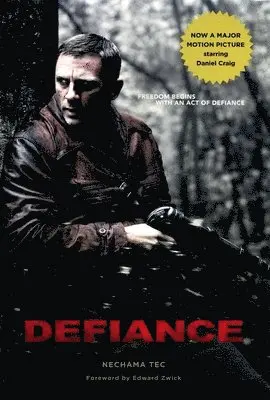
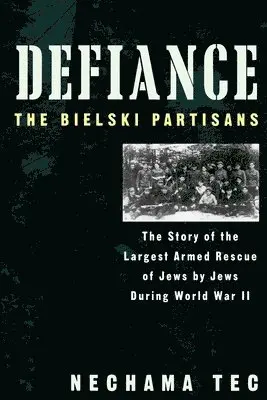
A riveting history of a group of Jewish fighters who fought for the survival and rescue of other Jews in western Belorussia and who would number more than 1,200 Jews by 1944 - the largest armed rescue operation of Jews by Jews in World War II.
Häftad, Engelska, 2010
198 kr
Skickas inom 5-8 vardagar
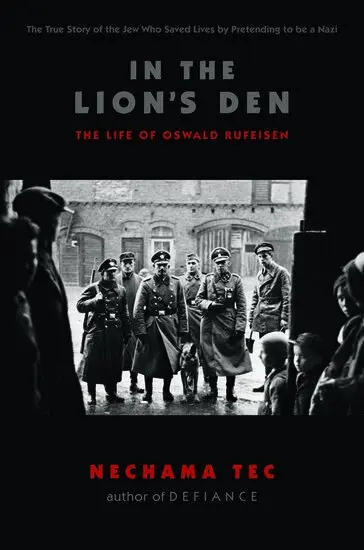
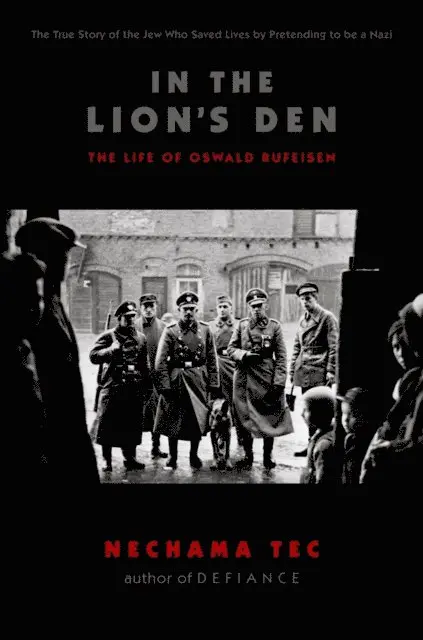
A Jew passing as a Christian in occupied Poland during WWII, Oswald Rufeisen worked as translator and personal secretary to a Nazi commander of the German police, repeatedly risking his life to save hundreds from the Nazis. A relatively unknown Jewish hero and rescuer at the magnitude of Oskar Schindler, Rufeisen's life and role during the Holocaust is perhaps even more riveting and complex than the man memorialized by Stephen Spielberg in Schindler's List. Only seventeen years old when WWII began, Rufeisen joined the exodus of Poles who fled the approaching German army. Bright and talented, Rufeisen used his ability to speak fluent German to pass as half German and half Polish in Mir, where he came to serve the German commander in charge of the gendarmerie. As he carried out his duties - reading death sentences to prisoners, swearing in new police officers before a portrait of Hitler - he earned the trust and affection of the German commander, yet lived in constant fear of discovery. He used his position to pass secret information to Jews and Christians about impending "Aktionen" and to sabotage Nazi plans. Most notably, he thwarted the annihilation of the Mir ghetto by arming hundreds of Jews and organizing their escape, and saved an entire Belorussian village from destruction. Eventually discovered and denounced, Rufeisen escaped and found shelter in a convent, where he converted to Catholicism. Though a pacifist, he spent the rest of the war fighting in a Russian partisan unit, similar to the Bielski unit of Tec's Defiance. After the war, Father Daniel (as he came to be known) became a priest and a Carmelite monk. Identifying himself as a Christian Jew and an ardent Zionist, he moved to Israel, where he challenged the Law of Return in a case that reached the High Court and attracted international attention. In the Lion's Den, from author Nechama Tec of Defiance and several other astonishing accounts of Jewish survival and rescue during the Holocaust, offers a stirring portrait of a Jewish rescuer during the Holocaust and its aftermath, illuminating the intricate connections between good and evil, cruelty and compassion, and Judaism and Christianity.
E-bok
PDF, Engelska, 2013184 kr
Läs direkt efter köp
Nechama Tec''s Defiance, an account of a Jewish partisan unit that fought the Nazis in the Polish forests during World War II, was turned into a major feature film. Yet despite the attention this film brought to the topic of Jewish resistance, Tec, who speaks widely about the Holocaust and the experience of Jews in wartime Poland, still ran into the same question again and again: Why didn''t Jews fight back? To Tec, this question suggested that Jews were somehow complicit in their own extermination. Despite works by Tec and others, the stereotype of Jewish passivity in the Holocaust persists. In Resistance, Tec draws on first-hand accounts, interviews, and other sources to reveal the full range of tactics employed to resist the Nazi regime in Poland. She compares Jewish and non-Jewish groups, showing that they faced vastly different conditions. The Jewish resistance had its own particular aims, especially the recovery of dignity and the salvation of lives. Tec explores the conditions necessary for resistance, including favorable topography, a supply of arms, and effective leadership, and dedicates the majority of the book to the stories of those who stood up and fought back in any way that they could. Emphasizing the centrality of cooperation to the Jewish and Polish resistance movements of World War II, Tec argues that resistance is more than not submitting--that it requires taking action, and demands cooperation with others. Whereas resilience is individual in orientation, Tec writes, resistance assumes others. Within this context, Tec explores life in the ghettoes, the organizations that arose within them, and the famous uprising in Warsaw that began on January 18, 1943. She tells of those who escaped to hide and fight as partisans in the forests, and considers the crucial role played by women who acted as couriers, carrying messages and supplies between the ghetto and the outside world. Tec also discusses resistance in concentration camps, vividly recounting the Auschwitz-Birkenau camp uprising on October 7, 1944. The refusal of the rebel leaders to give information under unspeakable torture, Tec displays, was just one more of the many forms resistance took.Resistance is a rich book that forever shatters the myth of Jewish passivity in the face of annihilation.
E-bok
PDF, Engelska, 200898 kr
Läs direkt efter köp
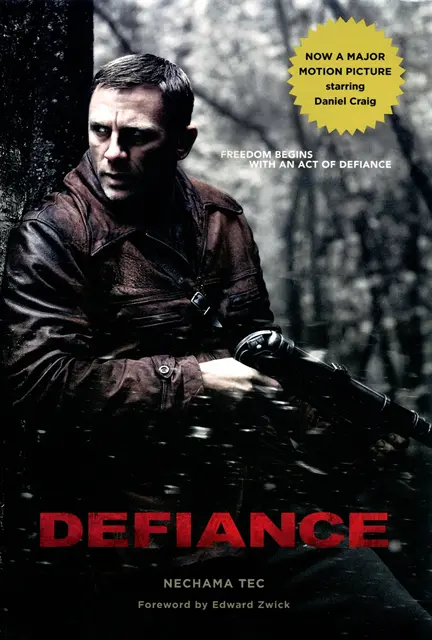
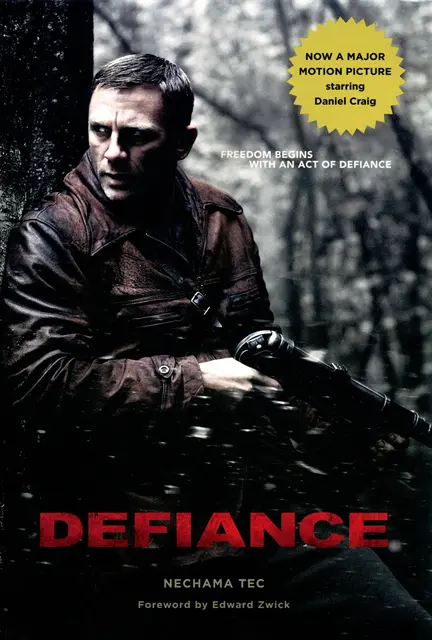
The prevailing image of European Jews during the Holocaust years is one of helpless victims under a death sentence, unable to fight consignment to the ghettos, to the camps, and to the gas chambers. In fact, many Jews struggled alone or with others against the terrors of the Third Reich, risking their lives against overwhelming odds for the slimmest chance of survival, or a mere glimpse of freedom. In Defiance, Nechama Tec offers a riveting history of one such group, a forest community in western Belorussia that would number more than 1,200 Jews by 1944--the largest armed rescue operation of Jews by Jews in World War II. Describing the entire partisan movement in the region, Tec shows that while most forest fighters in Belorussia were rifle-carrying young men, the members of this extraordinary community included both men and women, some with weapons but mostly unarmed, ranging from infants to the elderly. She reconstructs for the first time the amazing details of how these partisans and their families--hungry, exposed to the harsh winter weather, always on the lookout for German patrols--managed not only to survive, but to offer protection to all Jewish fugitives who could find their way to them. Driven by courage born out of despair, they dug wells, set up workshops to repair guns, make clothes, and resole shoes, supplied services to other guerilla units, and even established a makeshift hospital and school in the forest. Arguing that this success would have been unthinkable without the vision of one man, Tec offers penetrating insight into the group''s commander, Tuvia Bielski, and his journey from his life as the son of the only Jewish peasant family in an isolated rural village to his emergence as a leader possessing the charisma and courage to command under all but impossible circumstances. Tec brings to light the untold story of Bielski''s struggle as a partisan who lost his parents, wife, and two brothers to the Nazis, yet never wavered in his conviction that it was more important to save one Jew than to kill twenty Germans. She shows how, under Bielski''s guidance, the partisans smuggled Jews out of heavily guarded ghettos, scouted the roads for fugitives, and led retaliatory raids against Belorussian peasants who collaborated with the Nazis against their former Jewish neighbors. Refusing to turn away the weak or the old for the sake of the survival of the larger group, Bielski would warn new arrivals to the forest, "Life is difficult, we are in danger all the time, but if we perish, if we die, we die like human beings." A scholar, a writer, and herself a Holocaust survivor, author Nechama Techas devoted the last two decades to studying the fate of European Jewry,recording rare but vital examples of human compassion, resistance, altruism and heroism in the face of overwhelming horror and despair. Drawing on wide-ranging research and never before published interviews with surviving partisans--including Tuvia Bielski himself two weeks before his death in 1987--she reconstructs here the poignant and unforgettable story of those who chose to fight.
E-bok
PDF, Engelska, 2008168 kr
Läs direkt efter köp
Few lives shed more light on the complex relationship between Jews and Christians during and after the Holocaust--or provide a more moving portrait of courage--than Oswald Rufeisen''s. A Jew passing as a Christian in occupied Poland, Rufeisen worked as translator for the German police--the very people who rounded up and murdered the Jews--and repeatedly risked his life to save hundreds from the Nazis. In this gripping biography, Nechama Tec, a widely acclaimed writer on the Holocaust, recounts Rufeisen''s remarkable story. A youth of seventeen when World War II began, Rufeisen joined the exodus of Poles who fled the approaching German army. Tec vividly describes how Rufeisen used his ability to speak fluent German to pass as half German and half Polish in Mir, where he came to serve as translator and personal secretary to the German in charge of the gendarmerie. As he carried out his duties--reading death sentences to prisoners, swearing in new police officers before a portrait of Hitler--he earned the trust and affection of the German commander, yet lived in constant fear of discovery. He used his position to pass secret information to Jews and Christians about impending "aktions" and to sabatoge Nazi plans. Most notably, he thwarted the annihilation of the Mir ghetto by arming hundreds of doomed Jews and organizing their escape, and saved an entire Belorussian village from destruction. Denounced, Rufeisen escaped and found shelter in a convent, where he converted to Catholicism. Though a pacifist, he spent the rest of the war fighting in a Russian partisan unit. After the war, Father Daniel (as he is now known) became a priest and a Carmelite monk. Identifying himself as a Christian Jew and an ardent Zionist, he moved to Israel, where he challenged the Law of Return in a case that reached the High Court and attracted international attention. Today he continues to devote himself to bridging the gap between Christians and Jews. In the Lion''s Den offers a stirring portrait of a Jewish rescuer during the Holocaust and its aftermath, illuminating the intricate connections between good and evil, cruelty and compassion, and Judaism and Christianity.
Inbunden, Engelska, 2013
325 kr
Skickas inom 5-8 vardagar
A common perception of Jews during World War II is that they were passive and submissive in the face of German oppression. In Resistance, Holocaust scholar Nechama Tec questions the validity of this widely held assumption, arguing that rather than making empty claims about Jewish passivity or heroics during the Holocaust, a systematic comparison of Jewish and non-Jewish resistance is needed. Using firsthand accounts and interviews, Tec examines the four main settings of the war--ghetto, concentration camp, forest and countryside, and the Aryan world--and describes what life was like for Jews and non-Jews in each. Tec's comparisons show that even when Jewish and non-Jewish groups were in the same place at the same time, each faced vastly different conditions, and opportunities for Jewish resistance were far scarcer and more complicated than for their non-Jewish counterparts. Given the unique Jewish predicament, Tec explains that Jewish resistance had different aims--in particular, Jewish efforts emphasized recovery of dignity and salvation of lives, rather than large-scale thwarting of their oppressors. This illuminating book also explores the larger concept of resistance, often too narrowly equated with armed attempts or too broadly equated with attempts merely to survive. Tec brilliantly argues that resistance is dependent on the oppressed party's intent and the particular nature of the oppression faced. Closely reasoned and eloquently constructed, Resistance reinvigorates the discussion about resistance in World War II.
E-bok
Engelska, 200898 kr
Läs direkt efter köp
The prevailing image of European Jews during the Holocaust years is one of helpless victims under a death sentence, unable to fight consignment to the ghettos, to the camps, and to the gas chambers. In fact, many Jews struggled alone or with others against the terrors of the Third Reich, risking their lives against overwhelming odds for the slimmest chance of survival, or a mere glimpse of freedom. In Defiance, Nechama Tec offers a riveting history of one such group, a forest community in western Belorussia that would number more than 1,200 Jews by 1944--the largest armed rescue operation of Jews by Jews in World War II. Describing the entire partisan movement in the region, Tec shows that while most forest fighters in Belorussia were rifle-carrying young men, the members of this extraordinary community included both men and women, some with weapons but mostly unarmed, ranging from infants to the elderly. She reconstructs for the first time the amazing details of how these partisans and their families--hungry, exposed to the harsh winter weather, always on the lookout for German patrols--managed not only to survive, but to offer protection to all Jewish fugitives who could find their way to them. Driven by courage born out of despair, they dug wells, set up workshops to repair guns, make clothes, and resole shoes, supplied services to other guerilla units, and even established a makeshift hospital and school in the forest. Arguing that this success would have been unthinkable without the vision of one man, Tec offers penetrating insight into the group''s commander, Tuvia Bielski, and his journey from his life as the son of the only Jewish peasant family in an isolated rural village to his emergence as a leader possessing the charisma and courage to command under all but impossible circumstances. Tec brings to light the untold story of Bielski''s struggle as a partisan who lost his parents, wife, and two brothers to the Nazis, yet never wavered in his conviction that it was more important to save one Jew than to kill twenty Germans. She shows how, under Bielski''s guidance, the partisans smuggled Jews out of heavily guarded ghettos, scouted the roads for fugitives, and led retaliatory raids against Belorussian peasants who collaborated with the Nazis against their former Jewish neighbors. Refusing to turn away the weak or the old for the sake of the survival of the larger group, Bielski would warn new arrivals to the forest, "Life is difficult, we are in danger all the time, but if we perish, if we die, we die like human beings." A scholar, a writer, and herself a Holocaust survivor, author Nechama Techas devoted the last two decades to studying the fate of European Jewry,recording rare but vital examples of human compassion, resistance, altruism and heroism in the face of overwhelming horror and despair. Drawing on wide-ranging research and never before published interviews with surviving partisans--including Tuvia Bielski himself two weeks before his death in 1987--she reconstructs here the poignant and unforgettable story of those who chose to fight.
E-bok
Engelska, 2013184 kr
Läs direkt efter köp
Nechama Tec''s Defiance, an account of a Jewish partisan unit that fought the Nazis in the Polish forests during World War II, was turned into a major feature film. Yet despite the attention this film brought to the topic of Jewish resistance, Tec, who speaks widely about the Holocaust and the experience of Jews in wartime Poland, still ran into the same question again and again: Why didn''t Jews fight back? To Tec, this question suggested that Jews were somehow complicit in their own extermination. Despite works by Tec and others, the stereotype of Jewish passivity in the Holocaust persists. In Resistance, Tec draws on first-hand accounts, interviews, and other sources to reveal the full range of tactics employed to resist the Nazi regime in Poland. She compares Jewish and non-Jewish groups, showing that they faced vastly different conditions. The Jewish resistance had its own particular aims, especially the recovery of dignity and the salvation of lives. Tec explores the conditions necessary for resistance, including favorable topography, a supply of arms, and effective leadership, and dedicates the majority of the book to the stories of those who stood up and fought back in any way that they could. Emphasizing the centrality of cooperation to the Jewish and Polish resistance movements of World War II, Tec argues that resistance is more than not submitting--that it requires taking action, and demands cooperation with others. Whereas resilience is individual in orientation, Tec writes, resistance assumes others. Within this context, Tec explores life in the ghettoes, the organizations that arose within them, and the famous uprising in Warsaw that began on January 18, 1943. She tells of those who escaped to hide and fight as partisans in the forests, and considers the crucial role played by women who acted as couriers, carrying messages and supplies between the ghetto and the outside world. Tec also discusses resistance in concentration camps, vividly recounting the Auschwitz-Birkenau camp uprising on October 7, 1944. The refusal of the rebel leaders to give information under unspeakable torture, Tec displays, was just one more of the many forms resistance took.Resistance is a rich book that forever shatters the myth of Jewish passivity in the face of annihilation.
Häftad, Engelska, 2004
675 kr
Skickas inom 5-8 vardagar
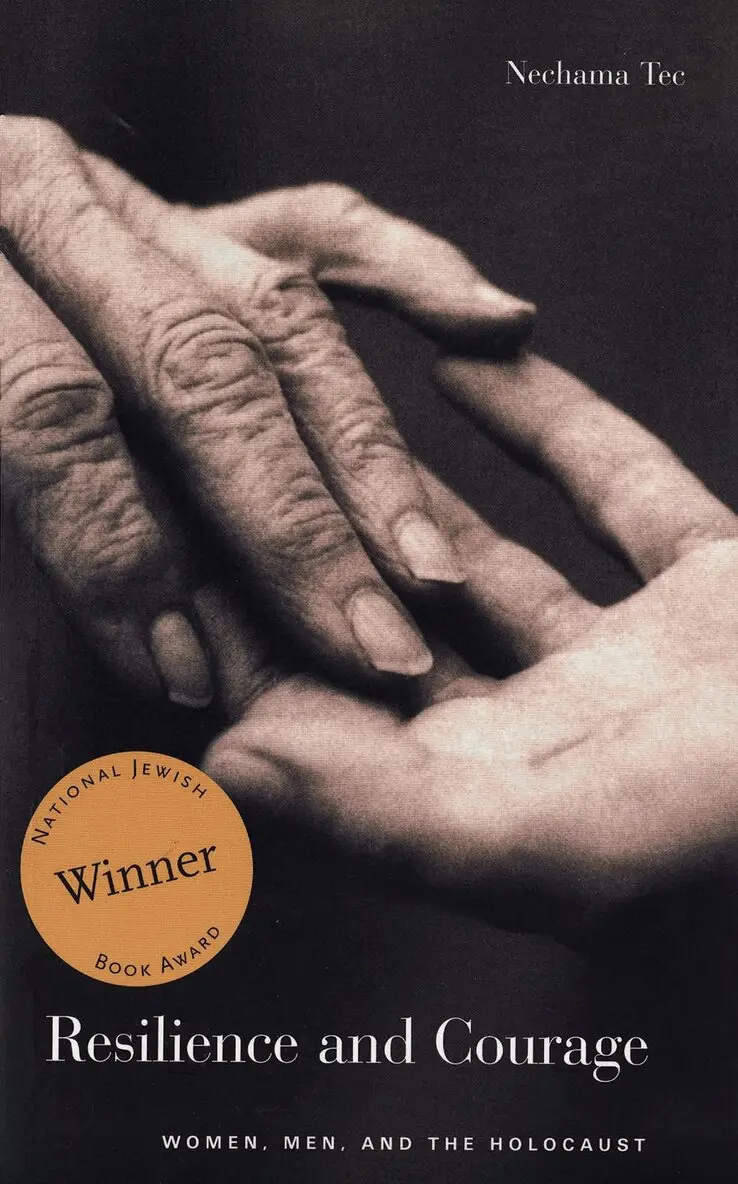
Nechama Tec’s groundbreaking insights into the different experiences of Jewish women and men during the HolocaustIn this, Nechama Tec’s fifth book on the Holocaust, vivid individual stories blend effortlessly with detailed comparisons of wartime experiences of women and men. The result is a captivating account of how the coping strategies and the ultimate fate of each sex differed. Tec, as always, listens to the voices of the oppressed, voices that originated in wartime diaries, postwar memoirs, archival materials, and her own interviews with survivors and rescuers. Concentrating on life under extreme conditions, Tec’s research uncovers the previously overlooked significance of mutual cooperation and compassion that operated across gender lines.
Inbunden, Engelska, 2007
418 kr
Skickas inom 7-10 vardagar
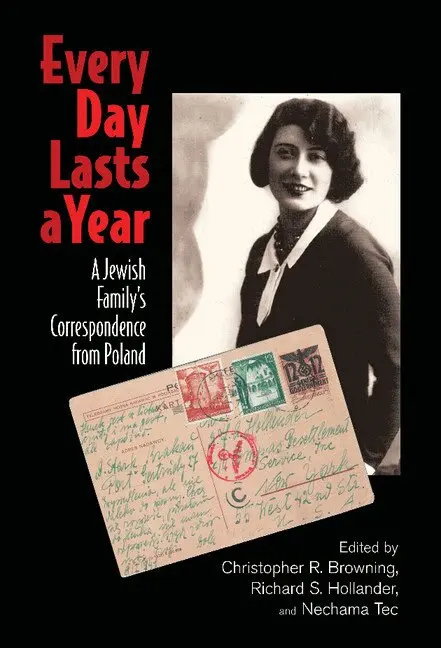
Author Richard S. Hollander was devastated when his parents were killed in an automobile accident in 1986. While rummaging through their attic, he discovered letters from a family he never knew - his father's mother, three sisters, and their husbands and children. The letters, neatly stacked in a briefcase, were written from Krakow, Poland, between 1939 and 1942. They depict day-to-day life under the most extraordinary pain and stress. At the same time, Richard's father, Joseph Hollander, was fighting the United States government to avoid deportation and death. Richard was astounded to learn that his father saved the lives of many Polish Jews, but - despite heroic efforts - could not save his family.
Häftad, Engelska, 2014
338 kr
Skickas inom 7-10 vardagar
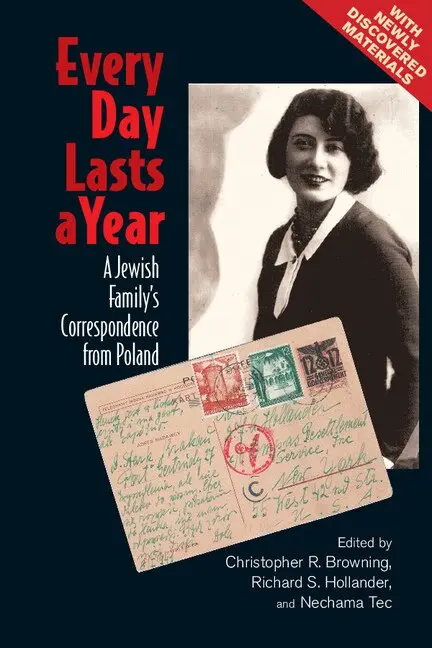
Author Richard S. Hollander was devastated when his parents were killed in an automobile accident in 1986. While rummaging through their attic, he discovered letters from a family he never knew - his father's mother, three sisters, and their husbands and children. The letters, neatly stacked in a briefcase, were written from Krakow, Poland, between 1939 and 1942. They depict day-to-day life under the most extraordinary pain and stress. At the same time, Richard's father, Joseph Hollander, was fighting the United States government to avoid deportation and death. Richard was astounded to learn that his father saved the lives of many Polish Jews, but - despite heroic efforts - could not save his family.