Neil Christie – författare
Visar alla böcker från författaren Neil Christie. Handla med fri frakt och snabb leverans.
25 produkter
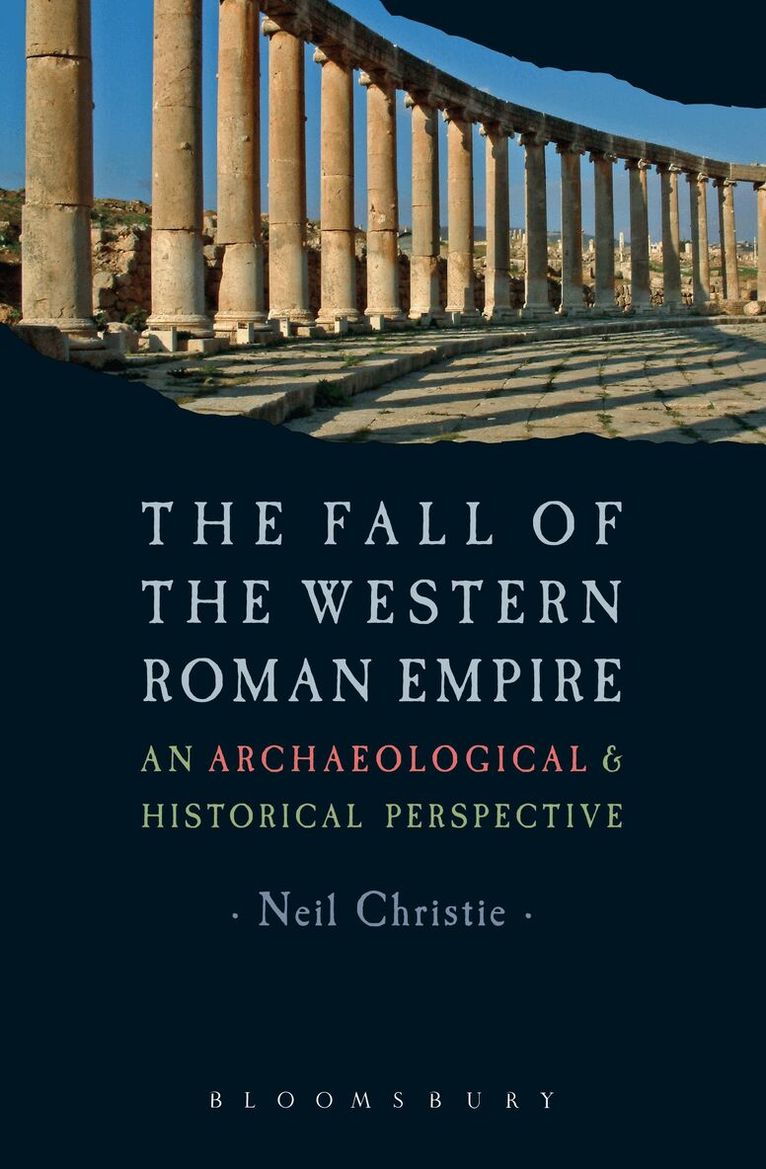
Fall of the Western Roman Empire
Archaeology, History and the Decline of Rome
Häftad, 2011
503 kr
Lägg i varukorg
The decline of the Roman Empire has been a subject of fascination and debate for centuries. In this original new work, Neil Christie draws on numerous sources, interweaving the latest archaeological evidence, to reconstruct the period's landscape and events. In the process, he rethinks some of …
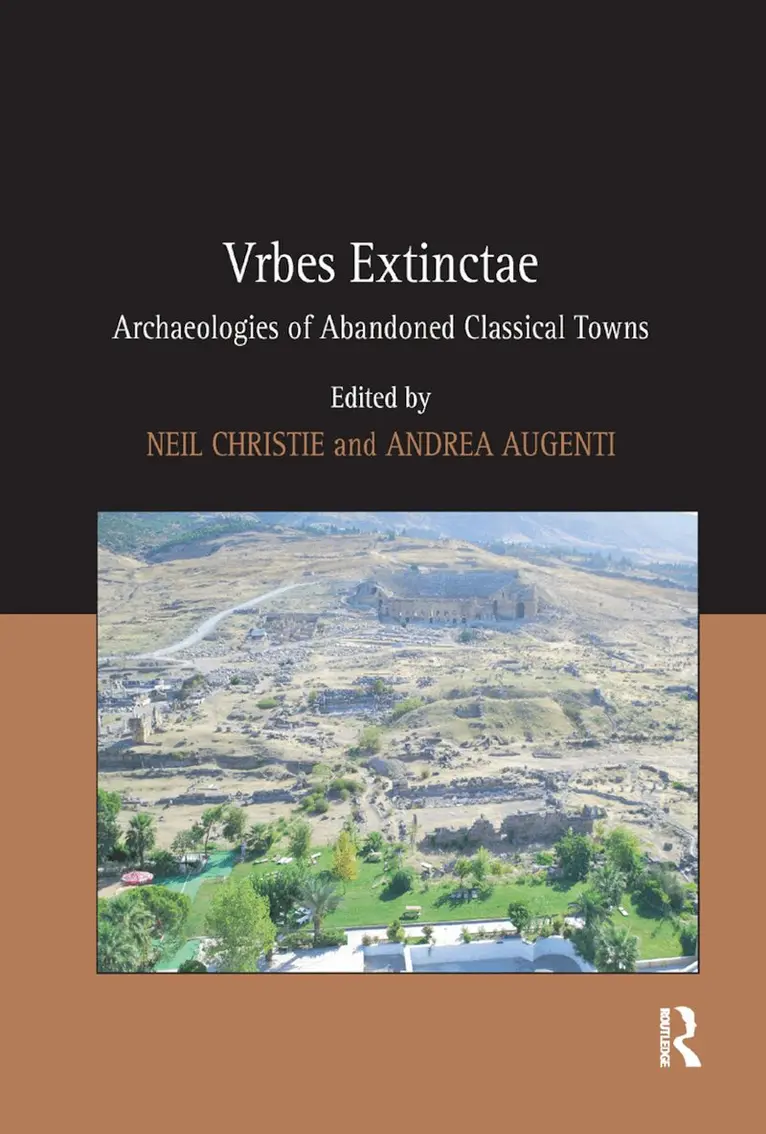
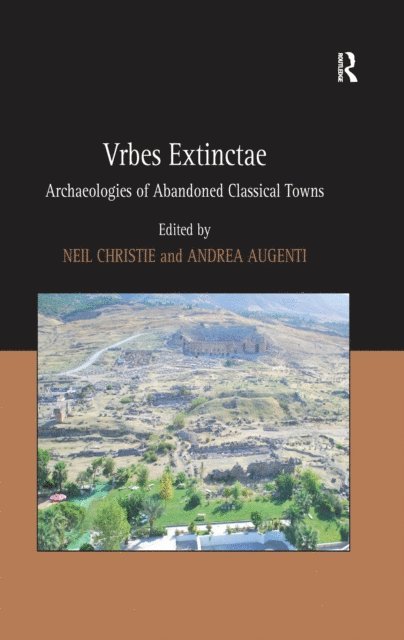
Vrbes Extinctae
Archaeologies of Abandoned Classical Towns
Av Andrea Augenti, Neil Christie
Häftad, 2020
728 kr
Lägg i varukorg
Core tourist sites for the classical world are the ruins of those many and scattered examples of 'lost' and abandoned towns - from Pompeii to Timgad to Ephesus and Petra. Usually studied for their peaks and growth, rarely are their ends explored in detail, to consider the processes of loss and also …
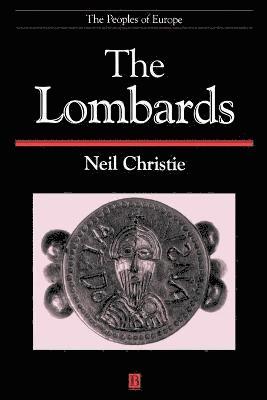
Lombards
The Ancient Longobards
Häftad, 1998
526 kr
Lägg i varukorg
This book offers a survey of the history and archaeology of the Longobards (known until recently as the Lombards), one of the many barbarian tribes who exploited the collapse of the Roman Empire.
Vrbes Extinctae
Archaeologies of Abandoned Classical Towns
Av Andrea Augenti, Neil Christie
Inbunden, 2012
2590 kr
Lägg i varukorg
Core tourist sites for the classical world are the ruins of those many and scattered examples of 'lost' and abandoned towns - from Pompeii to Timgad to Ephesus and Petra. Usually studied for their peaks and growth, rarely are their ends explored in detail, to consider the processes of loss and also …
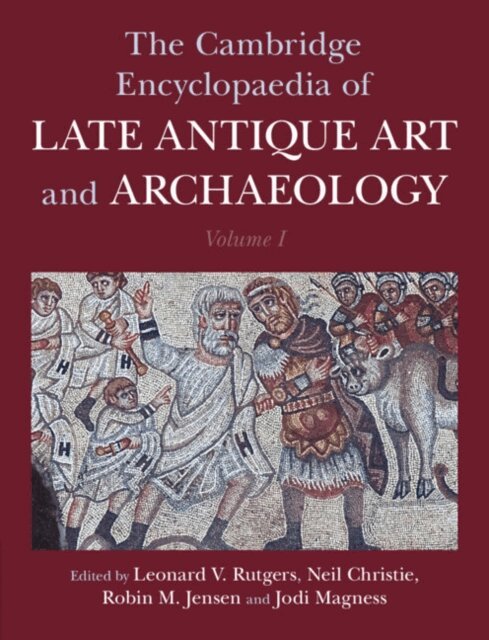
Cambridge Encyclopaedia of Late Antique Art and Archaeology: Volume 1, Architecture, Artifacts and Evidence
Av Jodi Magness, Robin M. Jensen m. fl.
E-bok, 2025
1846 kr
Lägg i varukorg
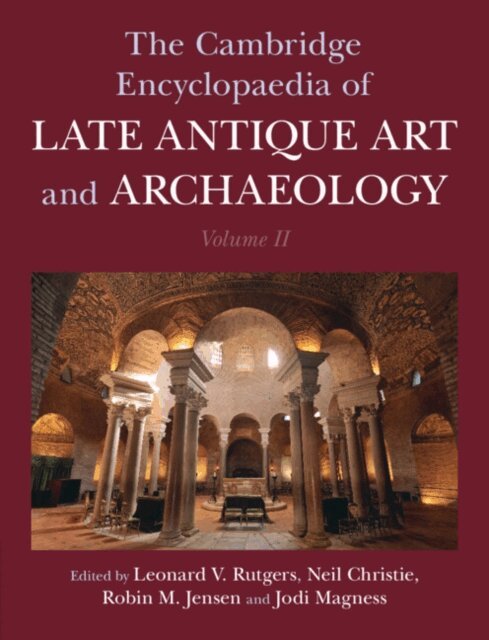
Cambridge Encyclopaedia of Late Antique Art and Archaeology: Volume 2, Settlements, Regions, Peoples and Debates
Av Jodi Magness, Robin M. Jensen m. fl.
E-bok, 2025
1846 kr
Lägg i varukorg
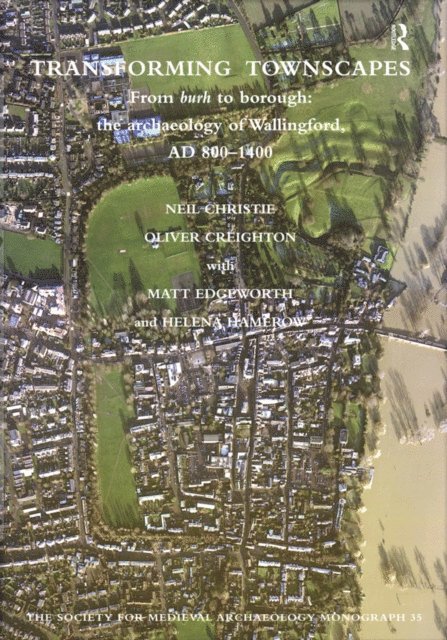
Transforming Townscapes
From Burh to Borough: the Archaeology of Wallingford, AD 800-1400
E-bok, 2017
1445 kr
Lägg i varukorg
"This monograph details the results of a major archaeological project based on and around the historic town of Wallingford in south Oxfordshire. Founded in the late Saxon period as a key defensive and administrative focus next to the Thames, the settlement also contained a substantial royal castle …
Transforming Townscapes
From Burh to Borough: the Archaeology of Wallingford, AD 800-1400
E-bok, 2017
1445 kr
Lägg i varukorg
"This monograph details the results of a major archaeological project based on and around the historic town of Wallingford in south Oxfordshire. Founded in the late Saxon period as a key defensive and administrative focus next to the Thames, the settlement also contained a substantial royal castle …
Vrbes Extinctae
Archaeologies of Abandoned Classical Towns
Av Andrea Augenti, Neil Christie
E-bok, 2016
838 kr
Lägg i varukorg
Core tourist sites for the classical world are the ruins of those many and scattered examples of ''lost'' and abandoned towns - from Pompeii to Timgad to Ephesus and Petra. Usually studied for their peaks and growth, rarely are their ends explored in detail, to consider the processes of loss and …
Vrbes Extinctae
Archaeologies of Abandoned Classical Towns
Av Andrea Augenti, Neil Christie
E-bok, 2016
856 kr
Lägg i varukorg
Core tourist sites for the classical world are the ruins of those many and scattered examples of ''lost'' and abandoned towns - from Pompeii to Timgad to Ephesus and Petra. Usually studied for their peaks and growth, rarely are their ends explored in detail, to consider the processes of loss and …
Landscapes of Change
Rural Evolutions in Late Antiquity and the Early Middle Ages
E-bok, 2017
856 kr
Lägg i varukorg
Only in recent years has archaeology begun to examine in a coherent manner the transformation of the landscape from classical through to medieval times. In Landscapes of Change, leading scholars in the archaeology of the late antique and early medieval periods address the key results and directions …
Landscapes of Change
Rural Evolutions in Late Antiquity and the Early Middle Ages
E-bok, 2017
856 kr
Lägg i varukorg
Only in recent years has archaeology begun to examine in a coherent manner the transformation of the landscape from classical through to medieval times. In Landscapes of Change, leading scholars in the archaeology of the late antique and early medieval periods address the key results and directions …
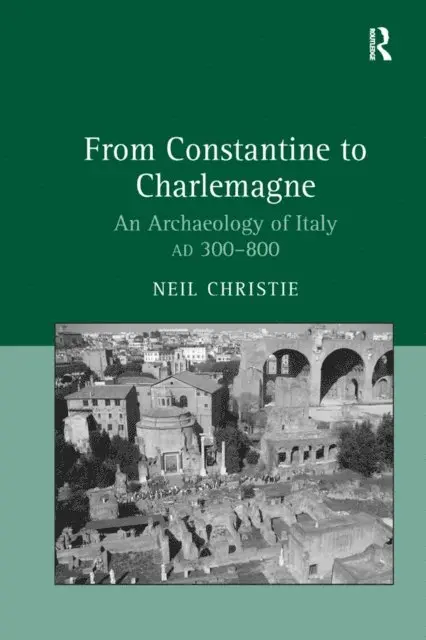
From Constantine to Charlemagne
An Archaeology of Italy AD 300–800
E-bok, 2016
856 kr
Lägg i varukorg
This book offers an overview of the archaeological and structural evidence for one of the most vital periods of Italian history, spanning the late Roman and early medieval periods. The chronological scope covers the adoption of Christianity and the emergence of Rome as the seat of Western …
From Constantine to Charlemagne
An Archaeology of Italy AD 300–800
E-bok, 2016
838 kr
Lägg i varukorg
This book offers an overview of the archaeological and structural evidence for one of the most vital periods of Italian history, spanning the late Roman and early medieval periods. The chronological scope covers the adoption of Christianity and the emergence of Rome as the seat of Western …
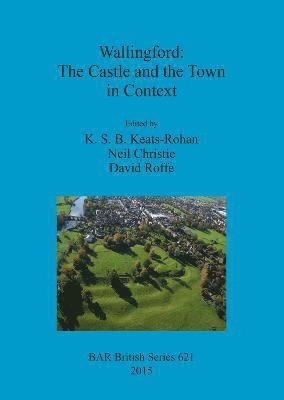
Wallingford: The Castle and the Town in Context
Av Neil Christie, K S B Keats-Rohan m. fl.
Häftad, 2015
1073 kr
Lägg i varukorg
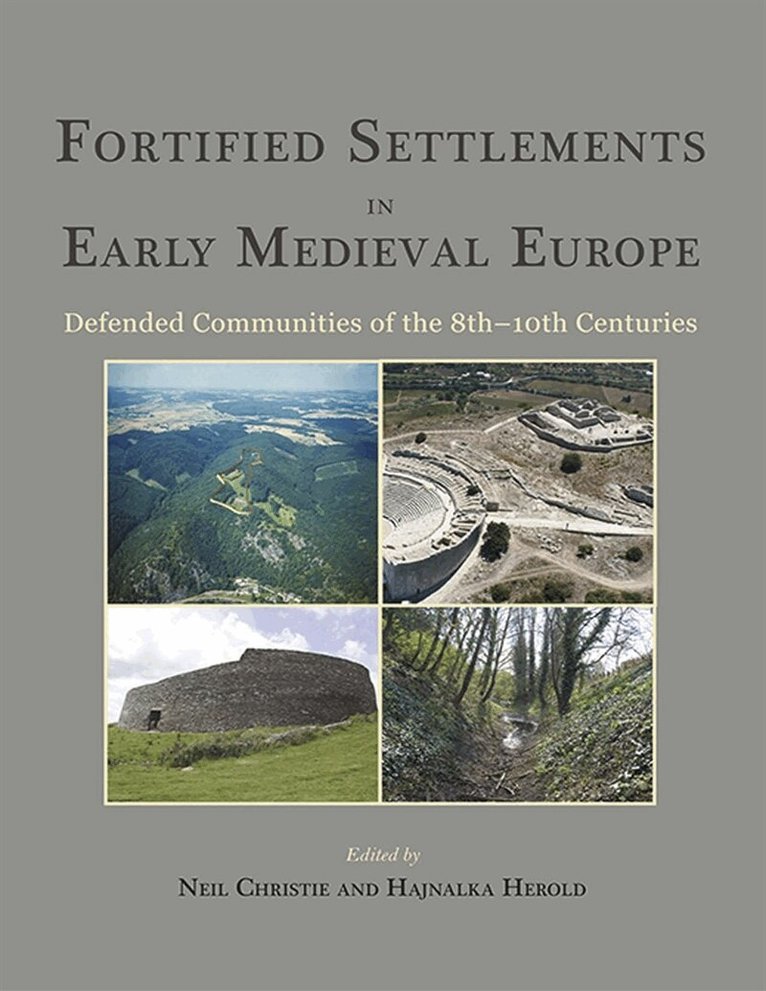
Fortified Settlements in Early Medieval Europe
Defended Communities of the 8th-10th Centuries
Av Neil Christie, Hajnalka Herold
E-bok, 2021
126 kr
Lägg i varukorg
Twenty-three contributions by leading archaeologists from across Europe explore the varied forms, functions and significances of fortified settlements in the 8th to 10th centuries AD. These could be sites of strongly martial nature, upland retreats, monastic enclosures, rural seats, island bases, …
Medieval Rural Settlement and Infrastructure Archaeology Across Europe
Av Carenza Lewis, Neil Christie m. fl.
Häftad, 2026
715 kr
Lägg i varukorg
This volume provides a unique new Europe-wide perspective on the impact of infrastructure‑led archaeology on our knowledge of medieval rural settlement.Across the 5th–16th centuries, most of Europe’s population lived and worked in the countryside, based in villages, hamlets, farms and small towns. …
Landscapes of Change
Rural Evolutions in Late Antiquity and the Early Middle Ages
Inbunden, 2004
2820 kr
Lägg i varukorg
Only in recent years has archaeology begun to examine in a coherent manner the transformation of the landscape from classical through to medieval times. In Landscapes of Change, leading scholars in the archaeology of the late antique and early medieval periods address the key results and directions …
Fall of the Western Roman Empire
Archaeology, History and the Decline of Rome
Inbunden, 2011
2047 kr
Lägg i varukorg
The decline of the Roman Empire has been a subject of fascination and debate for centuries. In this original new work, Neil Christie draws on numerous sources, interweaving the latest archaeological evidence, to reconstruct the period's landscape and events. In the process, he rethinks some of …
From Constantine to Charlemagne
An Archaeology of Italy AD 300–800
Inbunden, 2006
2590 kr
Lägg i varukorg
This book offers an overview of the archaeological and structural evidence for one of the most vital periods of Italian history, spanning the late Roman and early medieval periods. The chronological scope covers the adoption of Christianity and the emergence of Rome as the seat of Western …
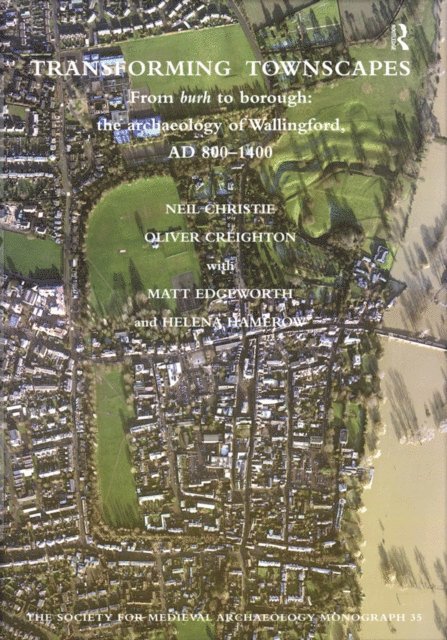
Transforming Townscapes
From Burh to Borough: the Archaeology of Wallingford, AD 800-1400
Häftad, 2013
1224 kr
Lägg i varukorg
Transforming Townscapes details the results of a major archaeological project based on and around the historic town of Wallingford in south Oxfordshire. Founded in the late Saxon period as a key defensive and administrative focus next to the Thames, the settlement also contained a substantial royal …
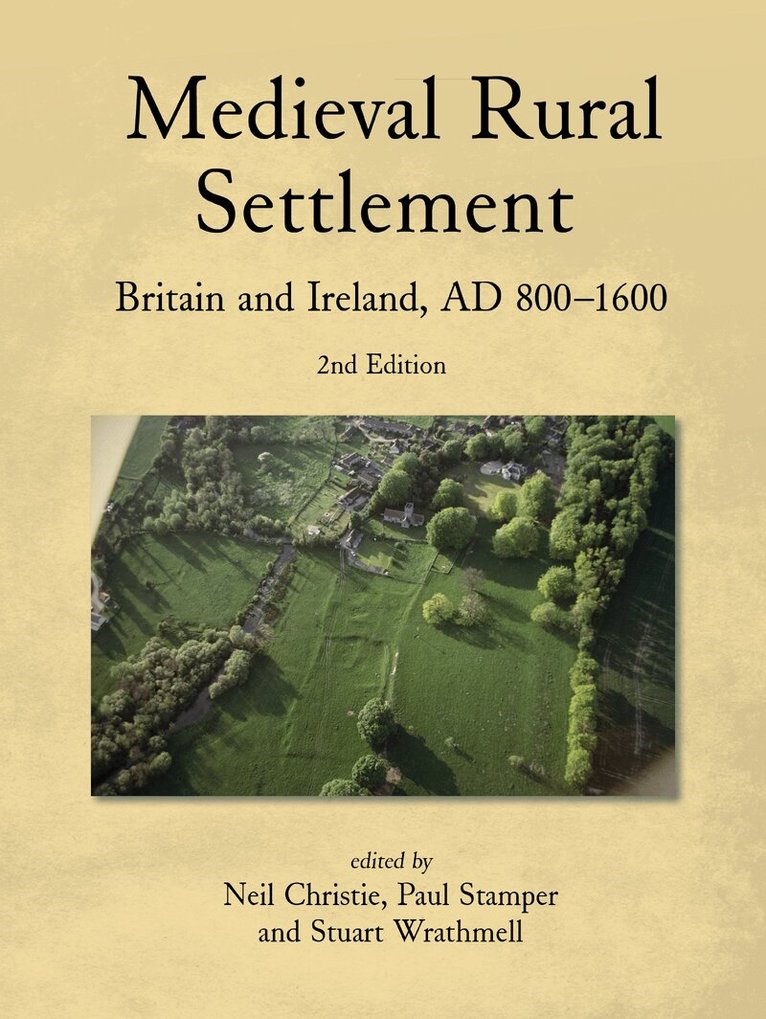
Medieval Rural Settlement
Britain and Ireland, AD 800–1600
Av Neil Christie, Paul Stamper m. fl.
Inbunden, 2026
1149 kr
Kommande
The first edition of Medieval Rural Settlement: Britain and Ireland, AD 800–1600 was a major assessment and review of the origins, forms and evolutions of medieval rural settlement in Britain and Ireland across the period AD 800–1600. It offered a comprehensive analysis of early to late medieval …
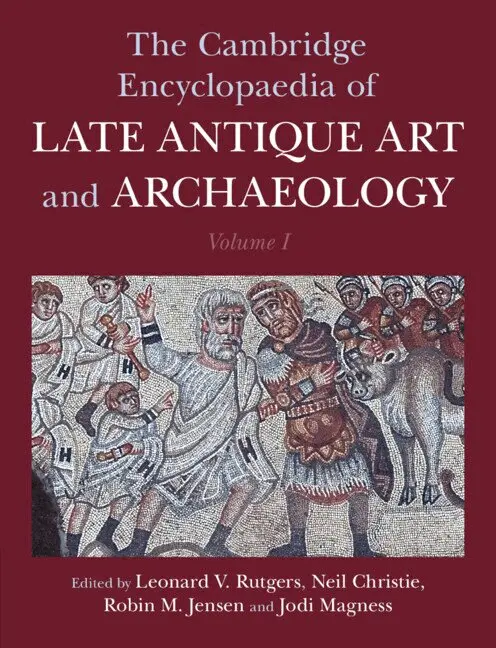
The Cambridge Encyclopaedia of Late Antique Art and Archaeology: Volume 1, Architecture, Artifacts and Evidence
Av Leonard V. Rutgers, Neil Christie m. fl.
Inbunden, 2025
1588 kr
Tillfälligt slut
Late Antiquity marked one of the most significant transitions in European history-one that saw the rise of Christianity and the transformation of the classical Mediterranean world of ancient Rome. The richness of its art and the wealth of its archaeological remains have increasingly been recognised …
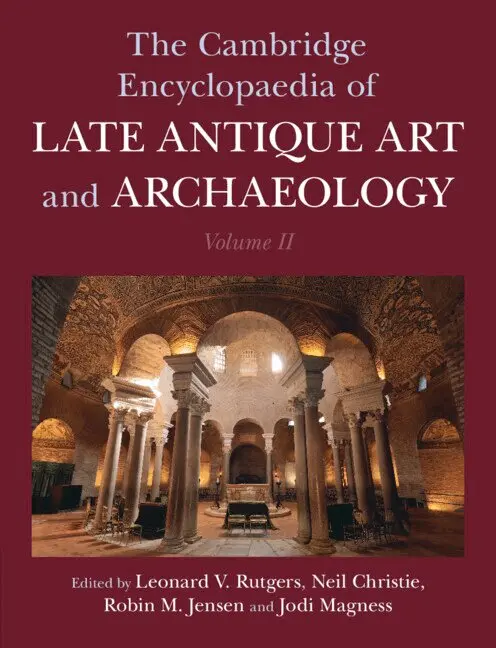
The Cambridge Encyclopaedia of Late Antique Art and Archaeology: Volume 2, Settlements, Regions, Peoples and Debates
Av Leonard V. Rutgers, Neil Christie m. fl.
Inbunden, 2025
1623 kr
Tillfälligt slut
Late Antiquity marked one of the most significant transitions in European history-one that saw the rise of Christianity and the transformation of the classical Mediterranean world of ancient Rome. The richness of its art and the wealth of its archaeological remains have increasingly been recognised …
Medieval Rural Settlement
Britain and Ireland, AD 800-1600
Av Neil Christie, Paul Stamper
Häftad, 2021
364 kr
Tillfälligt slut
Medieval Rural Settlement: Britain and Ireland, AD 800-1600 is a major assessment and review of the origins, forms and evolutions of medieval rural settlement in Britain and Ireland across the period c. AD 800-1600. It offers a comprehensive analysis of early to late medieval settlement, land use, …