Paul Stamper - Böcker
Visar alla böcker från författaren Paul Stamper. Handla med fri frakt och snabb leverans.
4 produkter
4 produkter
496 kr
Skickas inom 7-10 vardagar
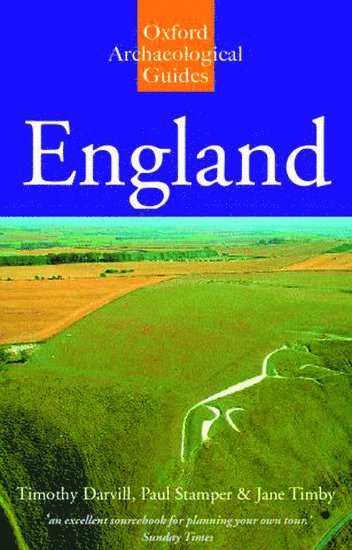
Travelling around England is in many senses a journey back in time. On all sides, and sometimes even under the road or footpath itself, there are fragments of the ancient past side by side with the clutter of the modern world. Medieval villages, castles, ancient churches, and Roman villas are commonplace and take us back to the time of Christ. Far older, yet equally abundant, are the barrows, hillforts, stone circles, camps, standing stones, trackways, and other relics of prehistoric times that have survived for several thousand years.This Guide is all about these ancient remains: the prehistoric, Roman, and medieval sites which date from the time between the first appearance of people in what we now call England during the last Ice Age and the end of medieval times around 1600 AD.
775 kr
Skickas
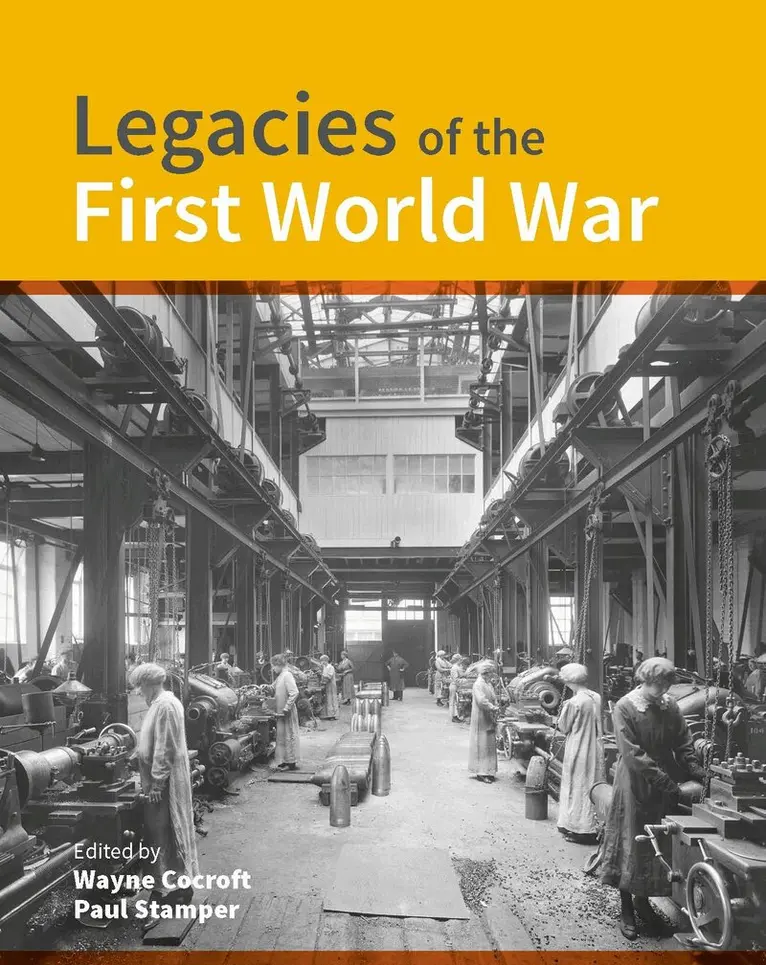
The First World War has been described as the first total war, a conflict in which a country’s people and resources were harnessed towards final victory. During 2014-18 Historic England set out to uncover and study the physical remains left across England by the First World War. The range of what was discovered is astonishing, reflecting how the home front became as important as the battlefront. It was the place to train and equip new armies, to manufacture armaments, to treat the wounded and to grow more food. As millions of men joined the armed forces, women entered the workforce in munitions factories, as tram and bus conductresses and as farm workers. Archaeological remains can be found of practice trench lines, munitions works, government factories, army and PoW camps, airfields and airship stations. But England was also drawn into the fighting as German warships and submarines bombarded coastal towns, and Zeppelin airships and later bomber aircraft brought death from the sky. The threat of invasion saw the construction of defences down the east and south coasts. Ships and smaller vessels were lost to mines, torpedoes and gunfire, and on the sea bed work is beginning to explore the wrecks from this almost forgotten battlefield. A century later many traces of this great endeavour survive. This new book brings together these discoveries and helps to mark the contribution and sacrifice not only of those who served in the armed forces, but also of those who provided support, in myriad ways, on the home front.
335 kr
Tillfälligt slut
Medieval Rural Settlement: Britain and Ireland, AD 800-1600 is a major assessment and review of the origins, forms and evolutions of medieval rural settlement in Britain and Ireland across the period c. AD 800-1600. It offers a comprehensive analysis of early to late medieval settlement, land use, economics and population, bringing together evidence drawn from archaeological excavations and surveys, historical geographical analysis and documentary and place-name study. It is intended to be the flagship publication of the Medieval Settlement Research Group (MSRG) which has a long and distinguished history of exploring, debating and promoting research and offers systematic appraisal of 60 years' work across the whole field of medieval settlement, designed to inspire the next generation of researchers. Part I comprises a set of papers exploring the history of medieval rural settlement research in Britain and Ireland, the evolving methodologies, the roots of the medieval landscape and the place of power in these settlements and landscapes. Part II presents an extensive series of regional and national reviews detailing contexts, histories of study, forms, evolutions and future research needs. These extensive contributions also include "feature boxes" on key themes, sites to visit and main excavations in the study areas discussed. A final section provides guidance on how to research and study medieval rural sites - from laptop to test-pit. Extensively illustrated in colour and black and white, and written by expert contributors, the volume includes a comprehensive, integrated bibliography and an index. Medieval Rural Settlement: Britain and Ireland, AD 800-1600 will be essential reading for everyone researching and interested in medieval settlements and the medieval rural landscape.
986 kr
Kommande
The first edition of Medieval Rural Settlement: Britain and Ireland, AD 800–1600 was a major assessment and review of the origins, forms and evolutions of medieval rural settlement in Britain and Ireland across the period AD 800–1600. It offered a comprehensive analysis of early to late medieval settlement, land use, economics and population, bringing together evidence drawn from archaeological excavations and surveys, historical geographical analysis and documentary and place-name study.This new edition does not break from the core ingredients of the first, notably in targeting up-to-date analyses of regional archaeologies, but does introduce a new section of contributions that look specifically at economic issues, and also identifies the impact of new survey technologies, plus the growing value of Portable Antiquities Scheme (PAS) finds and analyses. This new edition also draws on more recent research on historical sources, place-names and standing buildings, and through the definitive publication of earlier major projects (Wharram, Faxton and Burton Dassett Southend).As with the first edition, contributions come from academics, field archaeologists, heritage and museum staff associated with the Medieval Settlement Research Group (MSRG). The MSRG is a long-established and nationally and internationally recognised grouping of scholars who have explored and advanced understanding of rural settlement, land use, buildings, geomorphologies and environments across Britain and Ireland primarily for the periods encompassed between c. AD 450–1550.