Wayne D Cocroft – författare
Visar alla böcker från författaren Wayne D Cocroft. Handla med fri frakt och snabb leverans.
8 produkter
Archaeology of The Teufelsberg
Exploring Western Electronic Intelligence Gathering in Cold War Berlin
Av Wayne D Cocroft, John Schofield
Häftad, 2020
397 kr
Lägg i varukorg
For over 50 years, the white radomes of the Teufelsberg have been one of Berlin’s most prominent landmarks. For half of this time the city lay over 100 miles behind an 'Iron Curtain' that divided East from West, and was surrounded by communist East Germany and the densest concentration of Warsaw …
Archaeology of The Teufelsberg
Exploring Western Electronic Intelligence Gathering in Cold War Berlin
Av John Schofield, Wayne D Cocroft
E-bok, 2019
464 kr
Lägg i varukorg
For over 50 years, the white radomes of the Teufelsberg have been one of Berlin’s most prominent landmarks. For half of this time the city lay over 100 miles behind an ''Iron Curtain'' that divided East from West, and was surrounded by communist East Germany and the densest concentration of Warsaw …
Archaeology of The Teufelsberg
Exploring Western Electronic Intelligence Gathering in Cold War Berlin
Av John Schofield, Wayne D Cocroft
E-bok, 2019
454 kr
Lägg i varukorg
For over 50 years, the white radomes of the Teufelsberg have been one of Berlin’s most prominent landmarks. For half of this time the city lay over 100 miles behind an ''Iron Curtain'' that divided East from West, and was surrounded by communist East Germany and the densest concentration of Warsaw …
Archaeology of The Teufelsberg
Exploring Western Electronic Intelligence Gathering in Cold War Berlin
Av Wayne D Cocroft, John Schofield
Inbunden, 2019
1028 kr
Lägg i varukorg
For over 50 years, the white radomes of the Teufelsberg have been one of Berlin’s most prominent landmarks. For half of this time the city lay over 100 miles behind an 'Iron Curtain' that divided East from West, and was surrounded by communist East Germany and the densest concentration of Warsaw …
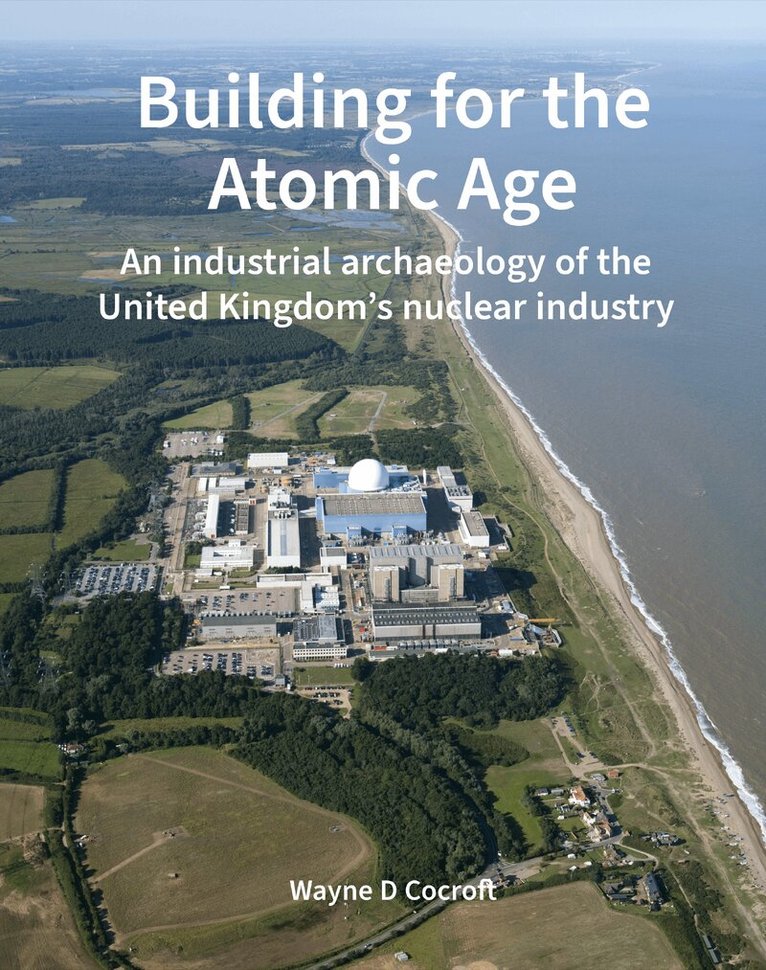
Building for the Atomic Age
An industrial archaeology of the United Kingdom’s nuclear industry
Inbunden, 2026
807 kr
Lägg i varukorg
This book is an exploration of the industrial archaeology of Britain’s ‘atomic age’: the physical traces of what remains and what has been lost of this endeavour. To many in the generation of post-war readers of broadsheet newspapers, the technical press, ‘boys’ own’ comics, and viewers of upbeat …
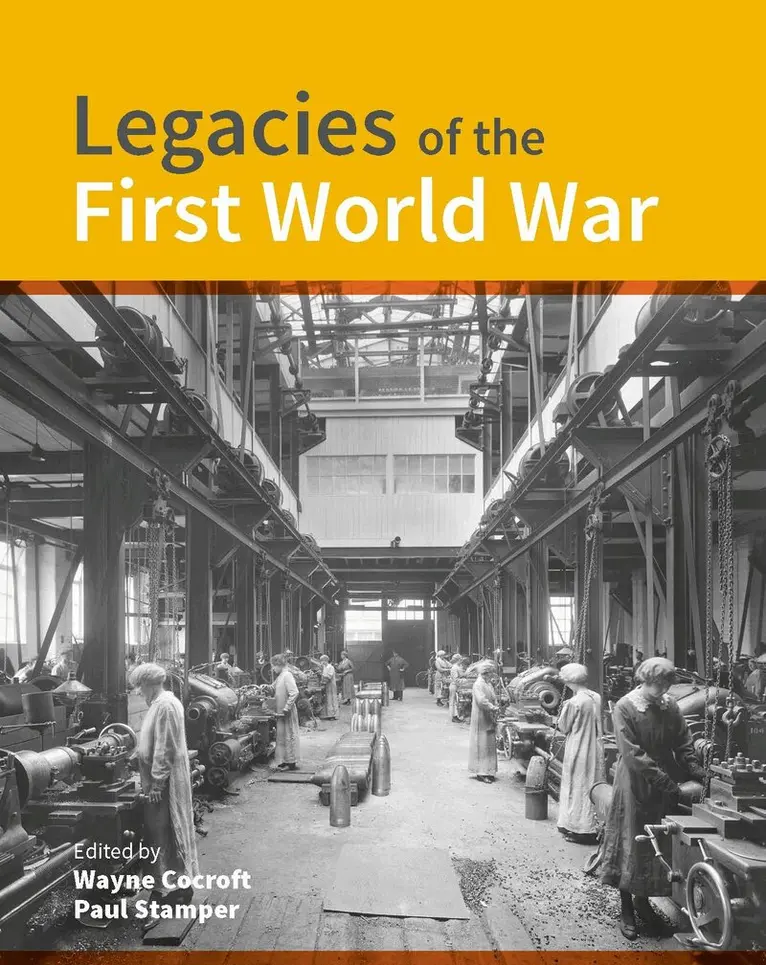
Legacies of the First World War
Building for total war 1914-1918
Av Wayne D. Cocroft, Paul Stamper
Inbunden, 2018
815 kr
Lägg i varukorg
The First World War has been described as the first total war, a conflict in which a country’s people and resources were harnessed towards final victory. During 2014-18 Historic England set out to uncover and study the physical remains left across England by the First World War.The range of what …
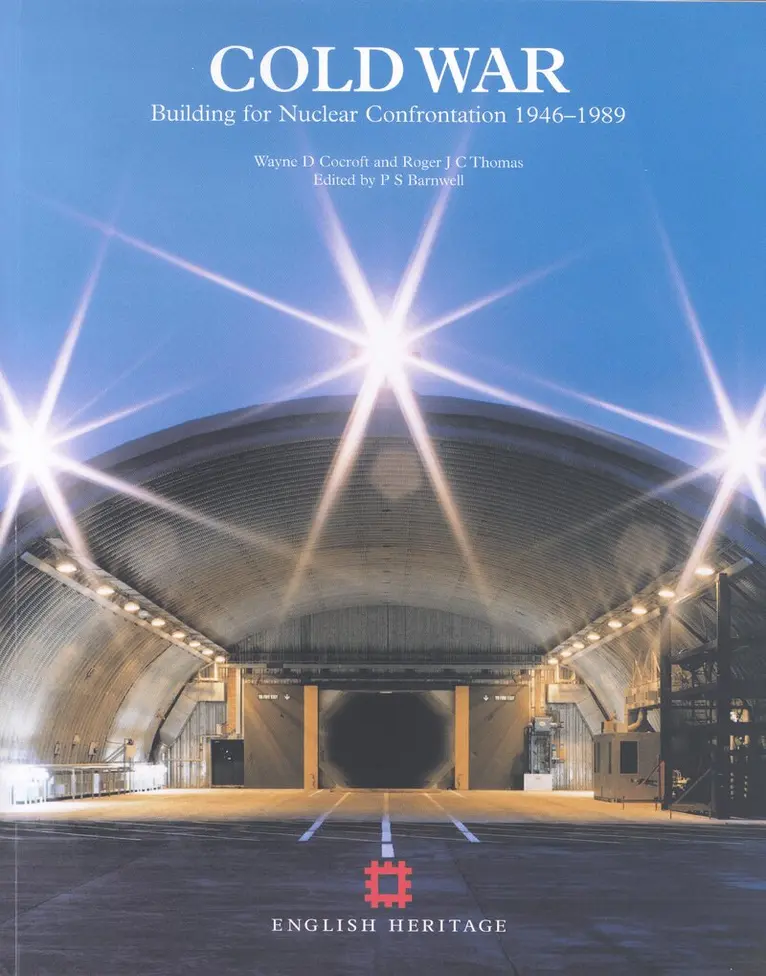
Cold War
Building for Nuclear Confrontation 1946-1989
Av Wayne D. Cocroft, Roger C. Thomas m. fl.
Häftad, 2004
505 kr
Lägg i varukorg
The historical and cultural aspects of the Cold War have been much studied, yet its physical manifestations in England – its buildings and structures – have remained largely unknown. To the great landscape historian WG Hoskins writing in the 1950’s they were profoundly alien: “England of the … …
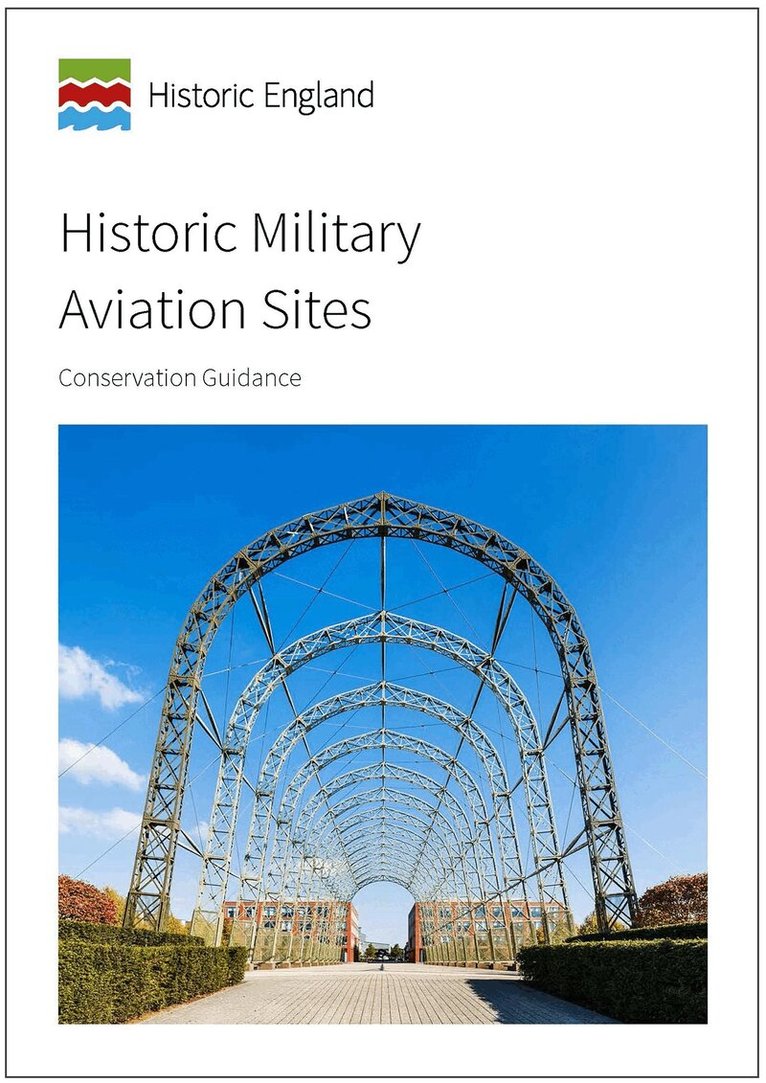
Historic Military Aviation Sites
Conservation Guidance
Av Billy Hurley Reading, Will Holborow m. fl.
Häftad, 2016
472 kr
Tillfälligt slut
This guidance is intended to promote the appreciation of historic military airfields and their associated buildings, so that their significance is properly recognised and conserved through appropriate management.It explains how the operational needs and development potential of these sites can be …