Neil Pemberton - Böcker
Visar alla böcker från författaren Neil Pemberton. Handla med fri frakt och snabb leverans.
3 produkter
3 produkter
318 kr
Skickas inom 7-10 vardagar
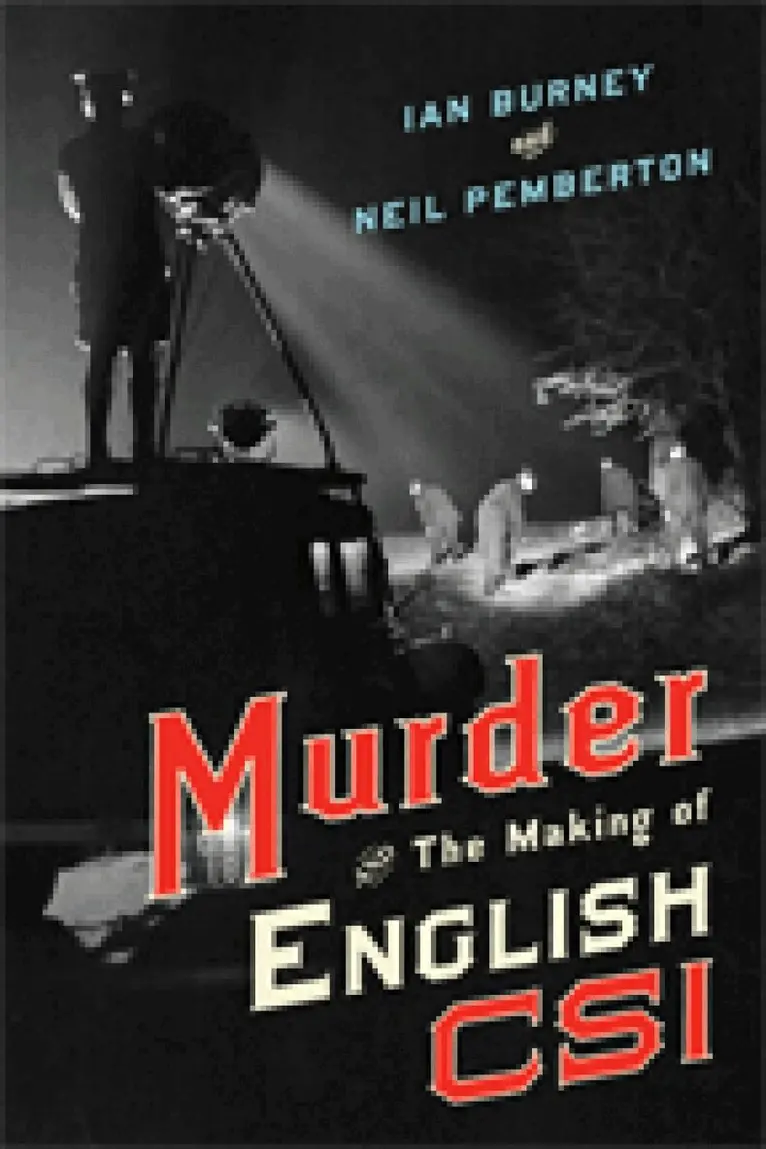
Crime scene investigation-or CSI-has captured the modern imagination. On television screens and in newspapers, we follow the exploits of forensic officers wearing protective suits and working behind police tape to identify and secure physical evidence for laboratory analysis. But where did this ensemble of investigative specialists and scientific techniques come from? In Murder and the Making of English CSI, Ian Burney and Neil Pemberton tell the engrossing history of how, in the first half of the twentieth century, novel routines, regulations, and techniques-from chain-of-custody procedures to the analysis of hair, blood, and fiber-fundamentally transformed the processing of murder scenes. Focusing on two iconic English investigations-the 1924 case of Emily Kaye, who was beaten and dismembered by her lover at a lonely beachfront holiday cottage, and the 1953 investigation into John Christie's serial murders in his dingy terraced home in London's West End-Burney and Pemberton chart the emergence of the crime scene as a new space of forensic activity.Drawing on fascinating source material ranging from how-to investigator handbooks and detective novels to crime journalism, police case reports, and courtroom transcripts, the book shows readers how, over time, the focus of murder inquiries shifted from a primarily medical and autopsy-based interest in the victim's body to one dominated by laboratory technicians laboring over minute trace evidence. Murder and the Making of English CSI reveals the compelling and untold story of how one of the most iconic features of our present-day forensic landscape came into being. It is a must-read for forensic scientists, historians, and true crime devotees alike.
471 kr
Skickas inom 7-10 vardagar
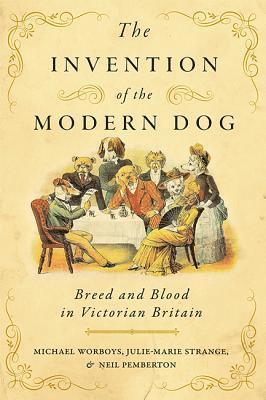
The story of the thoroughly Victorian origins of dog breeds.For centuries, different types of dogs were bred around the world for work, sport, or companionship. But it was not until Victorian times that breeders started to produce discrete, differentiated, standardized breeds. In The Invention of the Modern Dog, Michael Worboys, Julie-Marie Strange, and Neil Pemberton explore when, where, why, and how Victorians invented the modern way of ordering and breeding dogs. Though talk of "breed" was common before this period in the context of livestock, the modern idea of a dog breed defined in terms of shape, size, coat, and color arose during the Victorian period in response to a burgeoning competitive dog show culture. The authors explain how breeders, exhibitors, and showmen borrowed ideas of inheritance and pure blood, as well as breeding practices of livestock, horse, poultry and other fancy breeders, and applied them to a species that was long thought about solely in terms of work and companionship.The new dog breeds embodied and reflected key aspects of Victorian culture, and they quickly spread across the world, as some of Britain’s top dogs were taken on stud tours or exported in a growing international trade. Connecting the emergence and development of certain dog breeds to both scientific understandings of race and blood as well as Britain’s posture in a global empire, The Invention of the Modern Dog demonstrates that studying dog breeding cultures allows historians to better understand the complex social relationships of late-nineteenth-century Britain.
273 kr
Skickas
The story of the thoroughly Victorian origins of dog breeds.For centuries, different types of dogs were bred around the world for work, sport, or companionship. But it was not until Victorian times that breeders started to produce discrete, differentiated, standardized breeds. In The Invention of the Modern Dog, Michael Worboys, Julie-Marie Strange, and Neil Pemberton explore when, where, why, and how Victorians invented the modern way of ordering and breeding dogs. Though talk of "breed" was common before this period in the context of livestock, the modern idea of a dog breed defined in terms of shape, size, coat, and color arose during the Victorian period in response to a burgeoning competitive dog show culture. The authors explain how breeders, exhibitors, and showmen borrowed ideas of inheritance and pure blood, as well as breeding practices of livestock, horse, poultry and other fancy breeders, and applied them to a species that was long thought about solely in terms of work and companionship.The new dog breeds embodied and reflected key aspects of Victorian culture, and they quickly spread across the world, as some of Britain’s top dogs were taken on stud tours or exported in a growing international trade. Connecting the emergence and development of certain dog breeds to both scientific understandings of race and blood as well as Britain’s posture in a global empire, The Invention of the Modern Dog demonstrates that studying dog breeding cultures allows historians to better understand the complex social relationships of late-nineteenth-century Britain.