Neil ten Kortenaar - Böcker
Visar alla böcker från författaren Neil ten Kortenaar. Handla med fri frakt och snabb leverans.
3 produkter
3 produkter
453 kr
Skickas inom 10-15 vardagar
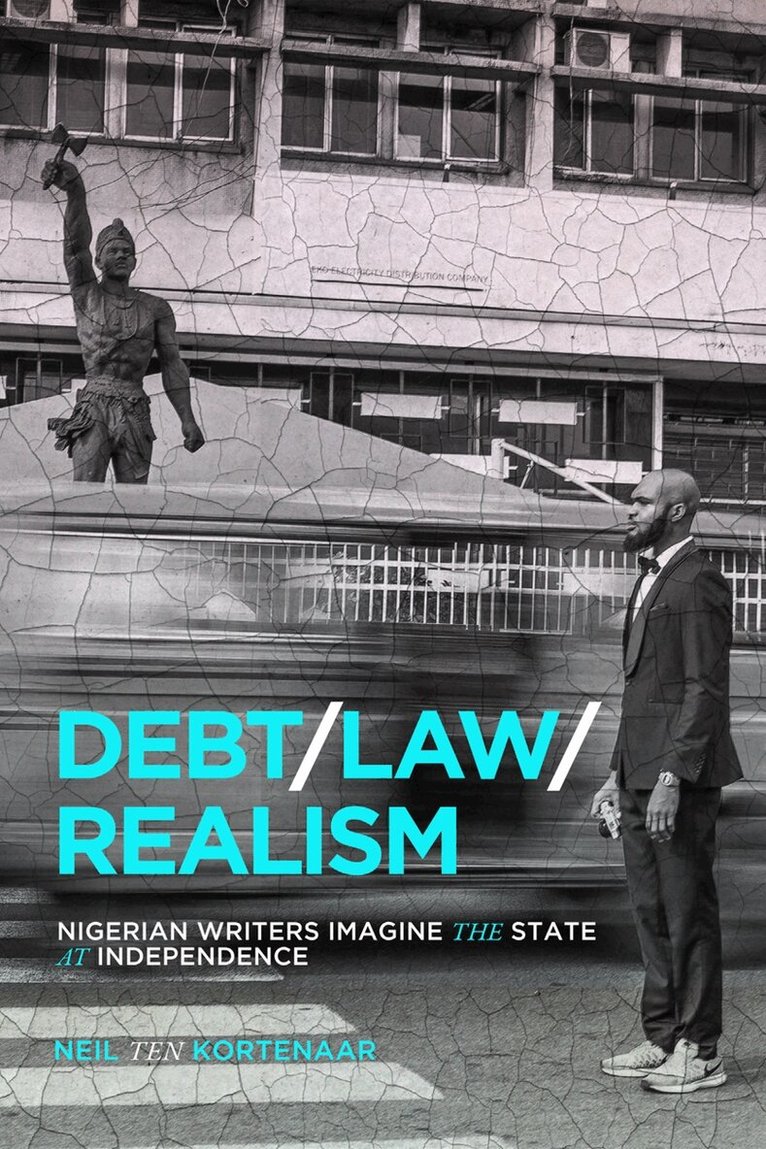
In the decade before and after independence, Nigerians not only adopted the novel but reinvented the genre. Nigerian novels imagined the new state, with its ideals of the rule of law, state sovereignty, and a centralized administration.Debt, Law, Realism argues that Nigerian novels were not written for a Western audience, as often stated, but to teach fellow citizens how to envision the state. The first Nigerian novels were overwhelmingly realist because realism was a way to convey the understanding shared by all subject to the rule of law. Debt was an important theme used to illustrate the social trust needed to live with strangers. But the novelists felt an ambivalence towards the state, which had been imposed by colonial military might. Even as they embraced the ideal of the rule of law, they kept alive a memory of other ways of governing themselves. Many of the first novelists – including Chinua Achebe – were Igbos, a people who had been historically stateless, and for whom justice had been a matter of interpersonal relations, consensus, and reciprocity, rather than a citizen's subordination to a higher authority.Debt, Law, Realism reads African novels as political philosophy, offering important lessons about the foundations of social trust, the principle of succession, and the nature of sovereignty, authority, and law.
African Literature in Transition: Volume 1
The Archive of African Literature, 1800-2000
Inbunden, Engelska, 2025
1 411 kr
Skickas inom 7-10 vardagar
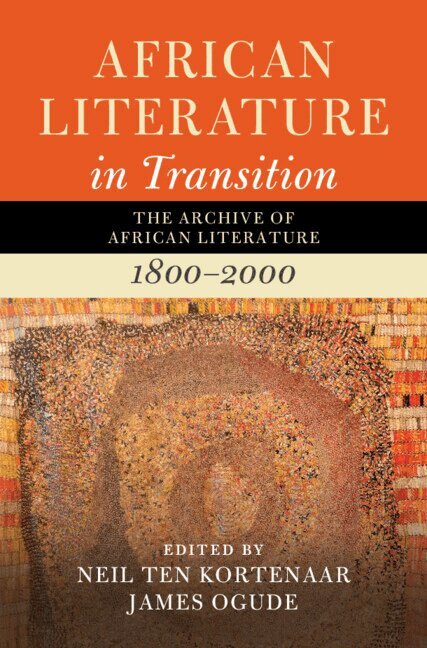
This book offers a compelling new approach to African literatures as formed by and itself a form of collective memory. It explores the historical spaces and maps that African literature brings to the surface and re-imagines in novel ways. The stories that matter about what happened in the past together constitute a collective memory that African writers and readers draw upon to locate themselves within the world. The book examines the mental maps that define the imaginative fields in which African literary texts have meaning. They provide answers to the questions that producers of texts must respond to: where stories are set, who writers write for, why writers write and how texts engage in meaning-making. It grapples with how writers imagine themselves contributing to a literary historiography and how readers get to understand the context within which texts are produced.
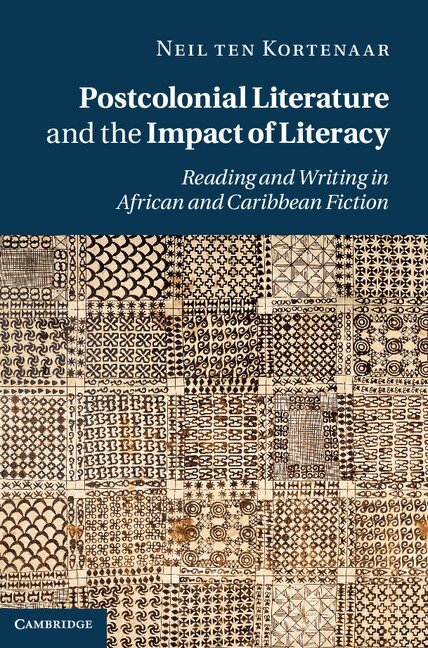
Postcolonial Literature and the Impact of Literacy
Reading and Writing in African and Caribbean Fiction
Inbunden, Engelska, 2011
1 371 kr
Skickas inom 7-10 vardagar
Examining images of literacy in African and West Indian novels, Neil ten Kortenaar looks at how postcolonial authors have thought about the act of writing itself. Writing arrived in many parts of Africa as part of colonization in the twentieth century, and with it a whole world of book-learning and paper-pushing; of school and bureaucracy; newspapers, textbooks and letters; candles, hurricane lamps and electricity; pens, paper, typewriters and printed type; and orthography developed for formerly oral languages. Writing only penetrated many layers of West Indian society in the same era. The range of writers is wide, and includes Chinua Achebe, Wole Soyinka and V. S. Naipaul. The chapters rely on close reading of canonical novels, but discuss general themes and trends in African and Caribbean literature. Ten Kortenaar's sensitive and penetrating treatment of these themes makes this an important contribution to the growing field of postcolonial literary studies.