Nele Sawallisch – författare
Visar alla böcker från författaren Nele Sawallisch. Handla med fri frakt och snabb leverans.
4 produkter
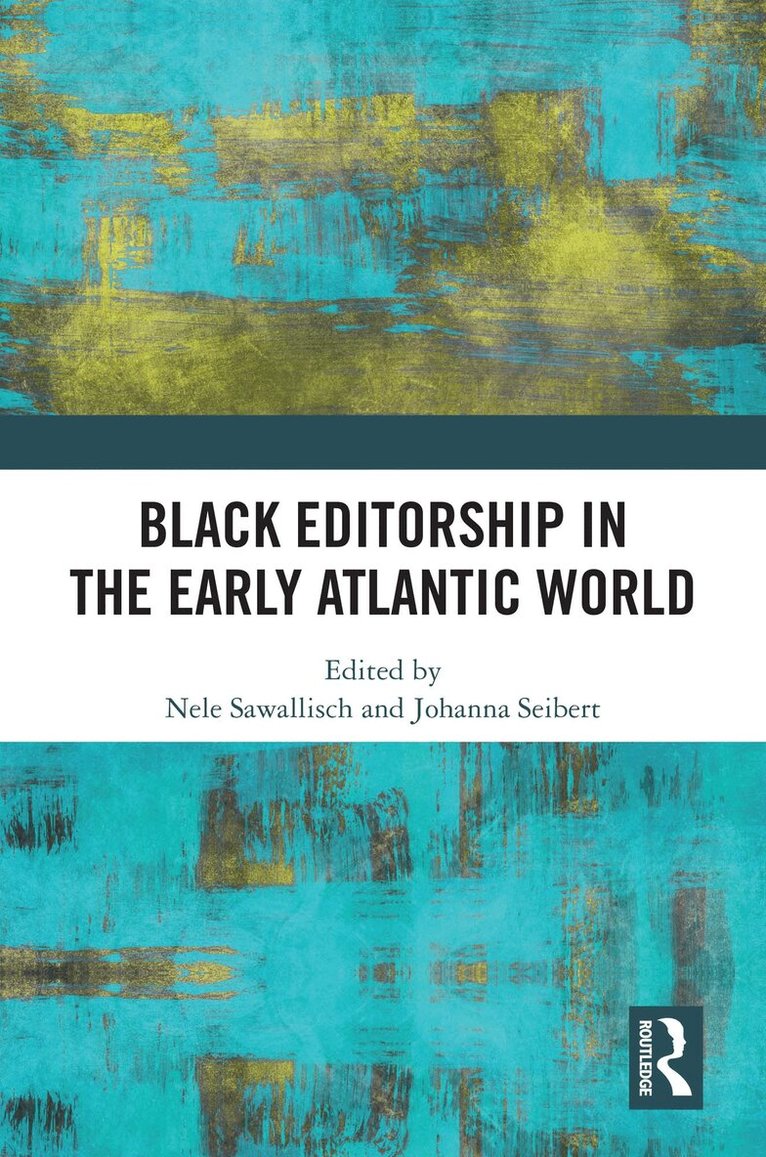
Black Editorship in the Early Atlantic World
Av Nele Sawallisch, Johanna Seibert
Inbunden, 2026
2510 kr
Lägg i varukorg
This book pays respect to different embodiments of Black editors in the Atlantic world, highlighting that from North to South America to Great Britain they occupied and promoted multifaceted roles, agendas, and poieses during a transformative period in the Atlantic world, the long nineteenth …
Black Editorship in the Early Atlantic World
Av Johanna Seibert, Nele Sawallisch
E-bok, 2026
2826 kr
Lägg i varukorg
This book pays respect to different embodiments of Black editors in the Atlantic world, highlighting that from North to South America to Great Britain they occupied and promoted multifaceted roles, agendas, and poieses during a transformative period in the Atlantic world, the long nineteenth …
Black Editorship in the Early Atlantic World
Av Johanna Seibert, Nele Sawallisch
E-bok, 2026
2826 kr
Lägg i varukorg
This book pays respect to different embodiments of Black editors in the Atlantic world, highlighting that from North to South America to Great Britain they occupied and promoted multifaceted roles, agendas, and poieses during a transformative period in the Atlantic world, the long nineteenth …
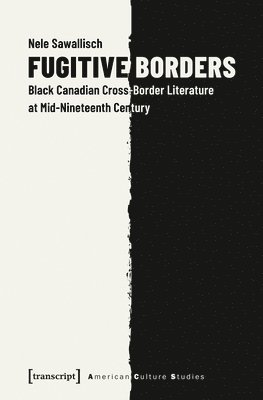
Fugitive Borders – Black Canadian Cross–Border Literature at Mid–Nineteenth Century
Häftad, 2021
717 kr
Lägg i varukorg
Fugitive Borders explores a new archive of 19th-century autobiographical writing by black authors in North America. For that purpose, Nele Sawallisch examines four different texts written by formerly enslaved men in the 1850s that emerged in or around the historical region of Canada West (now known …