Nelson Varas-Díaz - Böcker
Visar alla böcker från författaren Nelson Varas-Díaz. Handla med fri frakt och snabb leverans.
11 produkter
11 produkter
557 kr
Skickas inom 10-15 vardagar
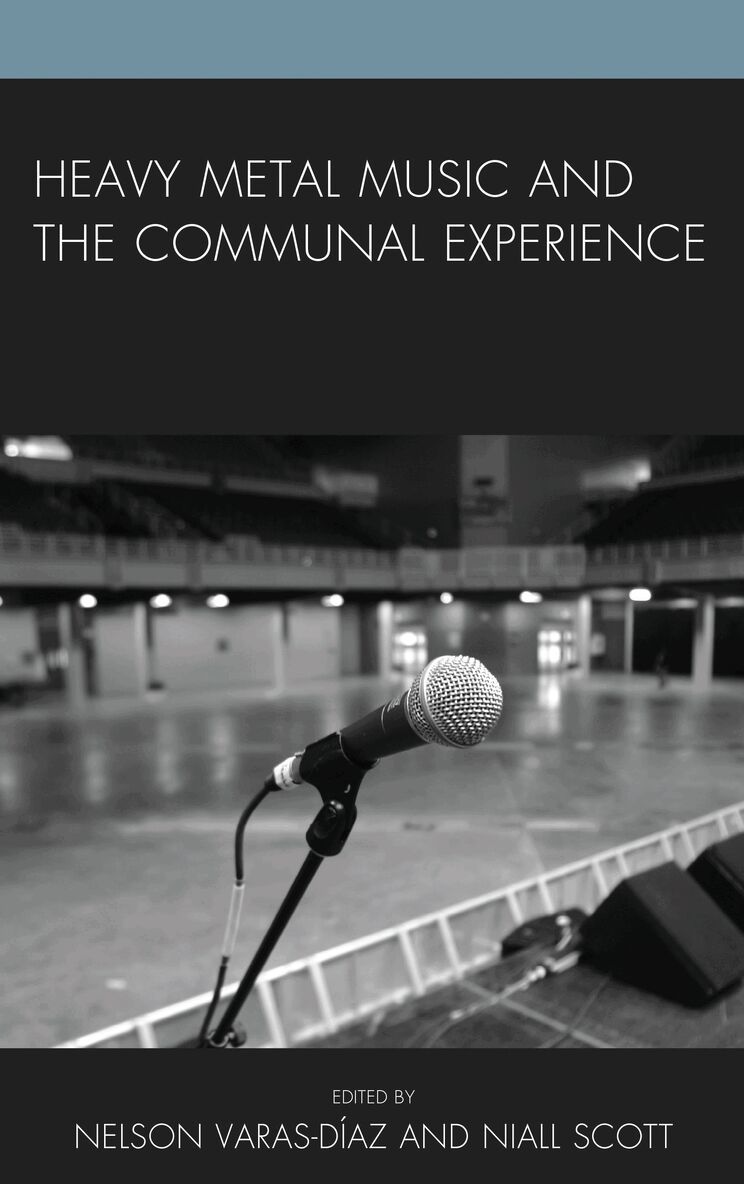
It is common to hear heavy metal music fans and musicians talk about the “metal community”. This concept, which is widely used when referencing this musical genre, encompasses multiple complex aspects that are seldom addressed in traditional academic endeavors including shared aesthetics, musical practices, geographies, and narratives. The idea of a “metal community” recognizes that fans and musicians frequently identify as part of a collective group, larger than any particular individual. Still, when examined in detail, the idea raises more questions than answers. What criteria are used to define groups of people as part of the community? How are metal communities formed and maintained through time? How do metal communities interact with local cultures throughout the world? How will metal communities change over the lifespan of their members? Are metal communities even possible in light of the importance placed on individualism in this musical genre? These are just some of the questions that arise when the concept of “community” is used in relation to heavy metal music. And yet in the face of all these complexities, heavy metal fans continue to think of themselves as a unified collective entity.This book addresses this notion of “metal community” via the experiences of authors and fans through theoretical reflections and empirical research. Their contributions focus on how metal communities are conceptualized, created, shaped, maintained, interact with their context, and address internal tensions. The book provides scholars, and other interested in the field of metal music studies, with a state of the art reflection on how metal communities are constituted, while also addressing their limits and future challenges.
1 177 kr
Skickas inom 10-15 vardagar
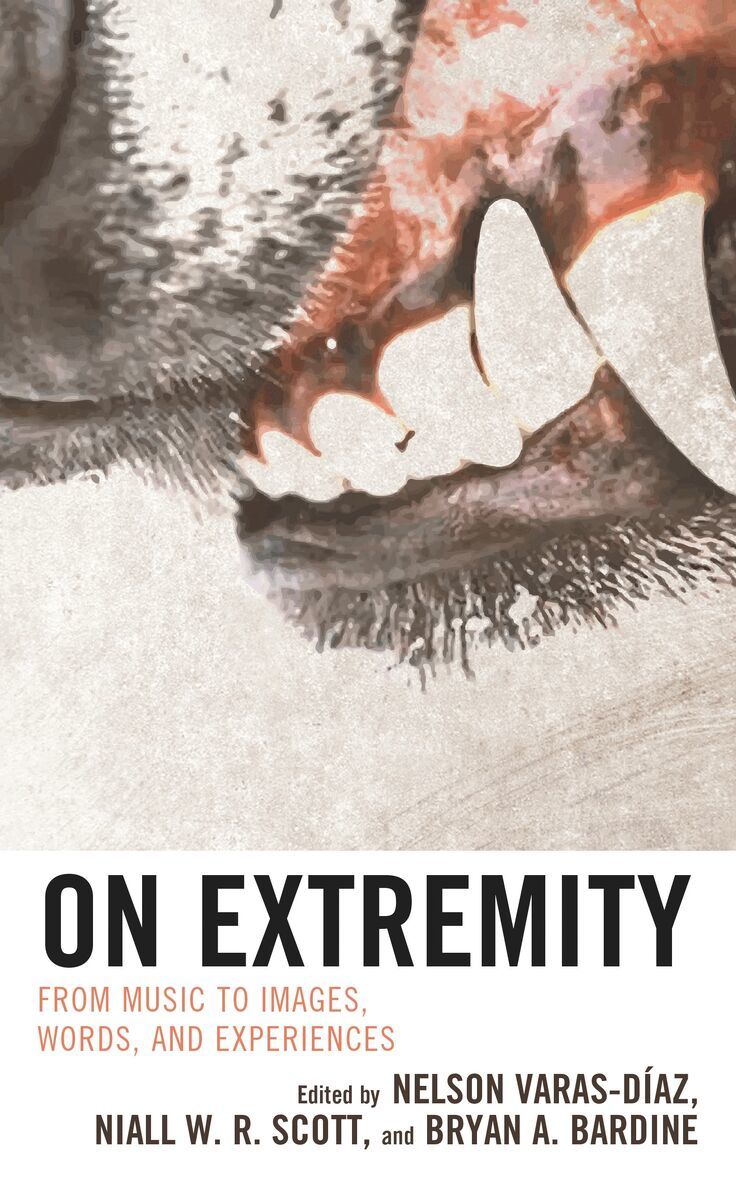
On Extremity: From Music to Images, Words, and Experiences brings together transdisciplinary scholarship on sounds, images, words, and experiences (human and non-human) to reflect on the polysemic and polymorphic characteristics of extremity and the category of the extreme. The editors and authors aim to contribute to a living, breathing, and expanding definition of extremity that helps us understand what we gain, or lose, when we interact with it, create it, and share it with, or force it upon, others. The volume calls for the emergence of “extremity studies” as an area of perusal to help us navigate our current global condition.
1 245 kr
Skickas inom 10-15 vardagar
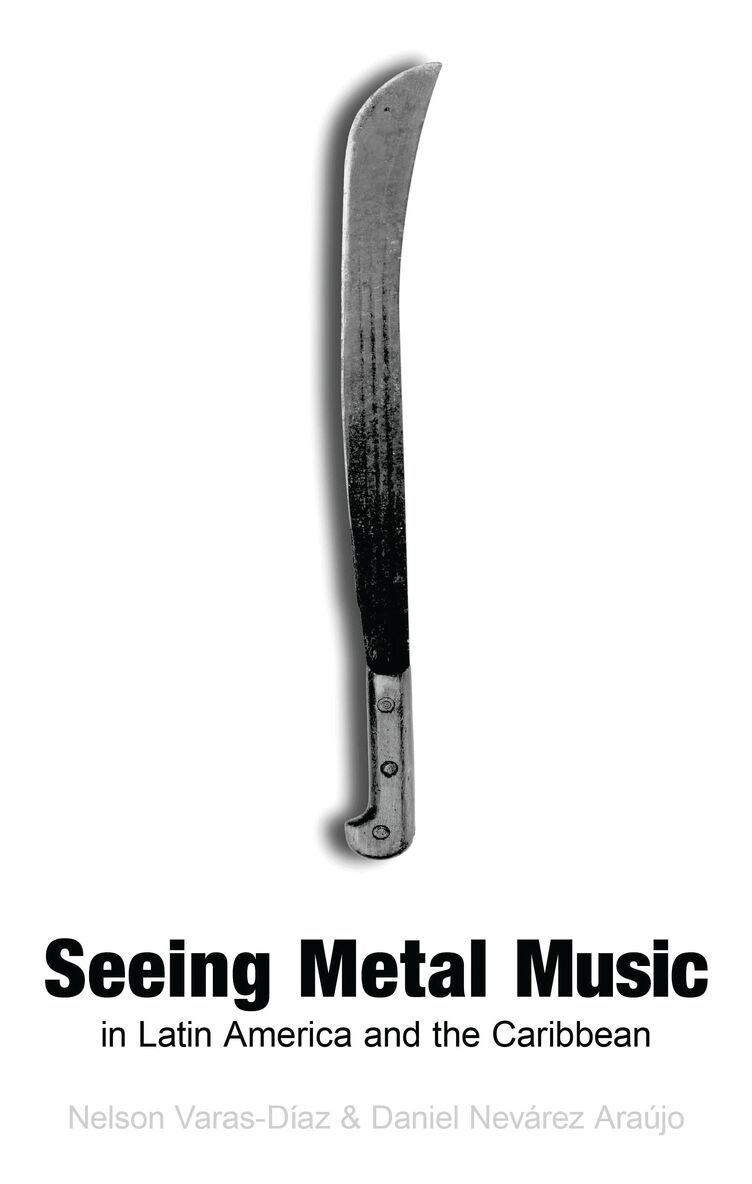
WINNER OF THE INTERNATIONAL SOCIETY FOR METAL MUSIC STUDIES' BEST BOOK AWARD 2025.For many fans, metal was visual before it was aural. This book explores the visual dimensions of metal music from the specific socio-historic, geographic, and political positionality of Latin America and the Caribbean where this visual register allows creators and consumers to engage in four distinct strategies (i.e., seeing, revealing, inverting, and appearing) as part of what the authors have termed “extreme decolonial dialogues.” They support their position through a diverse lens that examines essential aspects of the visual dimensions of metal music: album artwork, clothing, film, sites, and activist practices.
1 218 kr
Skickas inom 10-15 vardagar
This collection offers the first comprehensive analysis of Bad Bunny’s impact on music, culture, and politics. Exploring his gender-fluid style, Afro-Caribbean aesthetics, and critiques of colonialism, the book highlights his role in amplifying marginalized voices. With contributions from diverse scholars, it presents a balanced view of his influence on intersectional resistance. The chapters examine whether Bad Bunny represents a cultural shift or a fleeting moment, positioning him as a multifaceted figure in contemporary culture and activism.
499 kr
Kommande
This collection offers the first comprehensive analysis of Bad Bunny’s impact on music, culture, and politics. Exploring his gender-fluid style, Afro-Caribbean aesthetics, and critiques of colonialism, the book highlights his role in amplifying marginalized voices. With contributions from diverse scholars, it presents a balanced view of his influence on intersectional resistance. The chapters examine whether Bad Bunny represents a cultural shift or a fleeting moment, positioning him as a multifaceted figure in contemporary culture and activism.
1 076 kr
Skickas inom 10-15 vardagar
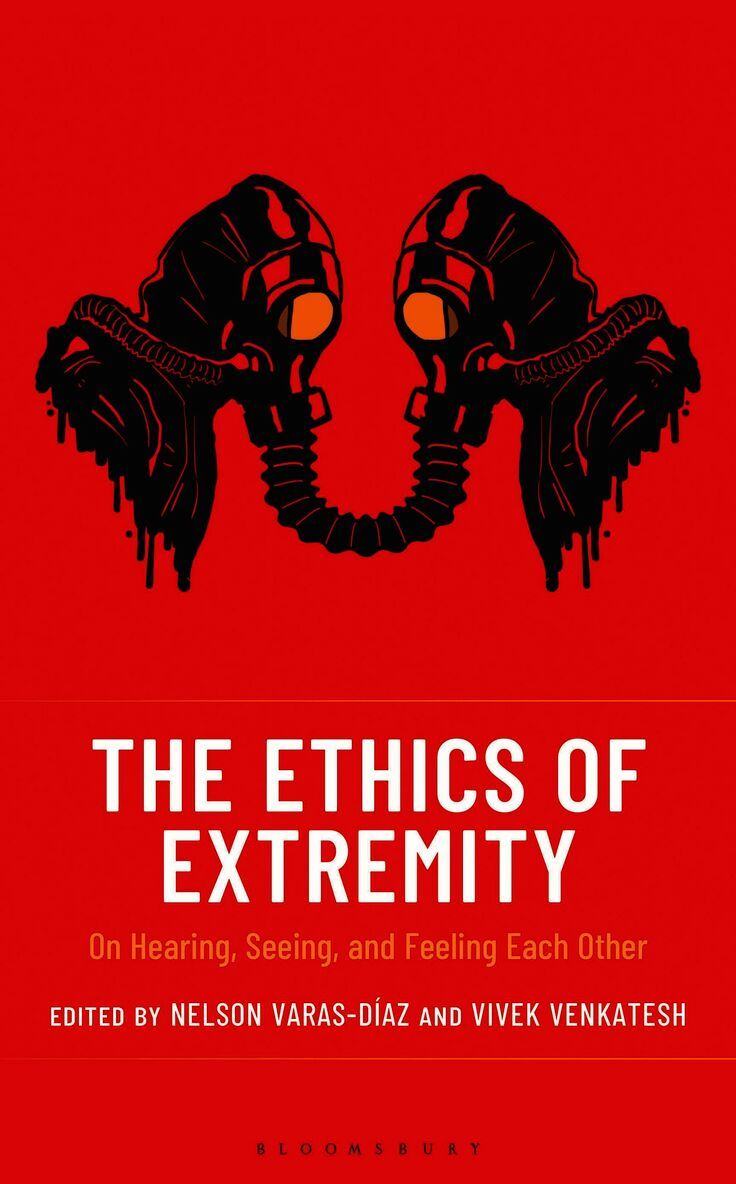
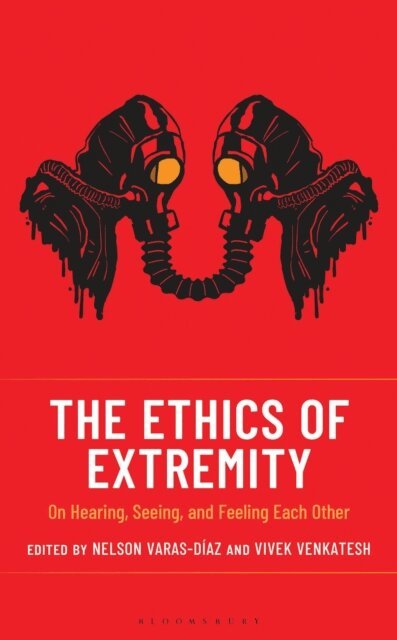
The Ethics of Extremity critically examines how we can understand, interact with, and intervene in a world where what was once considered extreme has become normalized as part of everyday life.Contributors invite us to re-examine our explicit and implicit expectations that ethics would curtail extremity—and how those assumptions have frequently failed. This opens up a central question: what is the relationship between ethics and extremity today? Rather than offering fixed solutions to this question, the chapters invite readers to rethink how ethics might respond to a world in which extremity is embedded in everyday experience. Through contributions from scholars, artists, and activists, the volume explores how extremity manifests in areas such as public health, digital media, gender violence, combat sports, and ecological collapse. Drawing on diverse methods and contexts, the book unfolds across five thematic interventions proposed by the authors for grappling with extremity today: engaging in uncomfortable forms of closeness; seeing and feeling extremity anew; reclaiming truth in a post-truth era; rethinking illegality and marginality; and using extremity as a teaching tool. Together, these offer entry points for reimagining what ethical life might look like under conditions of persistent crisis.
1 243 kr
Skickas inom 5-8 vardagar
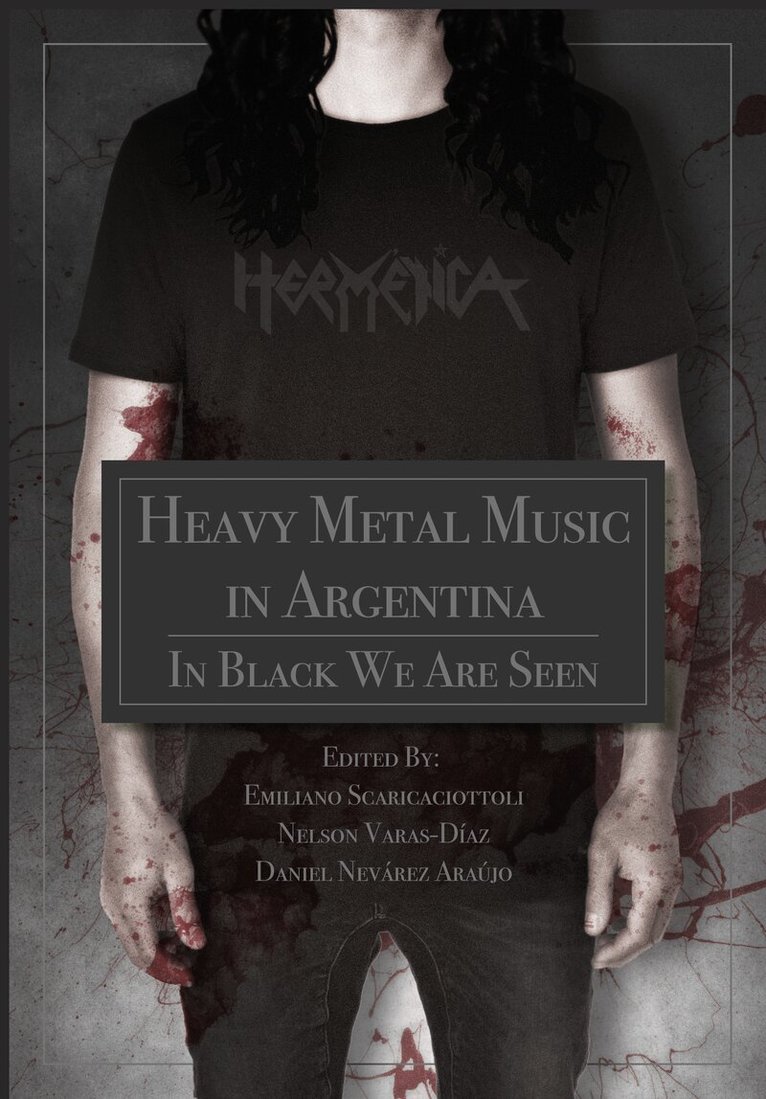
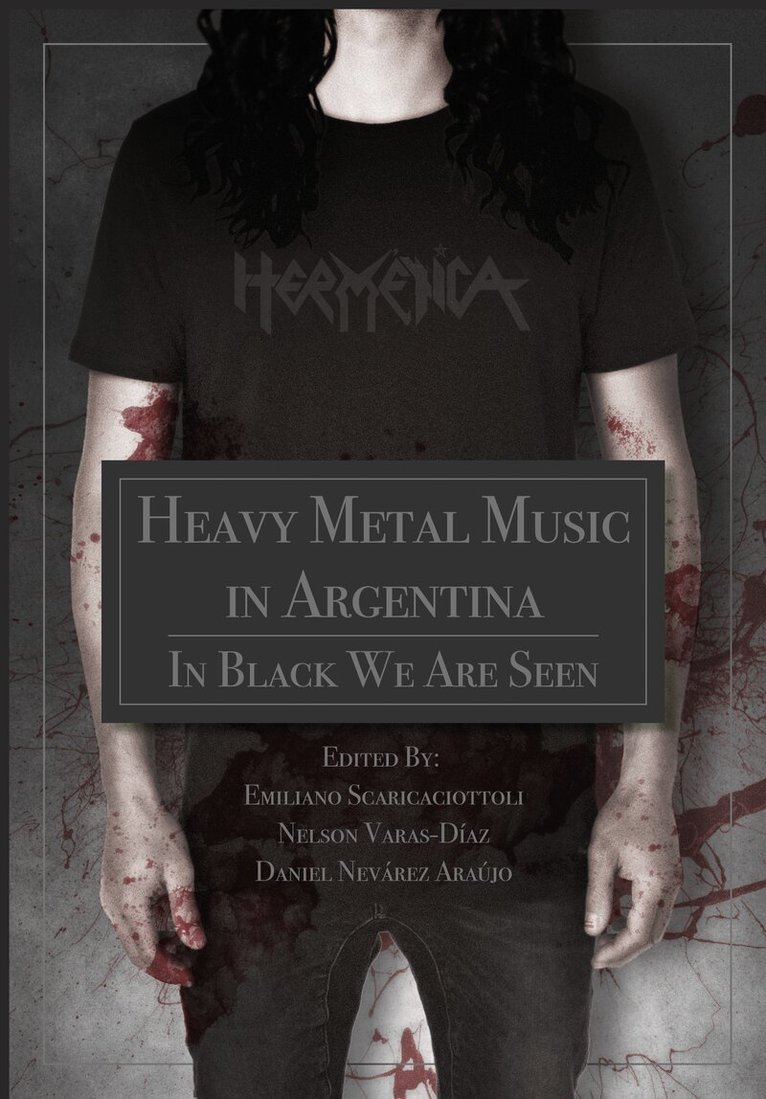
An in-depth regional discussion of heavy metal music, Heavy Metal Music in Argentina explores metal music as a catalyst for social change and site for engaging political reflection. Originally published in Spanish and sold locally in Argentina, this is the first time the work has been available in English. Edited by leading researchers, this collection addresses the music’s rituals, circulations, cultural products, lyrics and allows readers to rethink the place of heavy metal within Argentinean politics and economics. Exclusively written by members of the Group for Interdisciplinary Research on Argentinian Heavy Metal (GIIHMA) in a communal approach to scholarship, the book echoes the working-class voices that marked early post-dictatorship metal music in Argentina.This is the first collection of essays on Argentine metal music. It has opened up research channels between different universities in the country while also engaging a non-academic audience, and widening the potential market for the book.The book makes an interdisciplinary examination of a complex and fascinating object: it allows for the examination, discussion and analysis of its nationalist postulates, relationship with the Creole culture (for example, with nineteenth-century ‘gauchesca’ literature), indigenism, and with the political processes of contemporary Argentina.Metal Music Studies, as an academic area of inquiry, has focused mostly on the music’s cultural components in Europe and the United States. The few books that have addressed metal music as a global phenomenon, have severely neglected the inclusion of Latin American countries. Argentina, with the largest and oldest metal scene in the region, has also been neglected in the existing literature. There is a growing interest in this area, as demonstrated by the emergence of documentary film on metal music in Latin America.The book has potential use as a resource on courses in several disciplines including sociology, cultural studies, musicology, ethnomusicology, sociology and Latin American studies. It will also be of interest to the more general readers with an interest in the musical genre.
1 291 kr
Skickas inom 5-8 vardagar
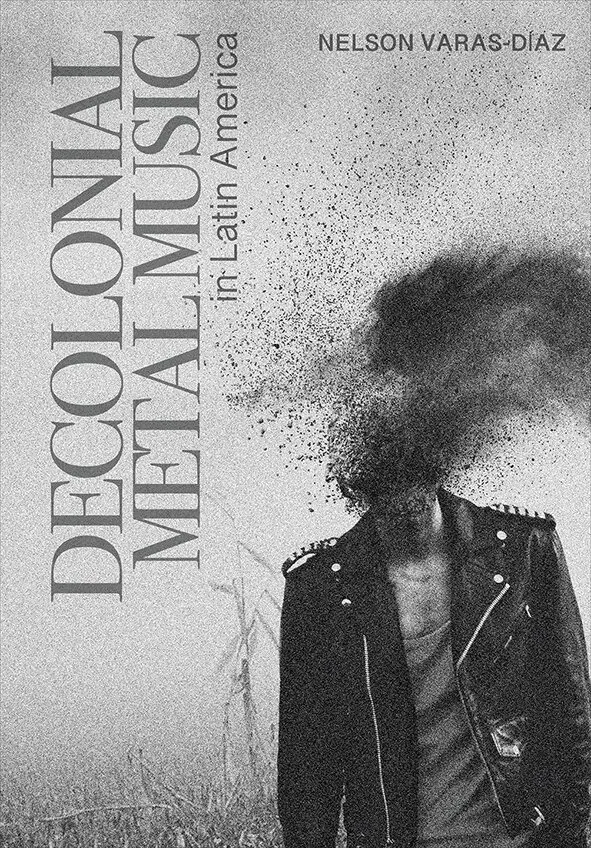
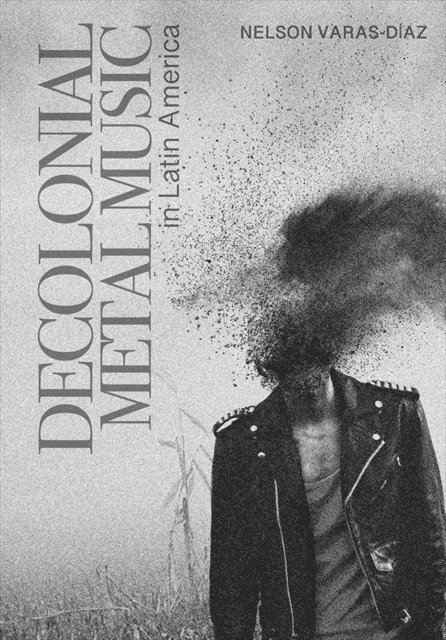
The long-lasting effects of colonialism are still present throughout Latin America. Racism, political persecution, ethnic extermination and extreme capitalism are some salient examples. This new book explores how heavy metal music in the region has been used to critically challenge the historical legacy of colonialism and its present-day manifestations.Through extensive ethnographic research in Puerto Rico, Cuba, Dominican Republic, Mexico, Guatemala, Colombia, Peru, Chile and Argentina, Varas-Díaz documents how metal music listeners and musicians engage in ‘extreme decolonial dialogues’ as a strategy to challenge past and ongoing forms of oppression. This allows readers to see metal music in a different light and as a call for justice in Latin America.Heavy metal related scholarship has made strides in the past decade. Many books have aimed to explain its origins, uses and the social meanings ascribed to the music in a variety of contexts. For the most part, these have neglected to address the region of Latin America as an area of study.It represents a historical and sociological journey in Latin American heavy metal music through rich ethnographic engagements with performers, fans and scholars of music. Its central premise is the dialogic relationship amongst deep histories of coloniality, systematic oppression, entrenched inequalities and the expressive forms generated by ‘decolonial metal music’. The book also provides an exemplary and potentially iconic model of ethnomusicology and the anthropology of music. Most previous work on metal music in Latin America has relied on theoretical frameworks developed in the Global North, and is therefore limited in understanding the region through its particular history and experiences. There is no scholarship of heavy metal scholarship in the Latin American region that achieves the depth or breadth of analysis represented by this book. It provides a roadmap and a model for this emerging mode of musical analysis, by demonstrating how decolonial metal scholarship can be achieved. Academic readership for the book will come from multiple disciplines including cultural studies, musicology, ethnomusicology, sociology, anthropology, cultural geography, history and Latin American studies. It will be of interest to music studies programmes, as well as for methods courses on structurally informed social research. The book will also be of interest to those outside academic settings – accessibly written, with its concise reviews of historical and political-economic contexts, and its vivid storytelling, it will be of interest to consumers of the metal musical genre.
365 kr
Skickas inom 5-8 vardagar
An in-depth regional discussion of heavy metal music, Heavy Metal Music in Argentina explores metal music as a catalyst for social change and site for engaging political reflection. Originally published in Spanish and sold locally in Argentina, this is the first time the work has been available in English. Edited by leading researchers, this collection addresses the music’s rituals, circulations, cultural products, lyrics and allows readers to rethink the place of heavy metal within Argentinean politics and economics. Exclusively written by members of the Group for Interdisciplinary Research on Argentinian Heavy Metal (GIIHMA) in a communal approach to scholarship, the book echoes the working-class voices that marked early post-dictatorship metal music in Argentina.This is the first collection of essays on Argentine metal music. It has opened up research channels between different universities in the country while also engaging a non-academic audience, and widening the potential market for the book.The book makes an interdisciplinary examination of a complex and fascinating object: it allows for the examination, discussion and analysis of its nationalist postulates, relationship with the Creole culture (for example, with nineteenth-century ‘gauchesca’ literature), indigenism, and with the political processes of contemporary Argentina.Metal Music Studies, as an academic area of inquiry, has focused mostly on the music’s cultural components in Europe and the United States. The few books that have addressed metal music as a global phenomenon, have severely neglected the inclusion of Latin American countries. Argentina, with the largest and oldest metal scene in the region, has also been neglected in the existing literature. There is a growing interest in this area, as demonstrated by the emergence of documentary film on metal music in Latin America.The book has potential use as a resource on courses in several disciplines including sociology, cultural studies, musicology, ethnomusicology, sociology and Latin American studies. It will also be of interest to the more general readers with an interest in the musical genre.
502 kr
Skickas inom 10-15 vardagar
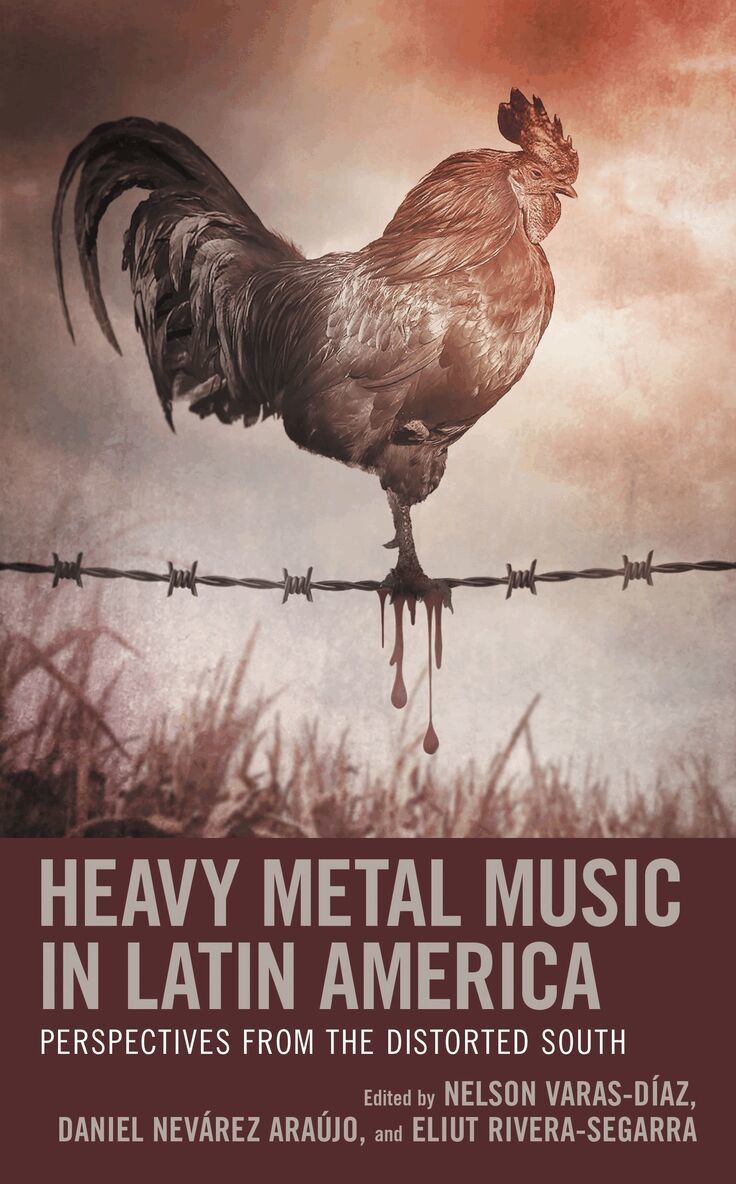
In Heavy Metal Music in Latin America: Perspectives from the Distorted South, the editors bring together scholars engaged in the study of heavy metal music in Latin America to reflect on the heavy metal genre from a regional perspective. The contributors’ southern voices diversify metal scholarship in the global north. An extreme musical genre for an extreme region, the contributors explore how issues like colonialism, dictatorships, violence, ethnic extermination and political persecution have shaped heavy metal music in Latin America, and how music has helped shape Latin American culture and politics.
1 383 kr
Skickas inom 10-15 vardagar
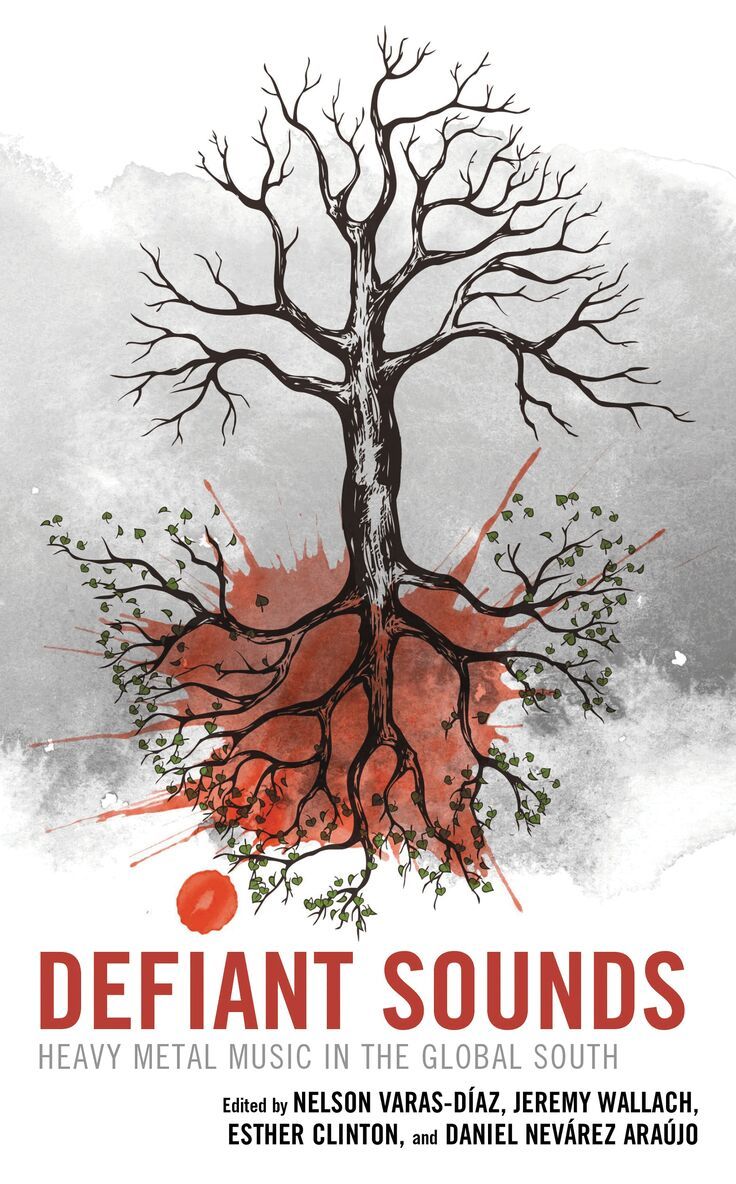
Defiant Sounds: Heavy Metal Music in the Global South brings together authors working from and/or with the Global South to reflect on the roles of metal music throughout their respective regions. The essays position metal music at the epicenter of region-specific experiences of oppression marked by colonialism, ethnic extermination, political persecution, and war. More importantly, the authors stress how metal music is used throughout the Global South to face these oppressive experiences, foster hope, and promote an agenda that seeks to build a better world.